
Electricity can be a significant operating cost for Liverpool businesses. Offices, warehouses, manufacturing facilities, workshops, retail premises and hospitality businesses all consume energy differently, but many have one useful feature in common: they use a substantial amount of electricity during daylight hours.
This can make commercial solar PV particularly relevant.
Why does daytime electricity use matter?
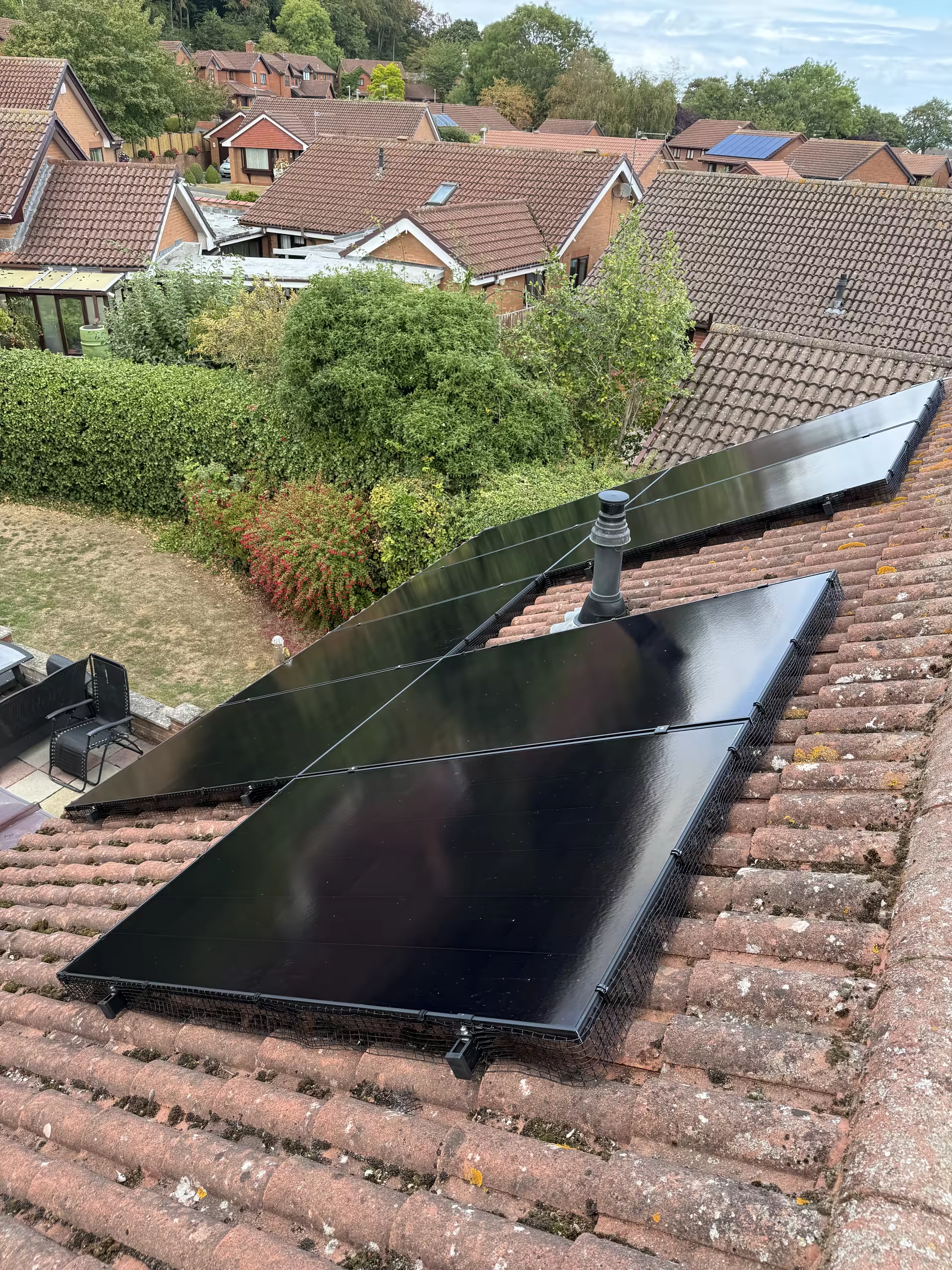
Solar panels produce electricity during daylight. If the business is operating at the same time, a proportion of that electricity can potentially be consumed directly on site, reducing the amount imported from the grid at that moment.
For many organisations, this natural overlap between solar generation and consumption is one of the main attractions of commercial solar. A business operating primarily from 8am to 6pm will have a different energy profile from a venue where demand peaks late at night.
Commercial system design should therefore begin with actual electricity data.
What types of Liverpool businesses can use solar?
Solar PV may be suitable for many different commercial properties, including:
- Warehouses
- Industrial units
- Offices
- Schools
- Retail premises
- Hospitality venues
- Workshops
- Agricultural buildings
- Mixed commercial sites
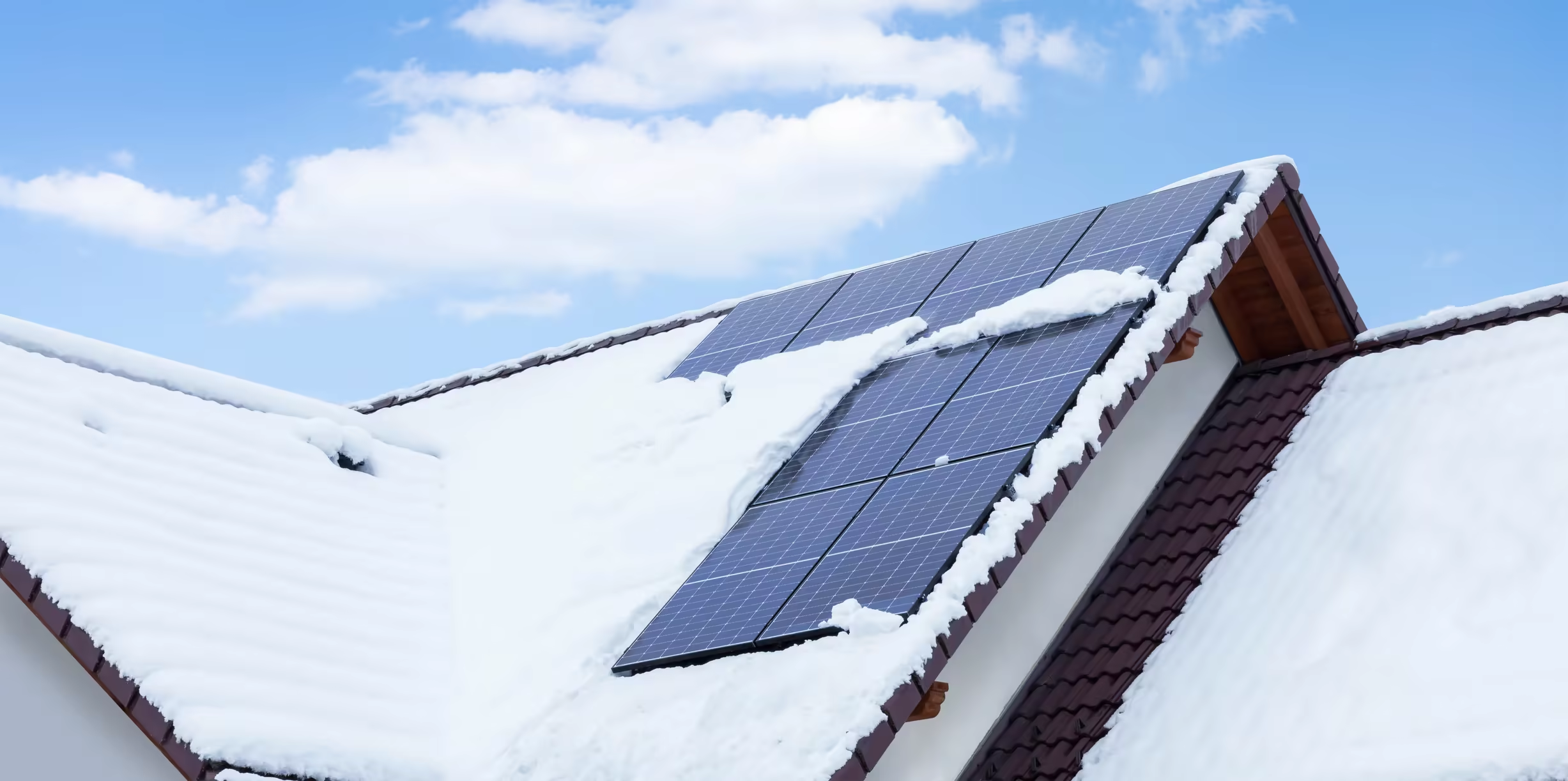
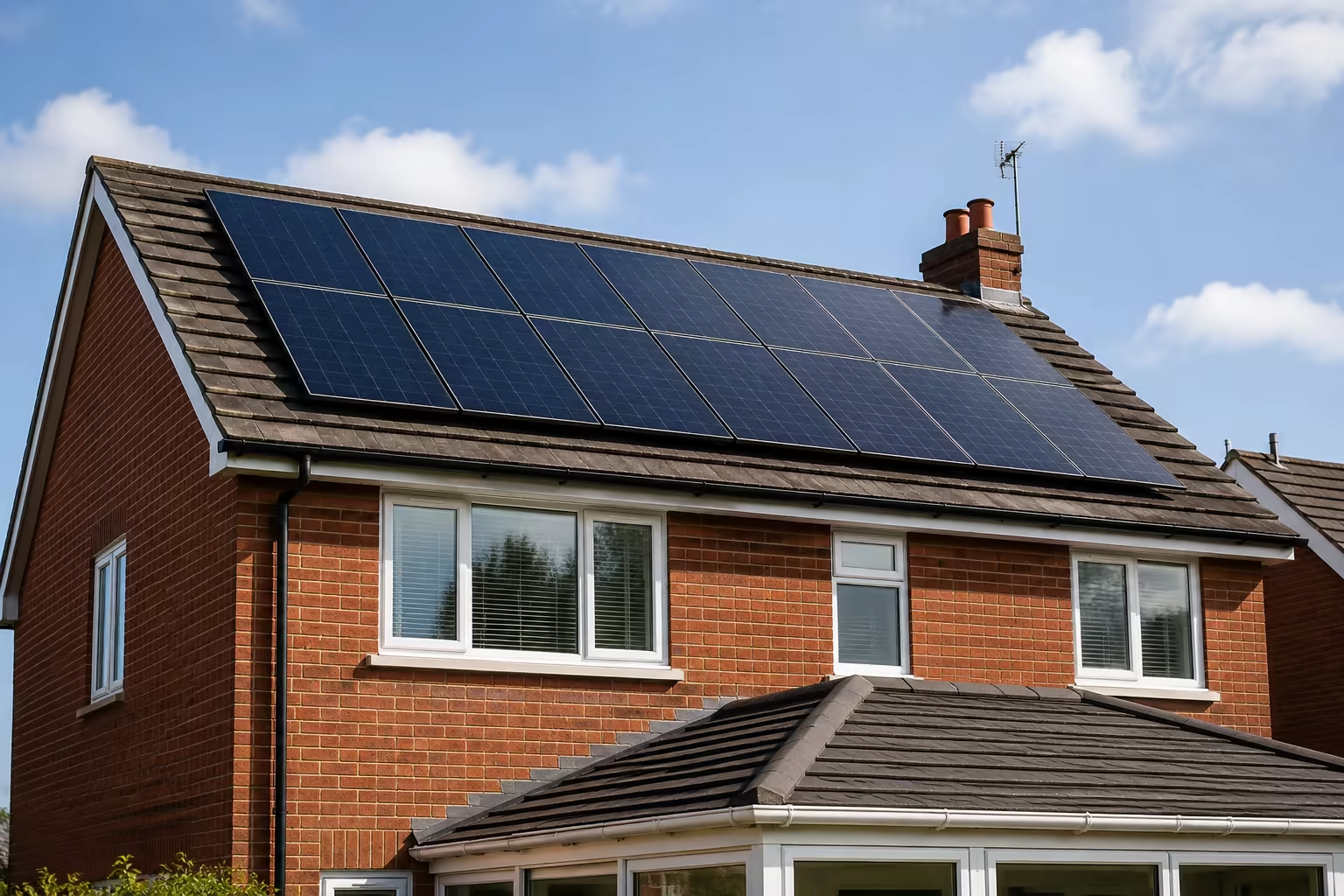
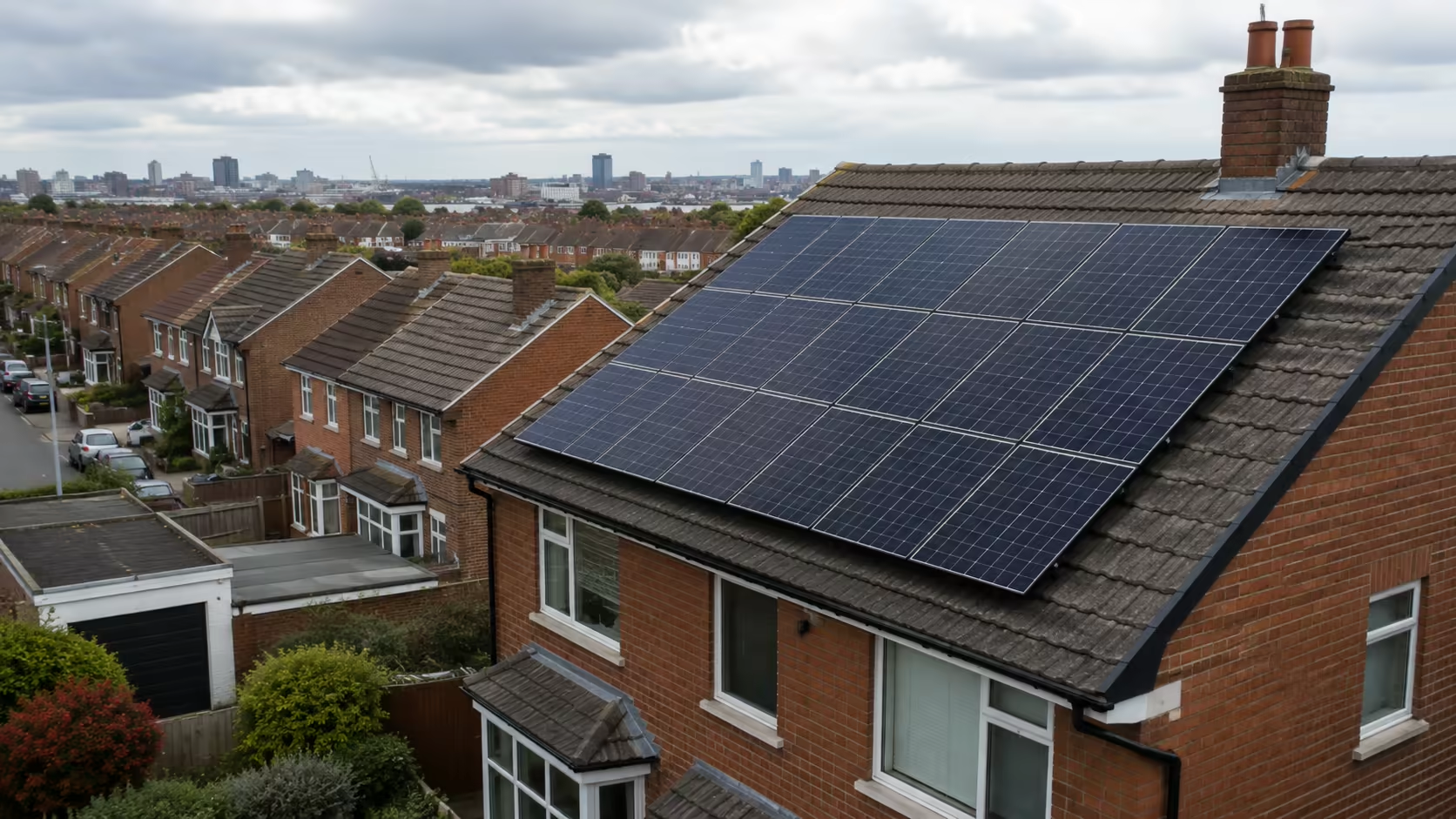
The building doesn’t necessarily need a traditional pitched roof. Flat-roof systems are widely used on commercial properties.
Is your commercial roof suitable?
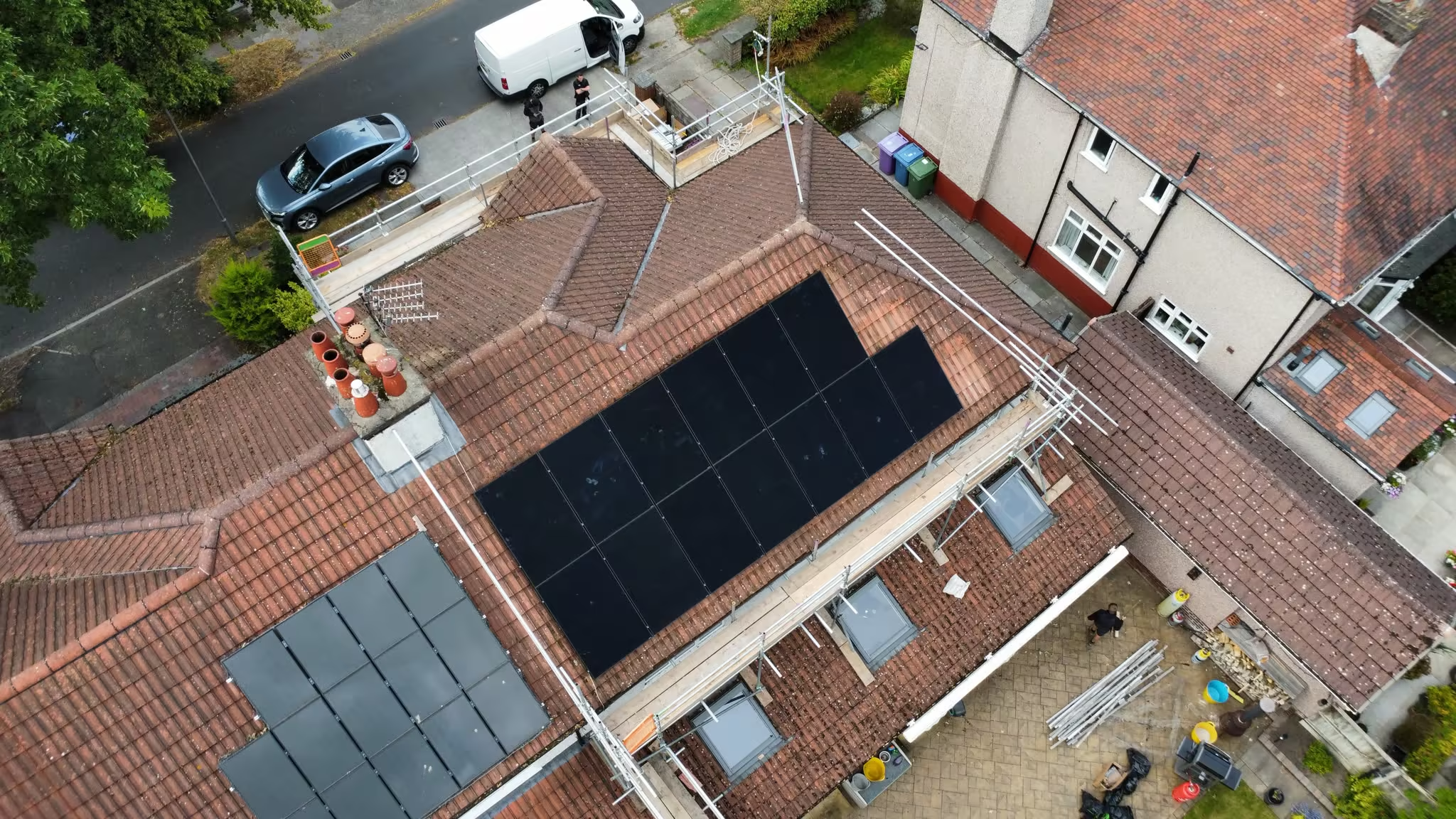
Roof area is an obvious starting point, but engineers also need to assess:
- Orientation
- Shading
- Roof construction
- Structural capacity
- Roof condition
- Existing rooftop equipment
- Maintenance access
- Electrical infrastructure
- Grid connection requirements
An enormous roof doesn’t automatically mean every square metre should be covered. The array should make sense for the building and its electricity demand.
Start with half-hourly energy data where possible
Commercial electricity consumption can vary considerably throughout the working day. Half-hourly data provides a clearer picture of the demand profile than an annual bill alone.
It allows the proposed solar generation curve to be compared with real consumption, helping establish how much electricity is likely to be used on site and how much could be surplus. This produces a more meaningful commercial proposal.
Could your business use battery storage?
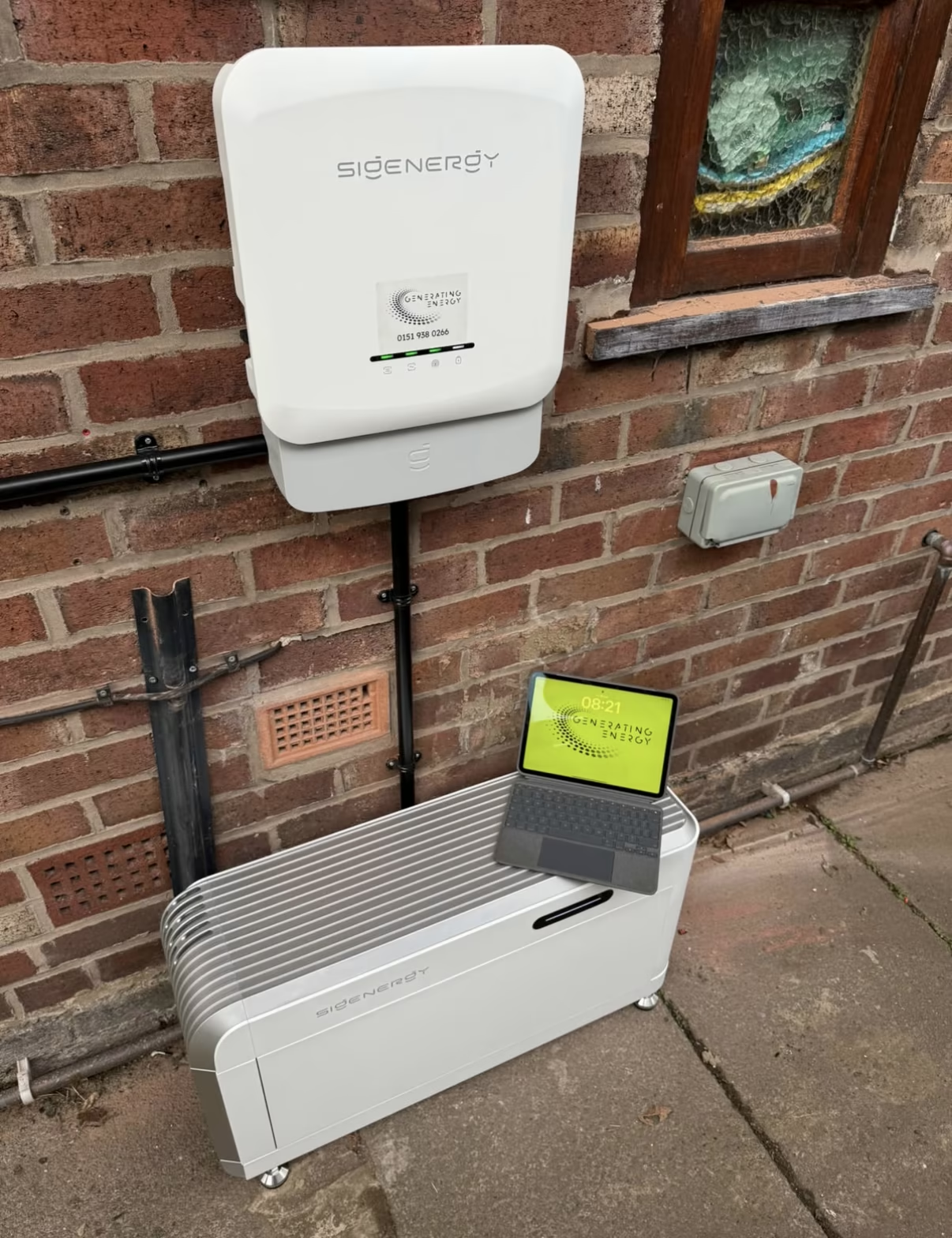
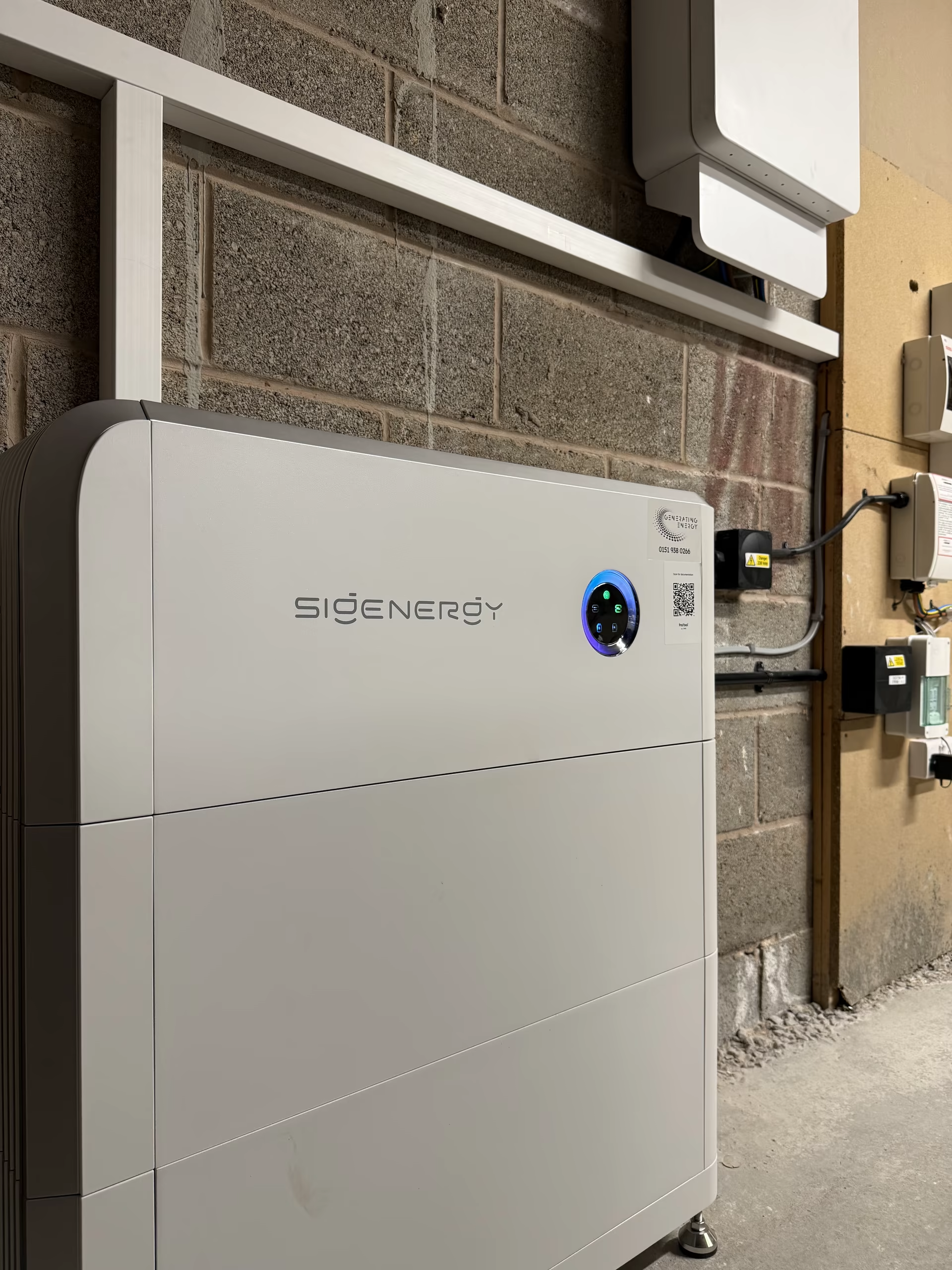
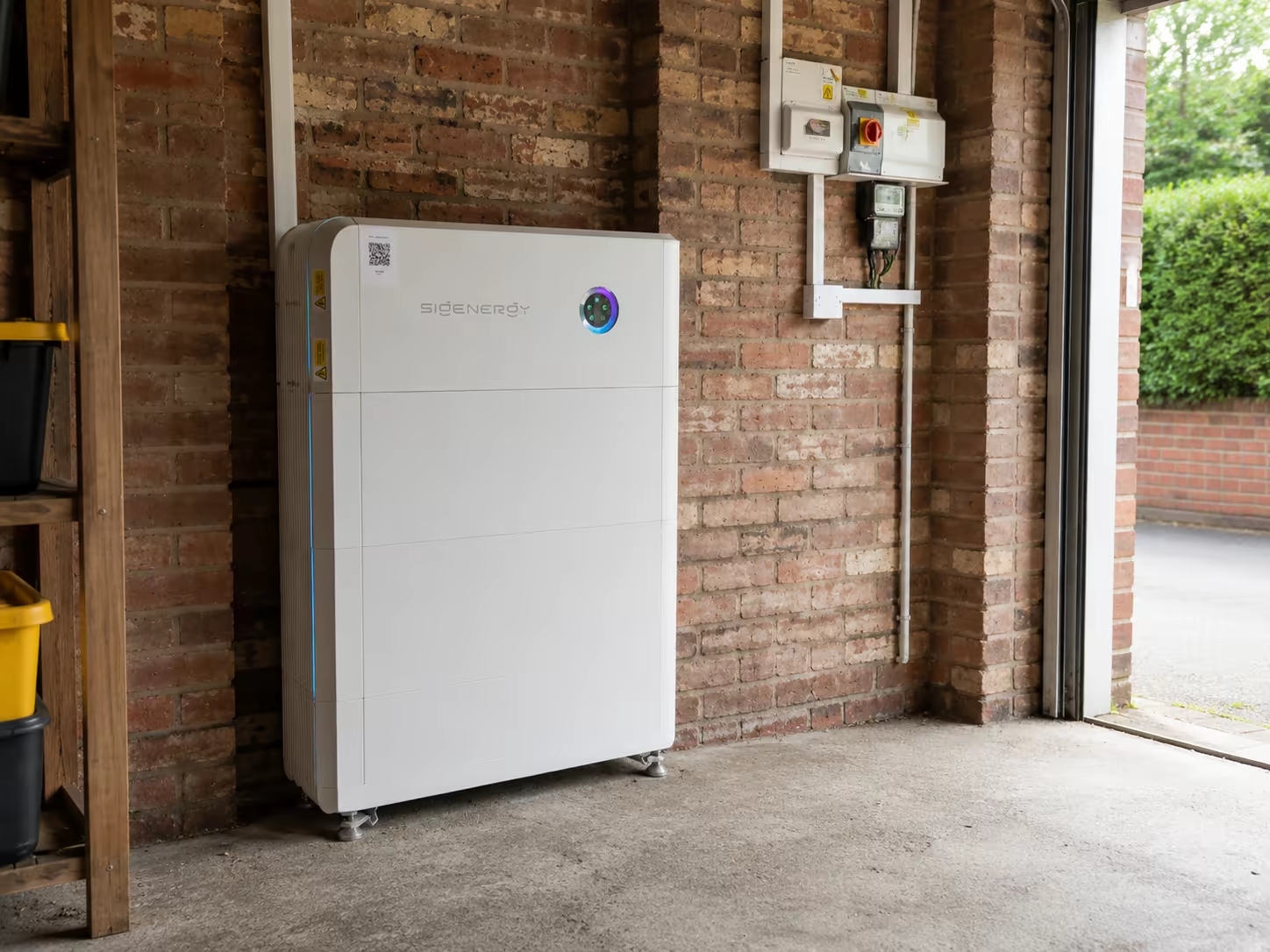
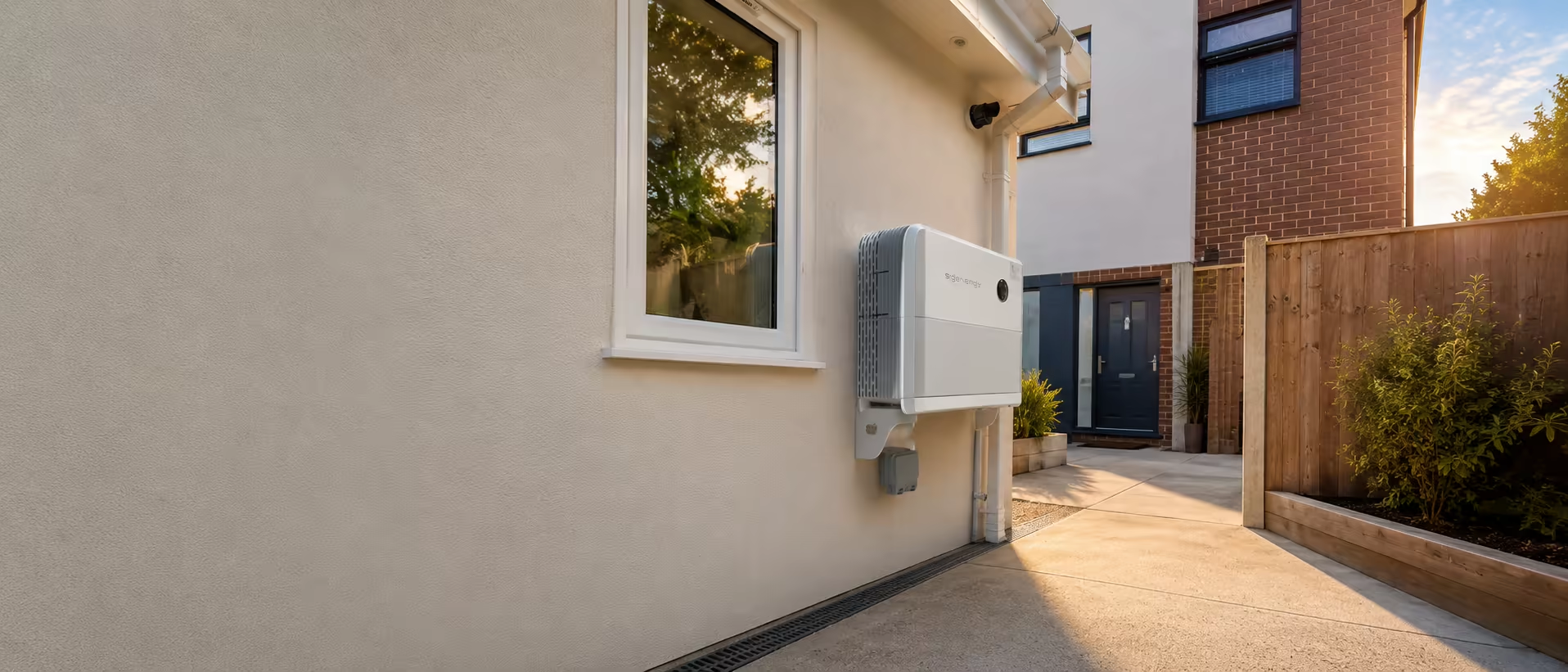
Potentially. Battery storage can retain surplus solar electricity for use later and may support more sophisticated energy management depending on the site’s tariff and demand profile.
Commercial battery storage should be justified by data. A business consuming almost all its solar generation directly may have a different requirement from a site producing substantial surplus electricity every afternoon. Battery capacity should be modelled rather than simply added to the quotation.
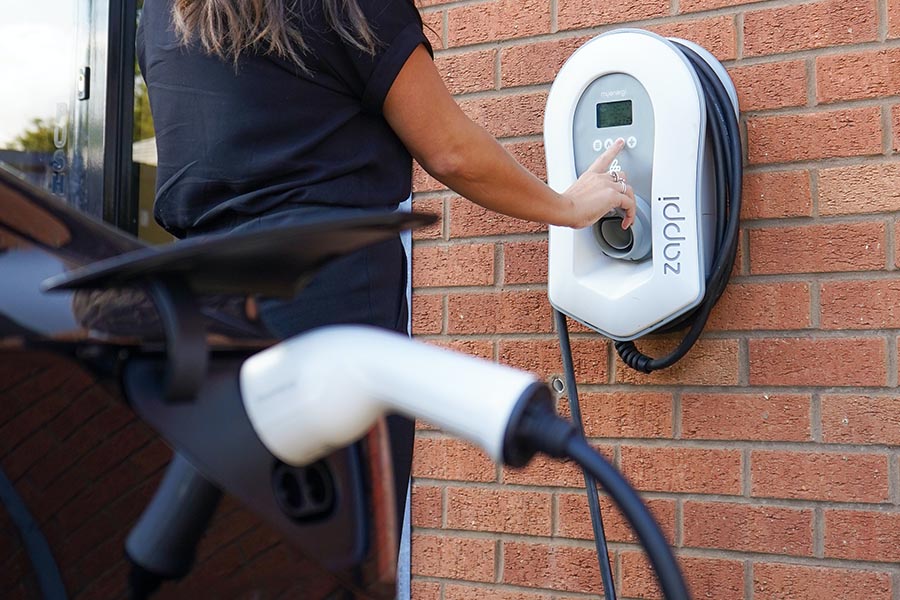
What about commercial EV charging?
Businesses may require charging infrastructure for:
- Company vehicles
- Electric vans
- Staff cars
- Customers
- Visitors
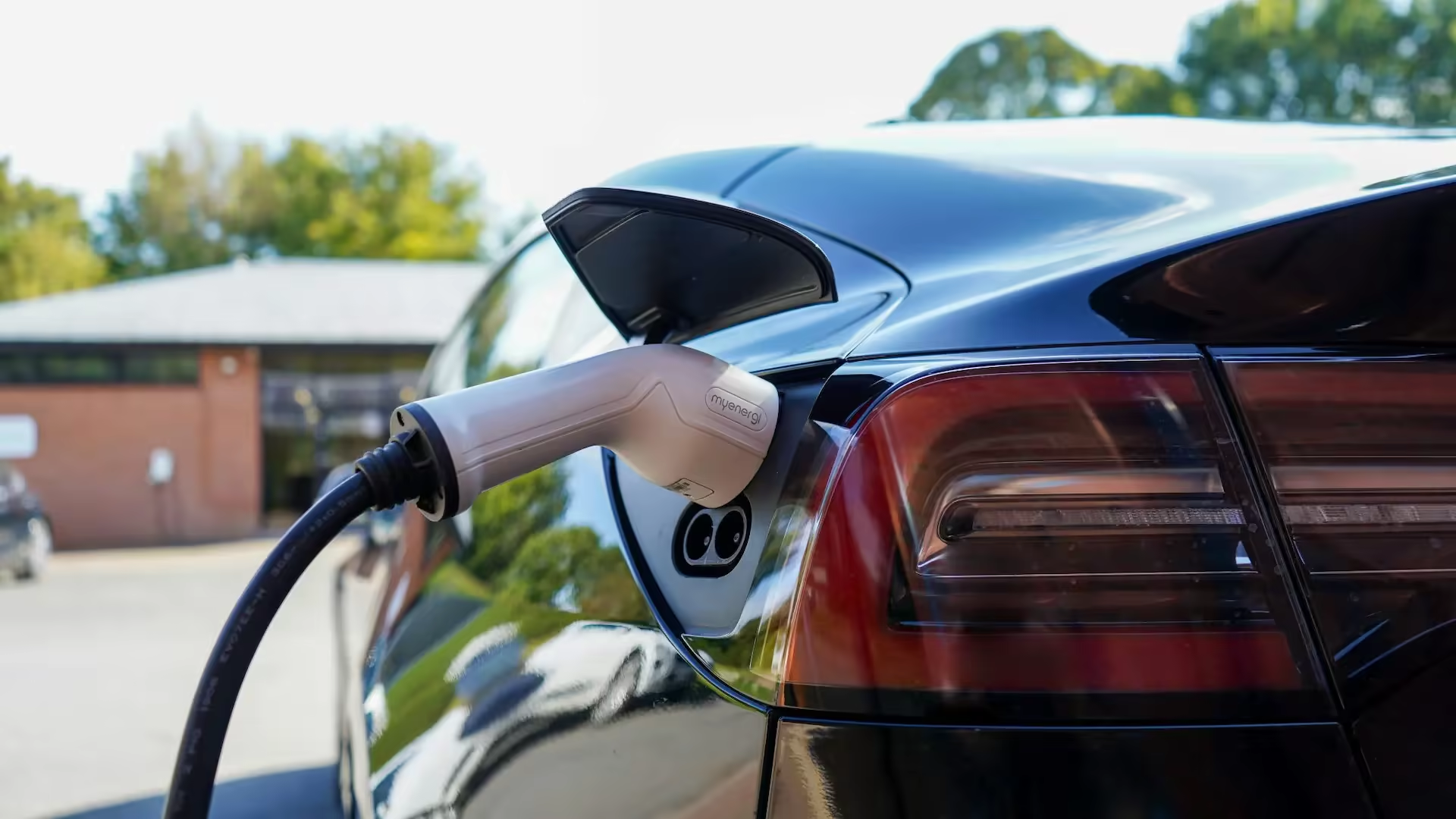
EV charging increases electrical demand. If your organisation expects to electrify part of its fleet, this should be considered during the solar design stage. Commercial solar, battery storage and EV charging can then form part of one wider energy strategy.
What should a commercial solar proposal show?
A proper proposal should provide enough information for you to understand the business case. Look for:
- Installed system capacity
- Panel specification
- Inverter specification
- Expected annual generation
- Estimated on-site consumption
- Expected export
- Installation methodology
- Monitoring
- Warranties
- Financial assumptions
Be cautious about projections that present future electricity prices as guaranteed. A commercial investment model should explain the assumptions behind its figures.
Commercial solar in Liverpool
Generating Energy is a Liverpool-based renewable energy company installing solar PV, battery storage and EV charging systems for residential and commercial customers.
Our commercial process starts by understanding the building and its electricity consumption before equipment is specified. This allows us to design a system around the way the organisation actually operates.
If your Liverpool business has substantial daytime electricity use and suitable roof or site space, contact Generating Energy for a commercial solar assessment. We’ll examine what’s technically achievable and help you understand the potential business case.