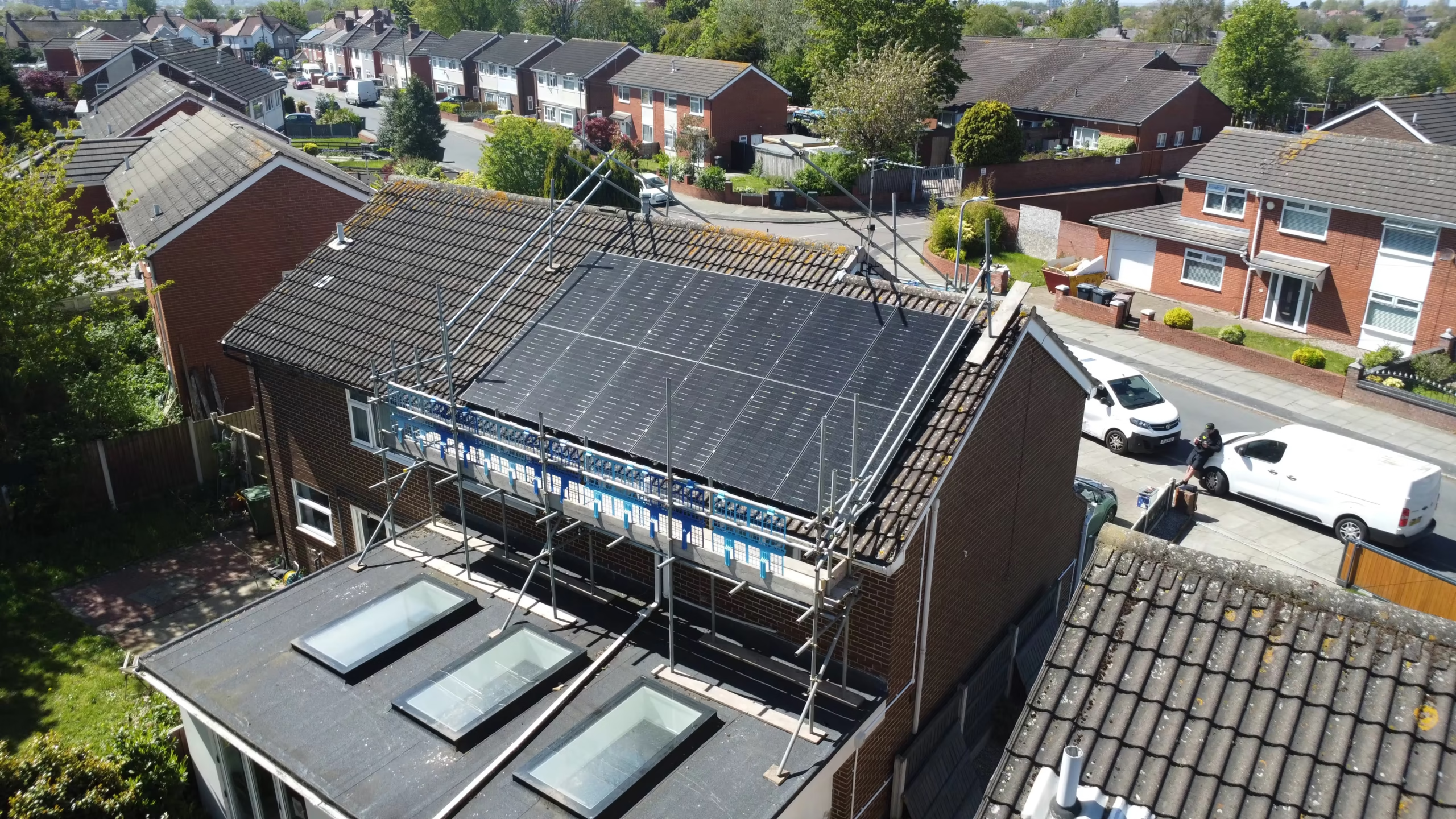

One of the most common questions we hear from Liverpool homeowners is whether their roof is suitable for solar panels. There isn’t one perfect type of house for solar PV.
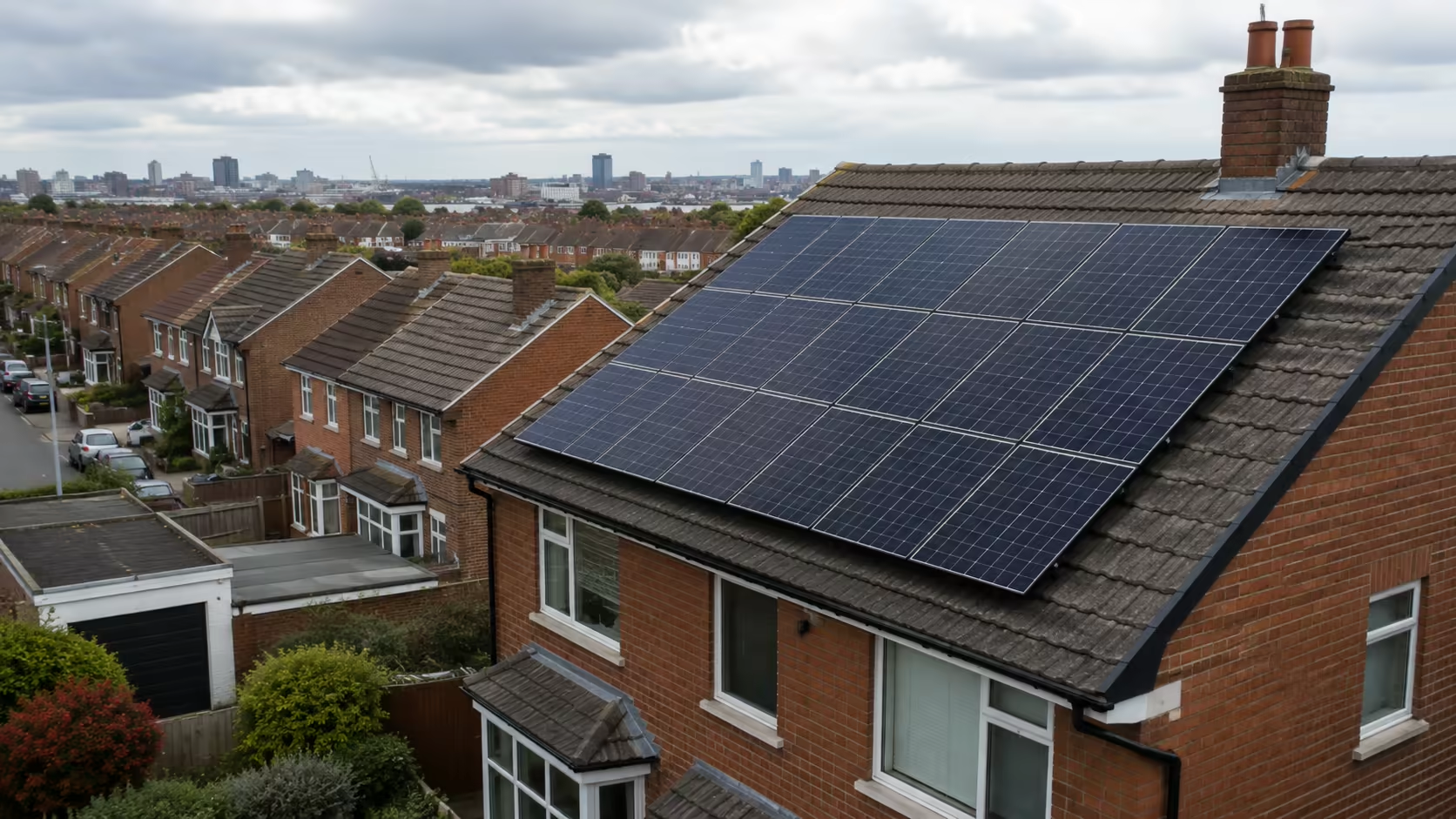
Liverpool’s housing ranges from Victorian terraces and traditional semi-detached homes to bungalows, detached properties, apartments and modern new builds. Many can accommodate solar successfully, but the system needs to be designed around the individual roof.
Which roof direction is best for solar panels?
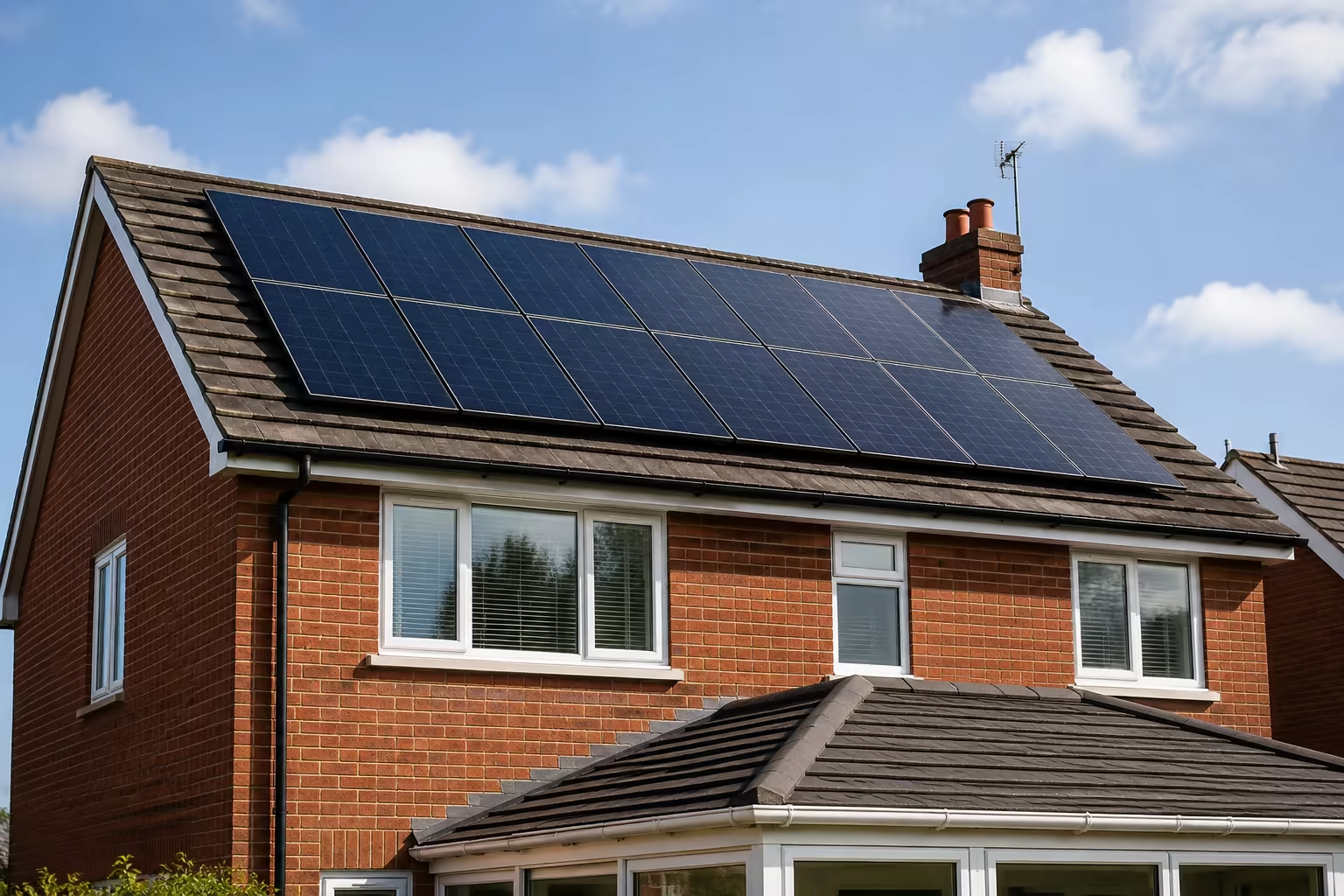
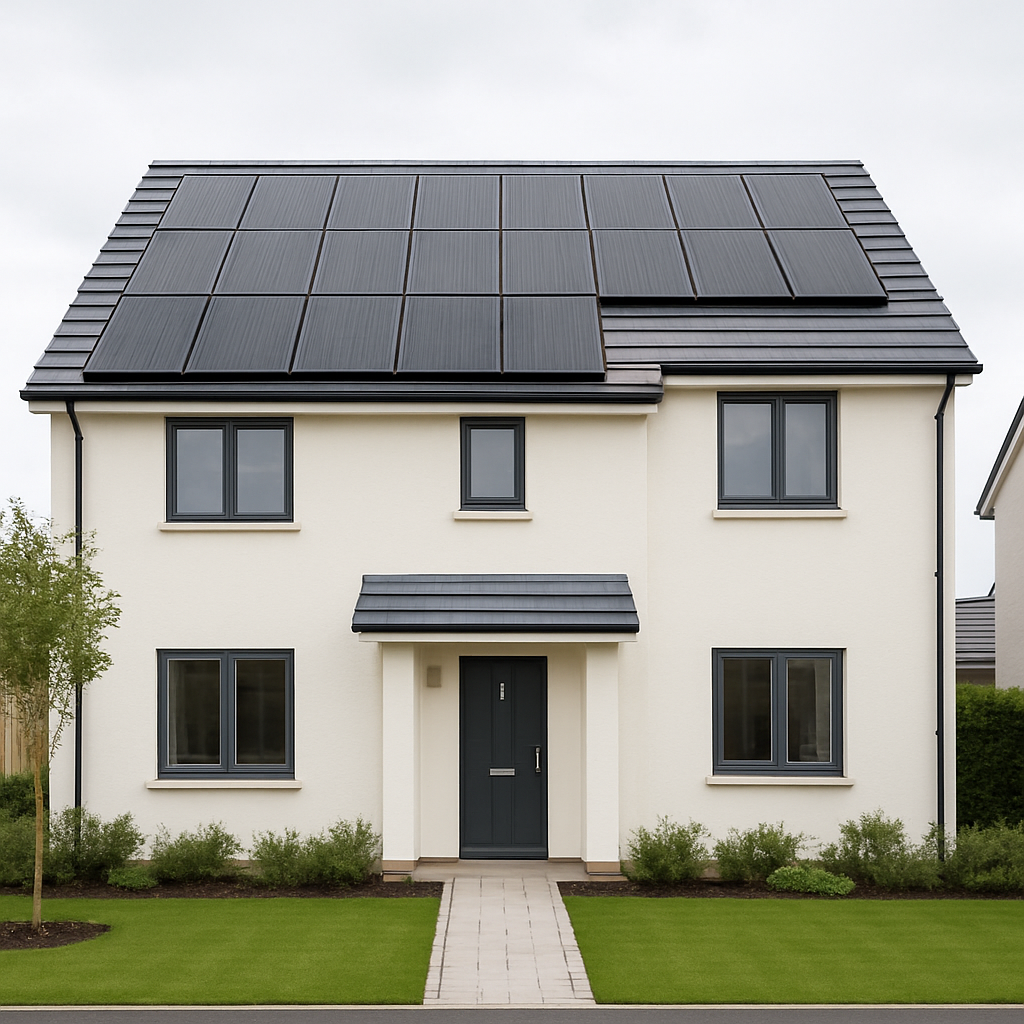
A south-facing roof is generally considered ideal because it receives strong solar exposure across the day. However, your roof doesn’t have to face south.
East and west-facing roofs can also work well. An east-facing array produces more electricity during the morning, while a west-facing array tends to generate more later in the day. Some homes use panels across both elevations, spreading generation across more of the day.
The Energy Saving Trust estimates that an east or west-facing system typically generates around 15 to 20% less electricity than an equivalent system facing directly south. Orientation matters, but it certainly doesn’t rule solar out.
Does roof pitch matter?
Yes, although there is a reasonable amount of flexibility. The pitch affects how much sunlight reaches the panels at different times of the year.
A professional solar design should account for both the pitch and orientation when forecasting annual generation. The important thing is to model the actual roof rather than relying on a generic calculation.
What about Liverpool terraced houses?
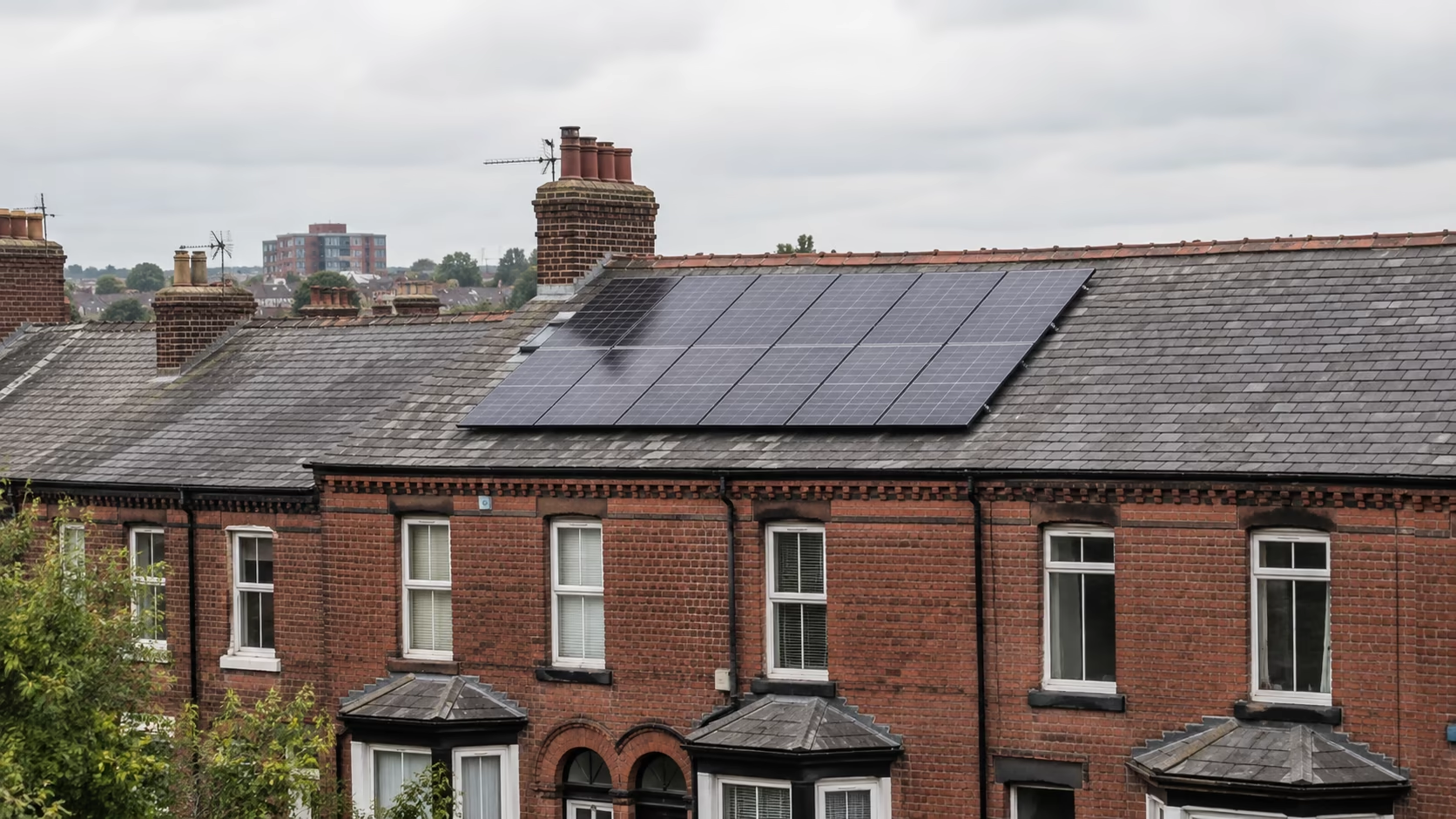
Terraced homes can be suitable for solar. The main limitation is usually the available roof area.
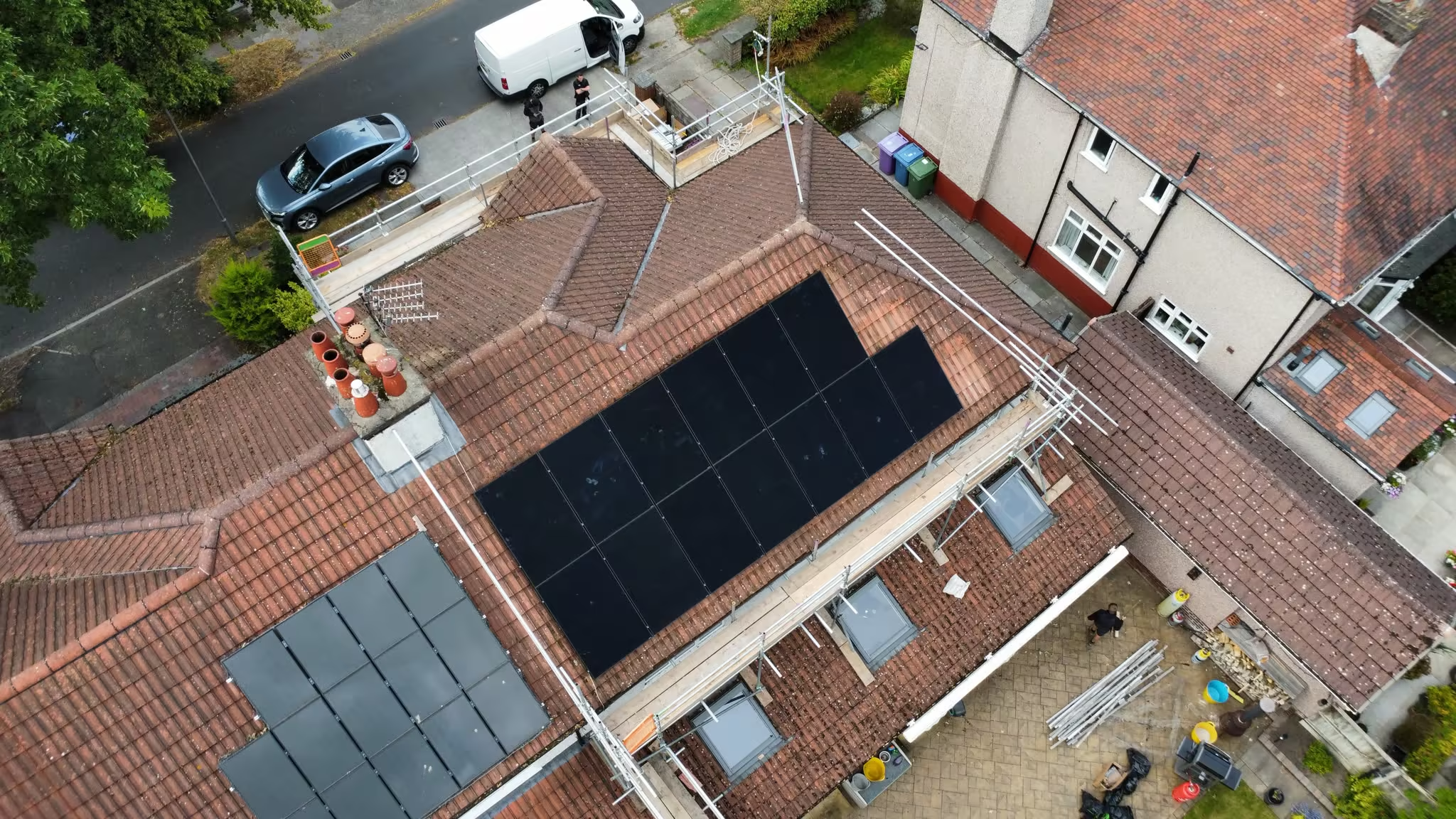
Chimneys, loft conversions, dormers and roof windows can reduce the usable space. Efficient modern panels can be particularly helpful in these situations because they allow more generating capacity to be installed within a relatively small area.
The layout must also maintain suitable distances around roof features and allow safe installation. In many cases, a modest roof can still accommodate a worthwhile solar array.
Can solar panels be installed on slate roofs?
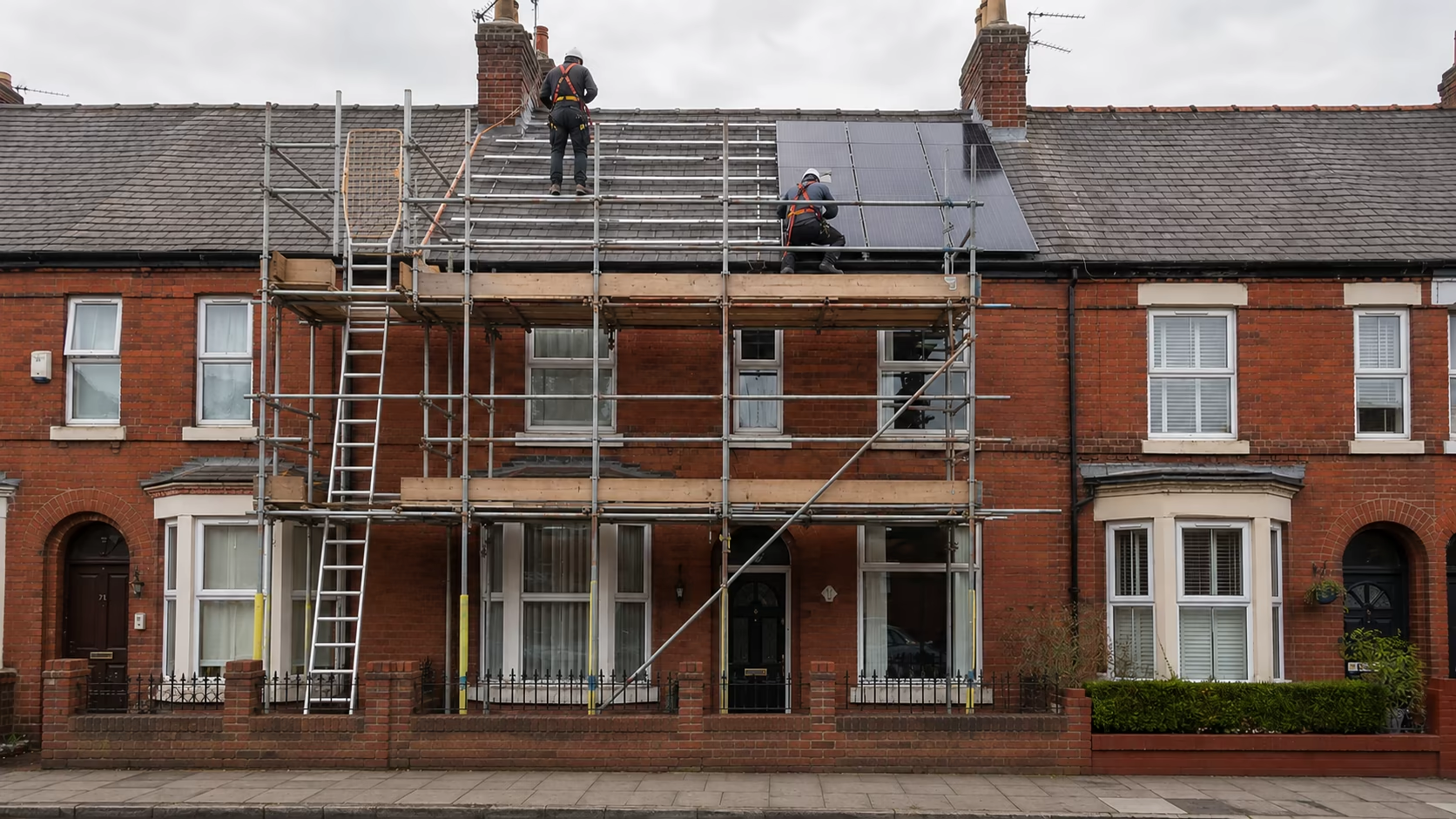
Yes. Solar panels can be installed on many slate roofs, although the fixing methods and installation time may differ from those used on standard concrete or clay tiles.
Older roofs should be assessed carefully before installation. If the roof covering is approaching the end of its useful life, it may make sense to complete the necessary work before fitting solar rather than removing and reinstalling the panels a few years later.
What about concrete and clay tiles?
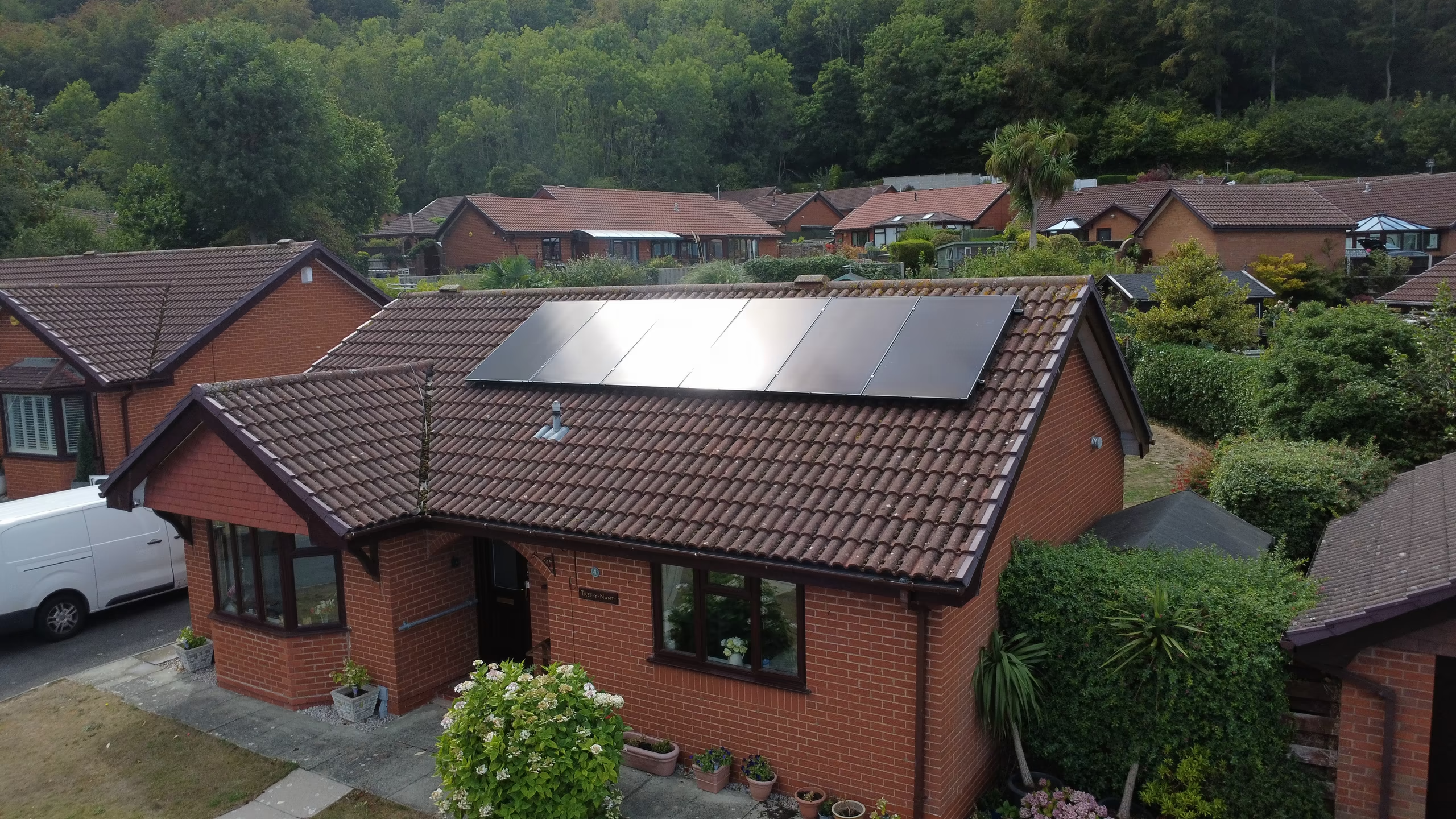
Concrete and clay tiles are extremely common across Liverpool and Merseyside. Solar mounting systems are designed to fix securely into the roof structure while allowing the tiles to continue providing weather protection.
An experienced installer should identify the tile type and assess its condition before work begins.
Can solar panels be installed on flat roofs?
Yes. Panels on flat roofs can use mounting systems that position them at a suitable angle. This is common on extensions, garages and commercial properties.
A flat-roof design needs to consider panel spacing, loading, wind exposure, waterproofing and shading between rows. Rather than assuming a flat roof is unsuitable, it should be professionally assessed.
How much does shading matter?
Shading is one of the most important design factors. Trees, neighbouring buildings, chimneys and other roof features can cast shadows at different times of the day and year.
Some shading doesn’t automatically make solar a poor investment, but its effect needs to be included in the system design. Suitable inverter technology or optimisers may help reduce the effect of partial shading on certain properties. However, extra equipment shouldn’t be added when the roof doesn’t need it.
Is your roof strong enough?
Solar panels add weight to the roof, so its condition and structure need to be considered. Building Regulations normally apply to rooftop solar installations, including checking that the roof can support the additional load.
This is particularly relevant for older properties across Liverpool.
The best roof is one that’s properly assessed
A south-facing roof without shading may look ideal, but good solar design involves more than direction. The complete assessment should consider:
- Roof orientation
- Pitch
- Shading
- Available area
- Roof condition
- Electricity consumption
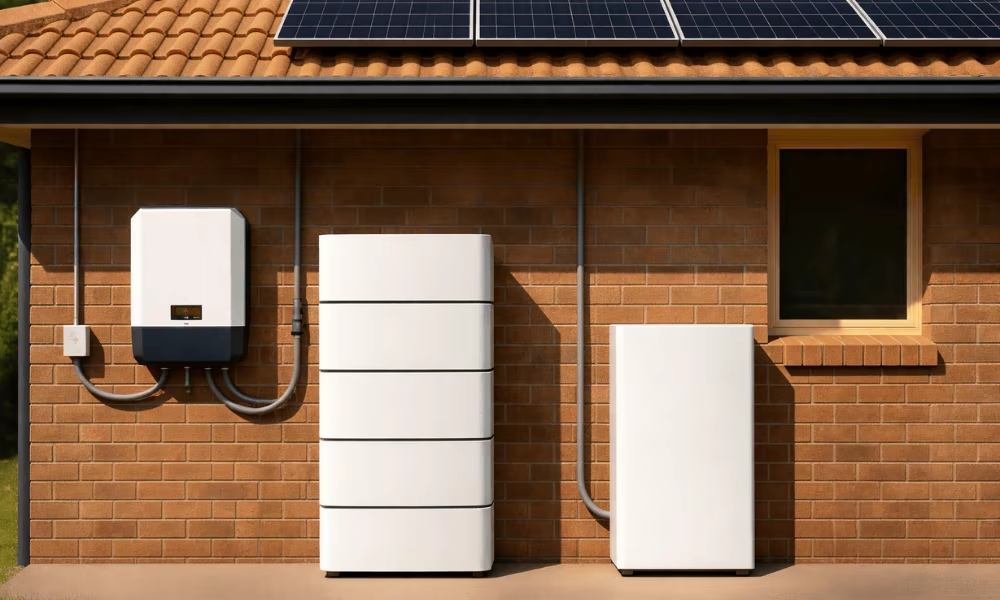
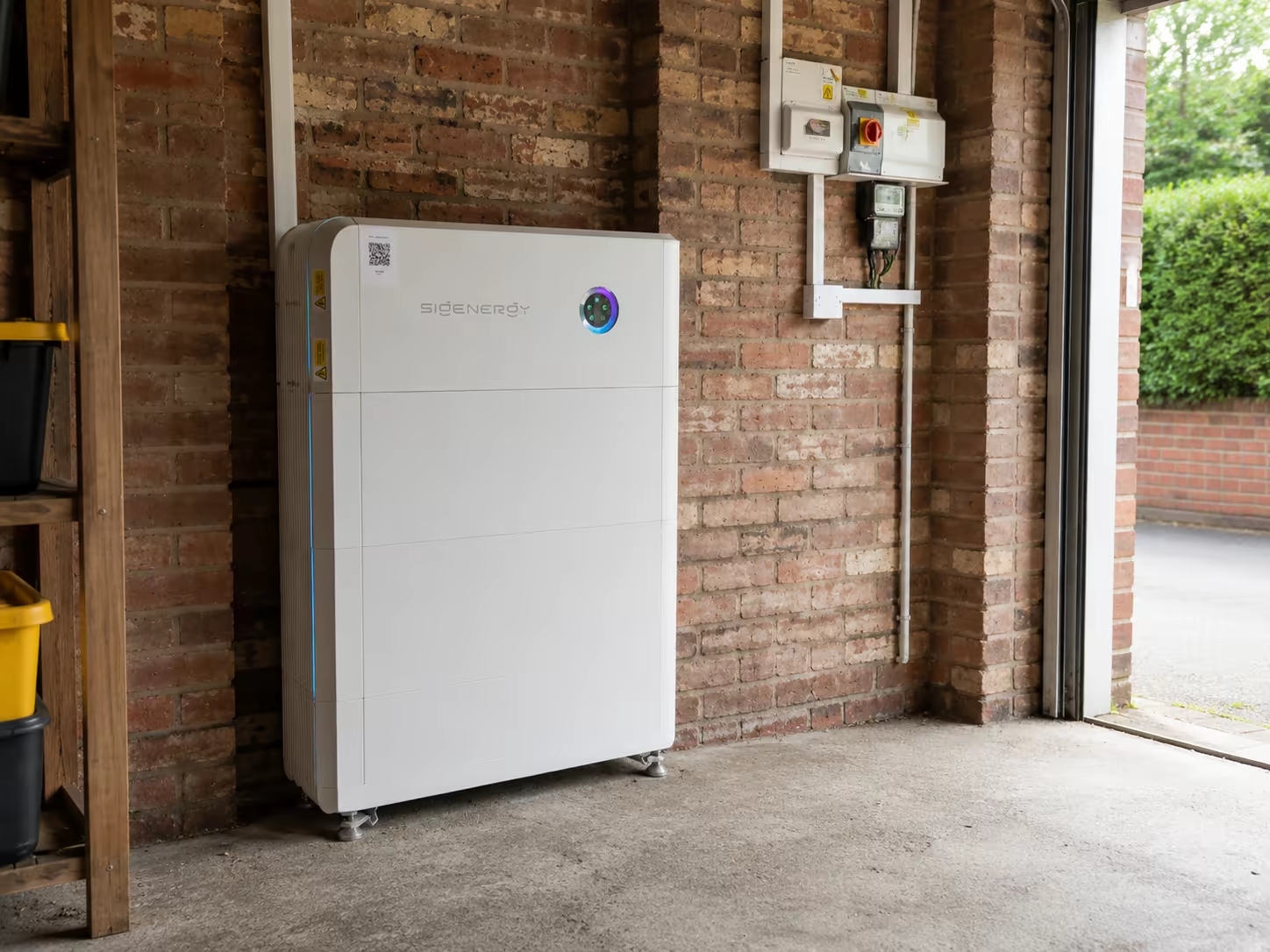
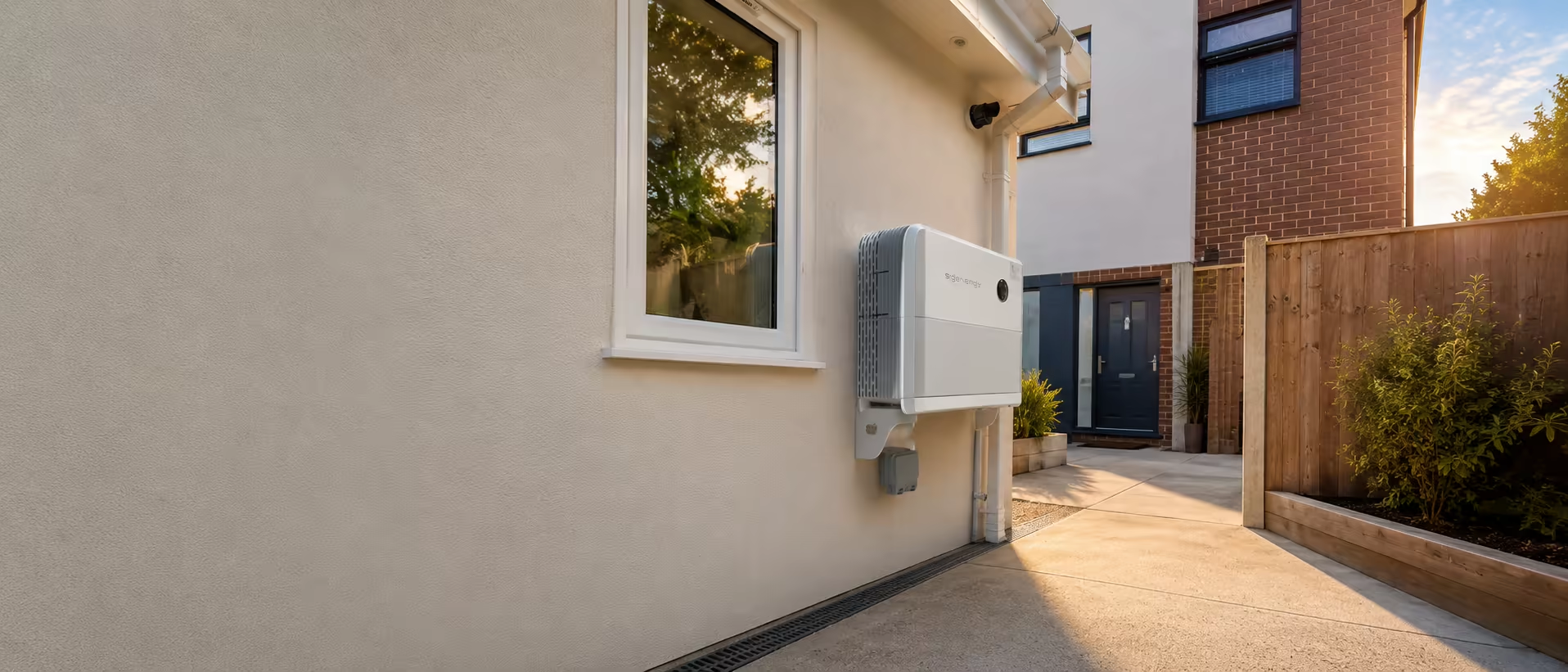
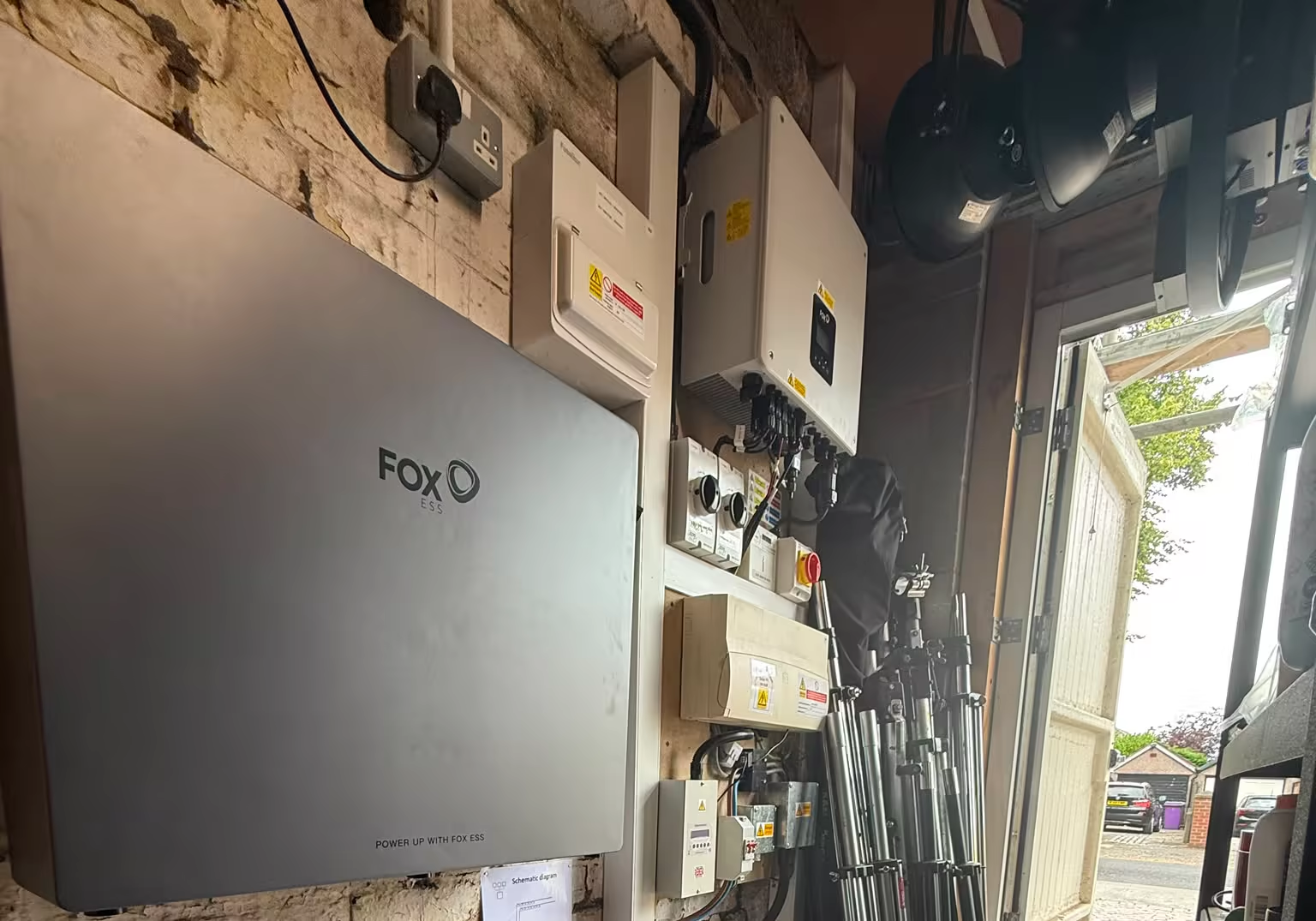
- Battery requirements
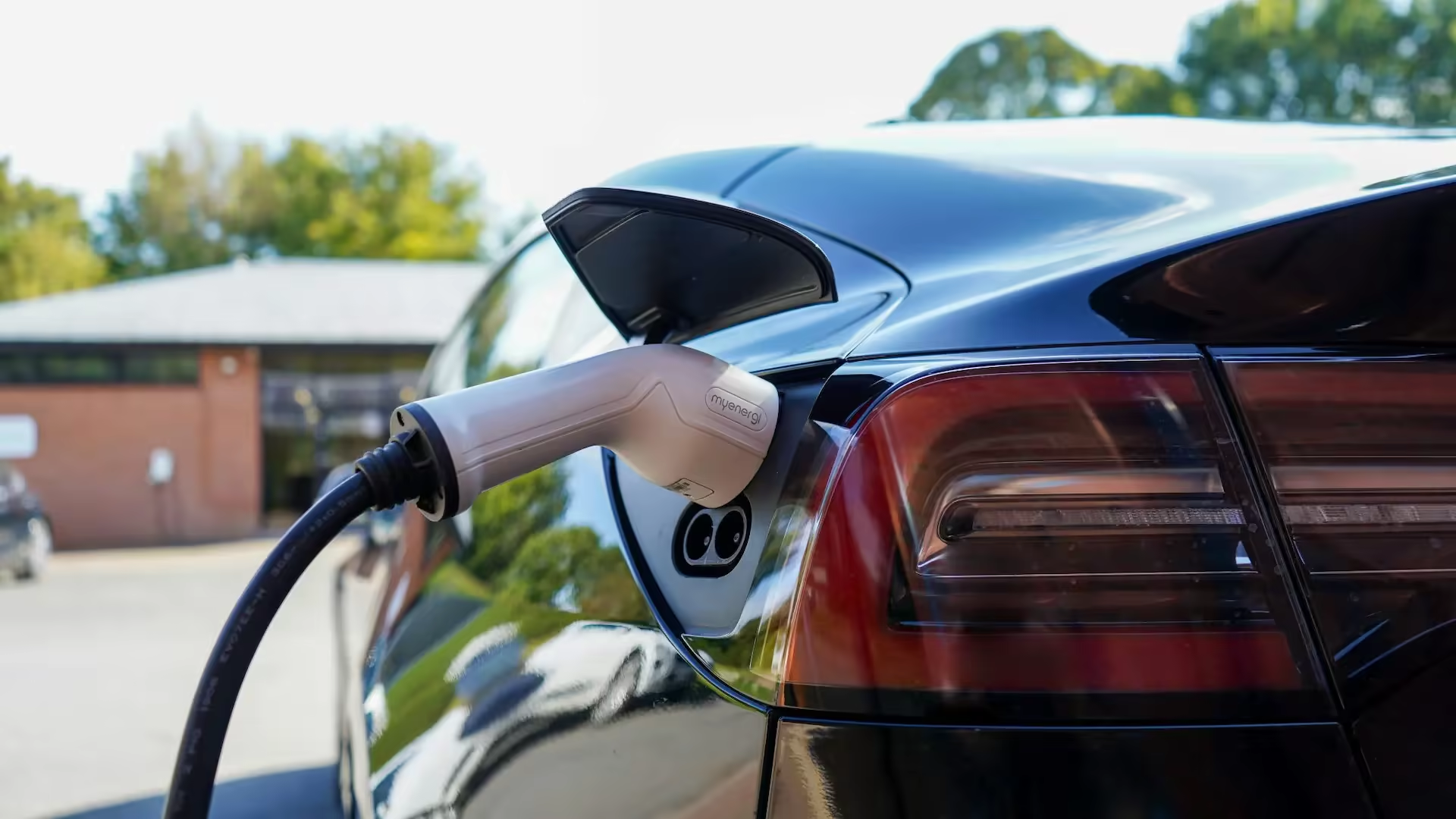
- Future EV charging
At Generating Energy, we assess the property before recommending a system. If you’re wondering whether your Liverpool roof is suitable for solar panels, contact our team for a free assessment and tailored design.