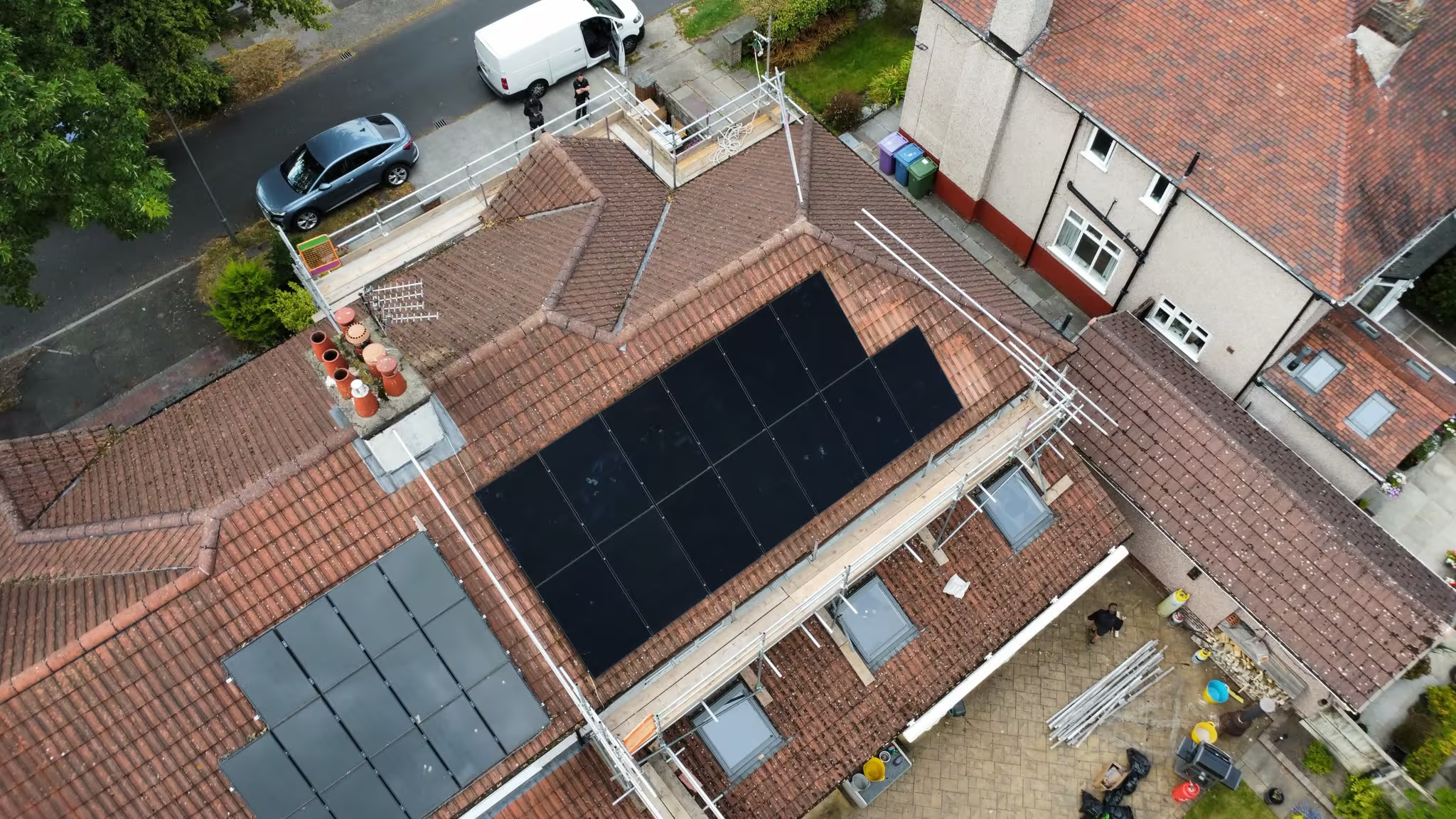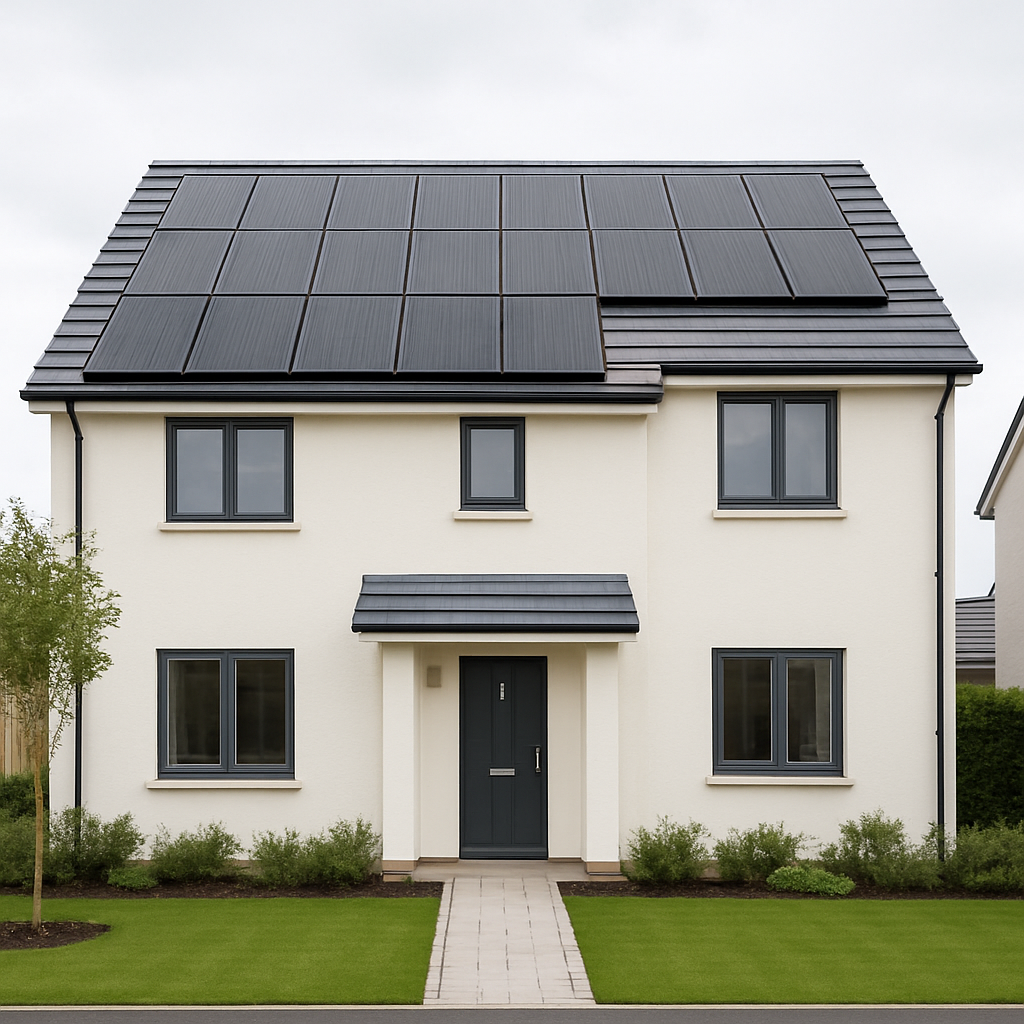

If you’re thinking about installing solar panels on your Liverpool home, one of your first questions may be whether you need planning permission. For most homeowners, the answer is usually no.
Many domestic solar panel installations in England can be completed under permitted development rights, which means a full planning application isn’t normally required. However, important exceptions can apply, especially in a city such as Liverpool where there are conservation areas, listed properties and Article 4 directions.
Do most homes need planning permission for solar panels?
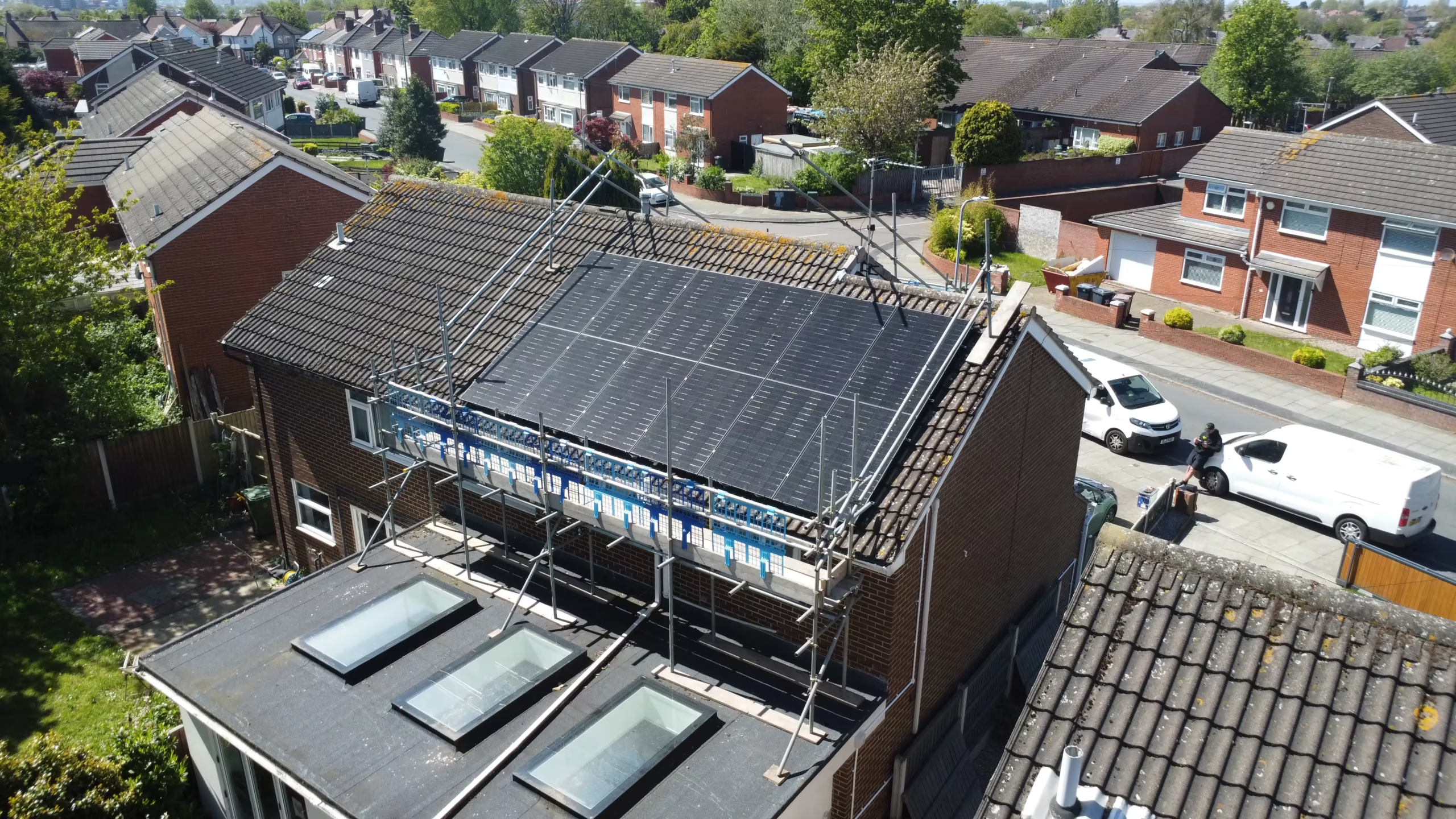
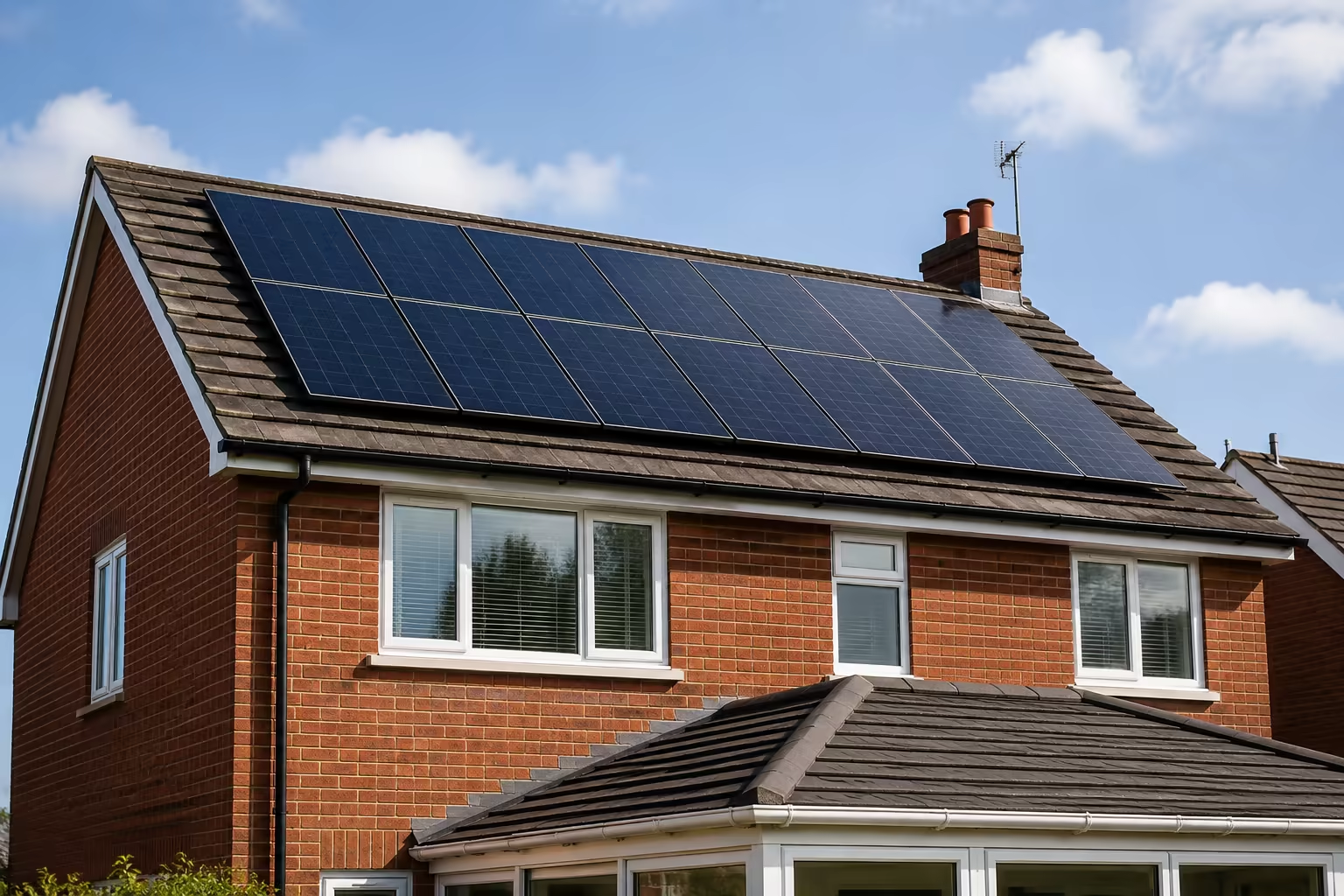
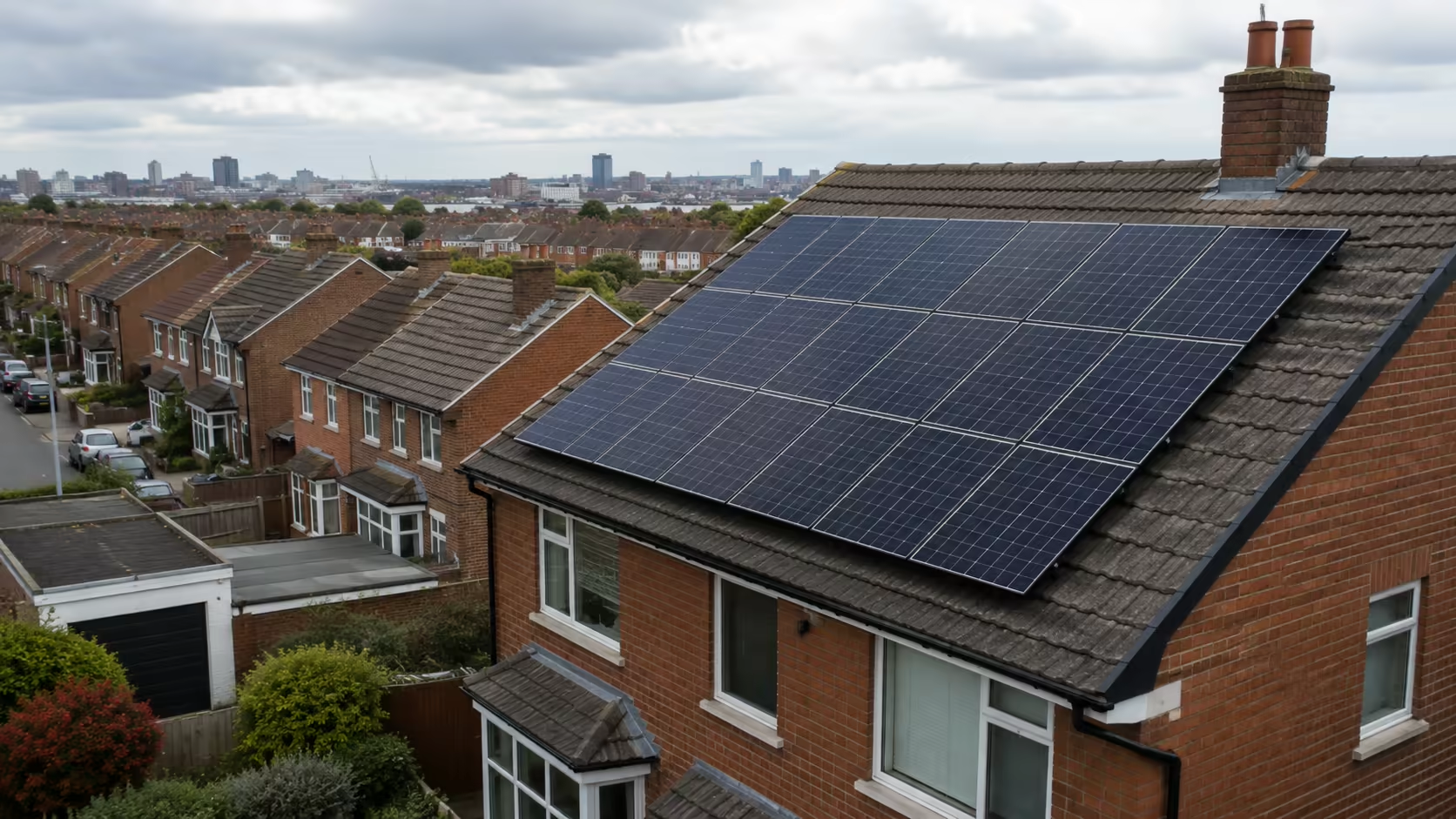
Roof-mounted solar panels can often be installed on a standard domestic property without applying for full planning permission. This normally falls under permitted development, provided the installation meets the relevant conditions.
Factors that may need to be considered include:
- The position of the panels
- How far they project from the roof
- Their visual impact
- The property’s location
- The type of building
- Whether the building is listed
- Whether the property is in a conservation area
The requirements should always be checked for the individual property before installation begins.
What is permitted development?
Permitted development rights allow certain improvements to be completed without making a full planning application. Solar panels are often covered by these rights.
The general principle is that solar equipment should be positioned to minimise its effect on the appearance of the building and surrounding area. This is relatively straightforward for many conventional residential installations, but permitted development rights can be restricted or removed in certain locations.
What about conservation areas in Liverpool?
Liverpool has a significant number of conservation areas, including:
- Childwall Abbey
- Woolton Village
- Mossley Hill
- Sefton Park
- St Michaels Hamlet
- Lark Lane
- Grassendale
- Cressington
- Princes Park
- West Derby
- Wavertree Garden Suburb
Living in a conservation area doesn’t automatically mean you can’t install solar panels. However, additional planning restrictions may apply. The visibility of the panels from the road and their effect on the character of the property may require further consideration.
Solar installations in conservation areas should therefore be assessed individually.
What is an Article 4 direction?
An Article 4 direction is an additional planning control that allows a local authority to remove certain permitted development rights. Liverpool has Article 4 directions covering a number of areas.
This means work that wouldn’t normally require planning permission may need approval. If your property is within an Article 4 area, it’s important to check the requirements before installation rather than assuming the panels will automatically qualify as permitted development.
What if my home is listed?
Listed buildings require more careful consideration. Listed building consent may be required before solar panels can be installed, although this doesn’t necessarily mean solar is impossible.
The proposed design may need to account for the architectural and historic significance of the building. Possible approaches could include:
- Using a less visible roof elevation
- Installing panels on an outbuilding
- Considering a ground-mounted system
- Designing the layout to reduce its visual impact
The important point is to establish the planning and consent requirements before work begins.
What about flats and apartments?
Flats and apartments can be more complicated. Even if the building is suitable for solar, an individual resident may not have automatic rights over the roof.
Depending on the property, permission may be required from:
- The freeholder
- The landlord
- The management company
- Other leaseholders
Planning rules for flats can also differ from those applying to ordinary houses. If you live in a flat or apartment, check the ownership and planning requirements before obtaining a final solar design.
Does a flat roof change anything?
It can. Flat-roof solar installations often use frames to position the panels at an angle, which can affect how high they sit above the roof. Planning rules may restrict how far solar equipment can project above the roof surface.
Flat-roof systems also require careful technical design. Installers need to consider:
- Wind loading
- Panel angle
- Shading between rows
- Roof condition
- Ballast
- Waterproofing
- Safe access
A flat roof can still be suitable for solar, but the installation needs to be designed properly.
What about ground-mounted solar panels?
If the roof is unsuitable, a ground-mounted solar system may sometimes provide an alternative. However, ground-mounted panels have different permitted development requirements.
The size, height and location of the installation can affect whether planning permission is required. Larger garden installations and properties in protected areas may require specific planning advice.
Planning permission and building regulations are different
Even when solar panels don’t require planning permission, the installation must still meet the relevant building and electrical requirements.
Technical considerations can include:
- Roof structure
- Additional weight
- Electrical safety
- Cable routes
- Fire safety
- Inverter installation
- Battery installation
- Earthing and electrical protection
Planning permission deals mainly with whether a proposed development is acceptable. Building regulations and electrical standards deal with whether the work is safe and technically compliant. They are separate requirements.
What about battery storage?
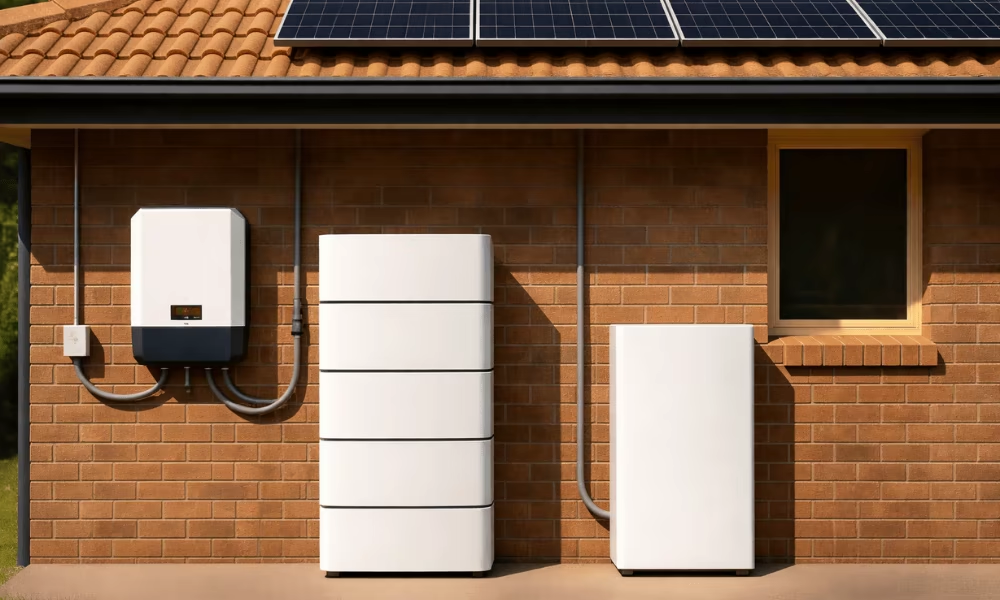
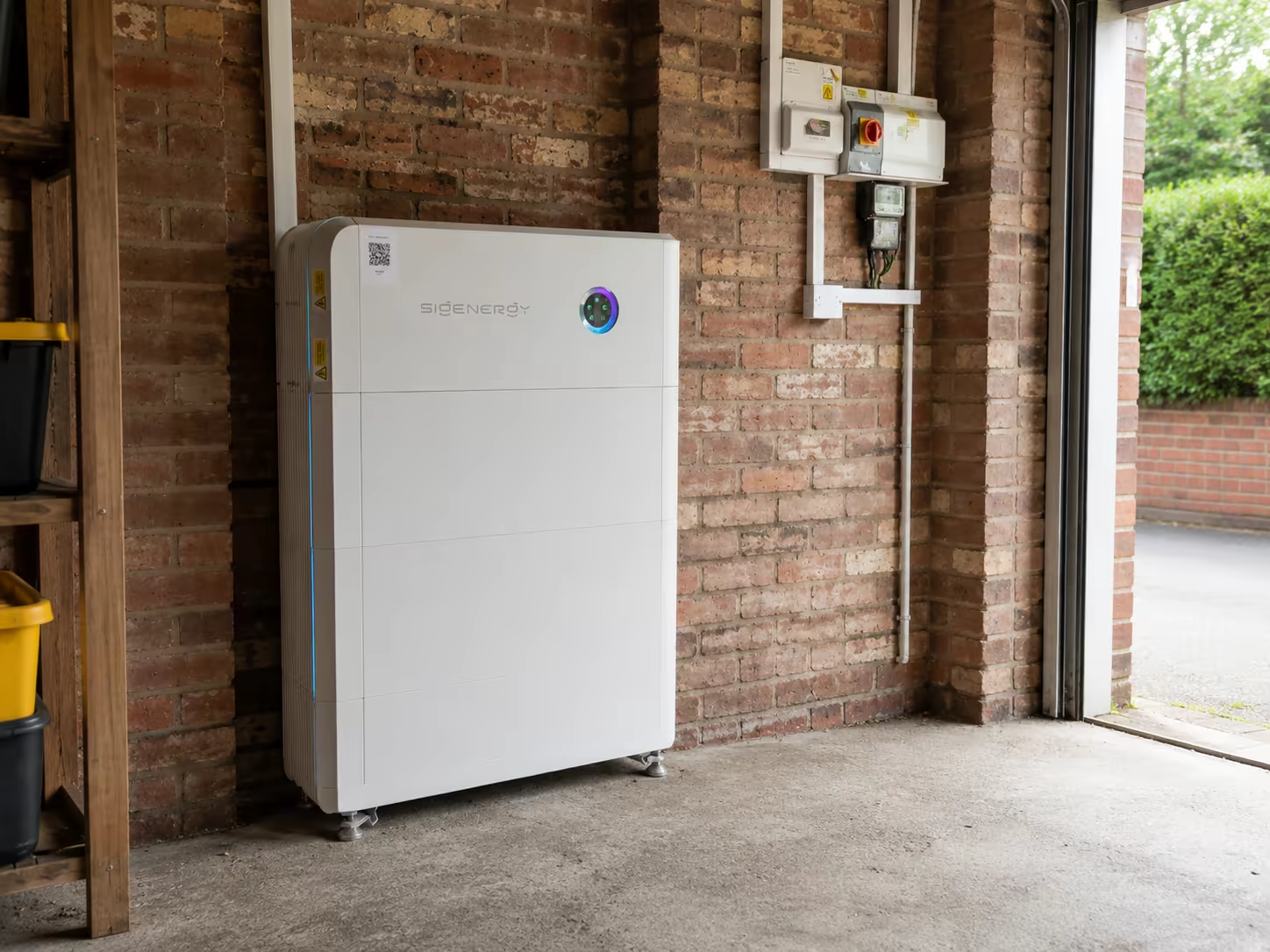
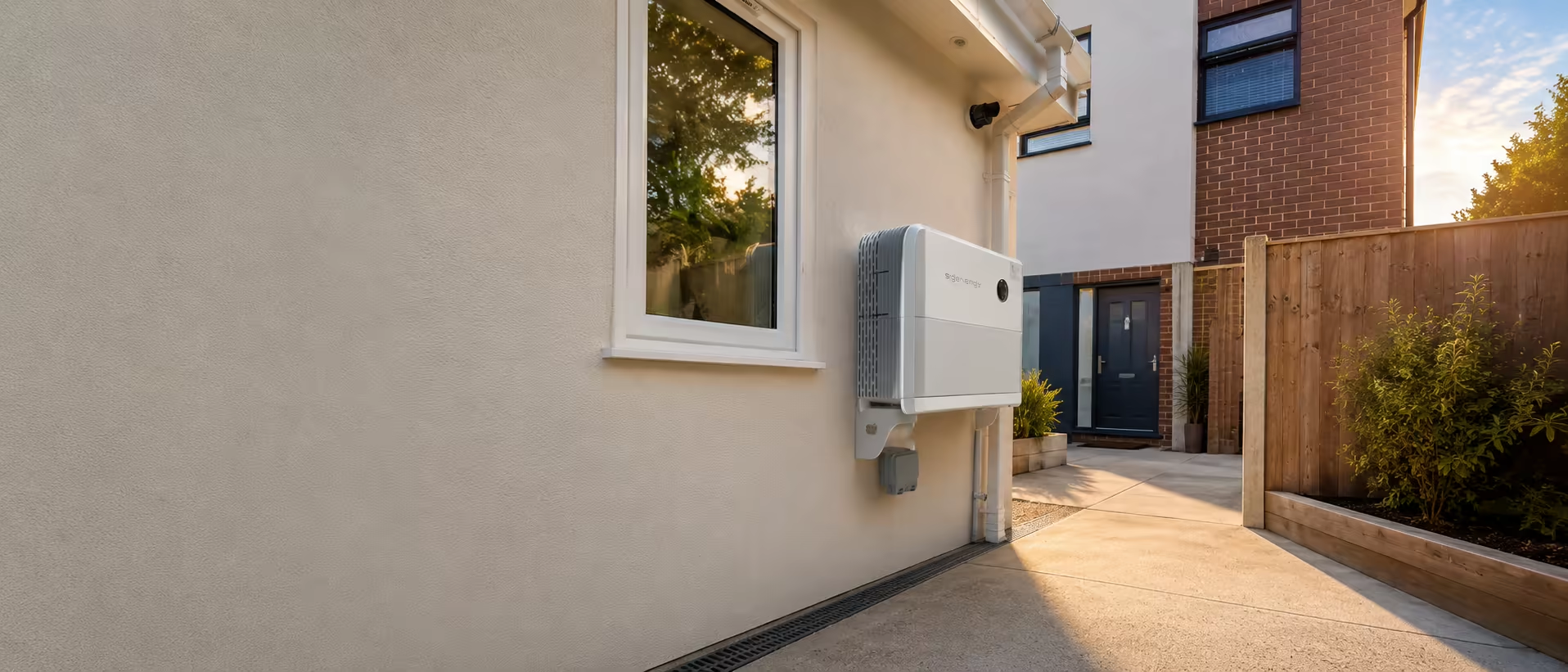
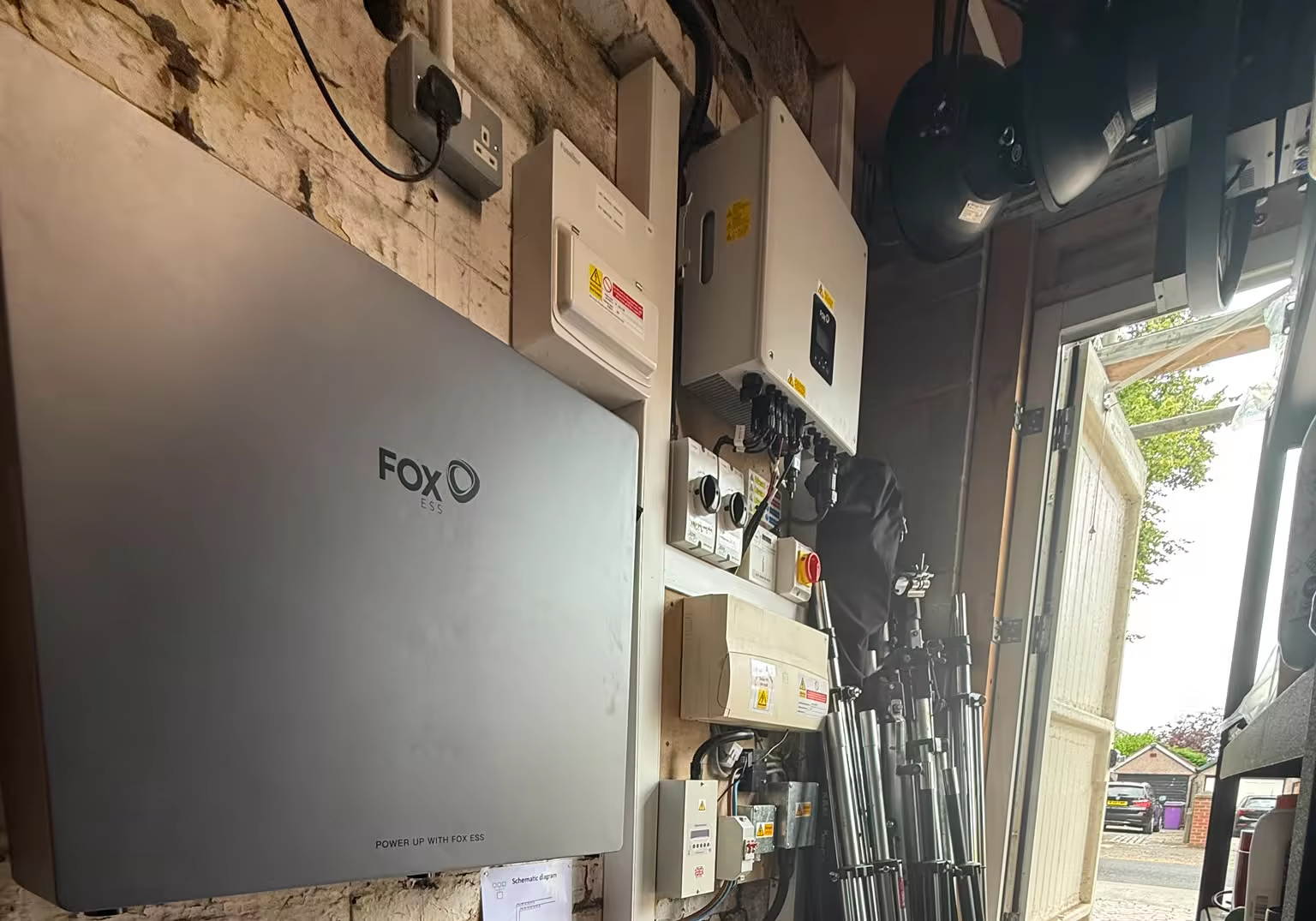
Battery storage doesn’t normally create the same planning concerns as roof-mounted solar panels, but the battery must still be installed in a suitable location.
Considerations may include:
- Manufacturer requirements
- Access
- Ventilation
- Weather protection
- Distance from doors and windows
- Electrical regulations
- Fire safety
- Cable routes
The battery location should be considered as part of the overall system design rather than treated as an afterthought.
Will a solar installer check the planning requirements?
A professional installer should identify obvious planning concerns during the design and survey process. Issues should be raised before installation if a property is listed, located in a conservation area, subject to unusual restrictions, arranged as a flat or fitted with a complex roof design.
At Generating Energy, we assess the property before designing the system. This helps identify potential issues before equipment is ordered or installation work begins.
Does living in Liverpool make solar more complicated?
Not for most properties. Liverpool has thousands of homes that are suitable for solar, but the city also has a wide variety of building types, including:
- Modern housing developments
- Victorian terraces
- Large detached homes
- Listed buildings
- Properties in conservation areas
- Flat-roof properties
- Apartment buildings
There isn’t one solar design that will work for every property. The system needs to suit the building, its roof and any restrictions affecting it.
Frequently asked questions
Do solar panels normally need planning permission in Liverpool?
Most standard domestic roof-mounted solar installations can often be completed under permitted development, provided the relevant conditions are met.
Can I install solar panels in a Liverpool conservation area?
Potentially, yes. However, additional restrictions can apply, particularly where Article 4 directions are in place. The individual property should be checked before installation.
Can solar panels be installed on listed buildings?
Potentially, but listed building consent may be required. The design will also need to account for the building’s architectural and historic character.
Do flat-roof solar panels require planning permission?
Not always, but different height and positioning requirements can apply. The proposed installation should be assessed individually.
Can Generating Energy assess whether my property is suitable?
Yes. Generating Energy provides solar assessments and tailored system designs for properties throughout Liverpool and the wider North West.
Thinking about solar panels in Liverpool?
Generating Energy installs solar PV, battery storage and EV charging systems across Liverpool and the wider North West. Our engineer-led team considers the property, electricity usage, roof design and any potential planning concerns before recommending a system.
If you’re unsure whether your property is suitable for solar, contact our Liverpool team for a free initial assessment and tailored system design.