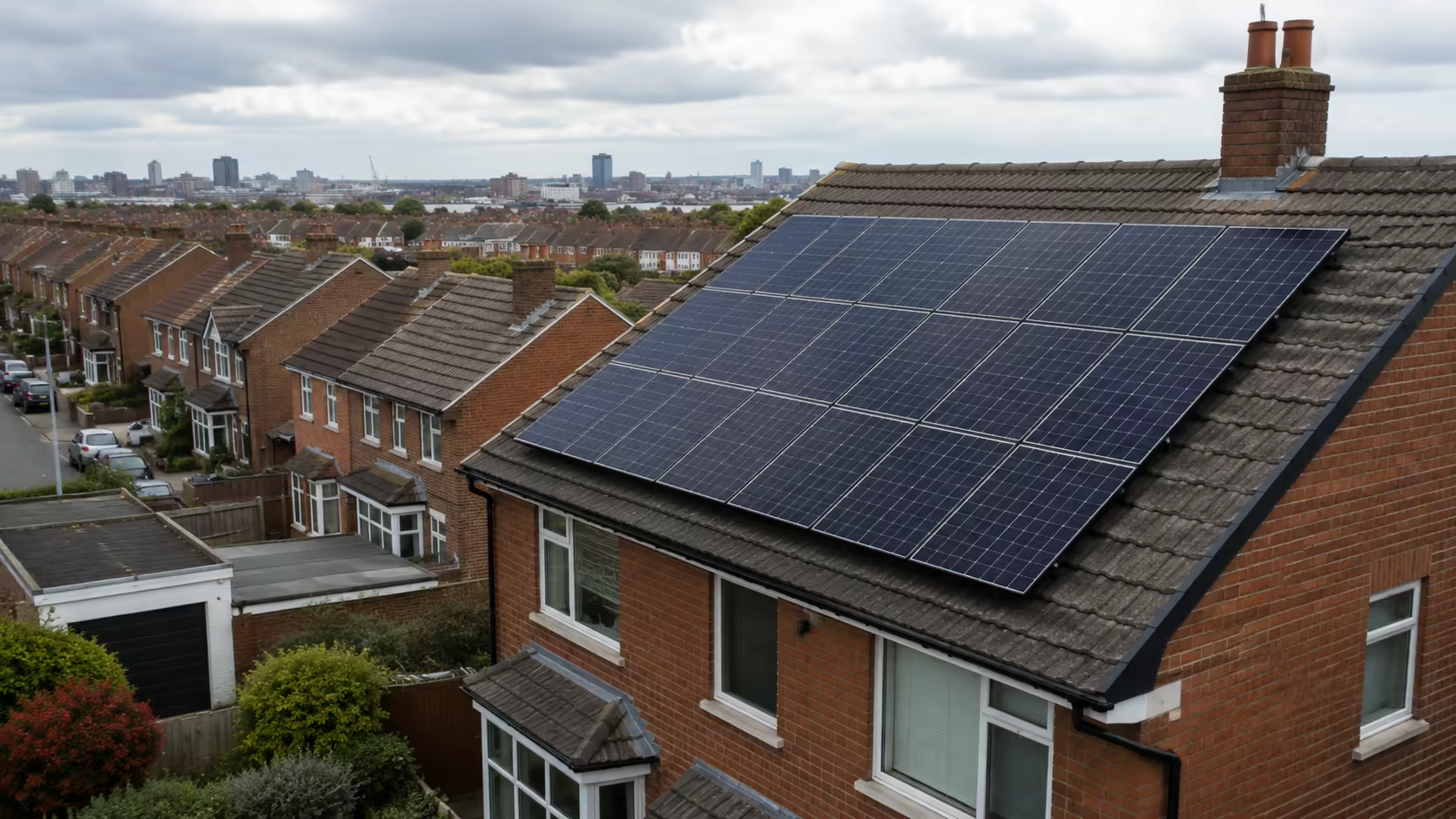

If you’ve started looking into solar panels for your Liverpool home, you’ve probably noticed that prices vary considerably. One company might advertise a surprisingly cheap package online, while another quotes significantly more for what appears to be the same number of panels.
There isn’t one sensible fixed price for a solar installation. A proper quotation depends on the system size, equipment, roof, scaffolding requirements, electrical work, battery storage and, most importantly, how the system has been designed.
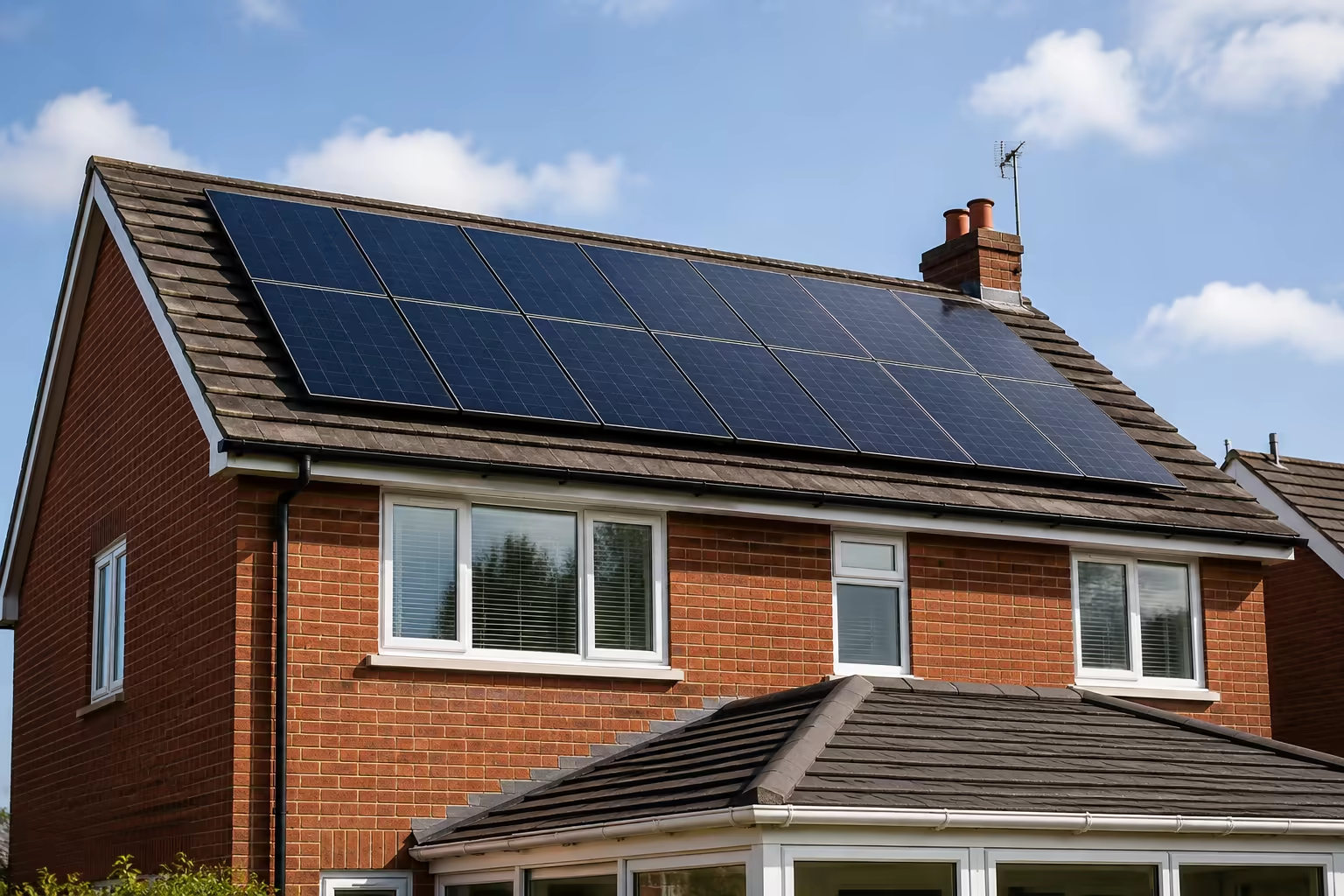
As a national benchmark, Energy Saving Trust currently estimates that a typical domestic solar system of around 3.5kWp costs approximately £6,100 to install. The actual cost can be higher or lower depending on the property and specification, so this figure shouldn’t replace a proper survey.
What determines the cost of solar panels?
It’s tempting to compare solar companies based only on the number of panels. However, 10 panels from one installer won’t necessarily be equivalent to 10 panels from another.
The total cost of a solar installation can be affected by:
- The number and output of the solar panels
- Panel manufacturer and warranty
- Inverter type
- Battery storage
- Roof type and access
- Scaffolding
- The number of roof sections
- Electrical upgrades
- Cable routes
- Monitoring equipment
- Bird protection, where specified
- Backup power equipment
- Installation complexity
- Certification and commissioning
- Aftercare
This is why it’s better to compare the complete system rather than simply looking at the number at the bottom of the quote.
Does a bigger solar system cost more?
Usually, although the price doesn’t always rise in direct proportion to the number of panels. Some installation costs apply whether you fit eight panels or twelve. Scaffolding is still required, an inverter must be installed and the electrical work, testing and commissioning still need to be completed.
Adding extra panels can therefore represent good value when the roof space and household electricity usage justify them. However, that doesn’t mean every homeowner should automatically install the maximum possible number of panels. The additional generation should have a purpose.
At Generating Energy, we design systems around the roof, electricity usage and future plans rather than simply filling every available space with panels.
How much does battery storage add?
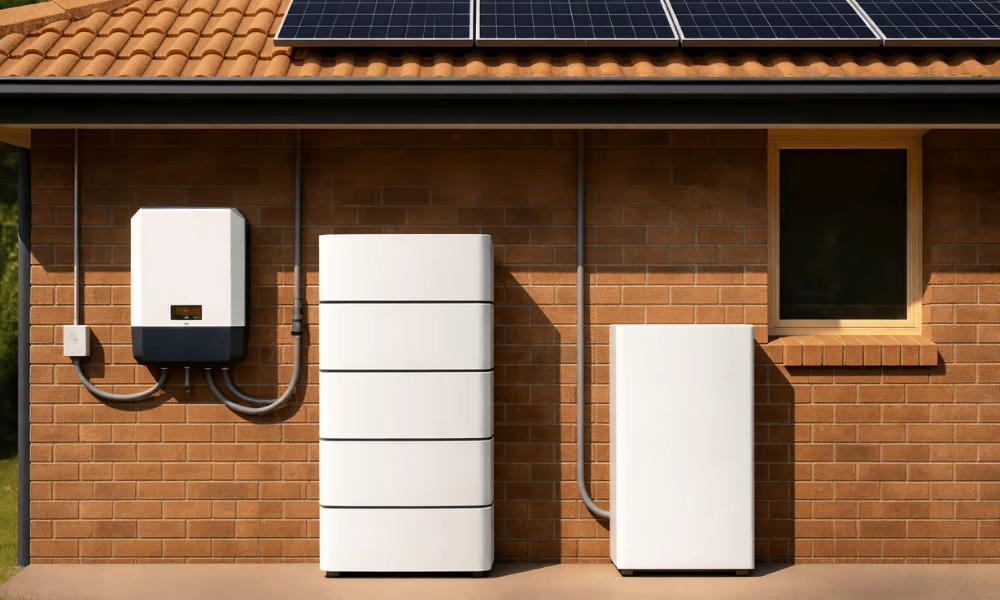
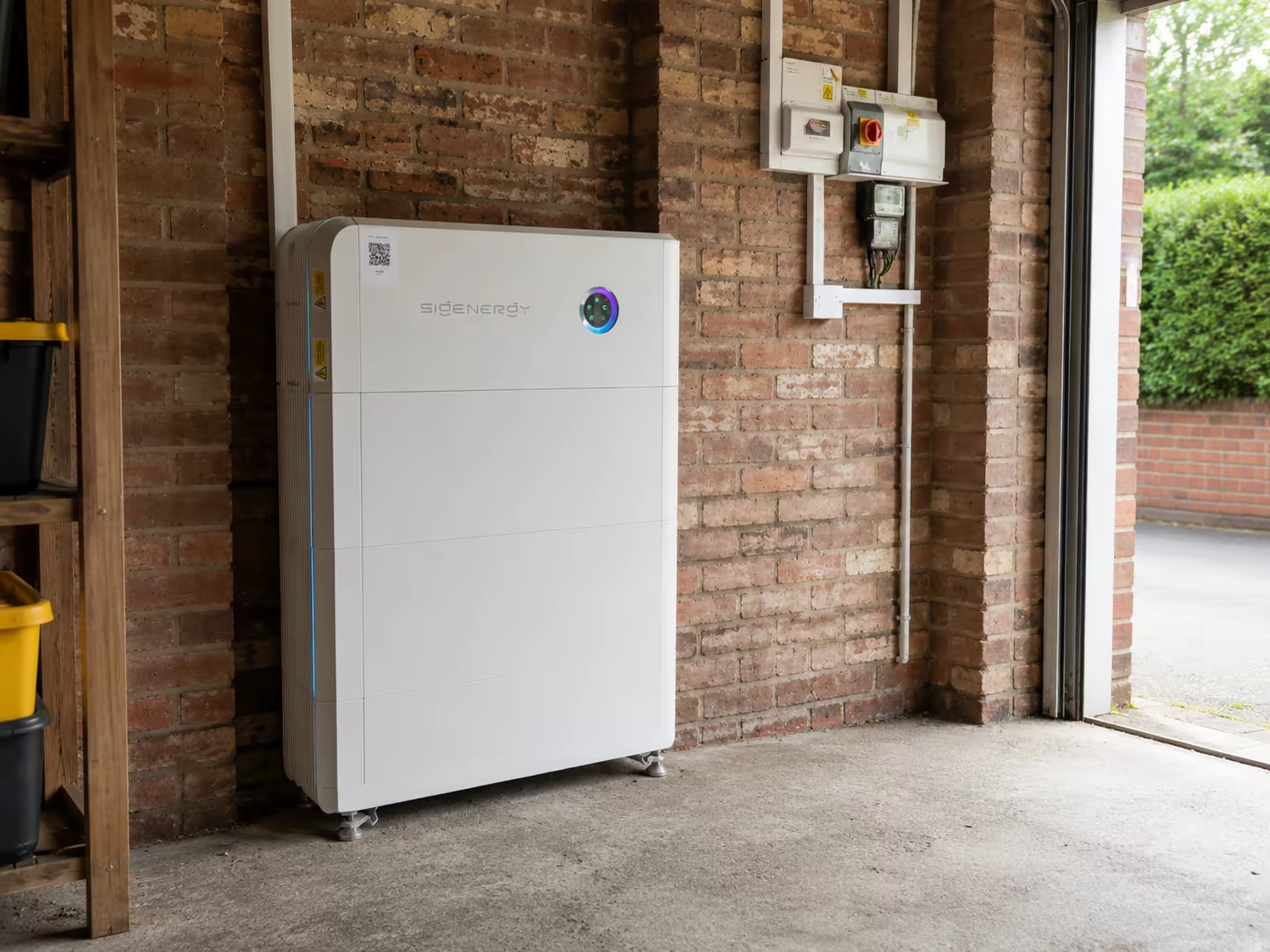
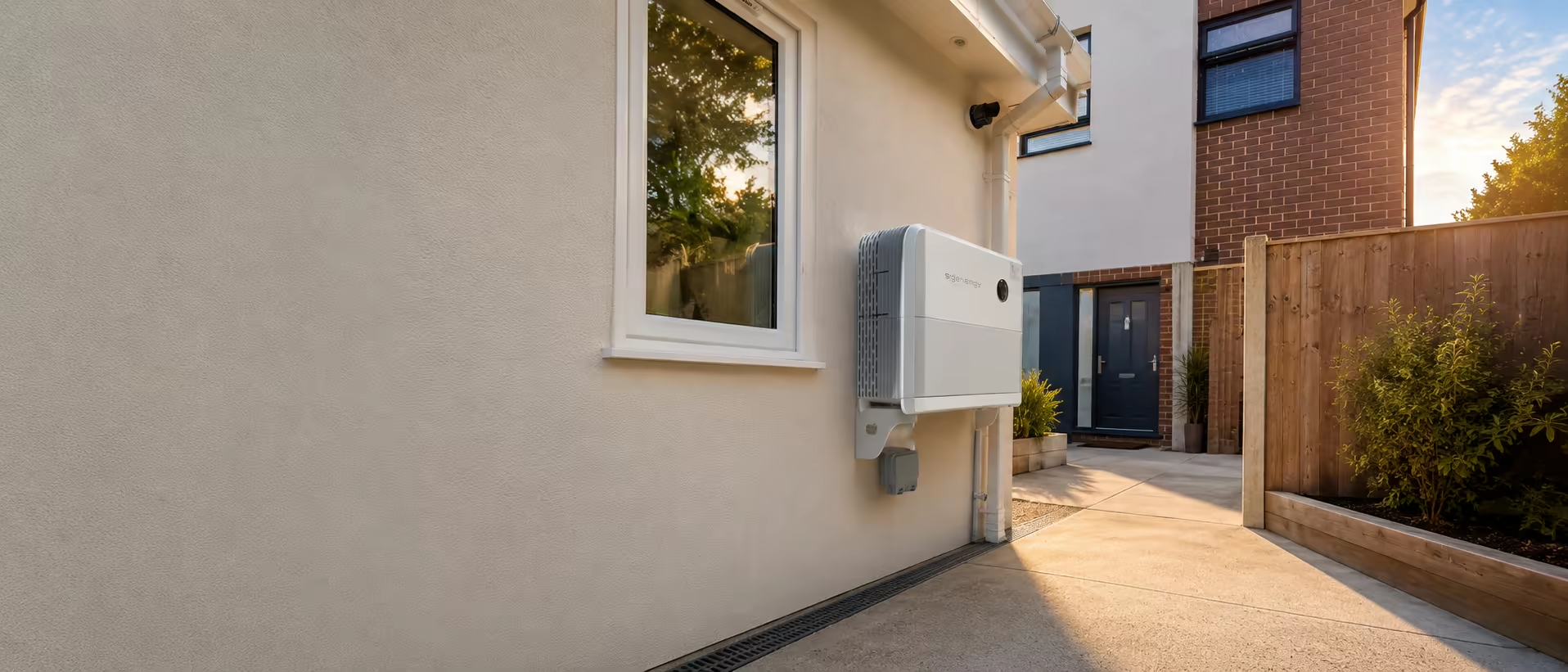
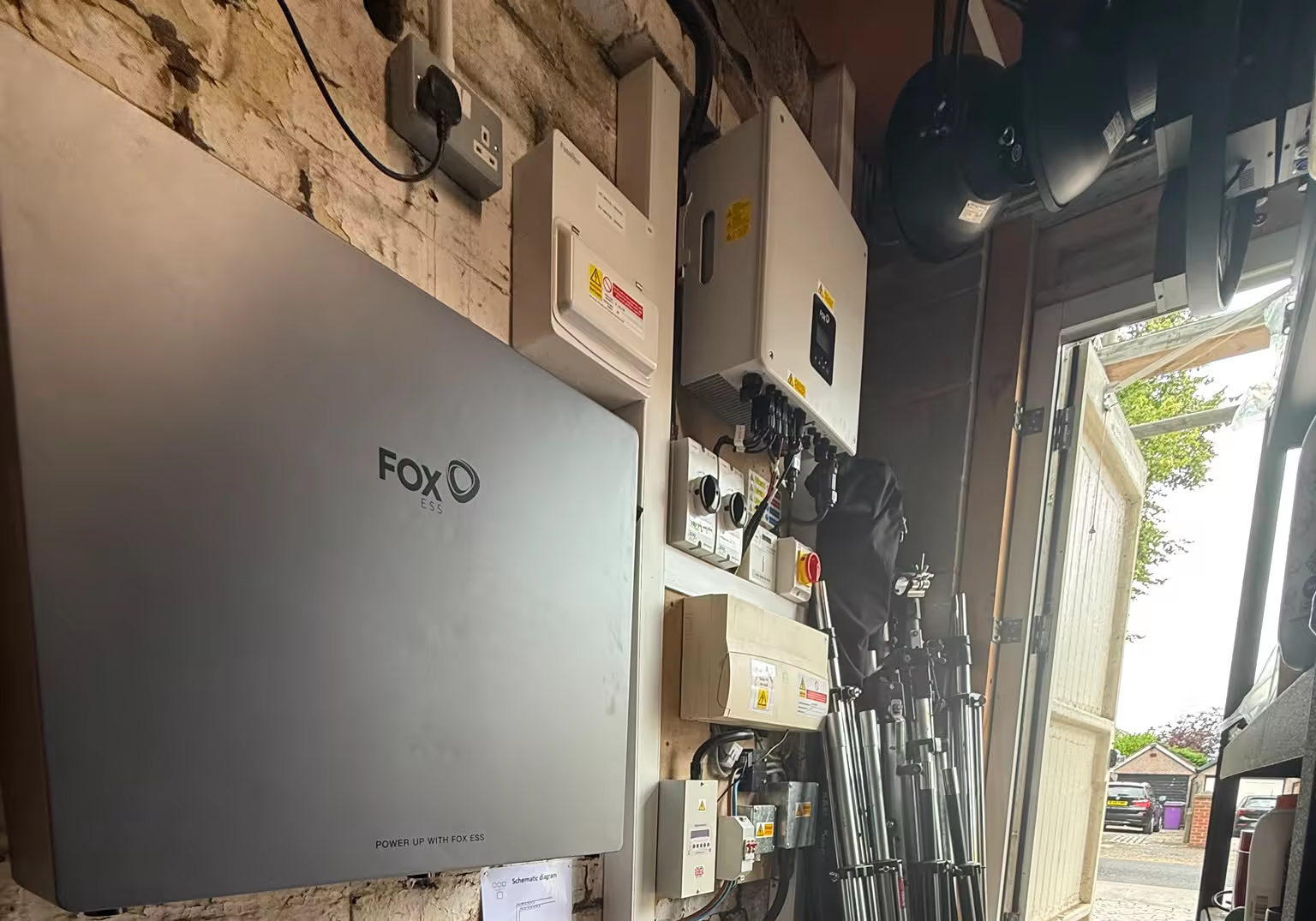
Battery storage is one of the biggest variables in the cost of a solar installation. It allows you to store electricity and use it later instead of relying only on what the panels are producing at that moment. For example, electricity generated at lunchtime could be stored for use during the evening.
Battery prices vary depending on:
- Storage capacity
- Maximum charge and discharge power
- Manufacturer
- Warranty
- Inverter configuration
- Backup capability
- Whether the system is modular
- Installation location
Energy Saving Trust currently gives around £4,600 as a typical figure for a 5kWh domestic battery system. This is a national benchmark rather than a quotation. The most important question isn’t simply how much the battery costs, but what size battery actually suits your home.
Bigger batteries aren’t automatically better
Buying the biggest battery you can afford isn’t necessarily the best option. If you install far more capacity than your home can realistically use, you may spend money on storage that provides little additional benefit. A battery that’s too small, however, may regularly run out before the period when your household uses the most electricity.
The correct size depends on factors including:
- Annual electricity use
- Evening and overnight consumption
- Solar system size
- EV charging
- Heat pump use
- Time-of-use electricity tariffs
- Future energy consumption
- Whether backup power is important
This is why we ask customers about their actual electricity consumption before designing a solar and battery system.
Real Liverpool homes don’t all need the same system
Our installations around Liverpool demonstrate how different solar and battery systems can be. Examples include:
- 5.85kWp solar with 20kWh battery storage in Childwall
- 3.36kW solar with 20kWh battery storage in Aigburth
- 8.1kW solar with 5kWh battery storage in Bootle
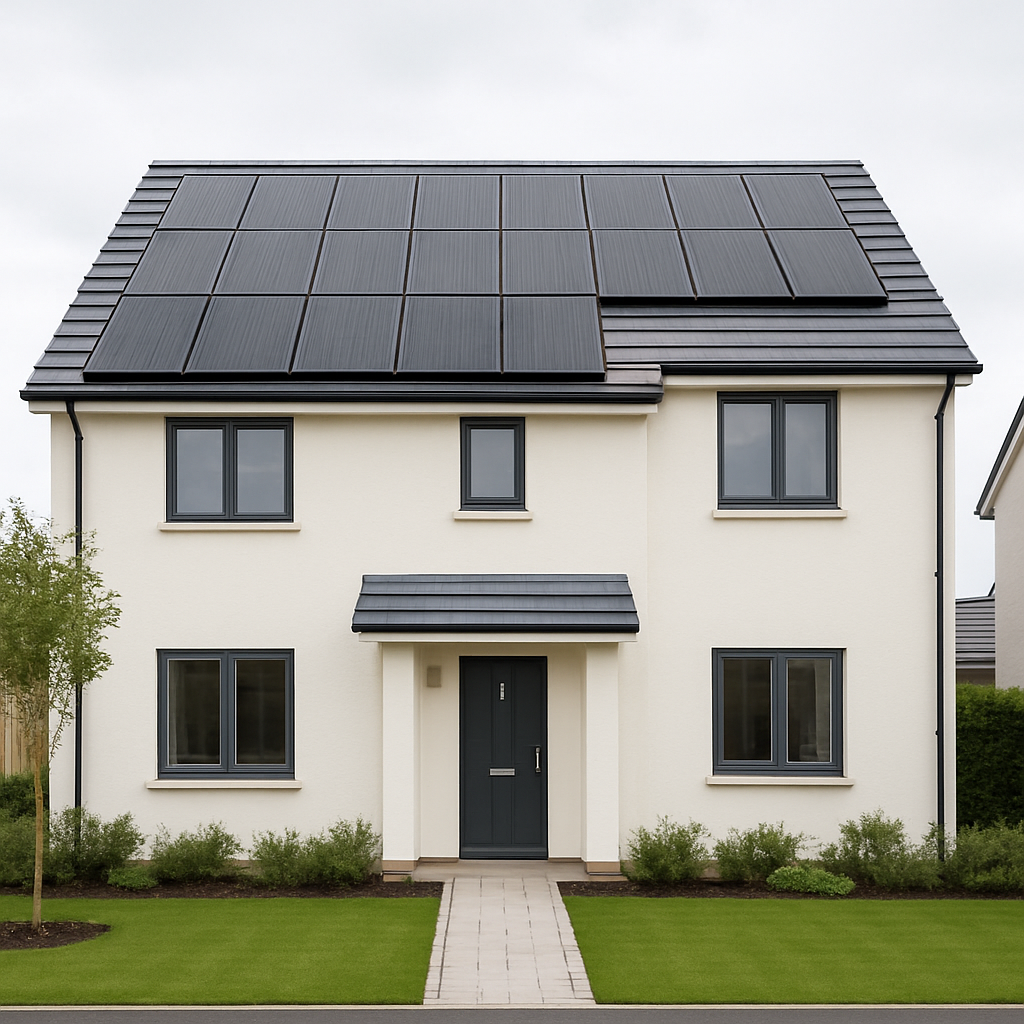
- 2.73kWp solar arrays on new-build properties in Toxteth
These properties are in the same city, but they have different requirements and different systems. This is why we’re cautious about universal 10-panel packages offered without first understanding the property.
Does scaffolding affect the price?
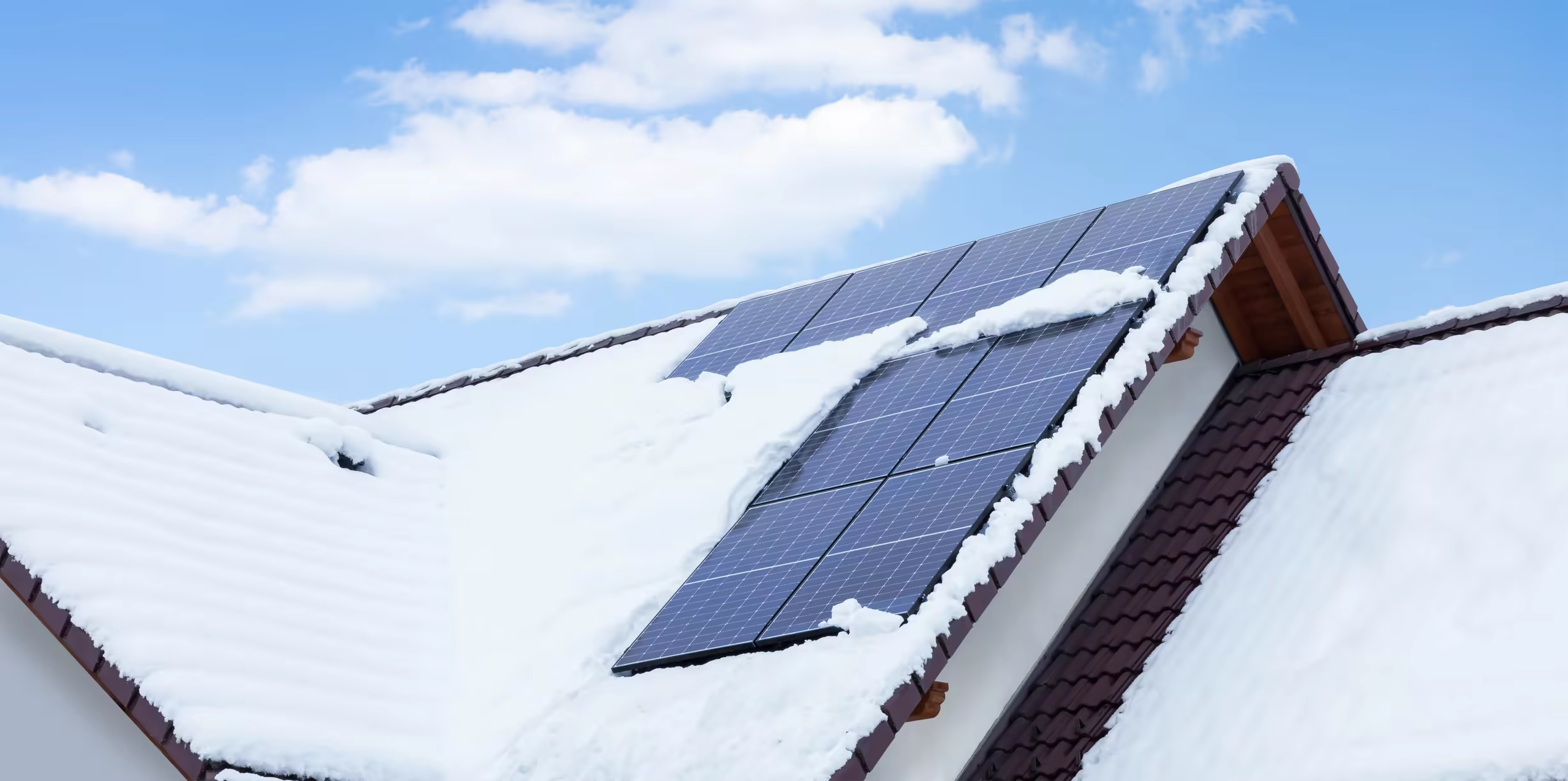
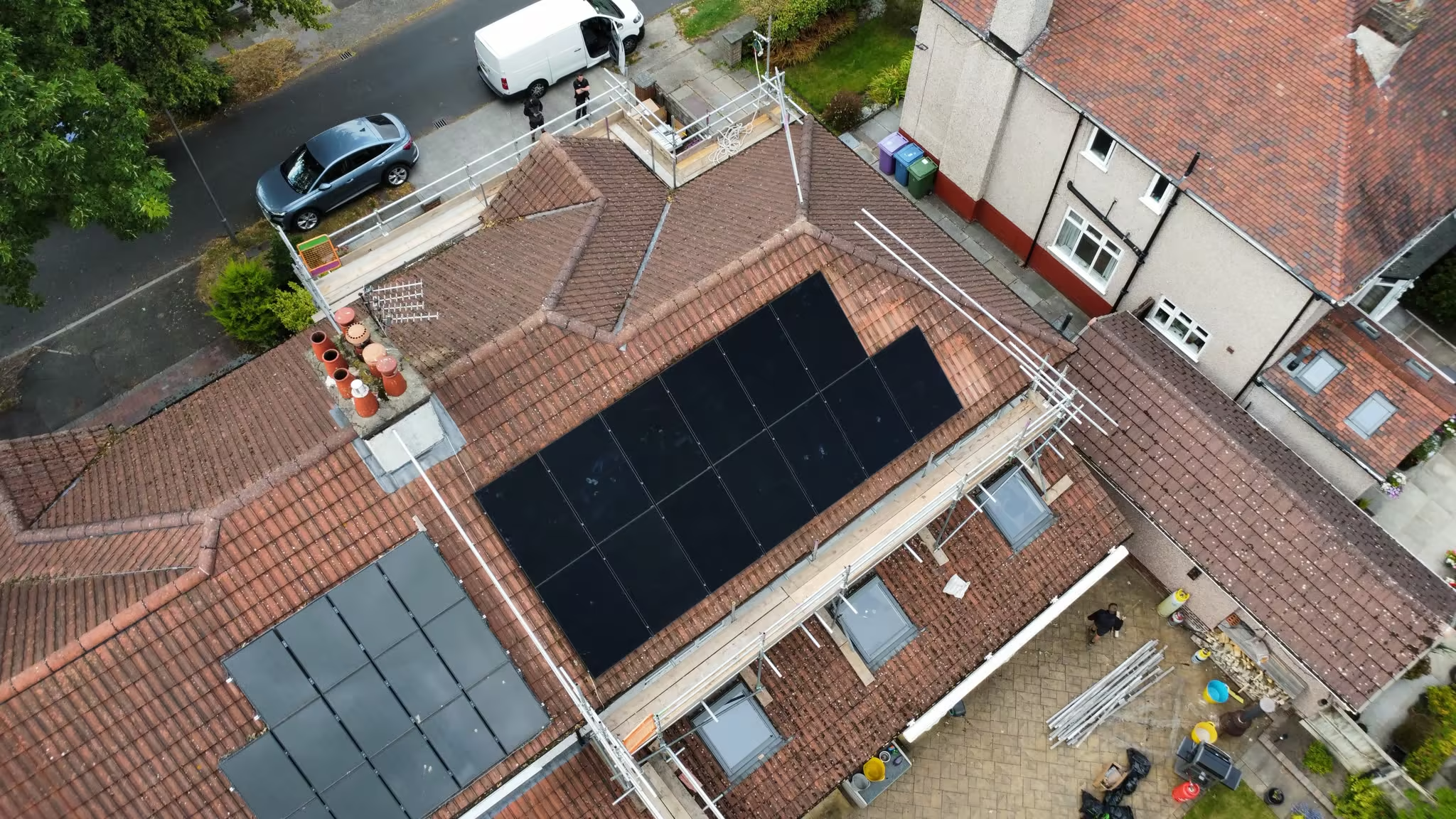
Yes. Safe roof access is an important part of a professional installation, and the amount of scaffolding required depends on the property layout, roof sections and access.
A simple front-and-back installation on an easily accessible property may be relatively straightforward. A system spread across several roof elevations could require more involved access. This should be identified when the installer assesses the property.
If one solar quote is dramatically cheaper than another, check whether scaffolding and all required access costs are included.
What about electrical work?
Solar panels are only one part of the installation. The electricity they generate must be integrated safely into the property’s electrical system.
Depending on the property, the work may include:
- Inverter installation
- AC and DC cabling
- Isolation equipment
- Consumer unit work
- Metering
- Battery connections
- Earthing
- Testing
- Grid connection requirements
Every property is slightly different, which is another reason a proper site survey matters.
Is solar currently subject to 0% VAT?
Qualifying residential solar panel installations in Great Britain currently benefit from 0% VAT. Qualifying electrical battery storage installations also currently benefit from the temporary zero rate, including certain standalone battery installations.
Under the present rules, the temporary zero rate is due to run until 31 March 2027. Always check the current position when obtaining a quotation.
Can you earn money from your solar panels?
Eligible solar owners can potentially receive payments for electricity exported to the grid through the Smart Export Guarantee. The rate isn’t fixed nationally. Participating energy suppliers set their own tariffs, terms and rates, so homeowners should compare the available options.
For most households, the financial calculation should consider both the electricity they avoid buying and the amount they may receive for exported electricity. If battery storage is included, the way these two elements interact becomes even more important.
Why can two solar quotes be thousands of pounds apart?
Sometimes one company is simply more expensive, but the proposed systems may also be genuinely different. Before choosing the cheapest quote, compare the following areas carefully.
The panels: Check the make, model, wattage and warranty.
The inverter: Confirm the manufacturer, power rating and whether it’s suitable for battery storage.
The battery: Check its usable capacity, charge and discharge rate, expansion options and backup capability.
The workmanship: Find out who will carry out the installation and who will be responsible if something goes wrong.
The design: Check whether someone has properly assessed your roof and electricity usage.
The projections: Ask how the expected generation and savings have been calculated.
The aftercare: Make sure you know who to contact if a problem develops in two years’ time.
The cheapest quote and the best-value quote aren’t necessarily the same thing.
What should a solar quote include?
A good quotation should make it reasonably easy to understand what you’re buying. It should clearly show:
- The proposed number of panels
- Solar array size in kWp
- Panel make and model
- Inverter specification
- Battery capacity, where applicable
- Expected generation
- Estimated savings
- Roof layout
- Key warranties
- Installation scope
- Total price
If a proposal contains impressive savings figures but very little detail about how they were calculated, ask questions before proceeding.
How Generating Energy prices solar installations in Liverpool
We don’t believe one package suits every house. Generating Energy is a Liverpool-based renewable energy company installing solar PV, battery storage and EV charging systems throughout Liverpool and the wider North West.
Our process starts with the property and the customer. We review your electricity usage, roof, objectives and future plans before designing a system. The resulting quotation is based on what we believe the property actually needs rather than whichever pre-built package happens to be available that month.
Frequently asked questions
How much do solar panels cost in Liverpool?
There is no fixed Liverpool price because the cost depends on the solar array size, equipment, roof access, scaffolding and electrical requirements. Energy Saving Trust currently gives approximately £6,100 as a national benchmark for a typical 3.5kWp domestic system.
Does adding a battery make solar much more expensive?
Battery storage adds to the upfront cost, with the amount depending heavily on its capacity and specification. It should be sized around the household rather than selected purely on price.
Are solar panels VAT-free?
Qualifying residential solar installations in Great Britain currently benefit from 0% VAT under the applicable rules.
Should I choose the cheapest solar quote?
Not automatically. Compare the equipment, system design, warranties, projected generation, installation quality and aftercare alongside the price.
Can I get a free solar quote in Liverpool?
Yes. Generating Energy provides free initial assessments and tailored solar and battery designs for customers across Liverpool and the North West.
Want an accurate solar price for your Liverpool home?
The most useful solar price isn’t an internet average. It’s the cost of a properly designed system for your roof and electricity usage.
If you’re considering solar panels or battery storage in Liverpool, Generating Energy offers a free initial assessment, tailored design and savings projection. Speak directly to one of our engineers to find out what solar could look like for your property.