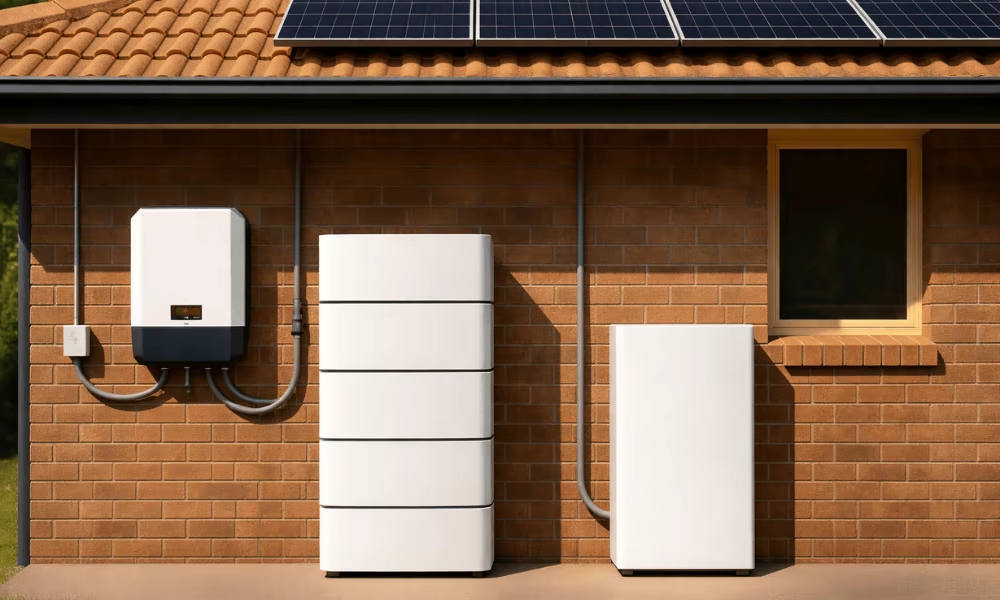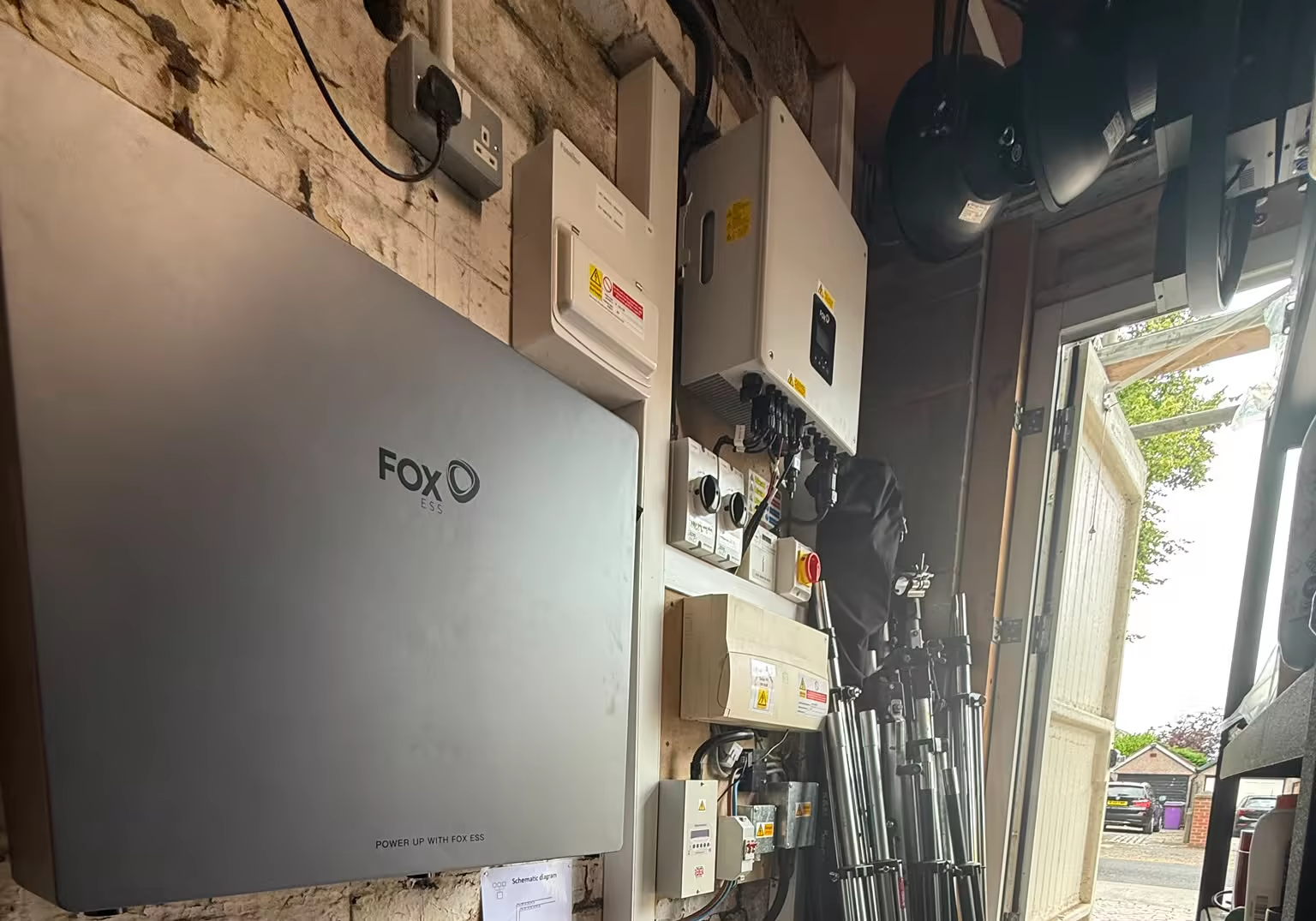

Solar panels and battery storage are often advertised as separate products. In reality, the best results usually come from treating them as parts of one home energy system.
The solar panels determine how much electricity can be generated. The battery determines how much surplus electricity can be stored for later. Household consumption determines how useful both will be. Balancing these three elements is the key to good system design.
Step one: understand your electricity use
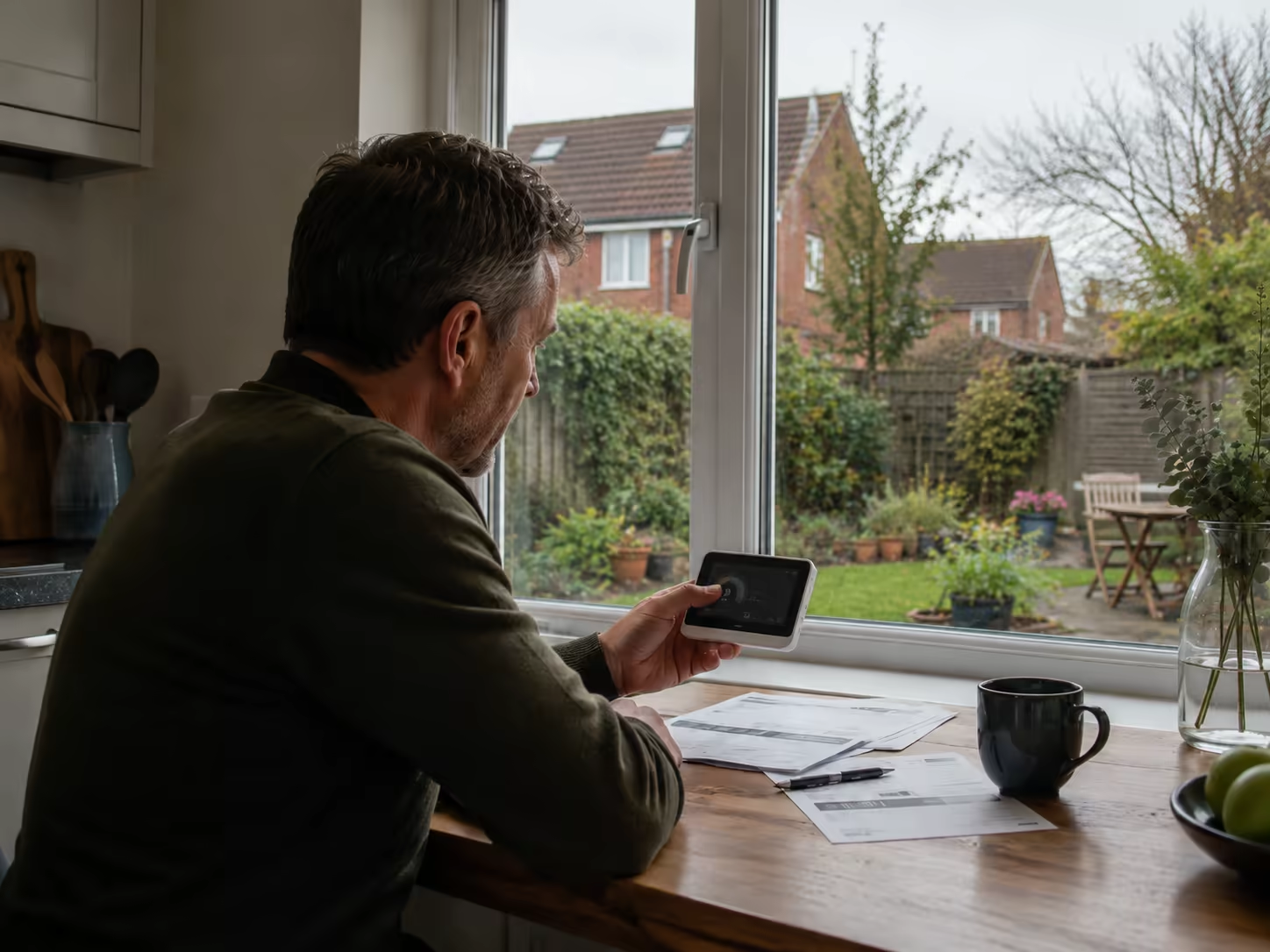
Before discussing panels or batteries, establish how much electricity the property consumes. Annual consumption is useful, but timing is equally important.
Two homes could each use 4,000kWh of electricity per year while having completely different usage patterns. One may consume heavily during daylight hours, while the other is empty all day and uses most of its electricity during the evening. Those homes shouldn’t automatically receive identical systems.
Step two: assess the roof
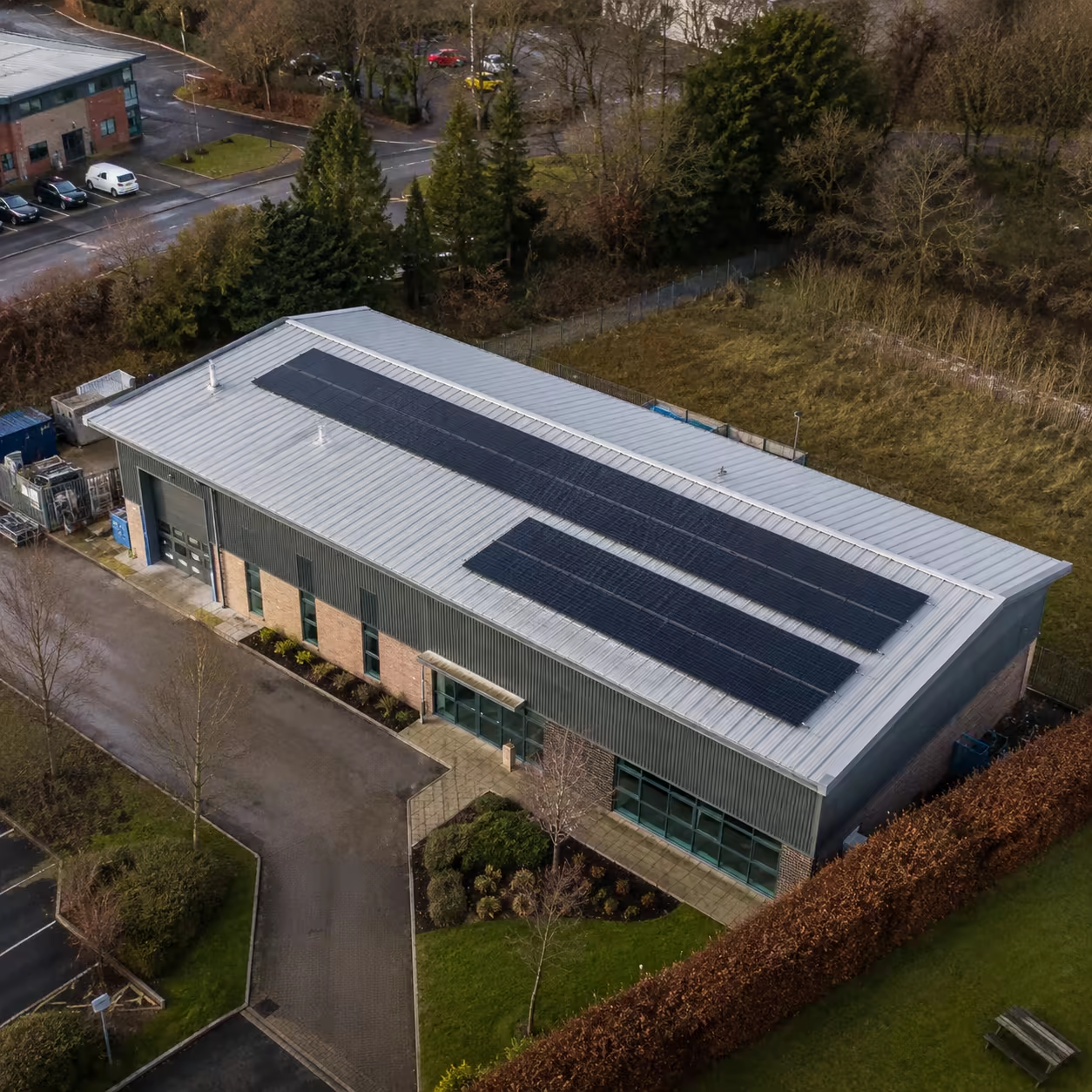
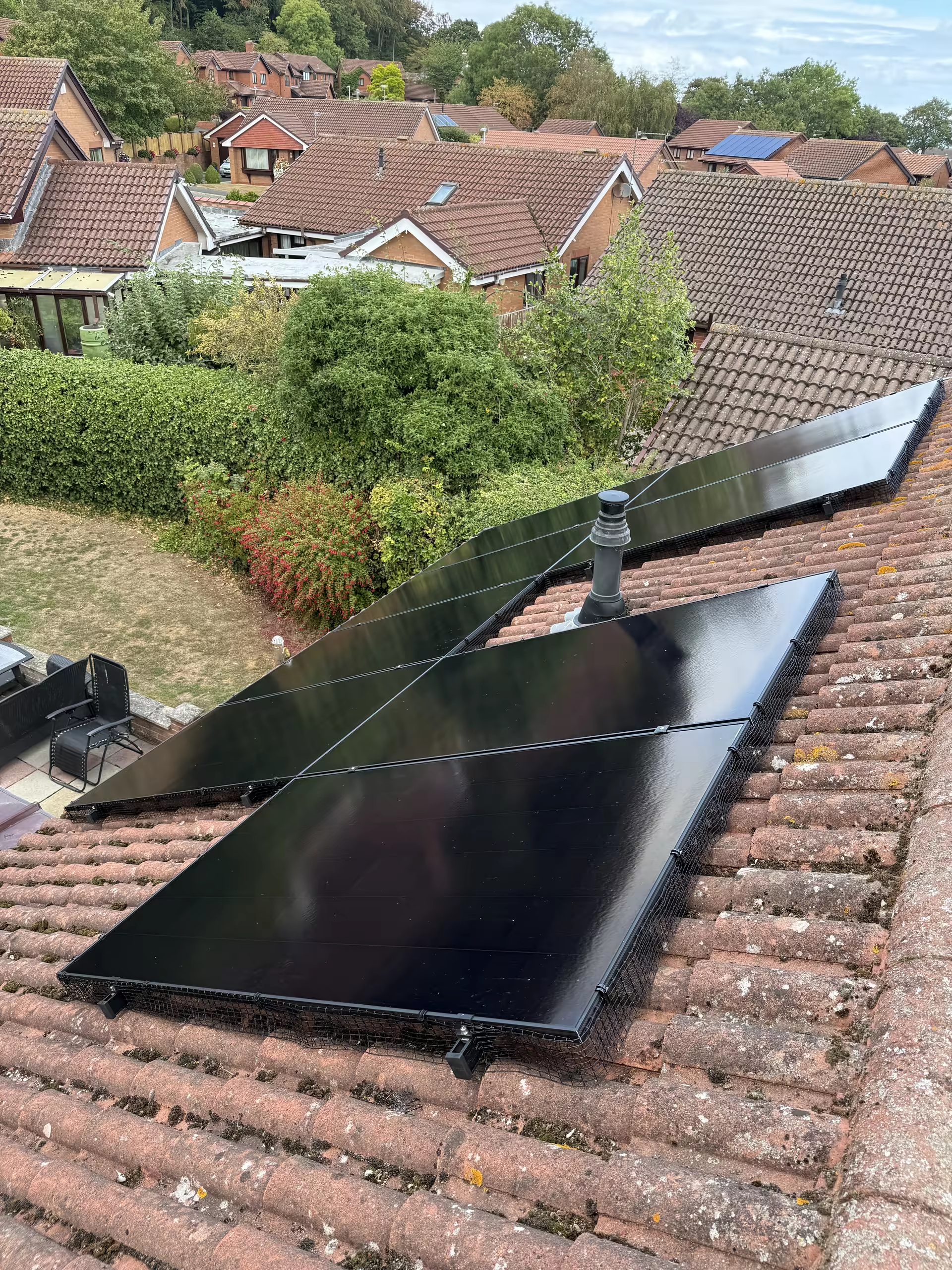
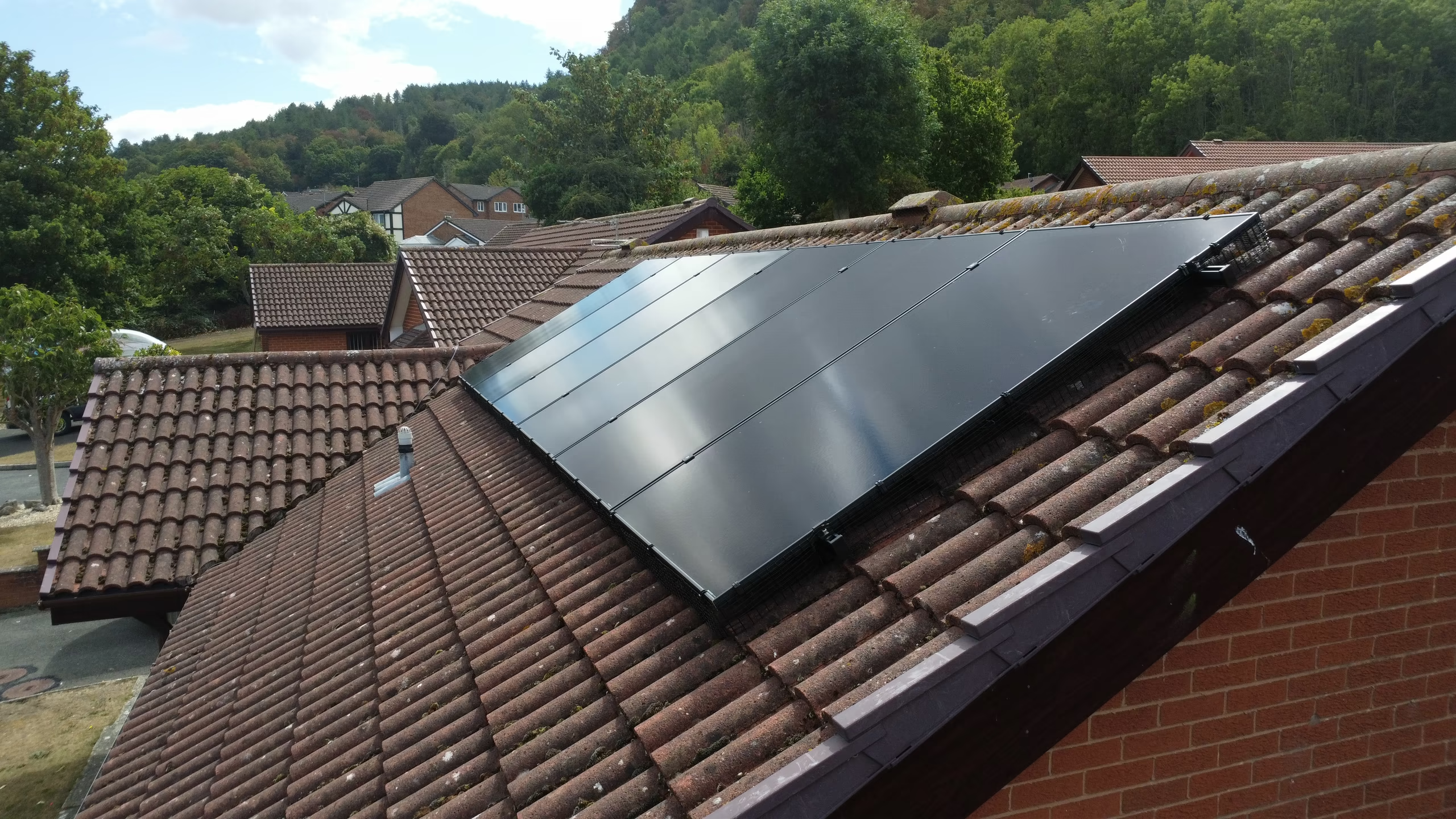
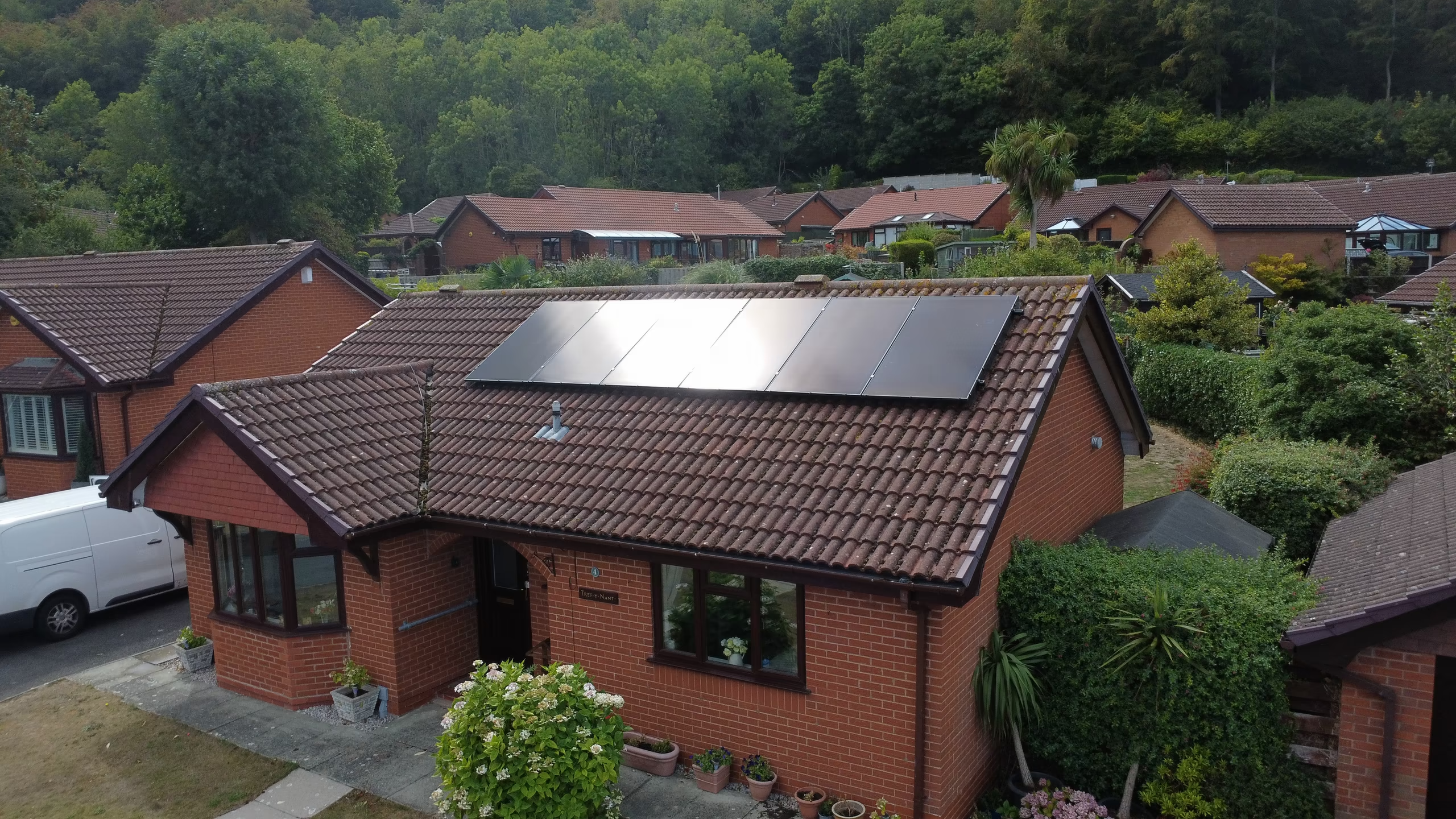
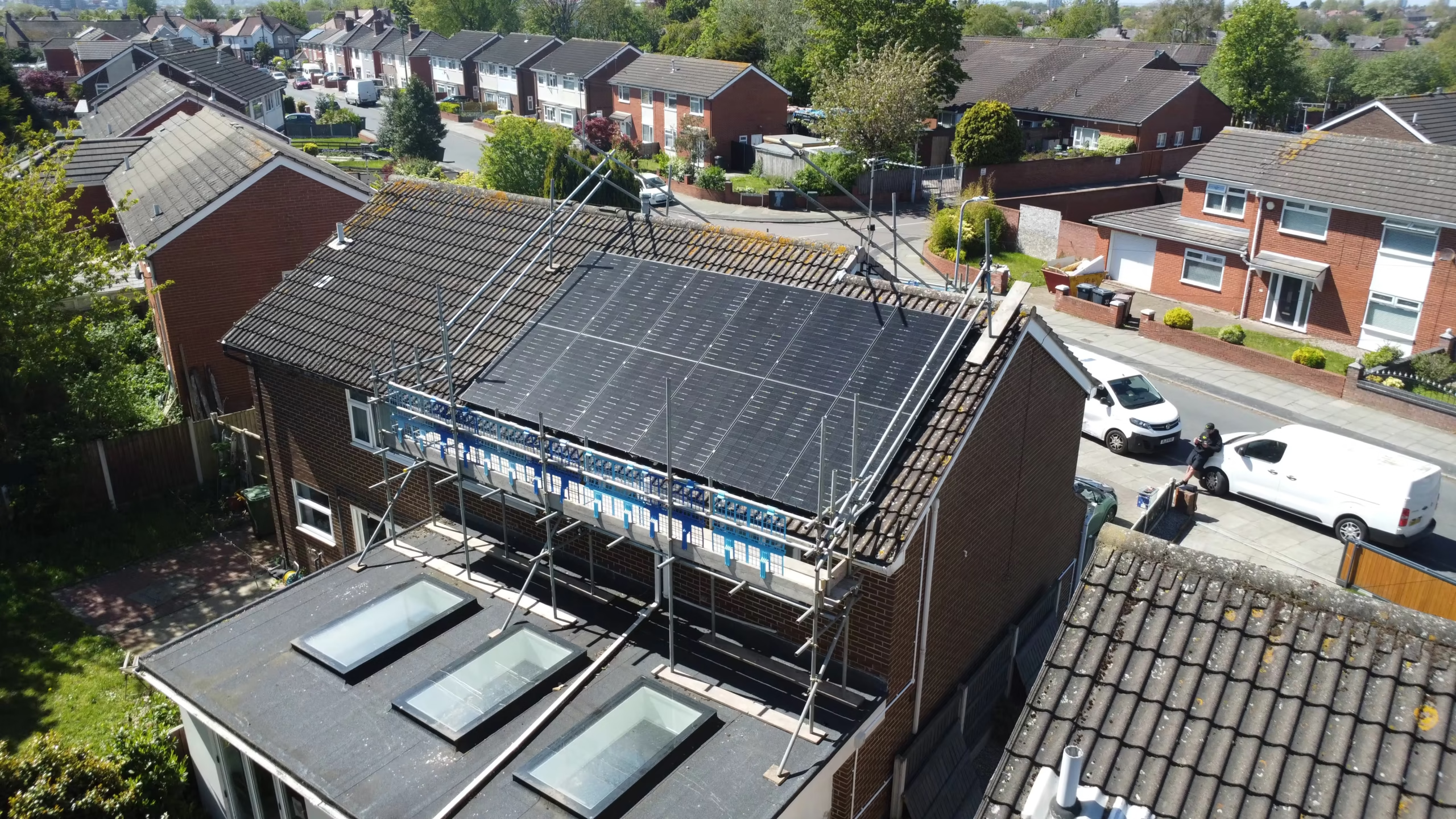
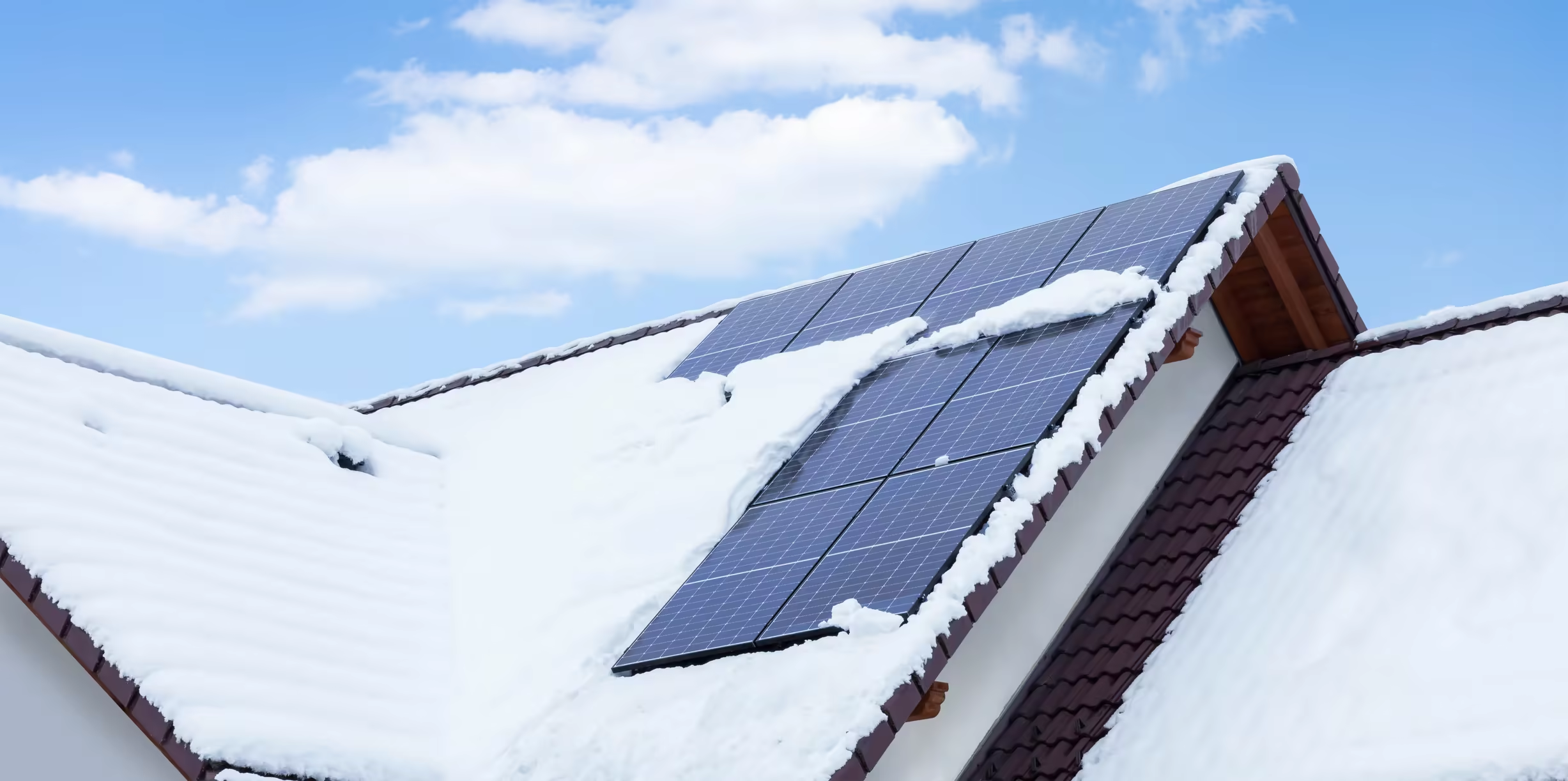
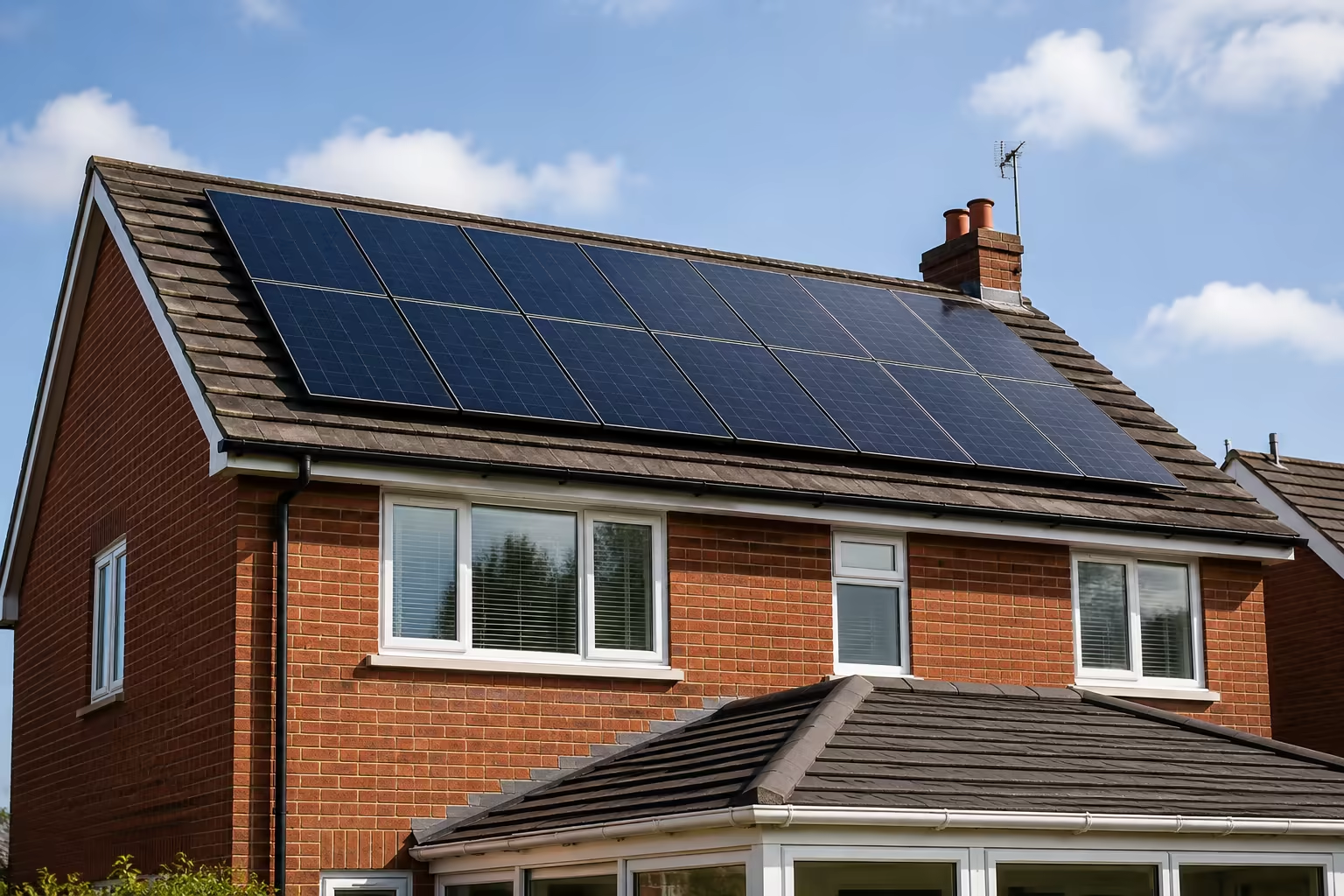
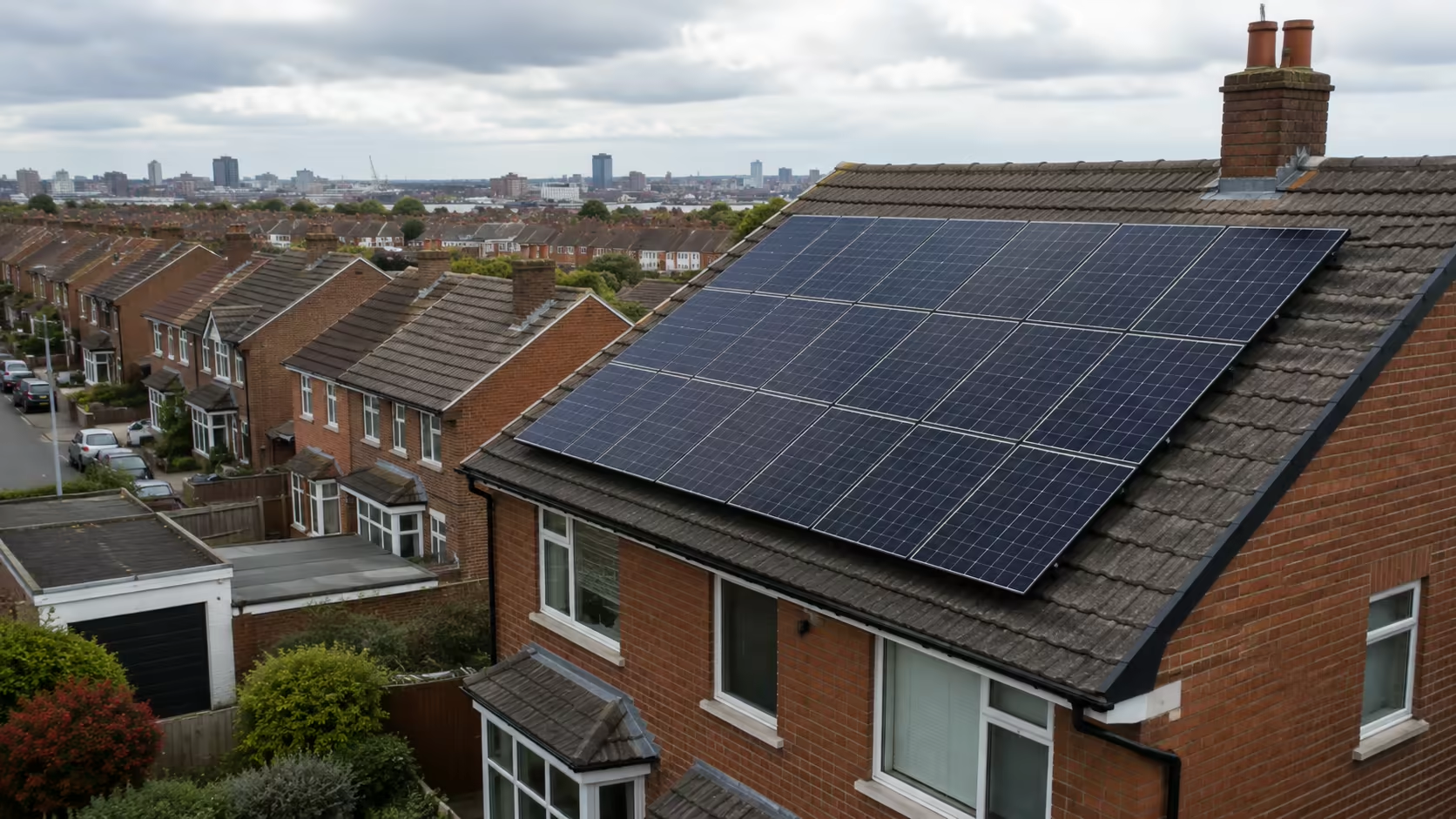
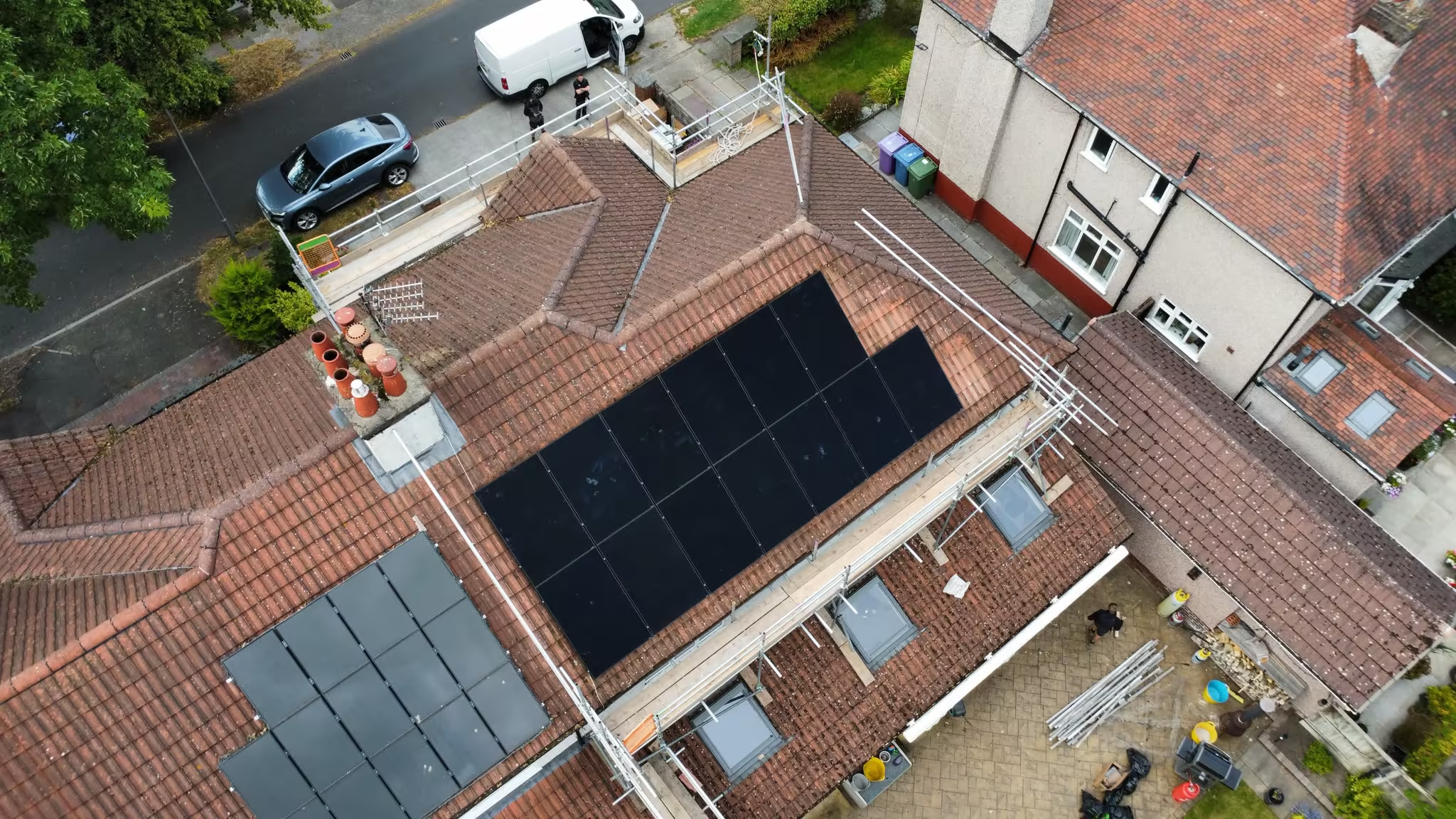
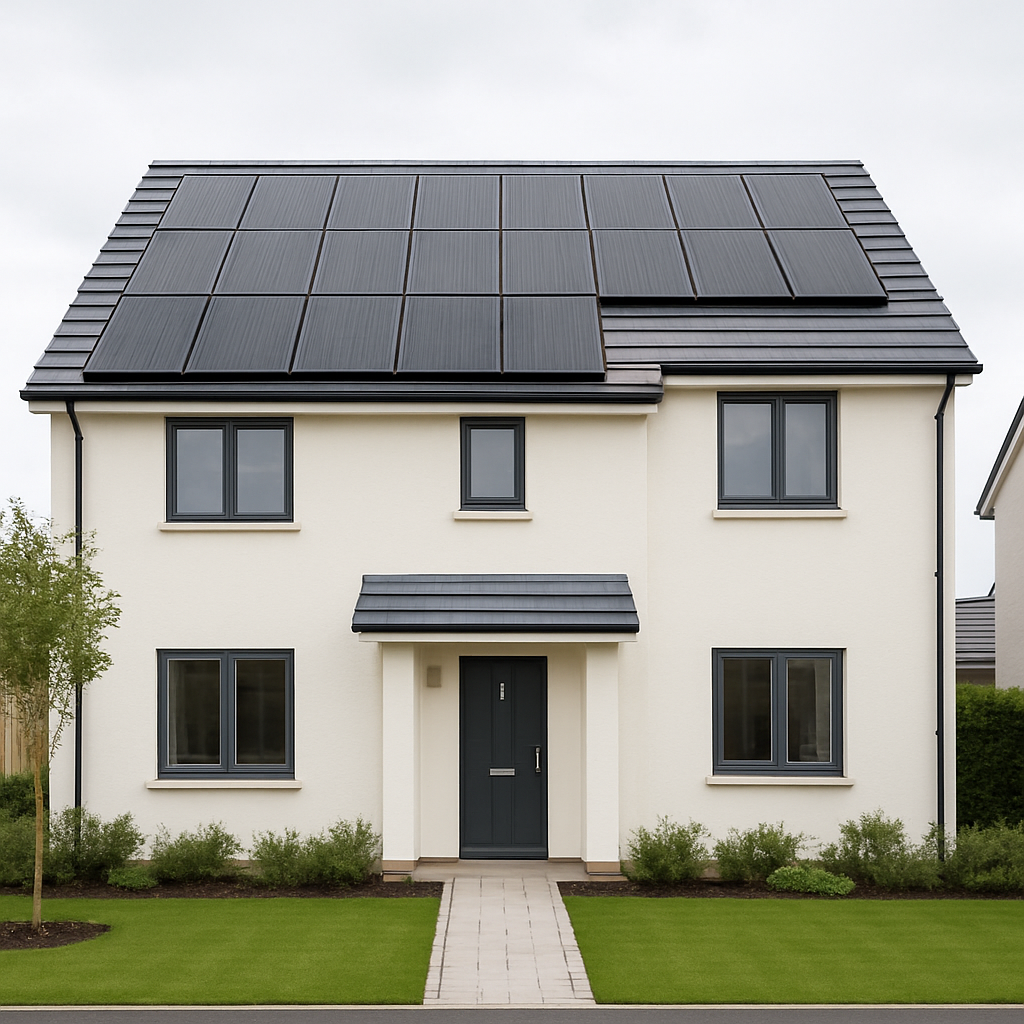
Available roof space, direction, pitch and shading determine how much solar capacity can sensibly be installed. A larger array can generate more electricity, but simply maximising panel numbers isn’t always the complete answer.
The Energy Saving Trust notes that a typical 4.5kWp system may require around 20 to 30 square metres of roof area, although layouts vary according to the panels and property.
A properly designed system needs to consider how the resulting electricity will be used.
Step three: calculate likely surplus generation
Once expected generation and household demand are understood, the installer can estimate how much solar electricity may be surplus at different times.
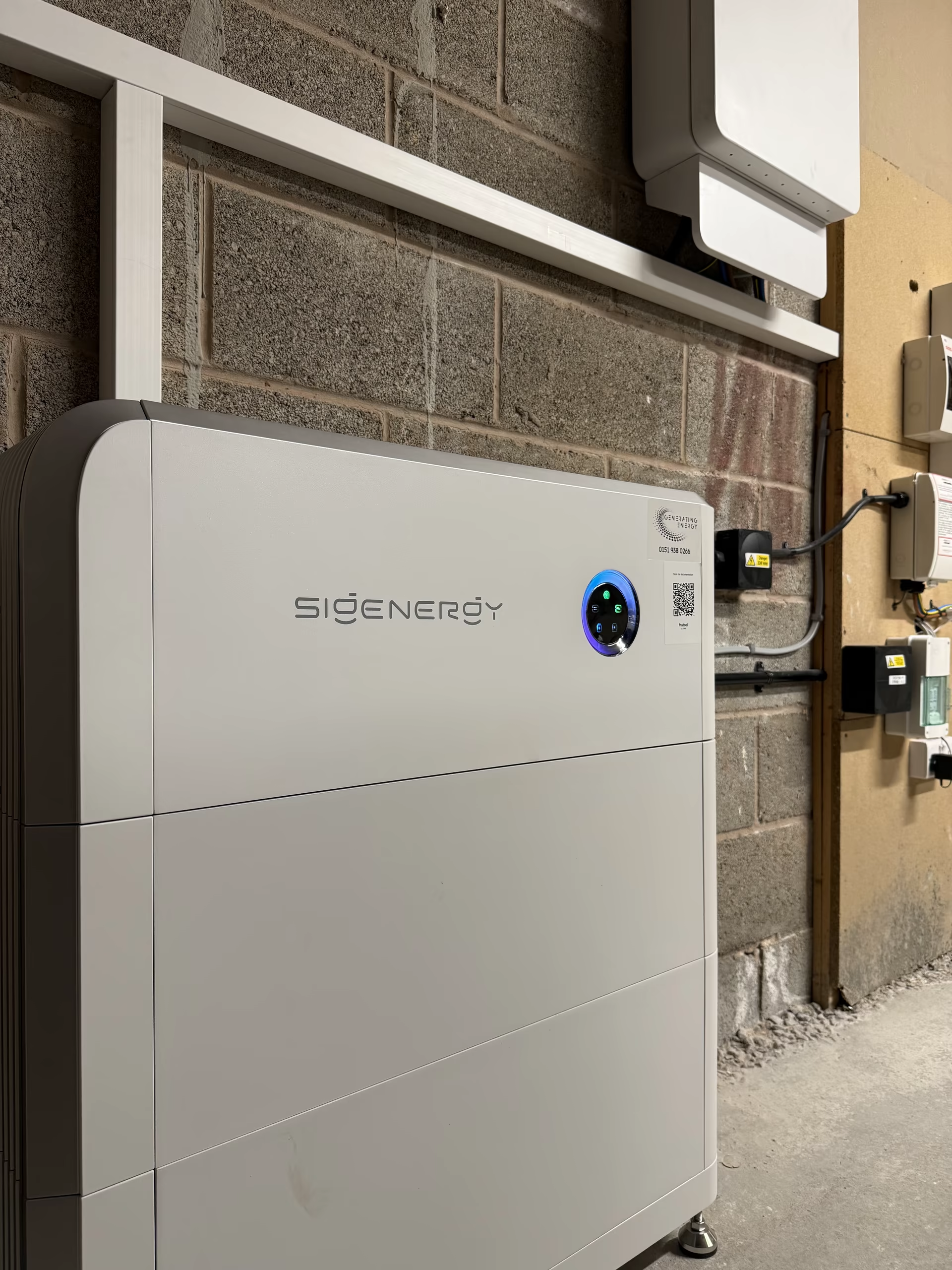
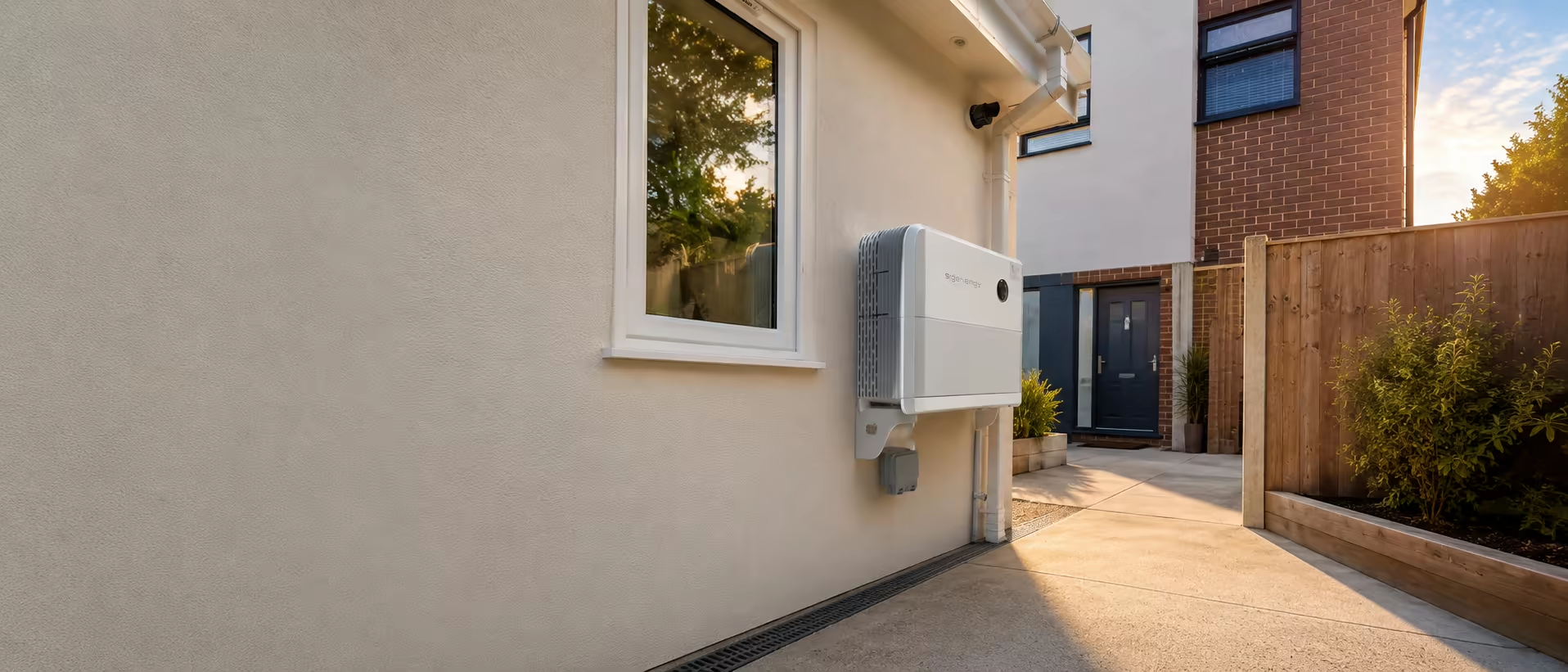
If the system generates strongly around lunchtime while household consumption is low, unused electricity may be exported without storage. A battery allows some of that surplus to be retained for later.
However, if the battery reaches full charge by lunchtime every day, additional generation will still be available for export. A battery that rarely reaches a meaningful state of charge may be larger than the available solar surplus requires.
Step four: understand your evening demand
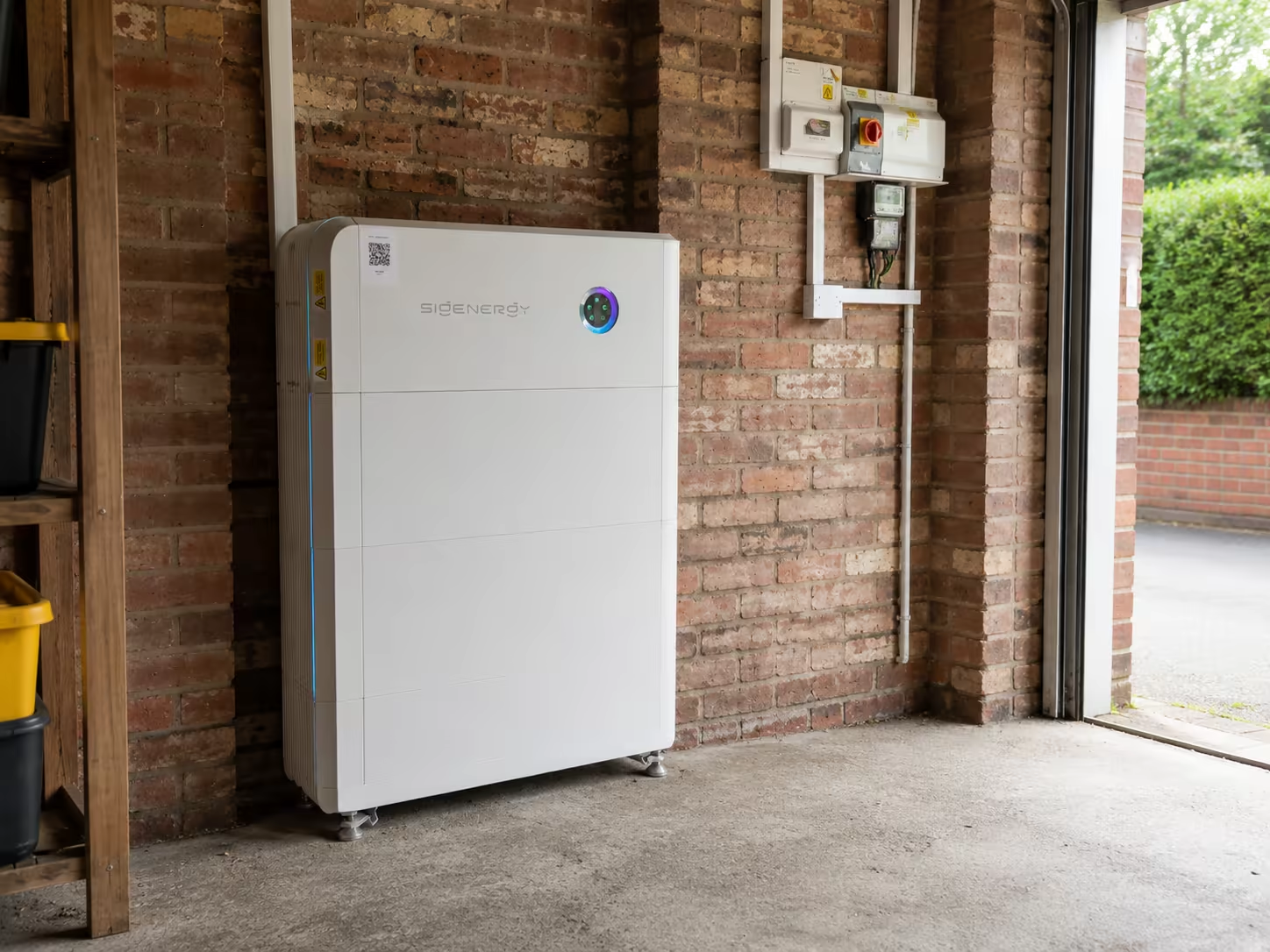
The evening is often when storage becomes useful. Solar production reduces while household electricity use may increase, allowing stored solar energy to cover part of that demand.
The right capacity depends on what happens in the individual property. Cooking, laundry, entertainment equipment, electric heating and other electrical loads all influence the consumption profile. Smart-meter information can be particularly useful when available.
Step five: think about your EV
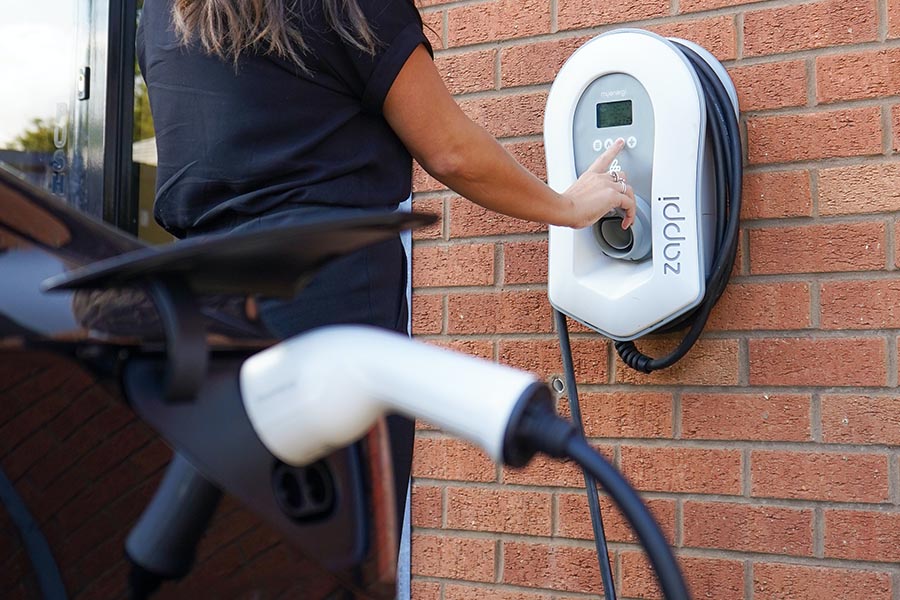
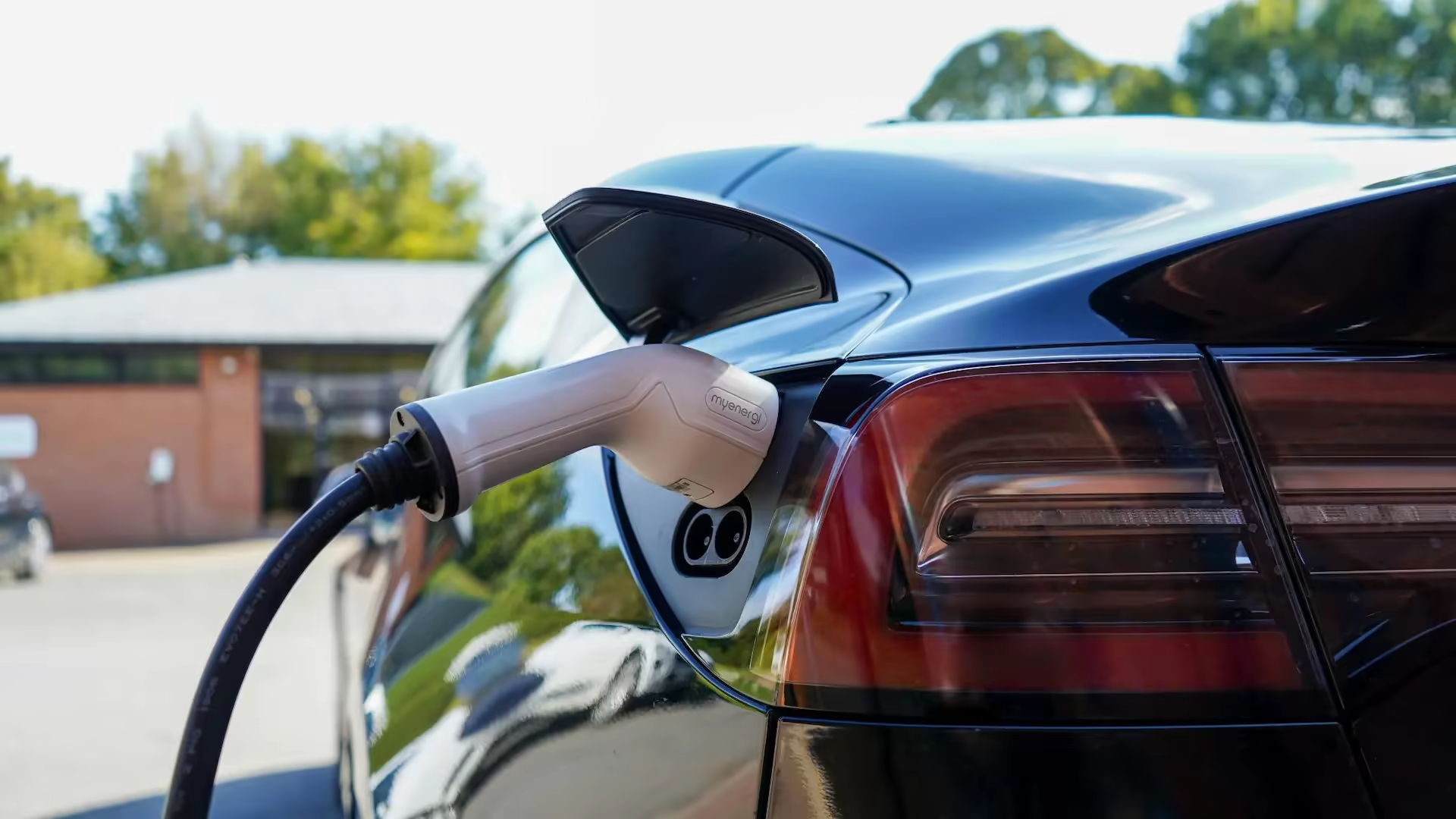
An electric vehicle can materially increase annual electricity consumption. If you already own an EV, include its charging requirements from the beginning. If you’re planning to buy one within the next few years, tell your installer during the design stage.
Your charging strategy might involve:
- Using surplus solar for EV charging
- Charging overnight on a cheaper tariff
- Prioritising the home battery
- Prioritising vehicle charging
- Using a combination of different charging methods
This is why solar panels, battery storage and EV chargers are often better designed together.
Step six: think ahead
Today’s electricity usage may not reflect what the household will need in future. Before finalising the design, consider whether you may add:
- An electric car
- A second EV
- A heat pump
- Air conditioning
- A home office
- An extension
- Other high-consumption electrical equipment
Future demand doesn’t always mean the system should be oversized today. However, it can influence inverter selection, battery expandability and the electrical design.
Avoid buying a package without understanding it
Packages can make solar appear simple, but two homes rarely have identical requirements. A package containing a set number of panels and a particular battery size might be ideal for one customer and poorly balanced for another.
Ask the installer to explain why each component has been selected. If the reasoning isn’t clear, ask more questions before proceeding.
One system, designed together
Generating Energy installs solar PV, battery storage and EV charging systems across Liverpool, Merseyside and the wider North West. Because we work across all three technologies, we can design them as one connected household energy system rather than separate products.
If you’re considering solar and battery storage in Merseyside, contact us for a free assessment. We’ll examine your roof, electricity use and future plans before recommending a system size that makes sense for your home.