
Over the last few years, one thing has become clear. Energy prices can change quickly. Many homeowners have seen electricity costs rise significantly, making monthly bills harder to predict.
Nobody can accurately predict future energy prices, but battery storage gives homeowners more control over how and when they use electricity. Whether paired with solar panels or used alongside a flexible tariff, a home battery can help reduce reliance on buying electricity during the most expensive times of the day.
In this guide, we explain how battery storage works, why it is becoming more popular across the UK and how it could help protect your home from rising electricity costs.
What is home battery storage?
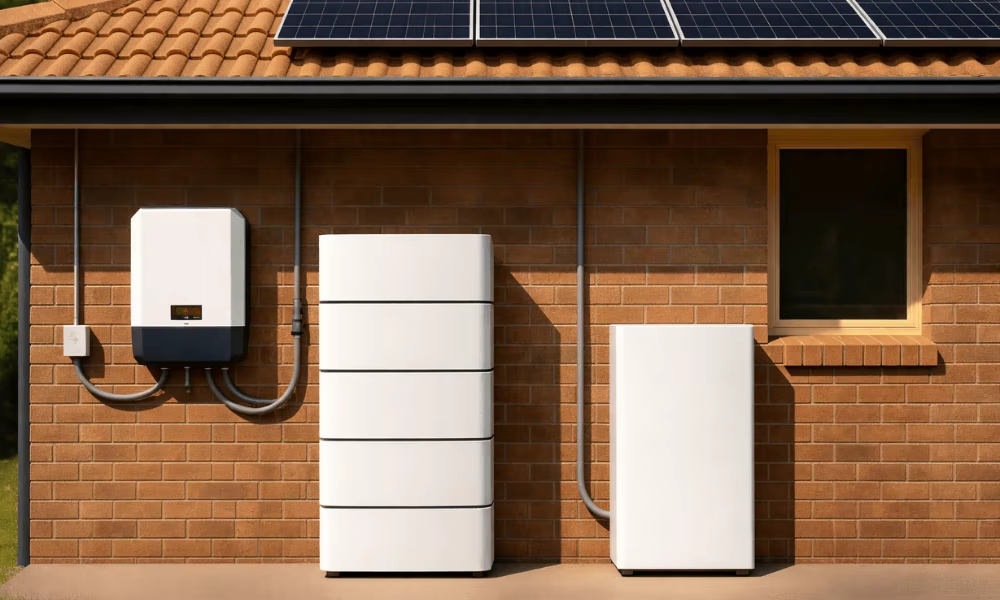
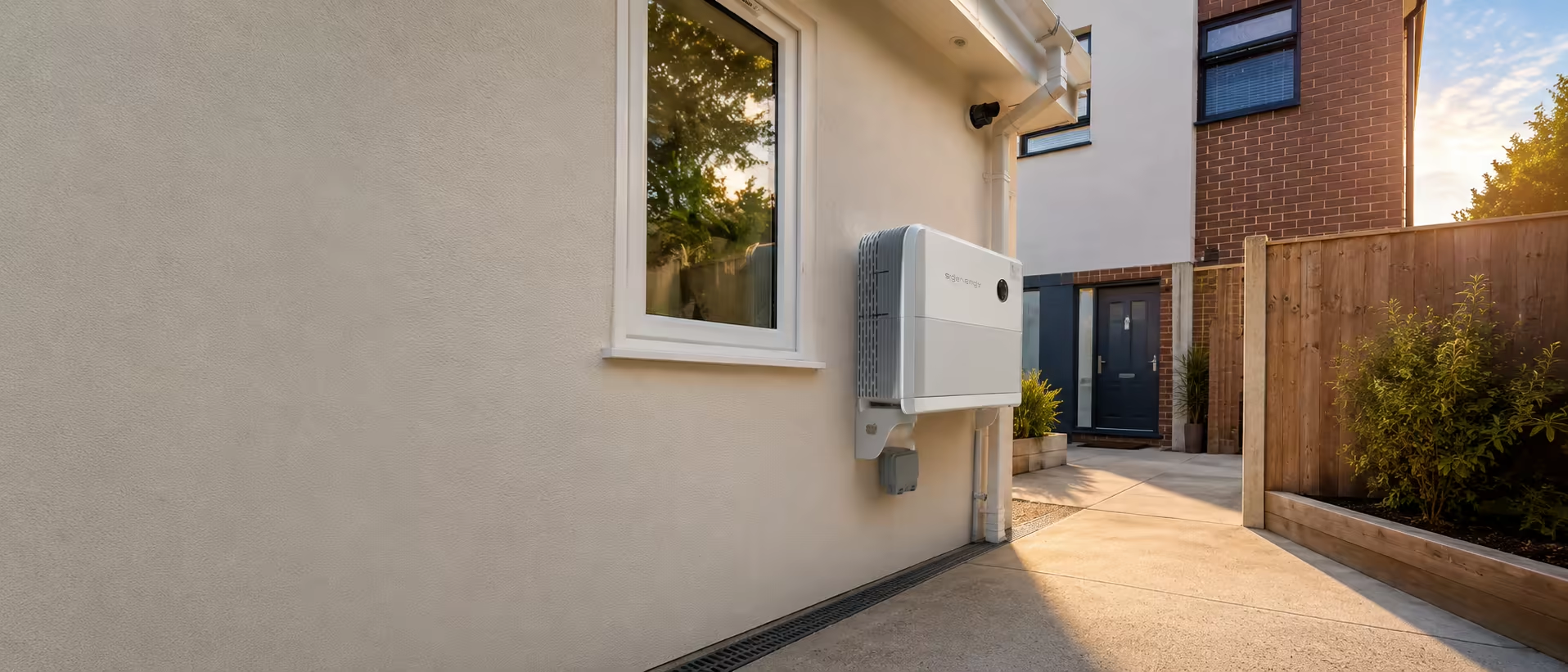
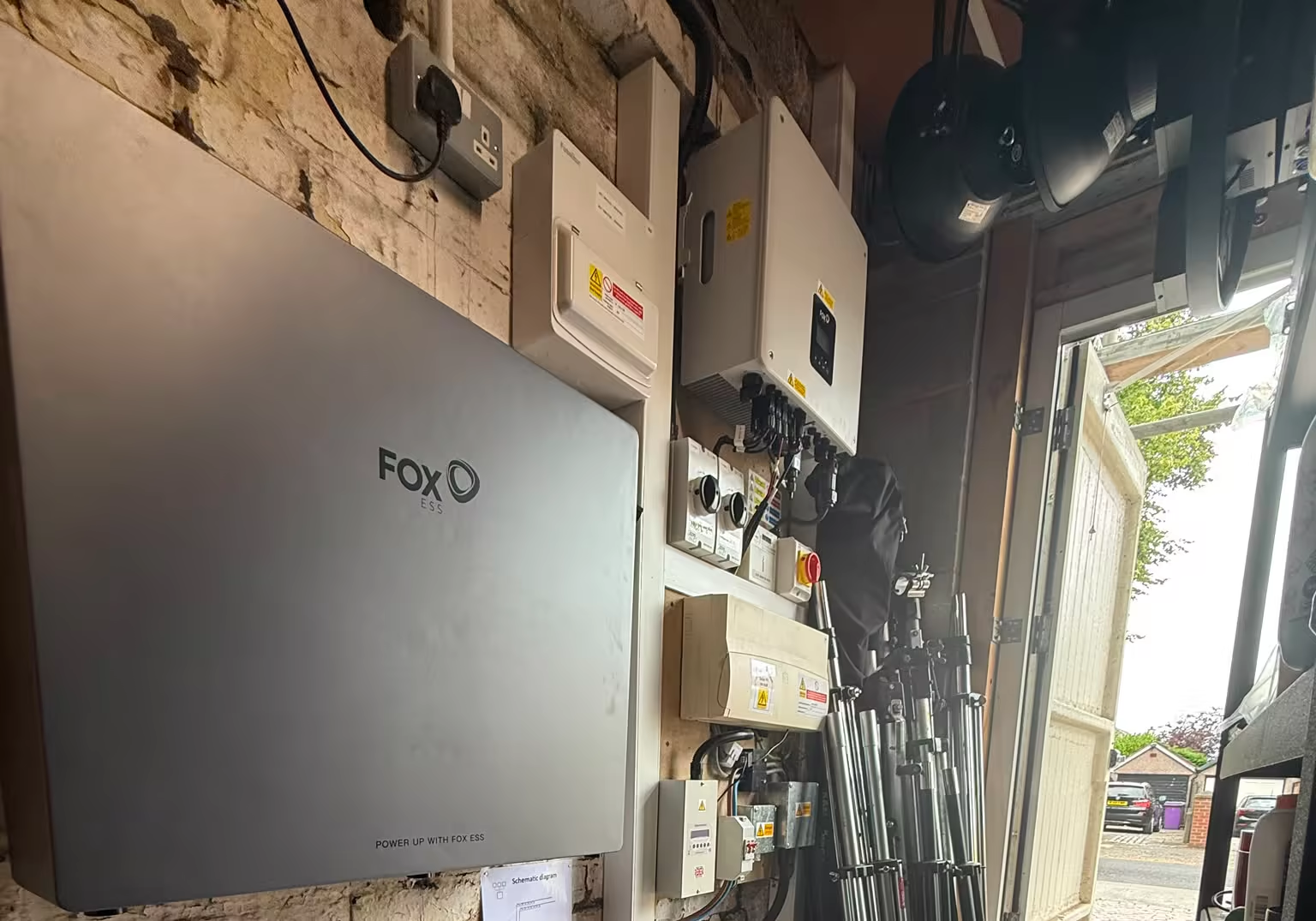
A home battery stores electricity so you can use it later. That electricity can come from your solar panels, the grid during cheaper off-peak periods, or a combination of both.
Instead of exporting all unused solar energy during the day, the battery stores it for when your home needs it most. Think of it as your own energy reserve, ready to support the house when electricity from the grid is more expensive.
Why electricity prices matter
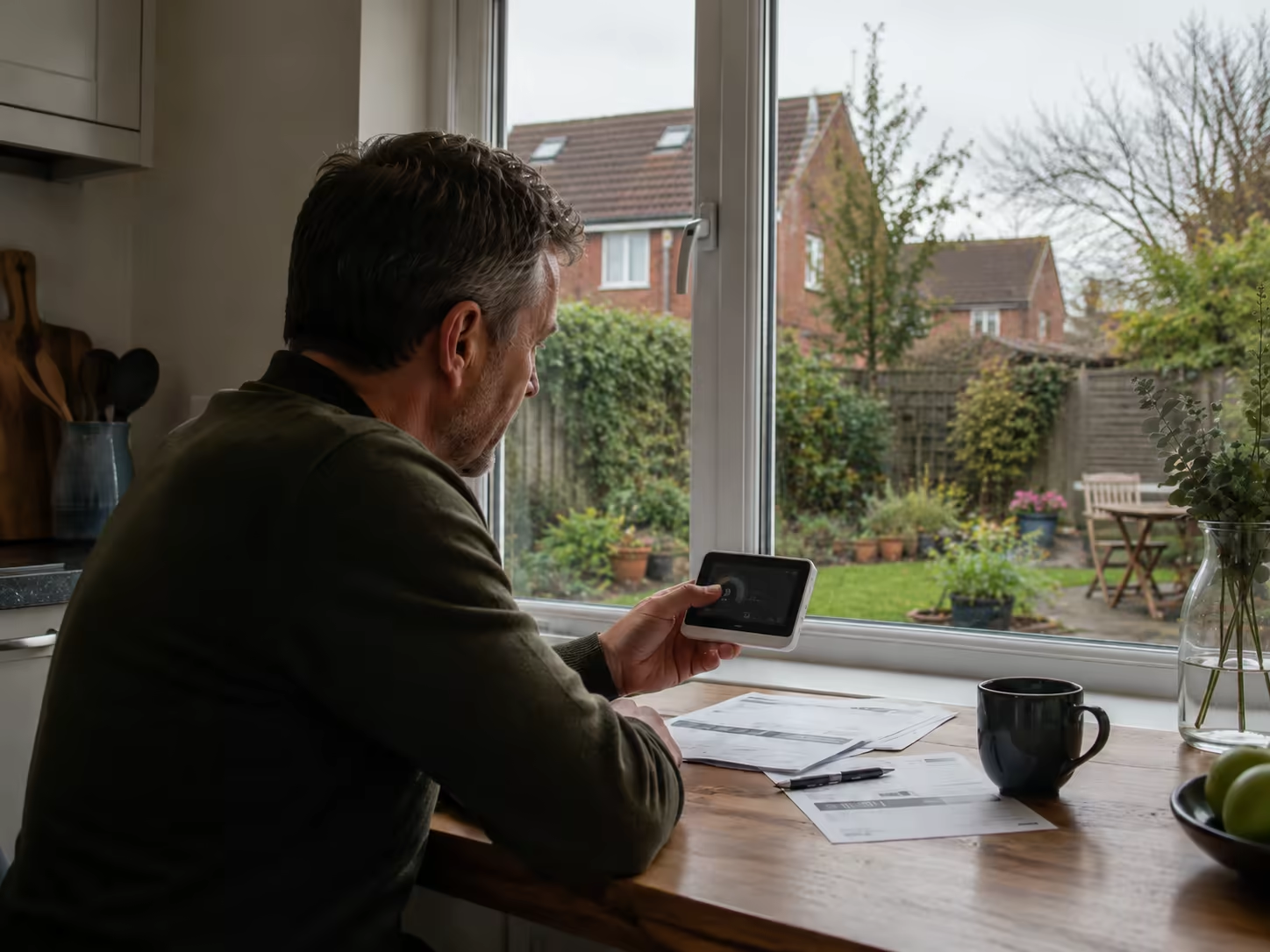
Most households buy electricity whenever they need it, which means they are exposed to whatever their supplier is charging at that time. If electricity prices rise, bills rise too.
Battery storage cannot stop energy prices increasing, but it can reduce how much electricity you need to buy from the grid, particularly during expensive periods. The less electricity you buy at peak prices, the less exposed you are to future increases.
How a battery helps reduce your bills
A battery can reduce bills in a few different ways. It can store free solar energy generated during the day, charge overnight on cheaper tariffs and reduce how much electricity you buy during peak periods.
For many homes, this is useful because electricity demand is often highest in the evening, after solar generation has dropped. With a battery, energy generated earlier can still be used later in the day.
Store free solar energy
Without a battery, excess solar electricity generated during the day is usually exported to the grid. With battery storage, that electricity is saved for later. Instead of buying electricity in the evening, you can use energy generated earlier by your own solar panels.
This helps you get more value from your solar system and makes your home less dependent on grid electricity.
Charge overnight on cheaper tariffs
Many suppliers now offer time-of-use tariffs, where electricity is cheaper overnight. A compatible battery can charge during these off-peak hours and then supply the home during the following day.
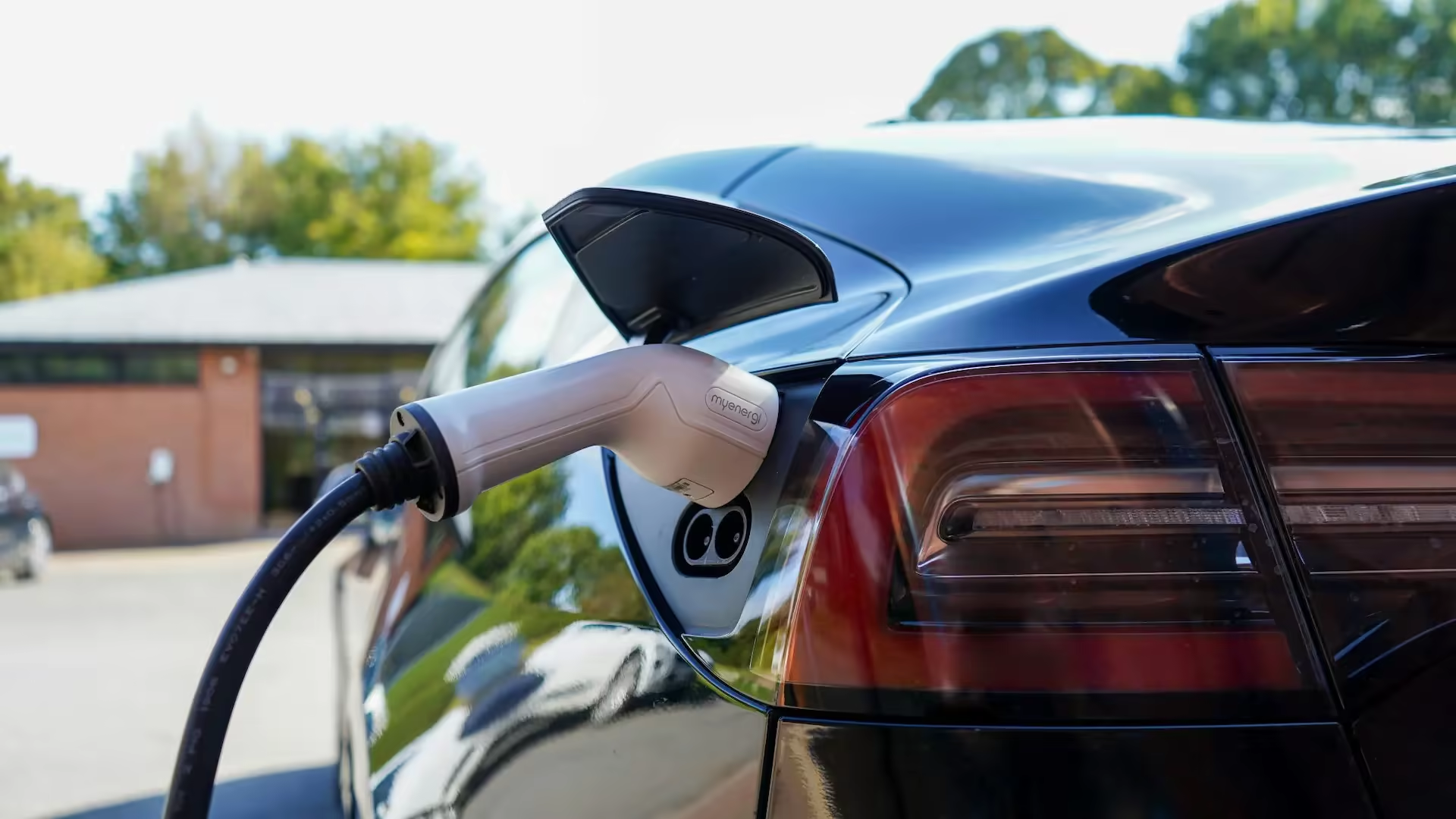
This can be especially useful for homes with an electric vehicle, heat pump, high daily electricity usage or limited roof space for additional solar panels.
Buy less electricity during peak times
Electricity often costs more during periods of high demand. A battery allows you to use stored electricity instead of buying from the grid when prices are highest.
Over time, reducing peak-time imports can make a meaningful difference to your overall electricity costs.
Solar panels and battery storage work well together
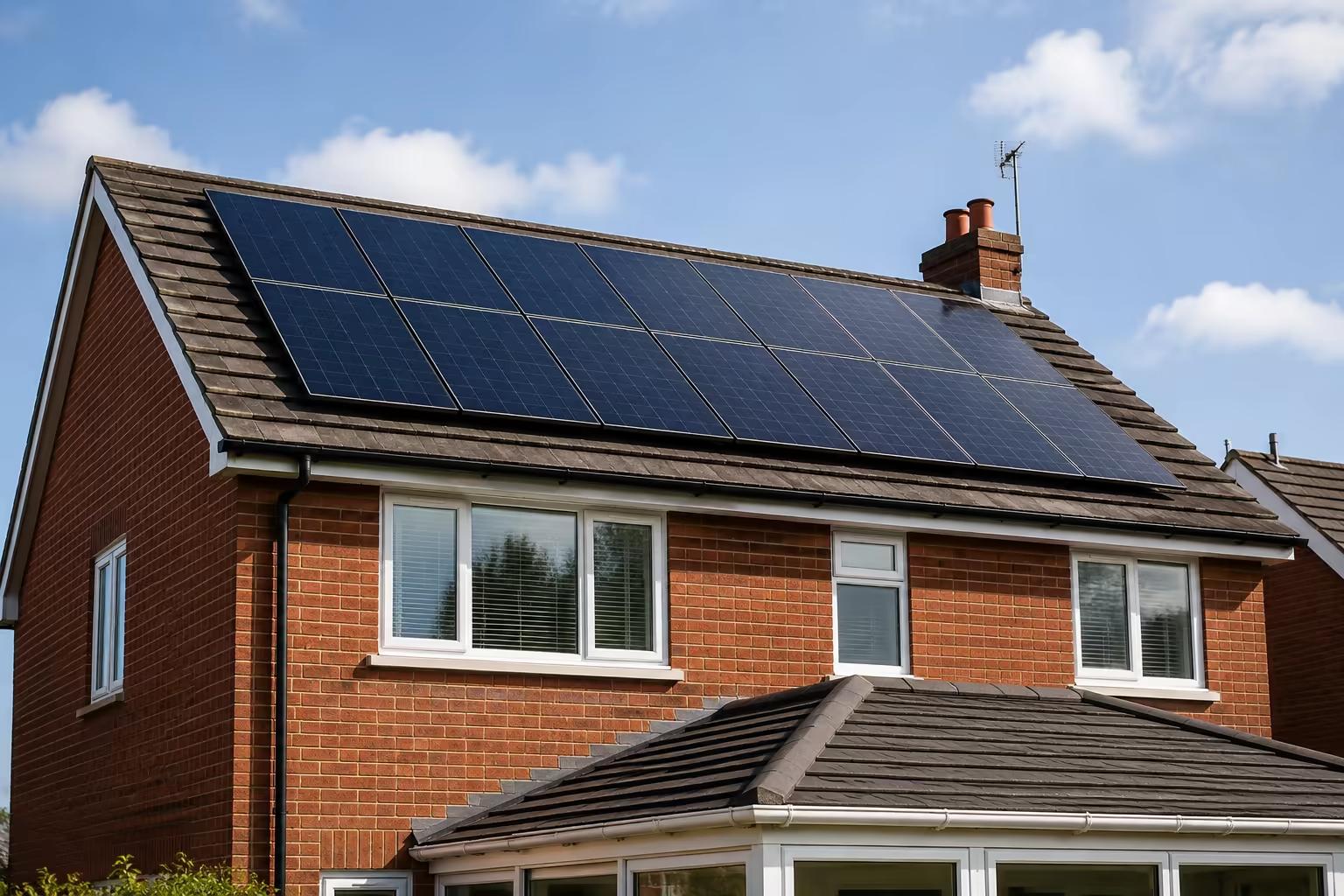
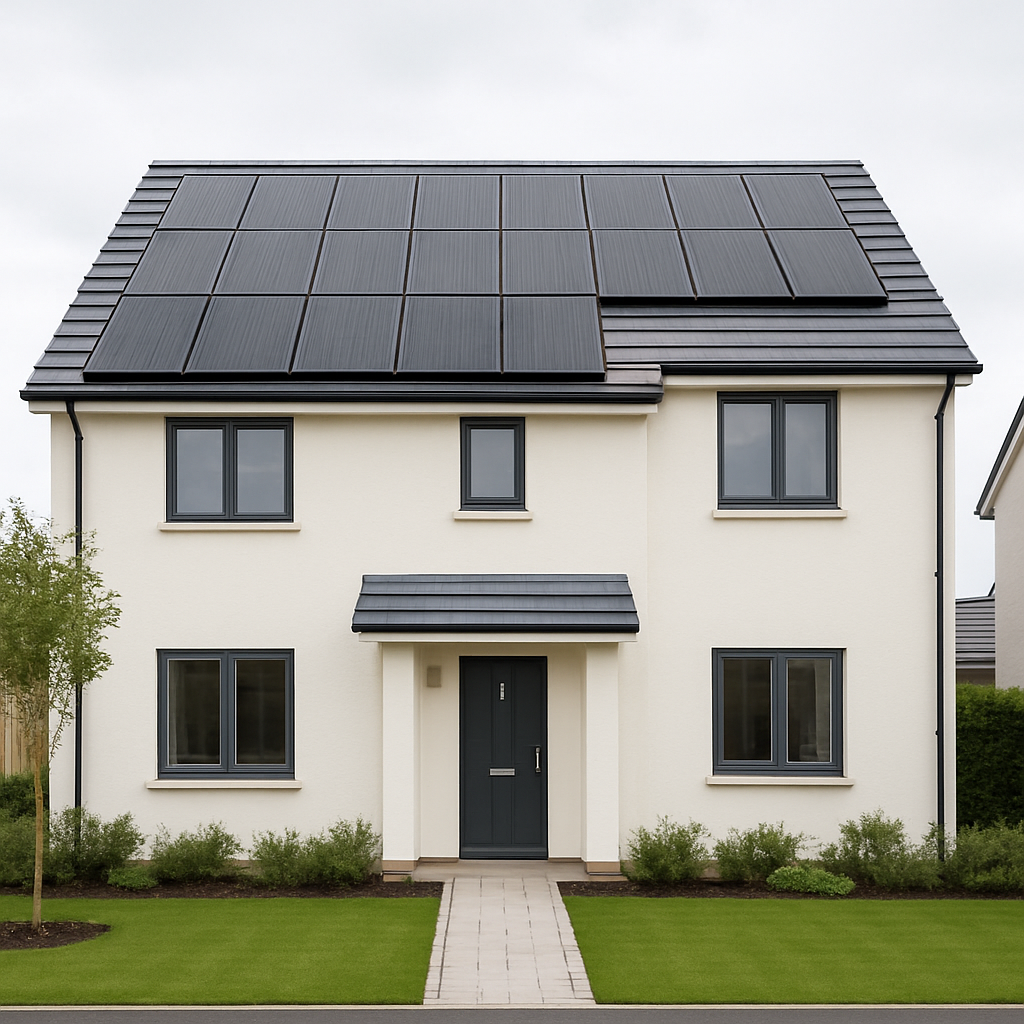
Solar panels and battery storage are a strong combination because they increase the amount of renewable electricity you use in your own home. Without a battery, solar can power the home during the day and any excess is exported. With a battery, that excess can be stored and used later.
This gives the system more flexibility and helps you make better use of the electricity your panels generate.
What about winter?
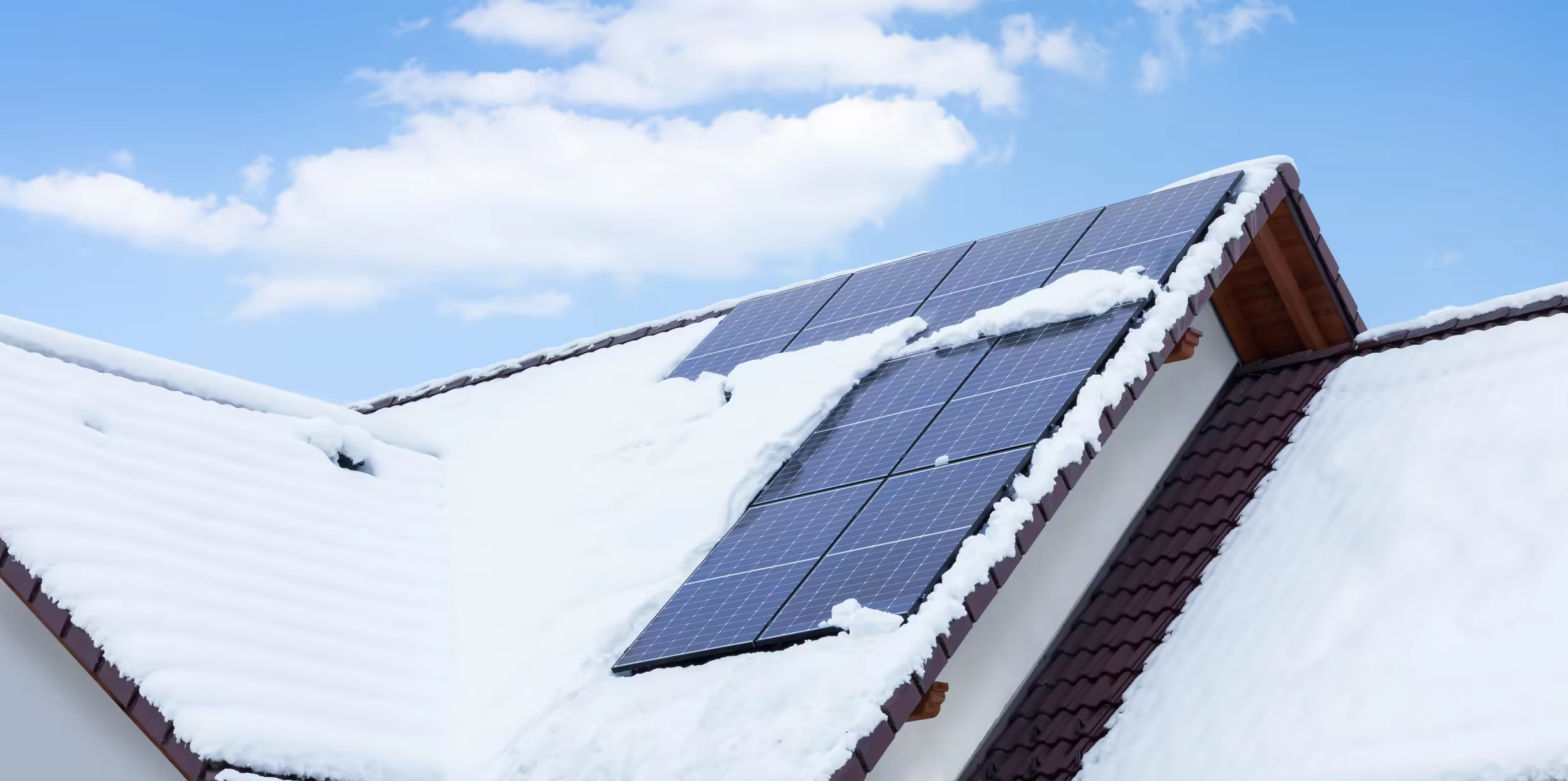
A common misconception is that batteries are only useful in summer. While solar generation is lower in winter, a battery can still provide value. Many homeowners charge their batteries overnight using cheaper electricity tariffs and use that stored electricity during the day.
This means a battery can continue helping reduce electricity costs even when solar production is lower.
More than just savings
Battery storage is not only about reducing bills. Many homeowners choose a battery because they want more control over their energy. It can help improve energy independence, make better use of solar generation, reduce reliance on the grid and give more flexibility as tariffs change.
For many households, it is about being in a stronger position if electricity prices rise again.
Is battery storage worth it without solar?
In some situations, yes. If you are on a flexible tariff with cheaper overnight electricity, a battery-only system can charge when electricity is less expensive and discharge later when rates are higher.
However, batteries usually offer the greatest long-term value when combined with solar panels, because you are storing electricity you have generated yourself rather than buying all of it from the grid.
Choosing the right battery size
Bigger is not always better. The right battery size depends on your annual electricity usage, when you use electricity, whether you own an EV, whether you have a heat pump, your available budget and the size of your solar system.
Installing a battery that is too large can mean paying for storage capacity you rarely use. A properly designed system should be tailored to the way your home actually uses energy.
Real-world example
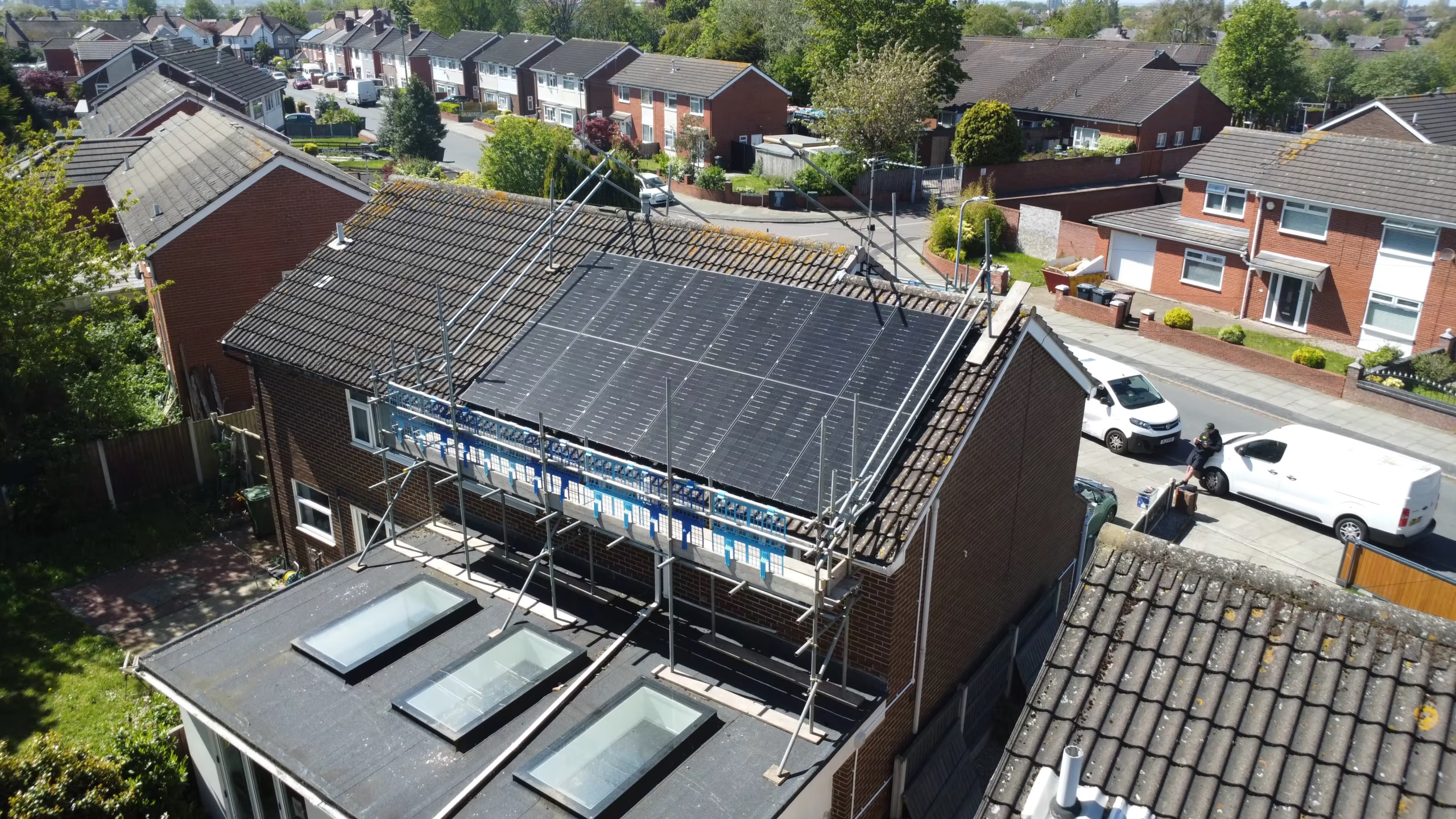
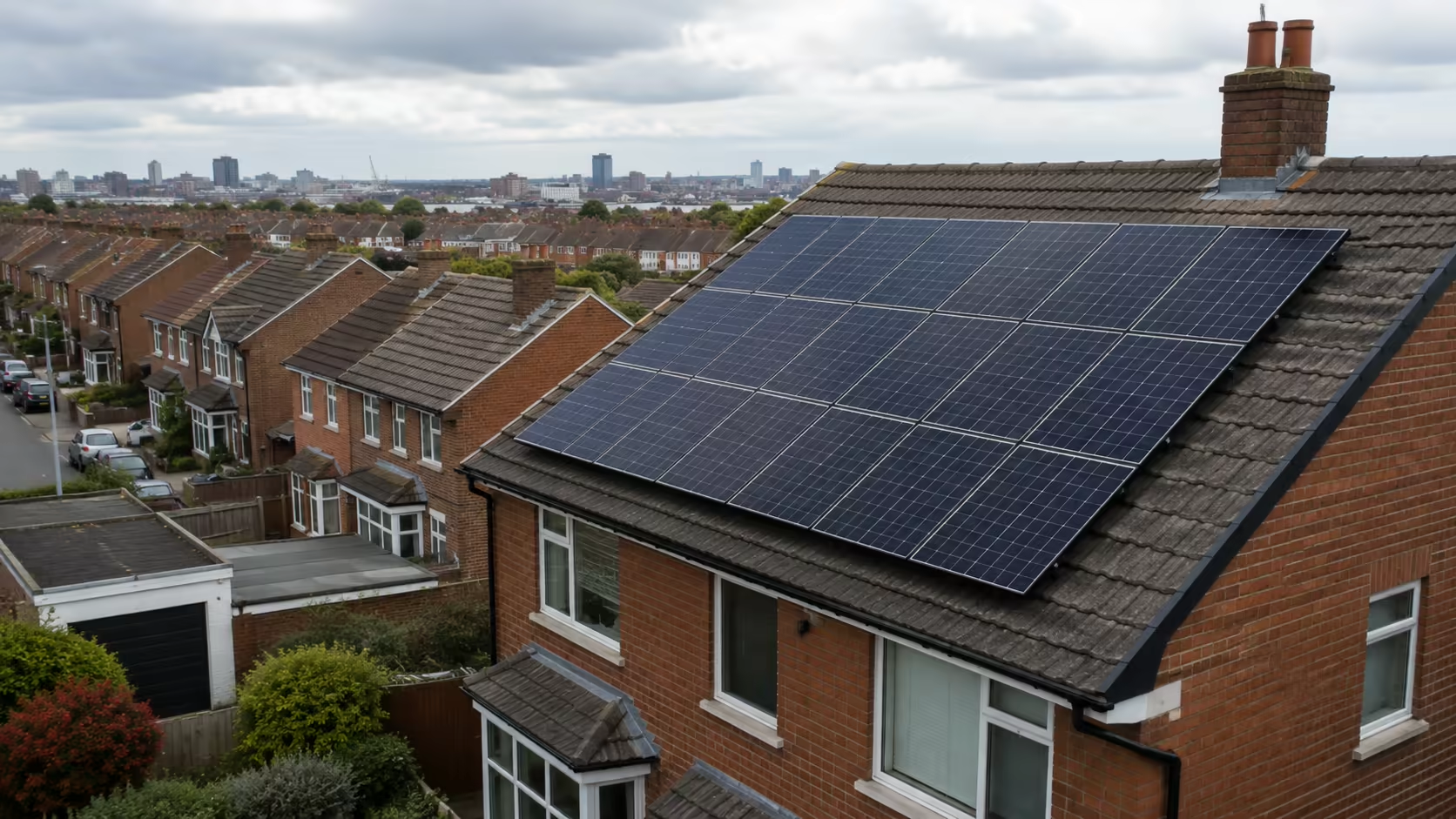
Imagine a family in Liverpool with a 6kW solar system. On a sunny day, they generate more electricity than they use while everyone is at work. Without a battery, the excess electricity is exported and the family buys electricity from the grid in the evening for cooking, lighting and entertainment.
With a battery, the excess solar energy is stored during the day and used in the evening. The result is greater self-consumption and lower reliance on imported electricity.
Is battery storage right for everyone?
Not always. Battery storage is usually most useful for households that use a lot of electricity in the evening, own an electric vehicle, have a heat pump, want to make greater use of their solar generation, use time-of-use electricity tariffs or plan to stay in the property for several years.
If your daytime electricity usage is already high and you use most of your solar energy as it is generated, the additional benefit of a battery may be smaller. That is why every property should be assessed individually.
Why we focus on system design
At Generating Energy, we do not believe in selling the biggest battery available. We design systems around the way you actually use electricity.
We consider your annual electricity consumption, daily usage patterns, roof size, whether you own an EV, future plans such as adding a heat pump and your electricity tariff. Our engineer-led team designs every installation to maximise long-term value, not simply to increase the size of the quote.
Frequently asked questions
Can a battery power my whole house?
Most home batteries can power essential household appliances, but whether they can run your entire home depends on battery capacity, power output and how much electricity you are using at that time.
Can I add a battery to an existing solar system?
In many cases, yes. Retrofitting battery storage to an existing solar installation is often possible, although the best approach depends on your current inverter and system design.
Do batteries work during a power cut?
Some battery systems can provide backup power during an outage, but not all do. If backup power matters to you, discuss this during the design stage, as additional equipment or a specific battery system may be required.
How long do home batteries last?
Most modern home batteries are designed to last for many years and typically come with warranties based on time, energy throughput or charge cycles.
Final thoughts
Battery storage will not stop electricity prices from rising, but it can reduce how much you are affected by them. By storing your own solar energy or using cheaper off-peak electricity, a battery gives you more flexibility, greater energy independence and better control over household energy costs.
For many homeowners, it is not just about this month’s bill. It is about investing in a system that continues to deliver value as the energy market changes. At Generating Energy, we design every solar and battery system around your property, your energy usage and your future plans. As an engineer-led company with a fully in-house installation team, our focus is on systems that perform well for years, not simply selling the largest battery available.