
One of the most common questions homeowners ask is whether they need a battery with their solar panels. The simple answer is no. Solar panels can still reduce your electricity bills without battery storage, and for many households a solar-only system remains a strong investment.
The right answer depends on when you use electricity, how much of your solar generation you can use during the day and whether you want to store excess energy for later. In this guide, we look at how solar works without a battery, when battery storage is worth considering and how to decide what is right for your home.
How do solar panels work without a battery?
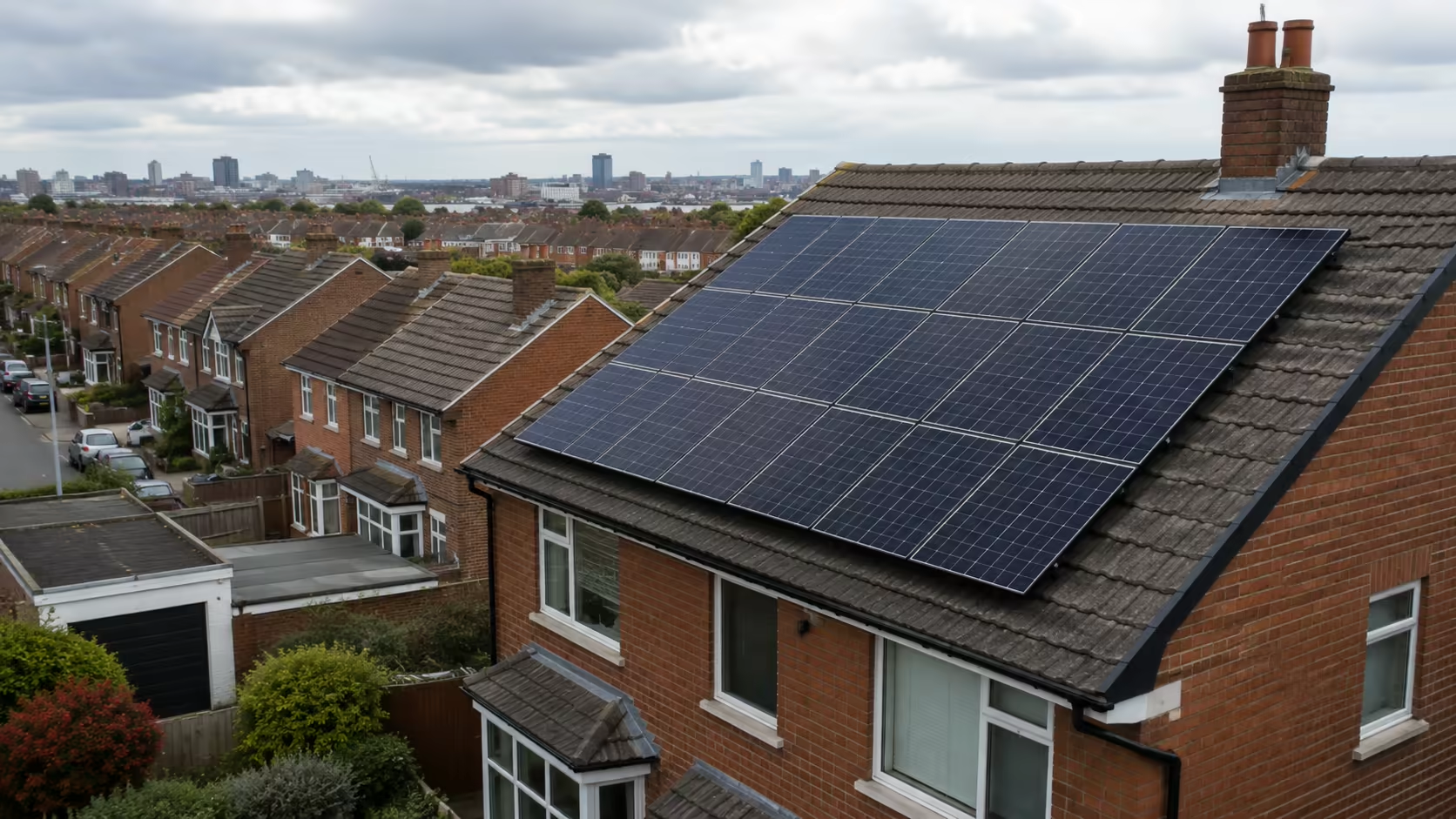
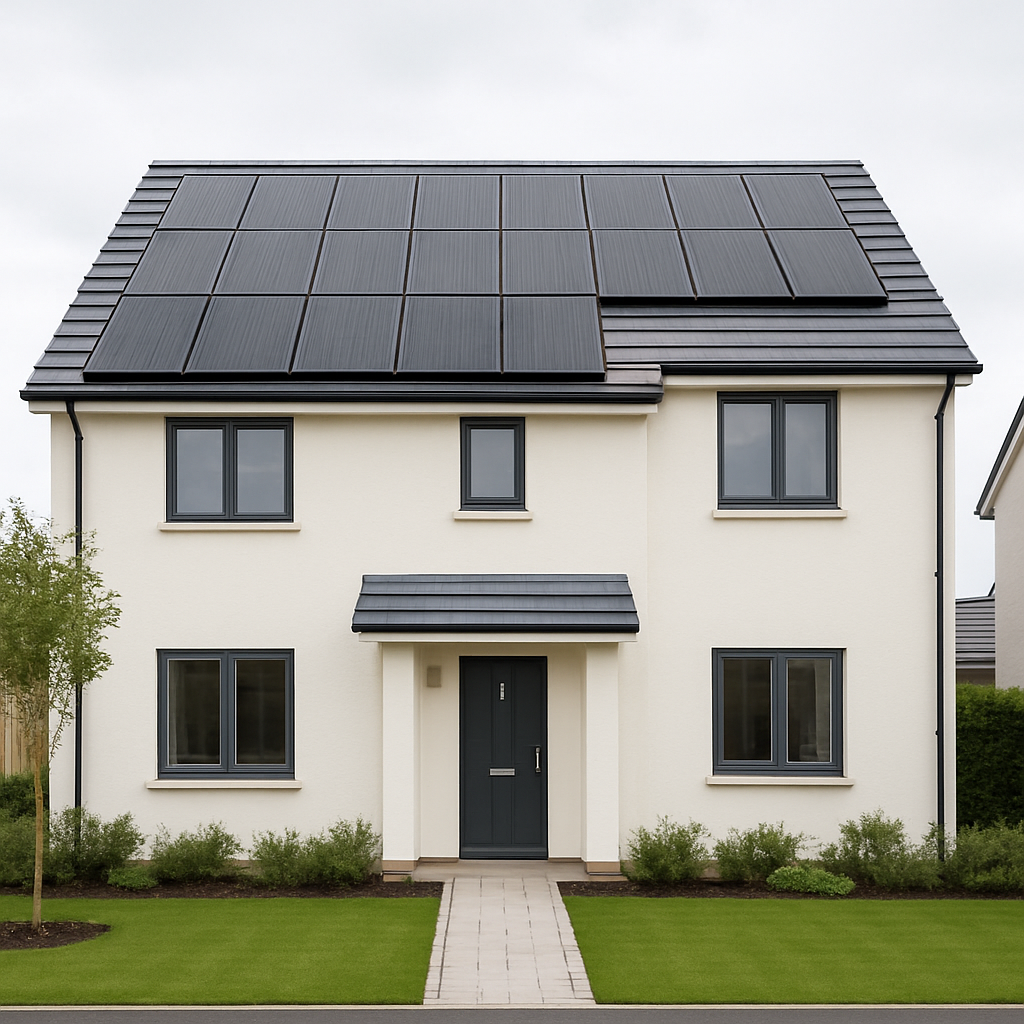
When your solar panels generate electricity, your home uses that energy first. If you are using electricity at the same time your panels are producing it, you buy less from your energy supplier.
For example, if you are working from home, running the washing machine, cooking lunch, charging devices or using a heat pump during daylight hours, your solar panels can help power those appliances directly. If the panels generate more electricity than your home is using at that moment, the surplus is usually exported to the grid through the Smart Export Guarantee, where eligible exports can be paid by your supplier.
The main limitation is simple. Without a battery, you cannot store that unused electricity for later in the day.
Can you still save money?
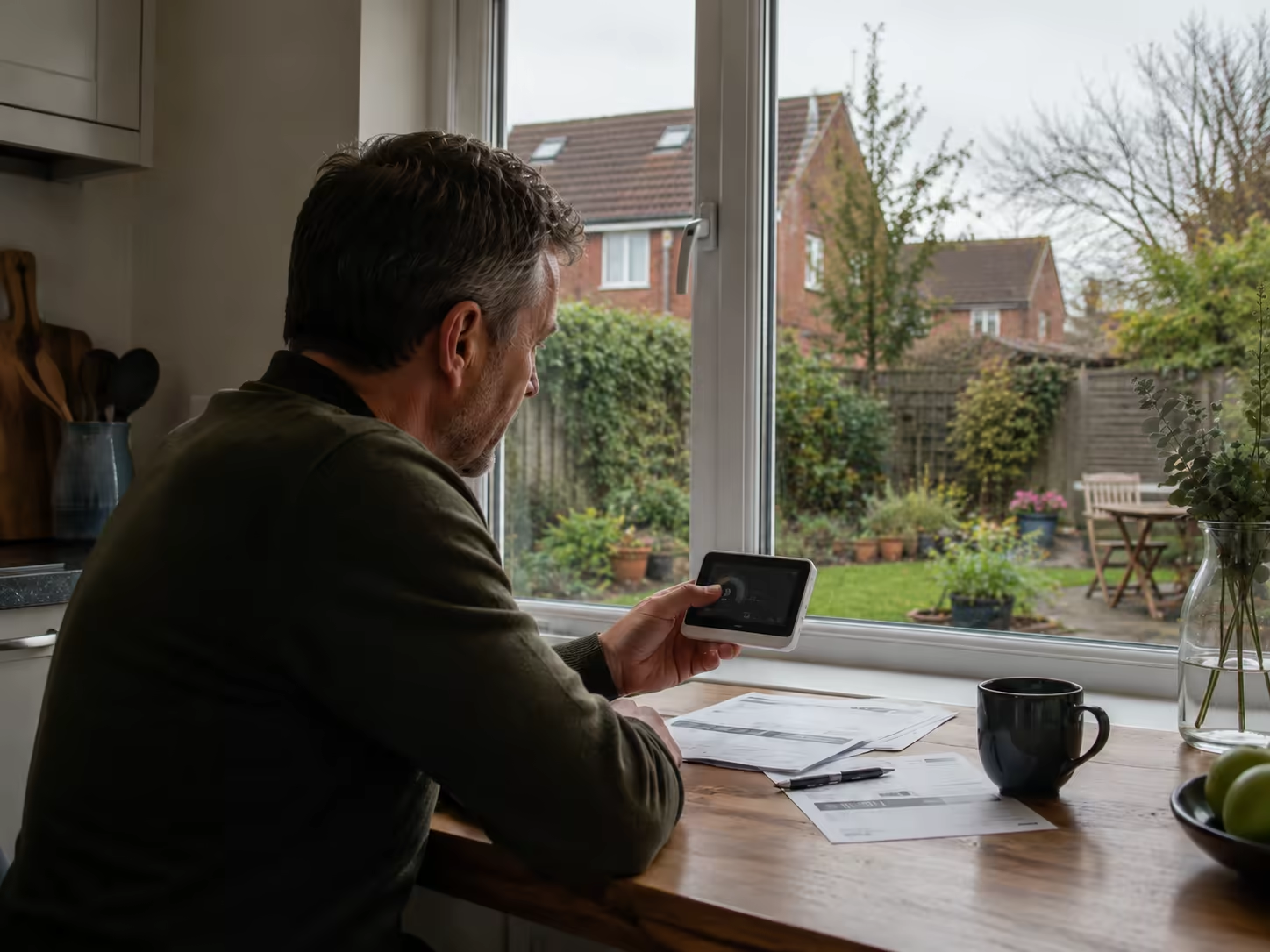
Yes. Even without battery storage, solar panels can reduce your electricity bills by generating electricity during daylight hours. Your savings depend on how much electricity you use, when you use it, the size of your system, your tariff and how much solar energy you consume yourself rather than export.
The more solar electricity you use in the home, the greater the financial benefit. That is why understanding your daily usage pattern is just as important as choosing the panels themselves.
Who benefits most from solar without a battery?
A solar-only system can work very well for households with good daytime usage. If someone is home during the day, there is a better chance the electricity is being used as it is generated. Homes that regularly run appliances during daylight hours can also make good use of a solar-only setup.
It can also suit homeowners who want to reduce bills but do not want the additional upfront cost of battery storage. In many cases, solar panels can be installed first, with a battery added later if the system is designed with future expansion in mind.
What happens to the extra electricity?
Without a battery, unused electricity is exported to the grid. Through the Smart Export Guarantee, eligible homeowners can receive payments for exported electricity. These payments are useful, but export rates are usually lower than the price you pay to import electricity.
That is why using your own solar energy is generally worth more than selling it back. A good system design should look at how much electricity you are likely to use directly and how much could be exported.
When does a battery make sense?
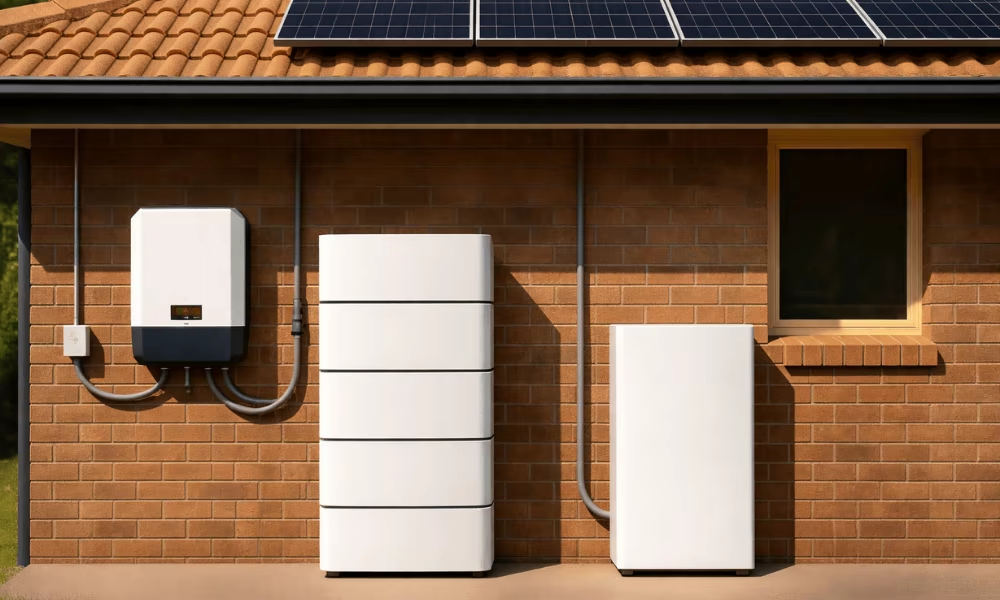
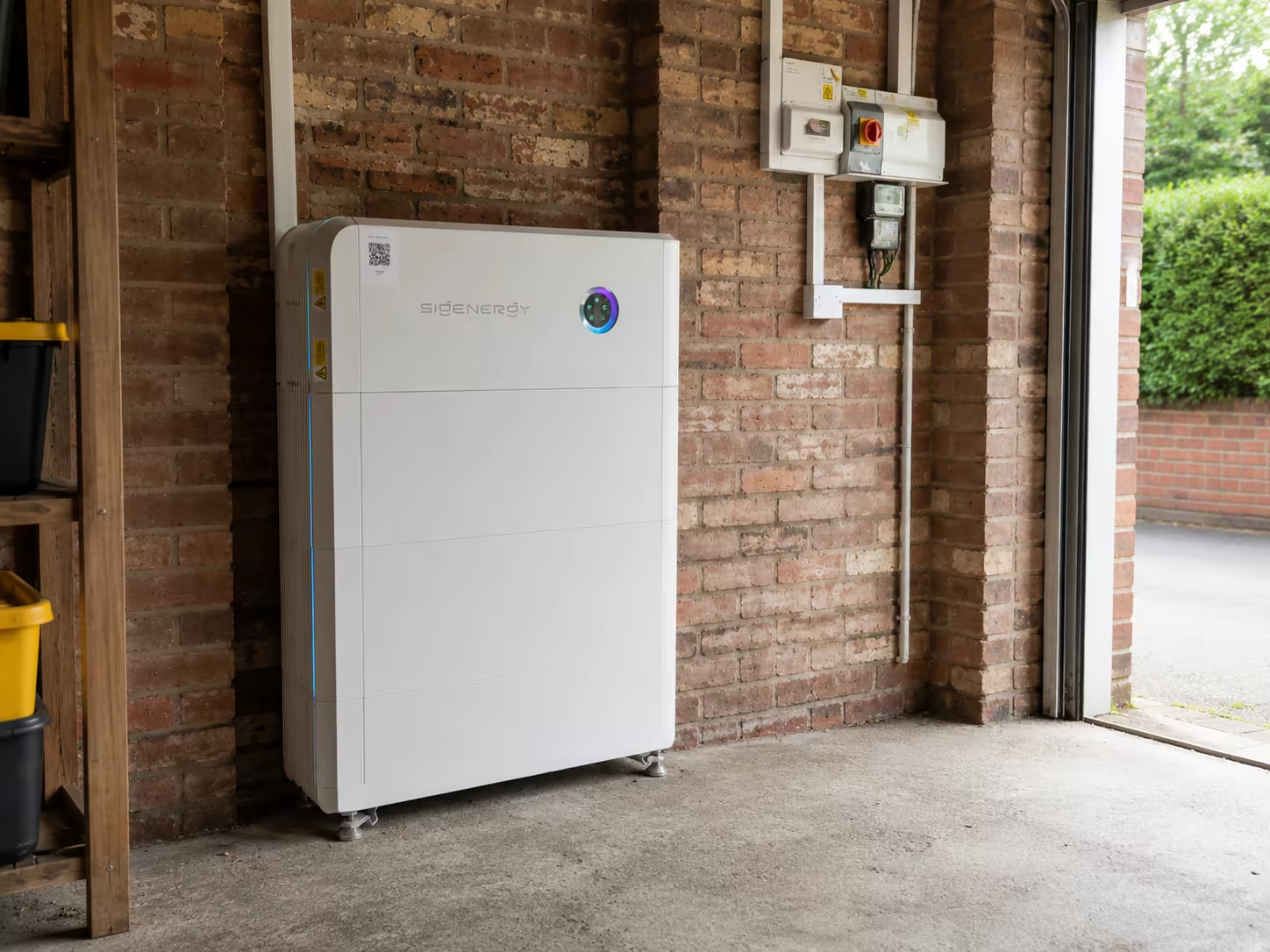
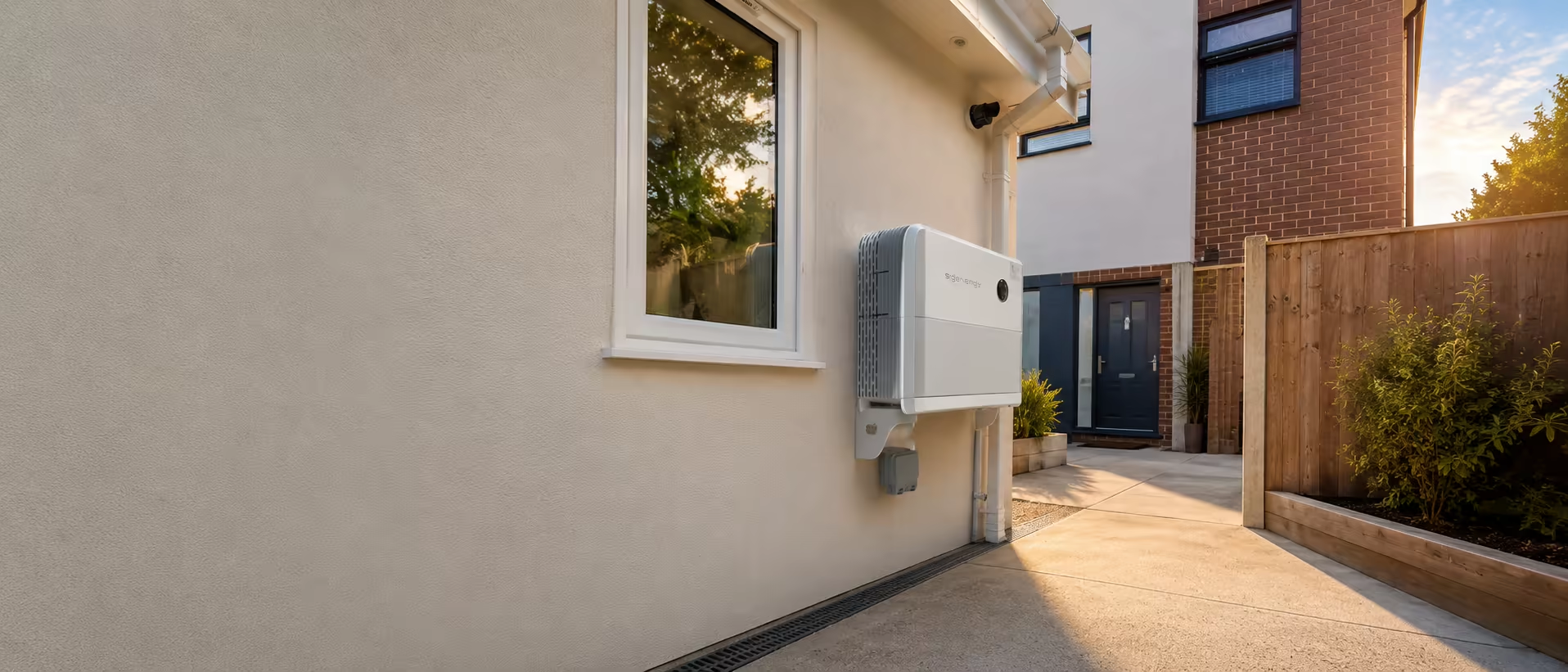
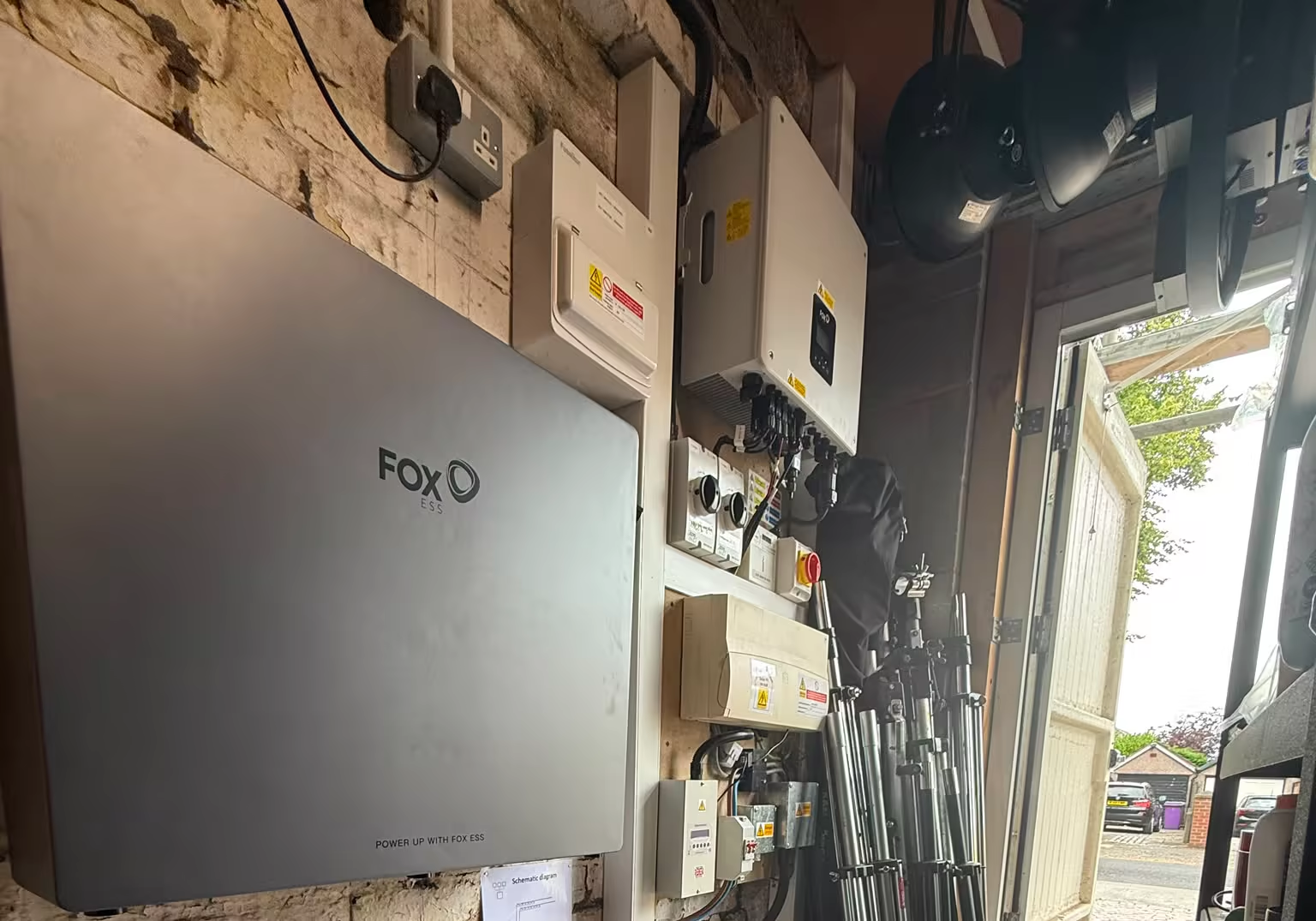
Battery storage is not essential, but it can make a noticeable difference for some homes. A battery stores excess electricity generated during the day so you can use it later, such as in the evening when the panels are no longer producing power.
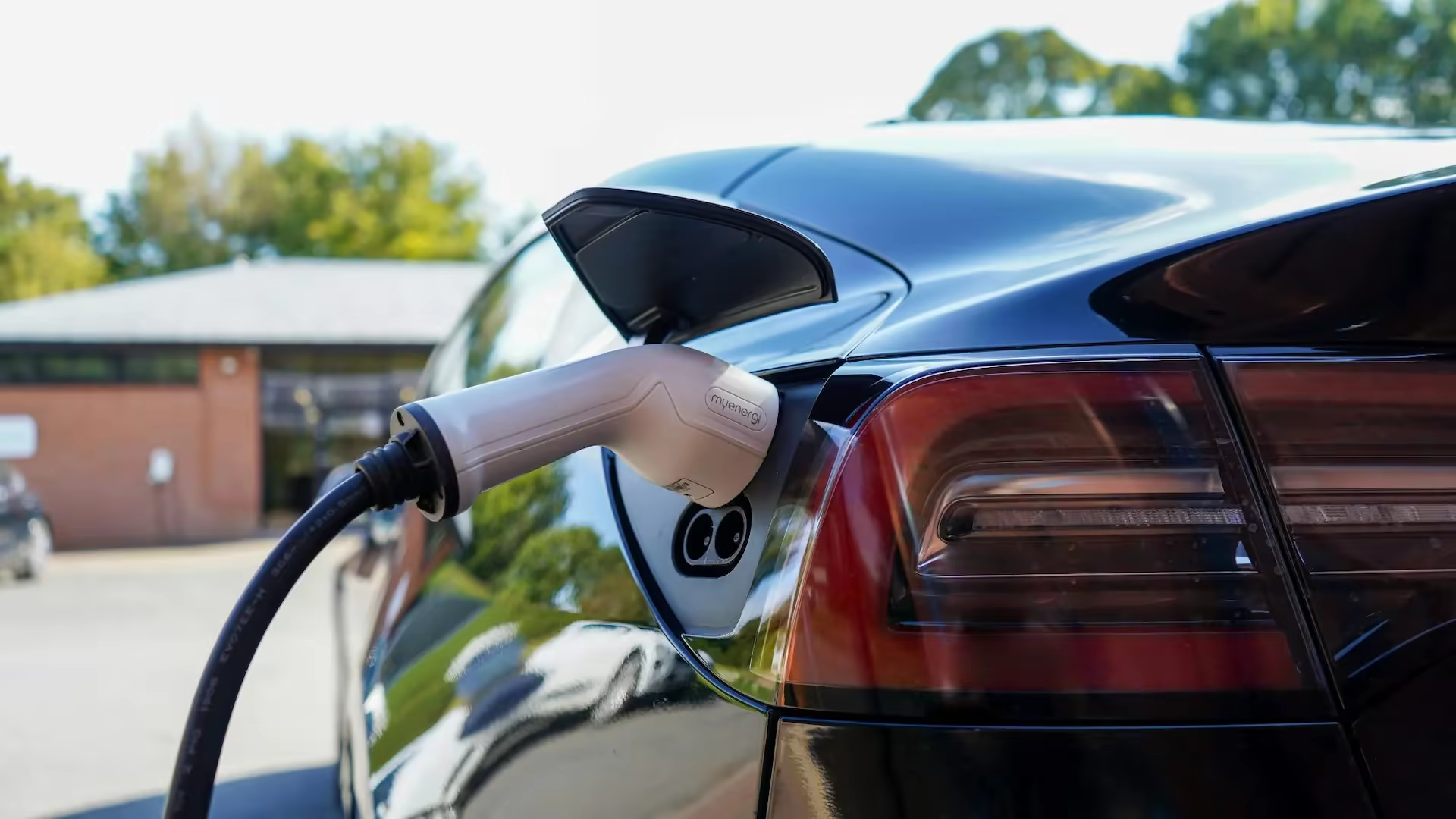
Battery storage is often worth considering if the house is empty during the day, you use most of your electricity in the evening, you own an electric vehicle, you have a heat pump, or you want more protection from rising electricity prices. It can also work well with off-peak electricity tariffs that allow overnight battery charging.
Solar only vs solar with battery
| Solar panels only | Solar panels with battery |
|---|---|
| Lower upfront cost | Higher initial investment |
| Reduces daytime electricity imports | Reduces daytime and evening electricity imports |
| Excess electricity is exported | Excess electricity is stored for later use |
| Eligible for SEG payments | Can still export unused electricity when the battery is full |
| Ideal for homes with daytime usage | Ideal for homes wanting maximum self-consumption |
Neither option is automatically better. The right setup depends on your energy usage, your budget and what you want the system to achieve.
Can you add a battery later?
Yes. Many homeowners install solar panels first and add battery storage later. This can be a sensible option if you want to spread the investment over time or are not sure how your energy usage might change.
If you are considering this route, it is worth discussing hybrid inverter options during the original design. Choosing the right inverter at the start can make adding a battery later simpler and more cost-effective.
Common myths about solar without batteries
Solar is not worth it unless you buy a battery
This is not true. Solar panels were saving homeowners money long before home battery storage became common. A battery can improve how much of your own electricity you use, but it is not a requirement for solar to be worthwhile.
You will not notice any savings
Every unit of electricity you generate and use yourself is electricity you do not have to buy from the grid. The amount saved depends on your usage habits, but many households see a reduction in their bills after installing solar.
You can always use all the electricity your panels produce
Not without the right usage pattern or storage. If your panels are generating more electricity than your home needs at that moment, the surplus is exported. That is why your daily routine matters when designing the system.
Should you buy a battery straight away?
There is no universal answer. Some homeowners benefit from installing solar panels and battery storage together. Others prefer to install solar first and add a battery later as their budget or energy needs change.
The most important thing is to choose a system that suits the way you live. The answer is not always to add the biggest battery available.
Our approach at Generating Energy
At Generating Energy, we do not believe every home needs the same system. We look at your annual electricity usage, when you use electricity, your roof size and orientation, whether you have an EV or heat pump and your future plans.
From there, we recommend the setup that makes sense for your home and your budget. Sometimes that is solar panels on their own. Sometimes it is solar with battery storage. The right answer is the one that gives you the best value.
Frequently asked questions
Do I need a battery with solar panels?
No. Solar panels work well without a battery and can still reduce your electricity bills.
Will I save money without a battery?
Yes. The more solar electricity you use as it is generated, the less electricity you need to buy from the grid.
Can I install a battery later?
In many cases, yes. If the system is designed with future expansion in mind, adding battery storage later can be straightforward.
Is a battery always worth the extra cost?
Not always. It depends on your electricity usage, tariff and goals. A tailored assessment is the best way to work out whether battery storage offers good value for your home.
Final thoughts
Solar panels remain one of the most effective ways for homeowners to reduce electricity bills and generate renewable energy at home. A battery can improve how much of that energy you use yourself, but it is not essential for solar to be worthwhile.
If you are considering solar, the key is choosing a system that suits your property and the way you use electricity. At Generating Energy, every installation is designed by our engineer-led team to match your energy usage and future plans. No one-size-fits-all packages, no pushy sales tactics, just honest advice and systems built for long-term value.