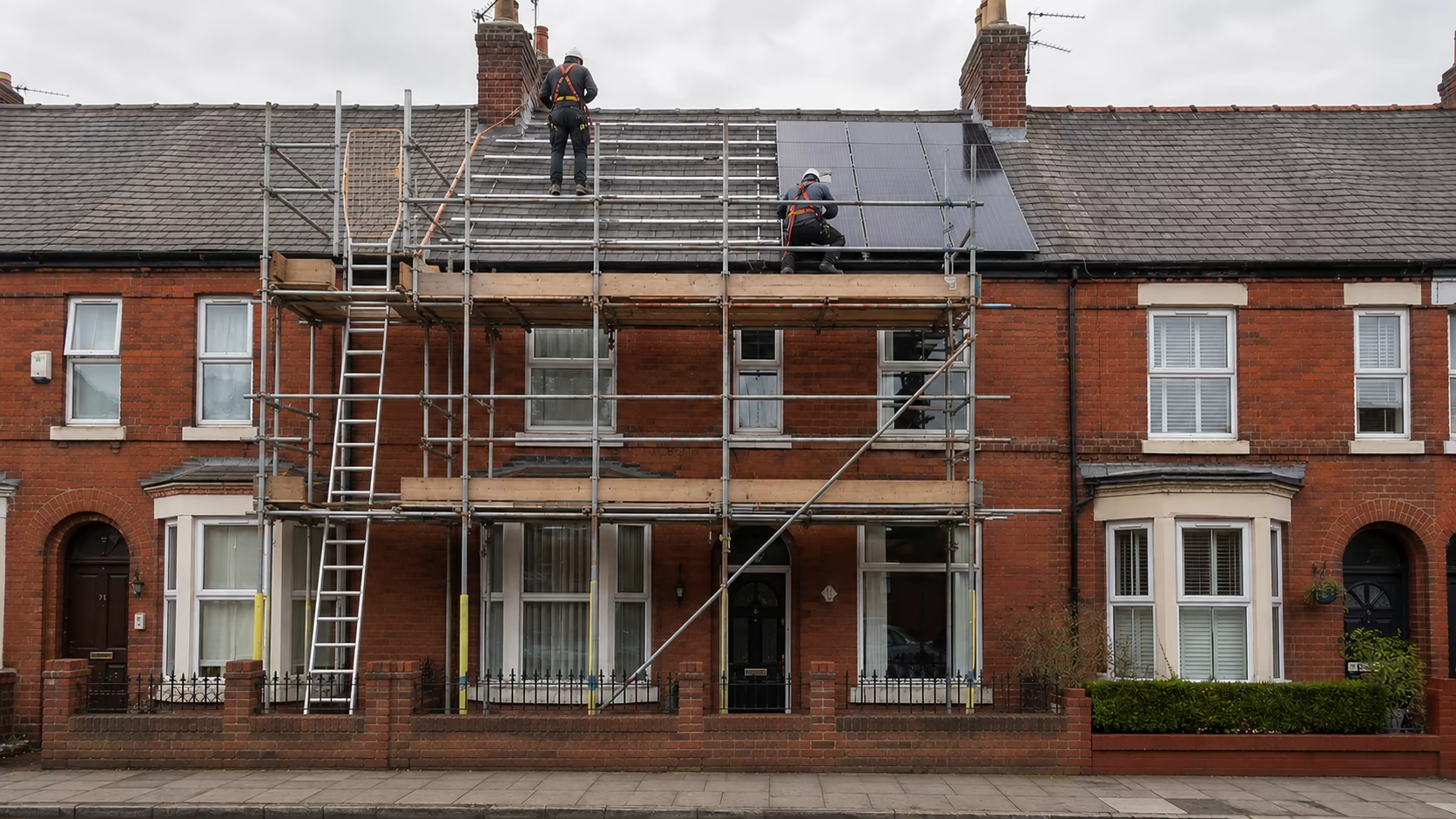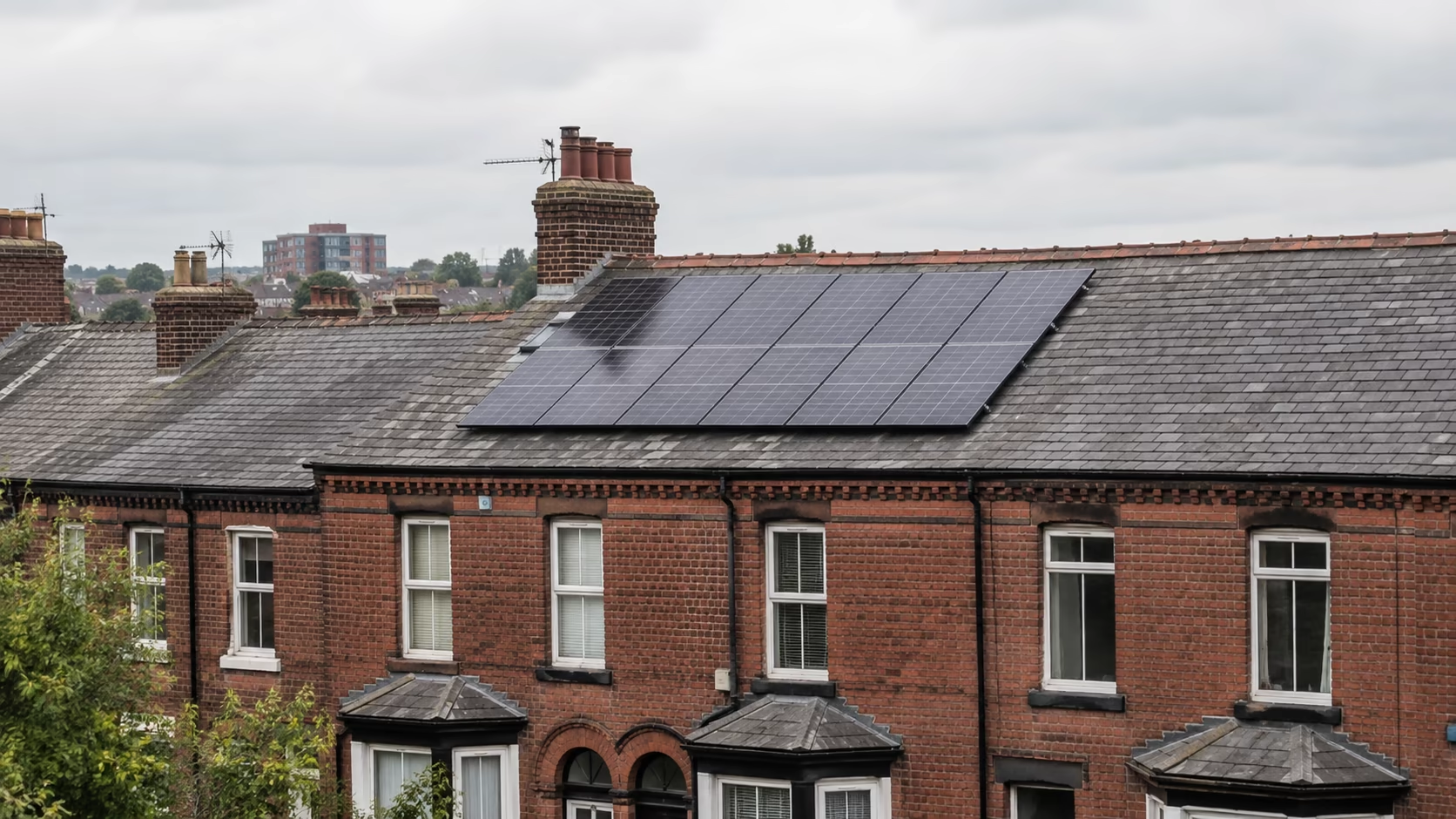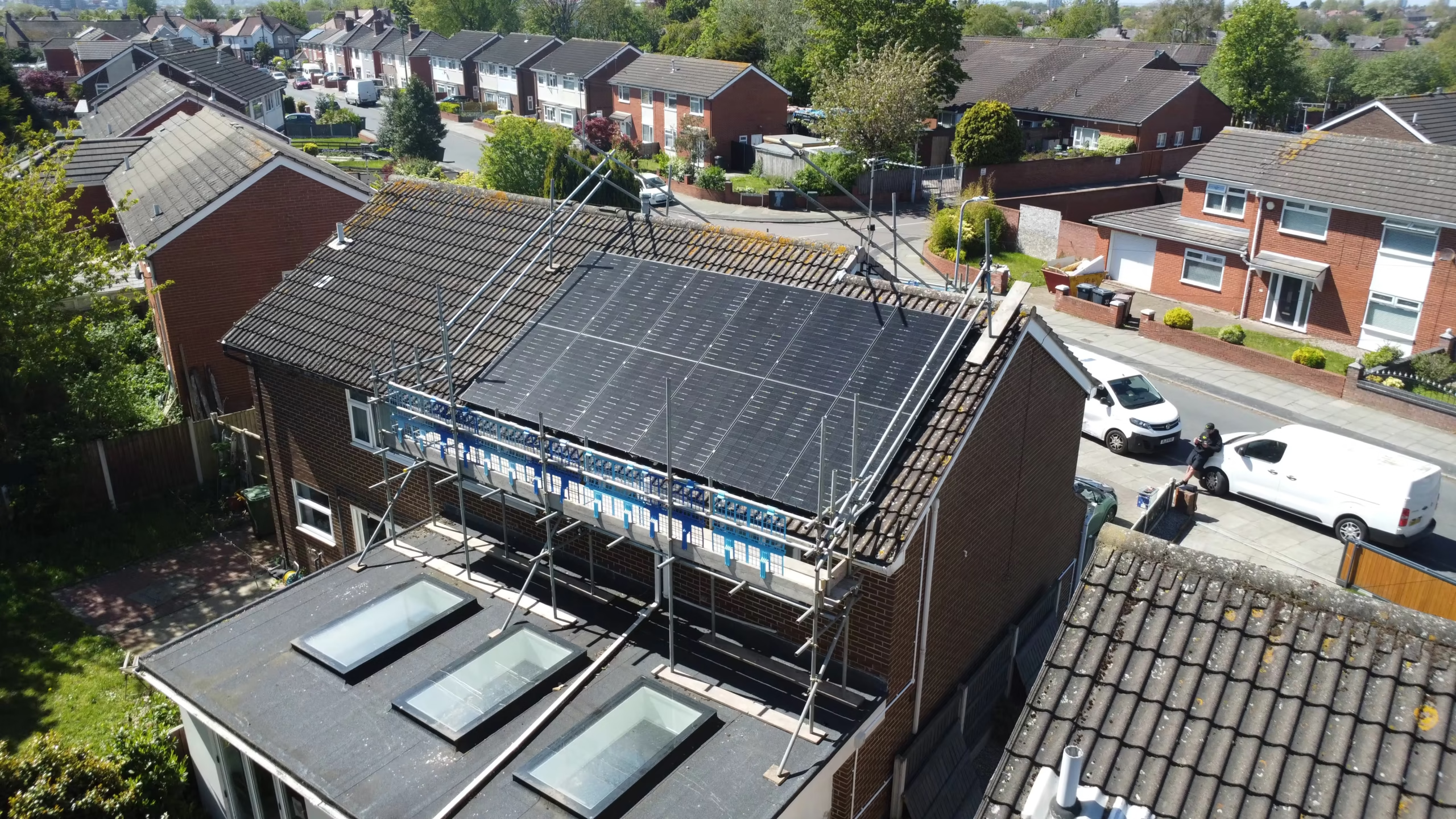

With electricity prices still much higher than they were a few years ago, more homeowners across Liverpool are asking how long it takes for solar panels to pay for themselves. The answer depends on your electricity usage, roof space, system design and whether battery storage is included. For many homes, a well-designed solar PV system installed in 2026 could typically pay for itself in around 7 to 12 years, with the panels continuing to generate electricity for many years after that.
That payback figure is only useful when the system has been designed properly. A solar installation should be planned around how your home actually uses electricity, not just how many panels can fit on the roof. In this guide, we look at what affects your payback period, how to improve your return and why the right installer makes a real difference.
What is solar panel payback?
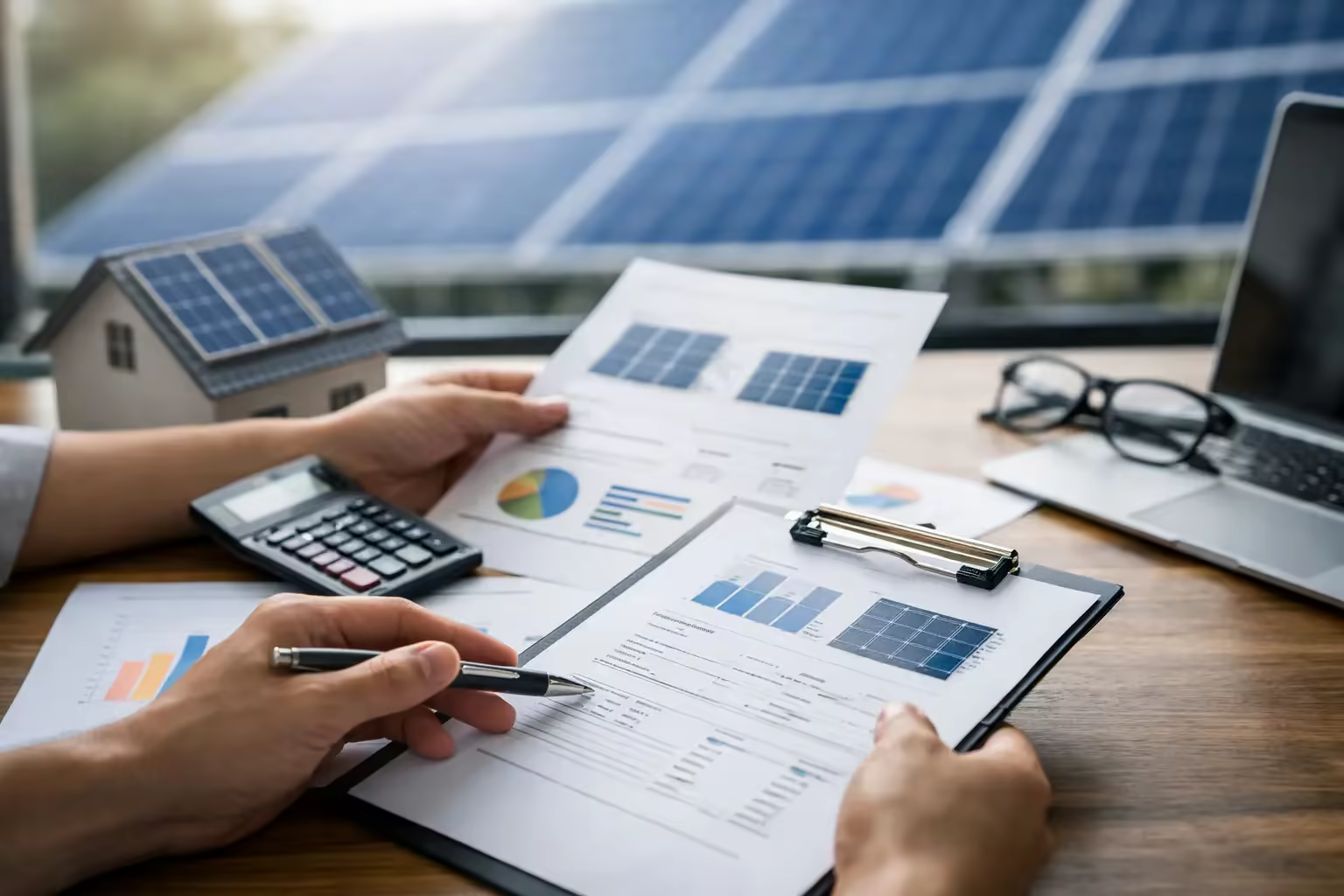
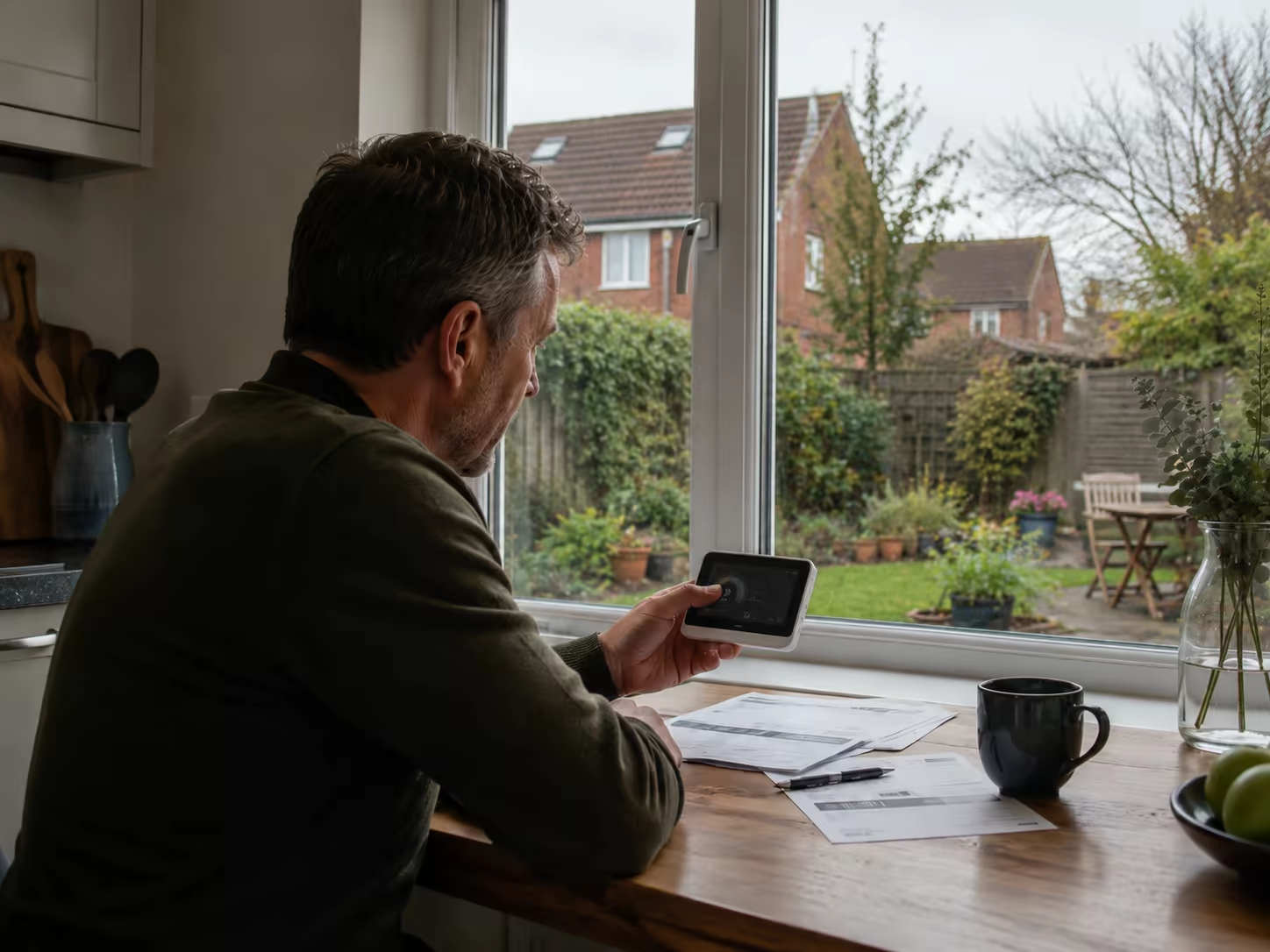
Your payback period is the amount of time it takes for the savings from your solar panels to equal the amount you invested in the system. For example, if an installation costs £9,000 and saves £1,100 per year, the payback period would be around 8 years. After that point, the electricity your system helps you avoid buying is effectively money back in your pocket, apart from any maintenance or replacement costs over the lifetime of the system.
Modern solar panels commonly come with long performance warranties, often 25 years or more. That means many homeowners continue benefiting from lower electricity bills long after the system has paid back its initial cost.
Why Liverpool is a good place for solar
One of the most common concerns we hear is that Liverpool is not sunny enough for solar. In reality, solar panels work from daylight, not only direct sunshine. Output is naturally higher in spring and summer, but panels still generate electricity on bright, cloudy days throughout the year.
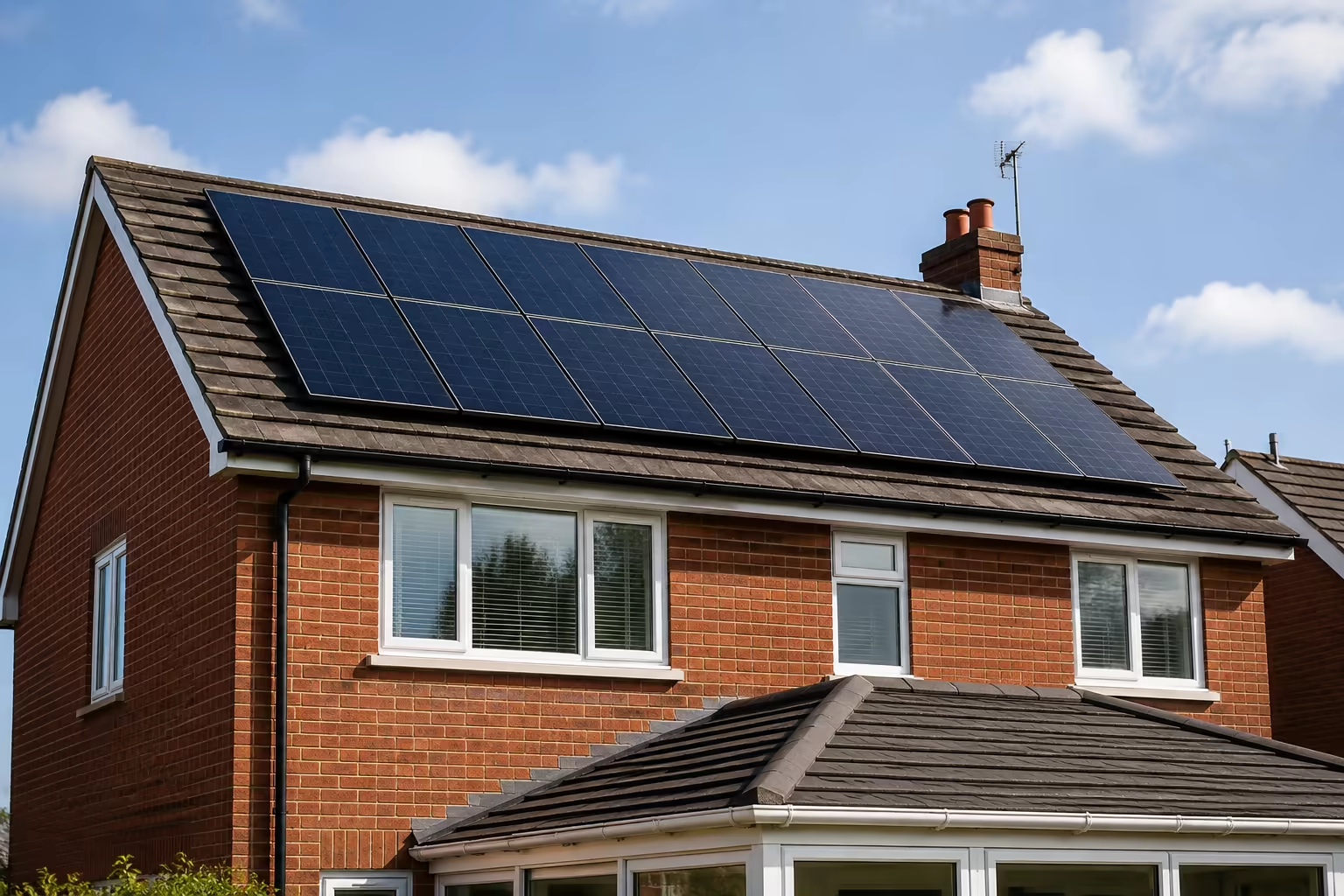
Liverpool receives enough daylight for a properly designed solar PV system to perform well. The important factors are roof direction, roof angle, shading, system size and how much of the electricity you can use in the home.
What affects your payback period?
Every property is different, so there is no single payback period that applies to every home. The main factors are your electricity usage, the size of the system, whether you add battery storage, the price of electricity and any export payments you receive through the Smart Export Guarantee.
Your electricity usage
The more electricity you use while your panels are generating, the more you can save. Homes with electric vehicles, heat pumps, home offices or larger families often see stronger returns because they can use more of their own solar electricity instead of buying it from the grid.
System size
A larger system can generate more electricity, but only if it is suitable for the property. Adding panels without thinking about household usage can increase the upfront cost without improving the payback as much as expected. The best systems are designed around your annual electricity usage and the way your home runs day to day.
Battery storage
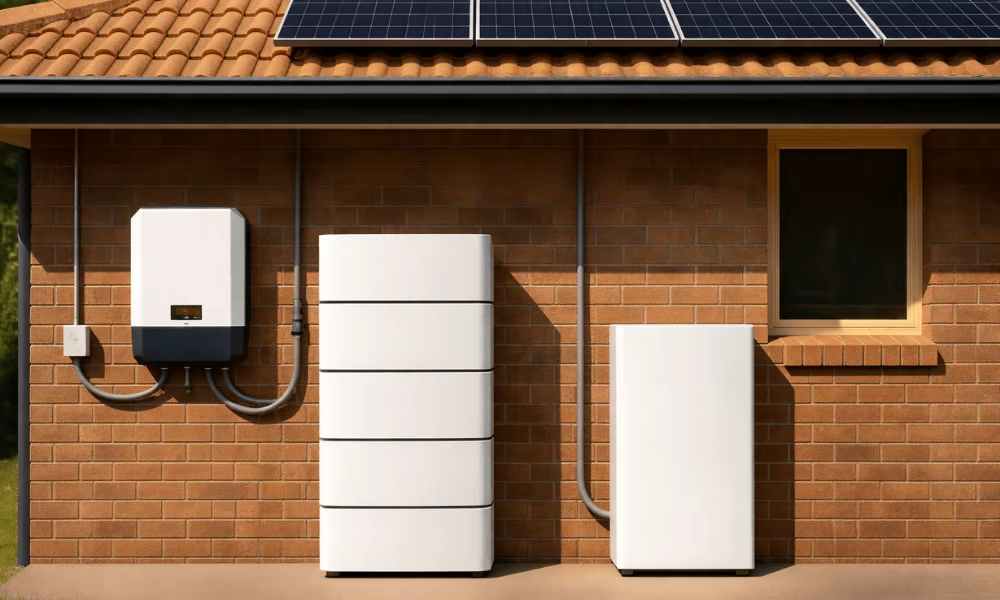
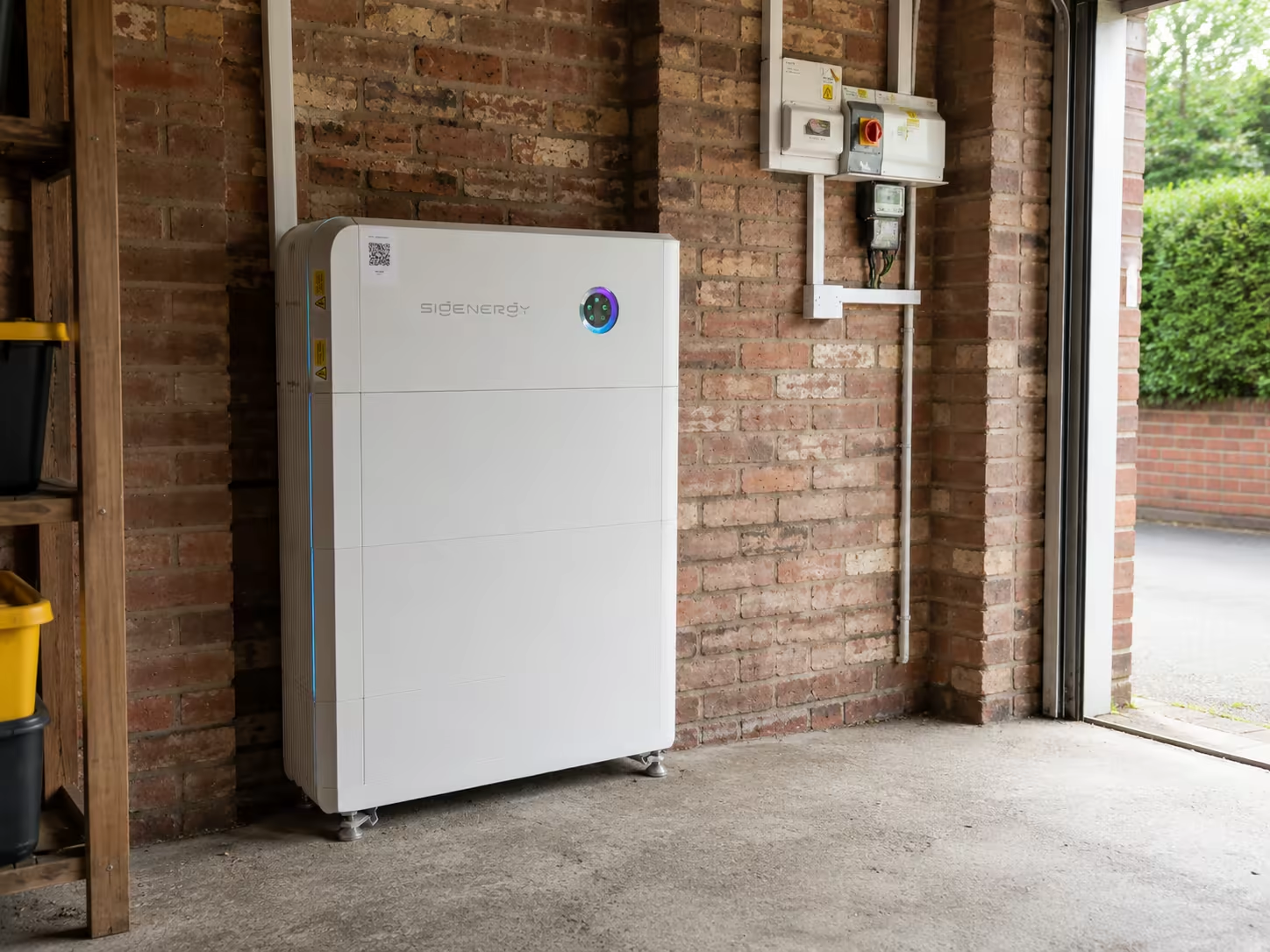
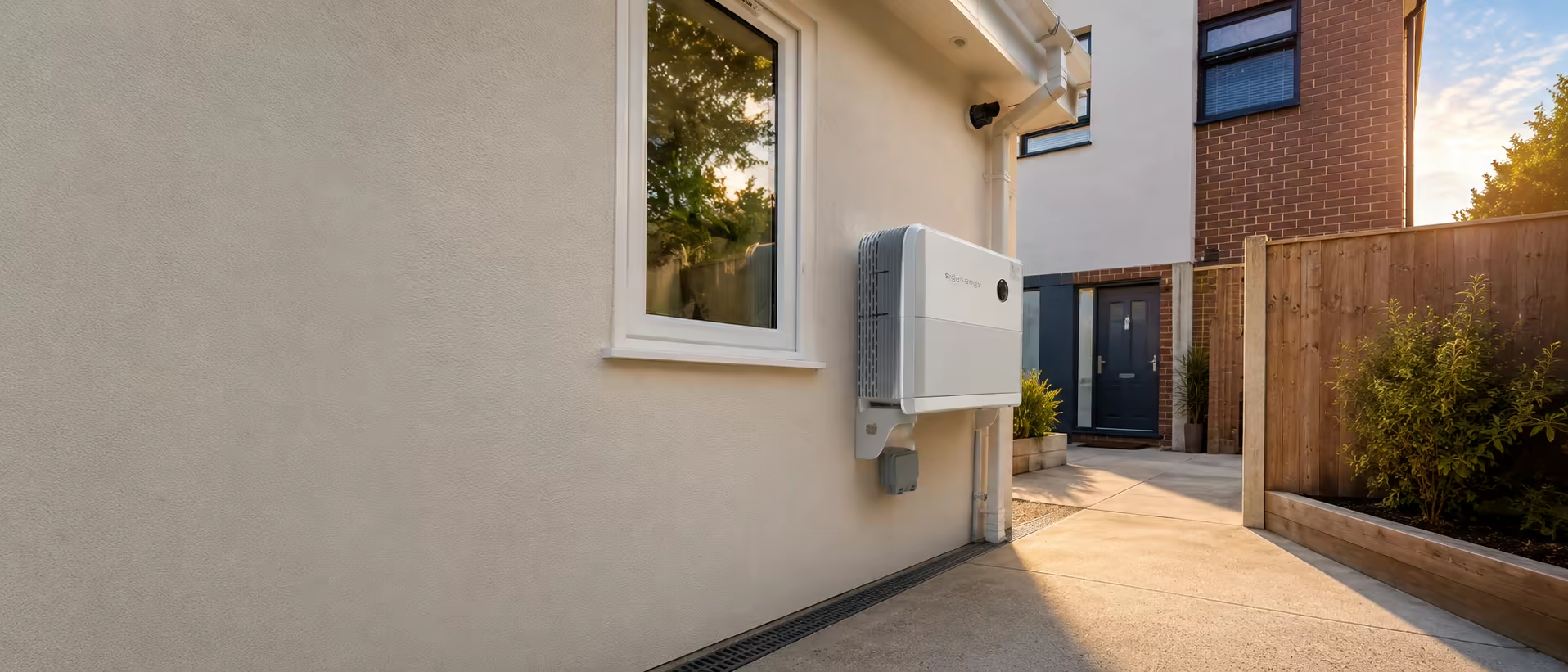
Battery storage lets you keep excess electricity generated during the day and use it later, usually in the evening when household demand is higher. Without a battery, surplus electricity is normally exported to the grid. With a battery, you can use more of your own generation and reduce the amount of electricity you buy from your supplier.
A battery does increase the initial cost, but it can improve the value you get from your solar panels, especially if the house is empty during the day or you can use a cheaper overnight tariff to charge the battery when needed.
Electricity prices
The higher grid electricity prices are, the more valuable your solar generation becomes. Every unit of electricity you generate and use yourself is a unit you do not need to buy. If electricity prices rise in the future, the value of your solar savings can increase too.
Export payments
If your system produces more electricity than your home needs, the excess can usually be exported through the Smart Export Guarantee. Export rates vary between suppliers, so choosing a suitable tariff can improve your overall return. For most homeowners, export payments are a useful bonus, but the biggest saving usually comes from using your own solar electricity in the home.
Example Liverpool payback
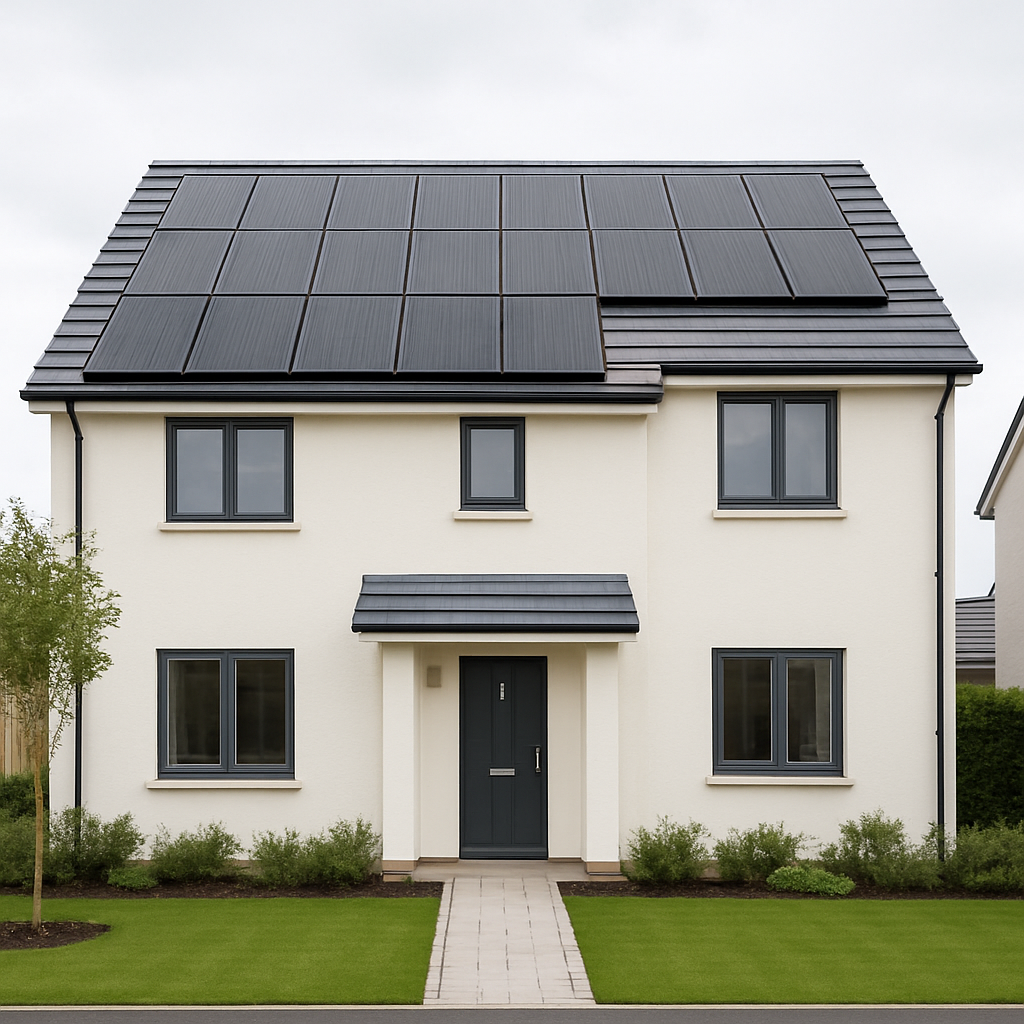
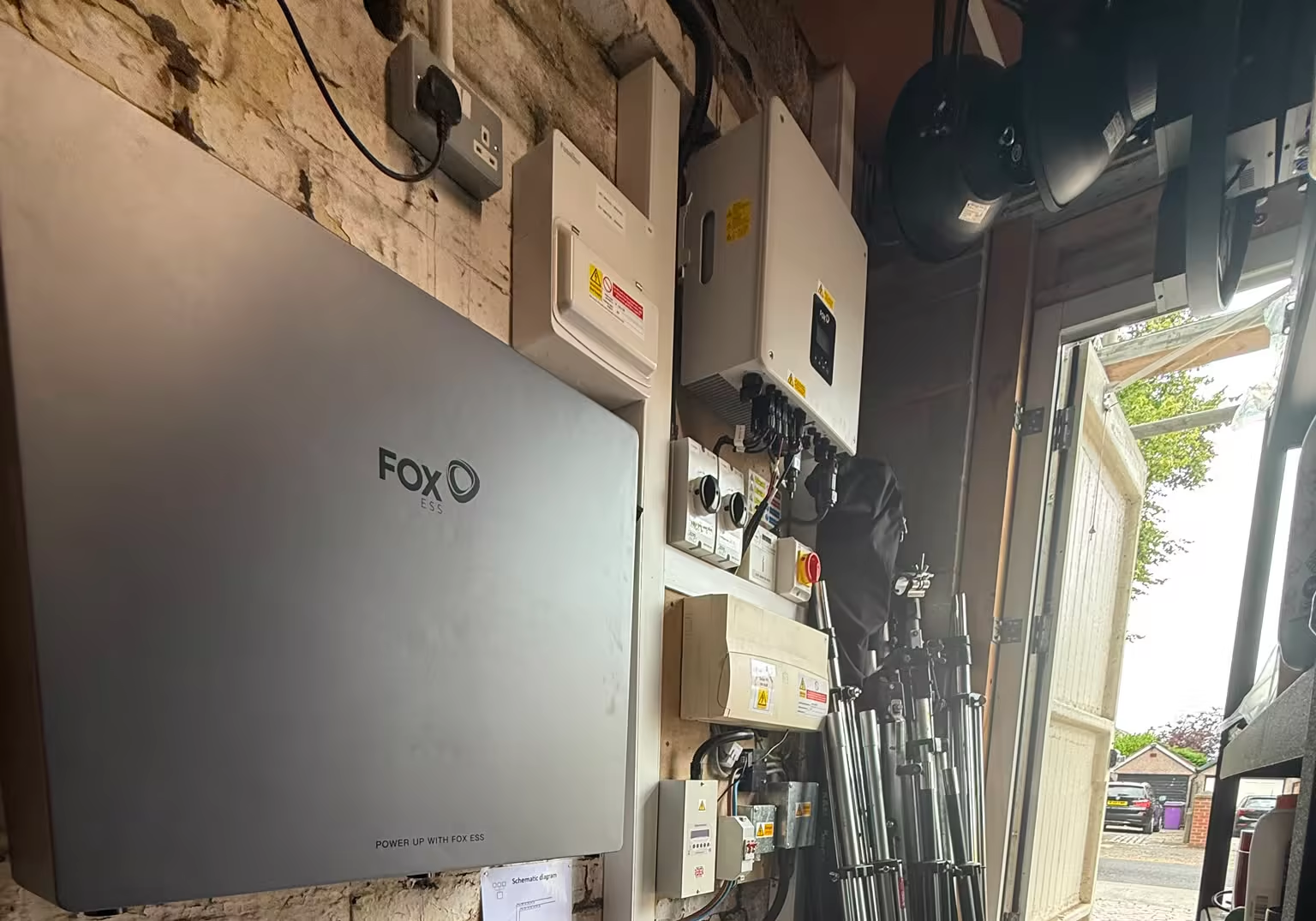
A typical semi-detached home in Liverpool using around 4,800kWh of electricity per year might install a system with 10 x 510W solar panels, a 5kW hybrid inverter and a 10kWh battery. The result could be a significant reduction in imported electricity, lower reliance on future energy prices, some export payments for unused generation and an estimated payback of around 8 to 10 years, depending on usage patterns, electricity prices and tariff choices.
This is why tailored design matters. Generic online calculators can be useful as a starting point, but they cannot fully account for the way your property and household use energy.
Can you speed up your payback?
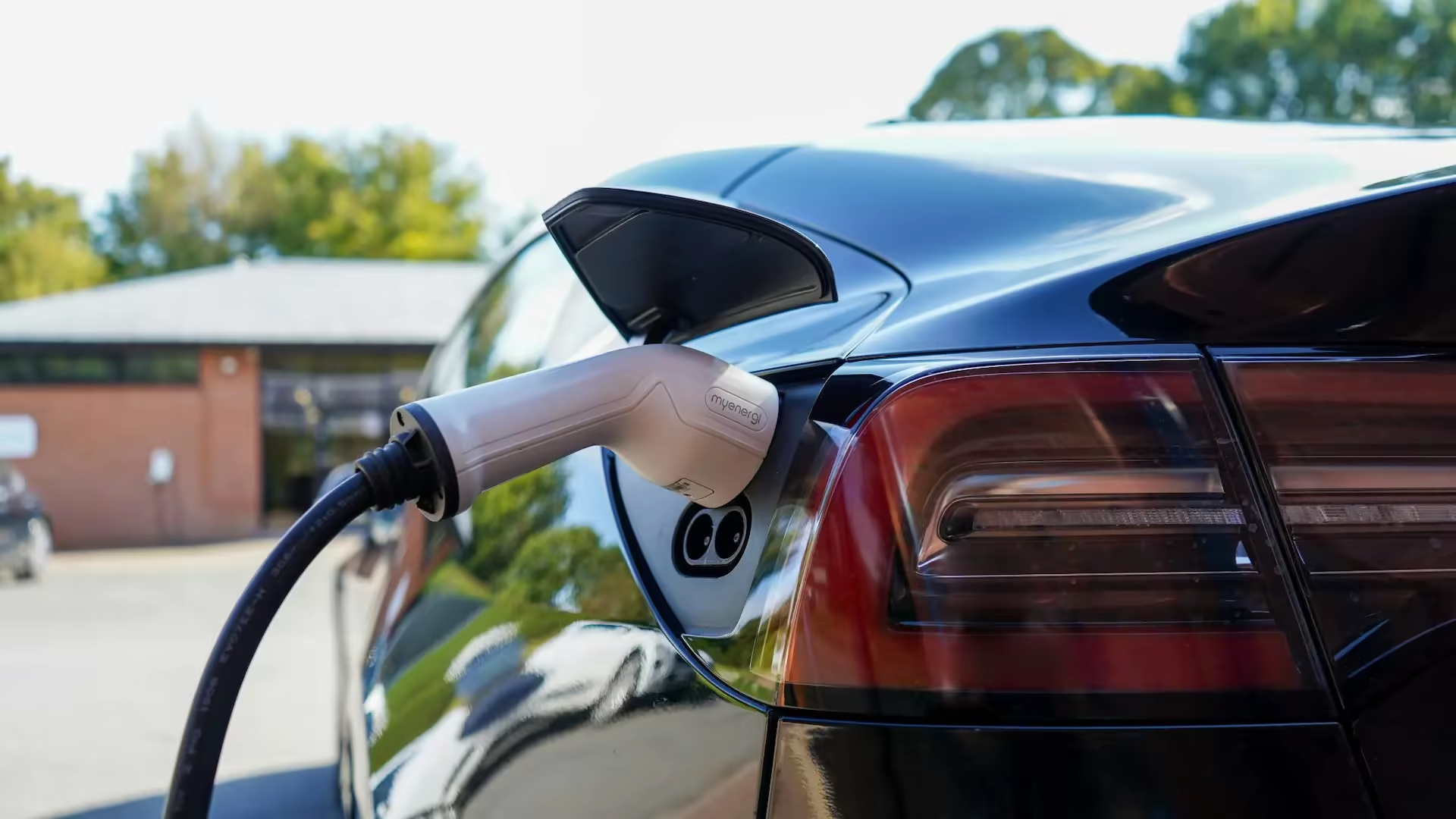
Yes. The simplest way to improve your return is to use more electricity while your panels are generating. Running appliances such as washing machines or dishwashers during the day means you are using your own electricity instead of buying it from the grid. Battery storage can also help by saving daytime generation for the evening. If you own an electric vehicle, charging it with solar energy can reduce running costs compared with relying only on grid electricity.
Equipment quality also matters. Reliable panels, inverters and batteries are more likely to keep performing well for years, which helps protect the long-term value of the system.
Is the cheapest quote always best?
Not usually. Solar is a long-term investment, so a cheaper quote is not always better value. It may include lower-efficiency panels, a smaller inverter, a less suitable design, limited aftercare or subcontracted installation.
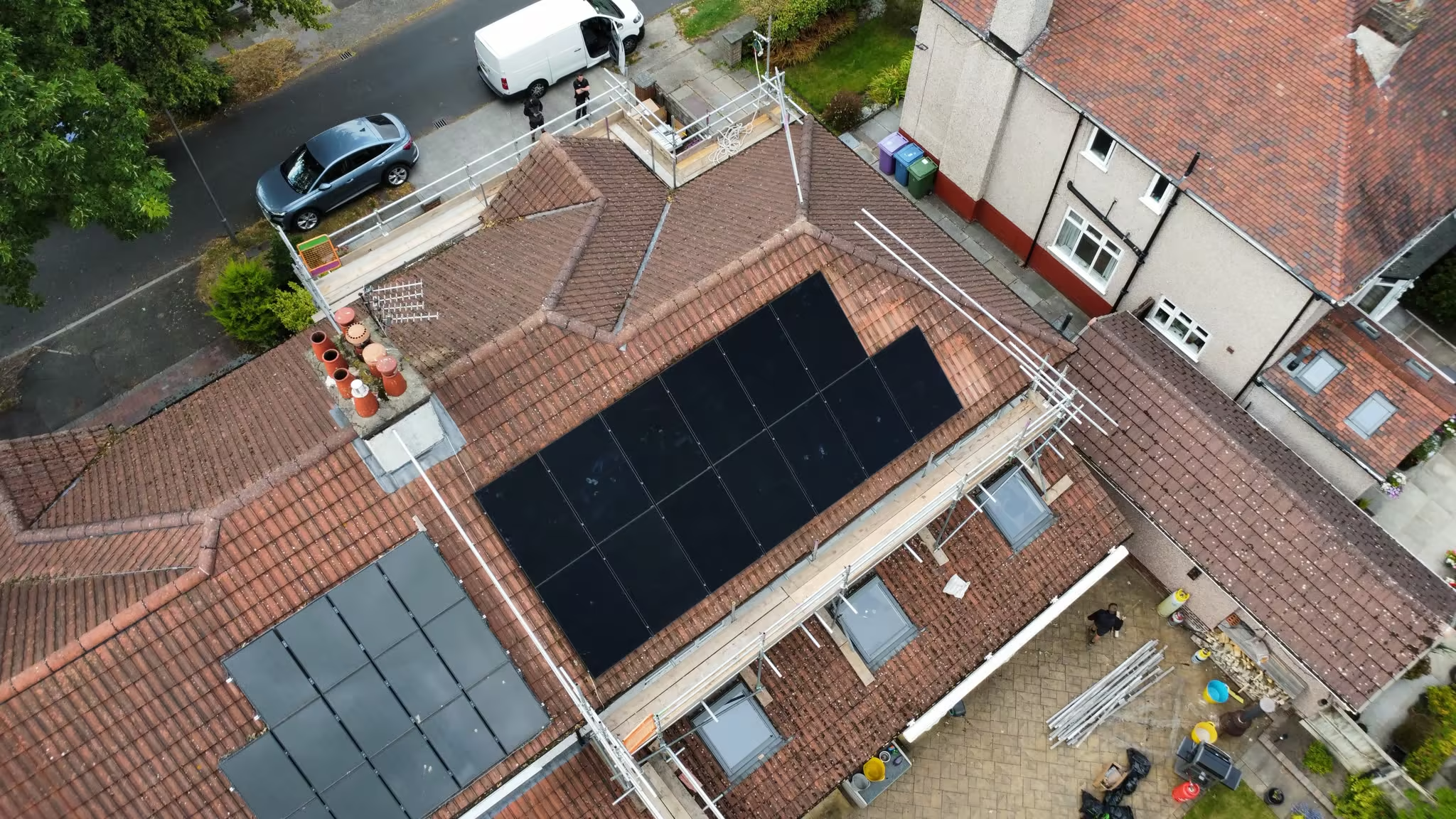
A properly designed system that matches your energy usage is often worth more than the lowest upfront price. At Generating Energy, we are an engineer-led business with a fully in-house installation team. The people designing your system understand how it will be installed, which helps make sure the design works properly for your property.
Is solar still worth it in 2026?
For many homeowners, yes. If you have a suitable roof, rising electricity bills, some daytime electricity usage and plans to stay in the property for several years, solar panels can provide long-term savings while reducing your dependence on the grid.
No installer can guarantee exact savings or a fixed payback period, because energy prices and household usage can change. What a good installer can do is design a system around your home so the figures are realistic from the start.
Frequently asked questions
How long do solar panels last?
Most modern solar panels are designed to operate for 25 years or more. Output gradually reduces over time, but many panels continue generating electricity well beyond their warranty period.
Does adding a battery reduce the payback period?
Not always. A battery increases the upfront cost, but it also increases how much of your own solar electricity you can use. Whether it improves the payback depends on your energy usage, tariff and system design.
Do solar panels work in winter?
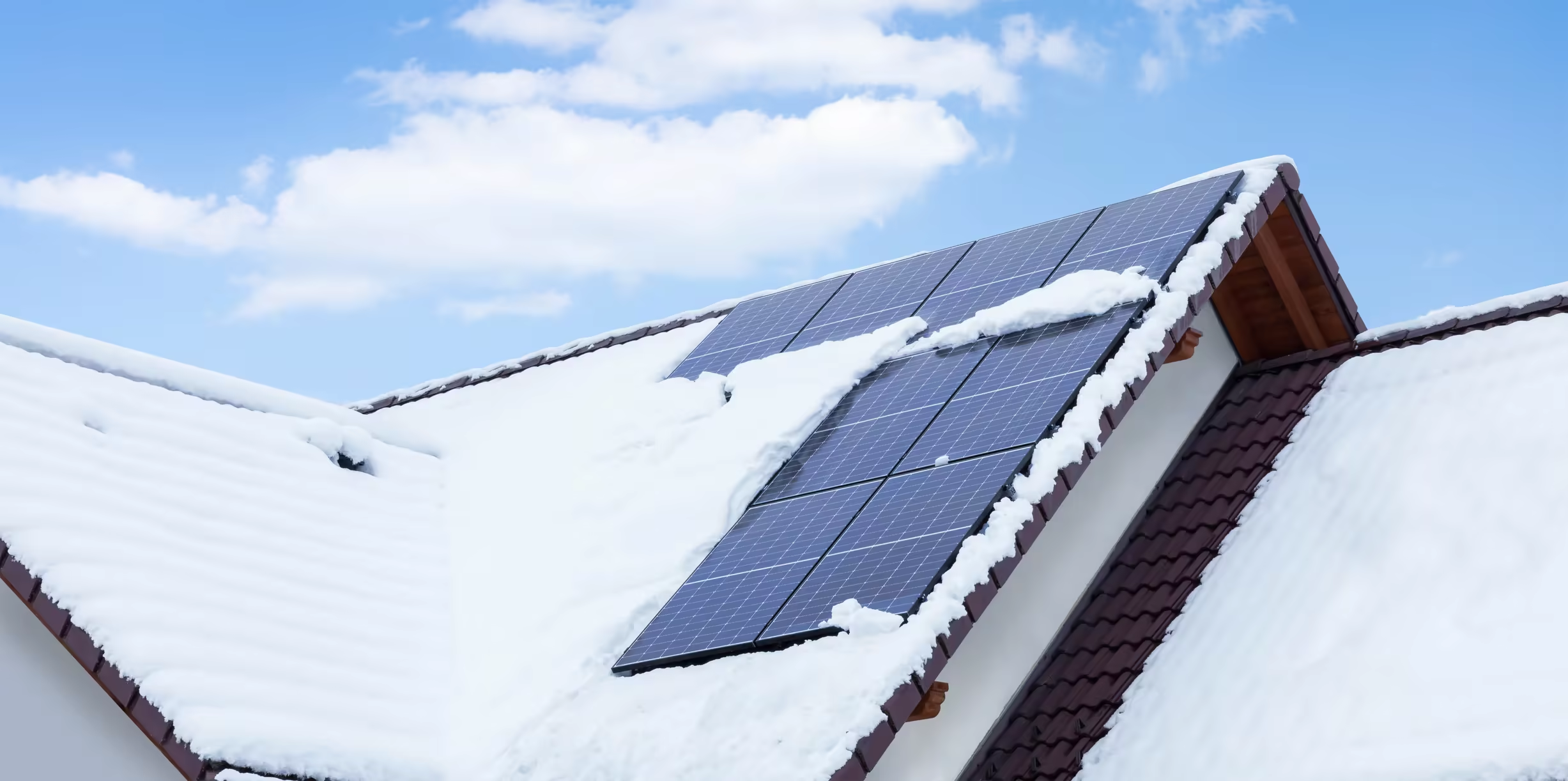
Yes. Generation is lower in winter because the days are shorter, but solar panels still produce electricity whenever there is daylight.
Are solar panels worth it in Liverpool?
For many homes, yes. Liverpool gets enough daylight for solar PV systems to generate meaningful electricity across the year, provided the system is designed properly.
Get your personalised solar payback estimate
Every home is different. Your roof, electricity usage and future plans all affect how quickly a solar system could pay for itself.
At Generating Energy, we do not believe in one-size-fits-all packages. Every system is designed around your home, your energy usage and your long-term goals by our experienced in-house engineering team. If you would like to find out what solar could save on your property, get in touch for a tailored proposal with no obligation.