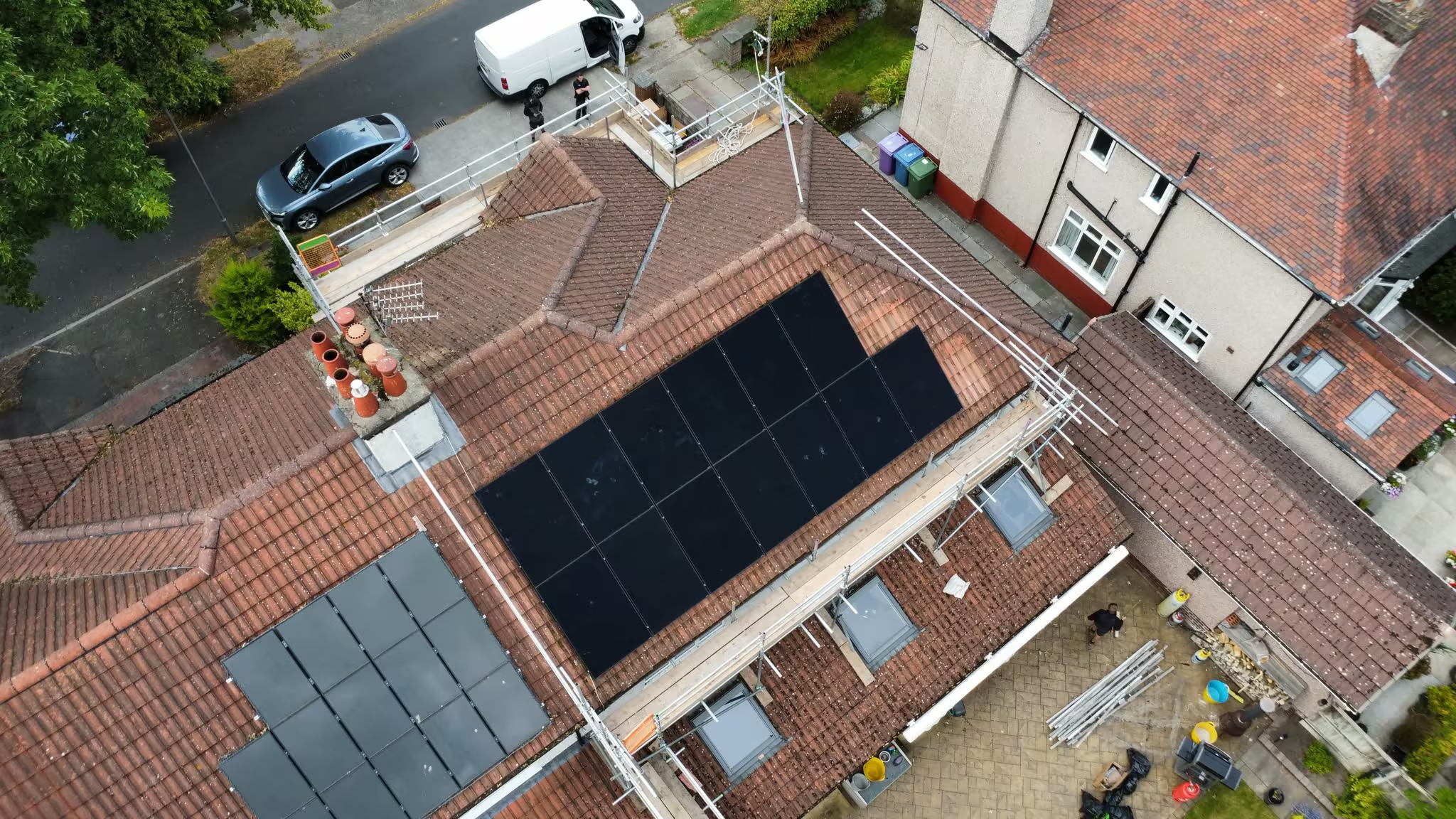

Installing solar panels does not only reduce the amount of electricity you buy from the grid. It can also allow you to earn money by exporting unused electricity. This is where the Smart Export Guarantee, often called SEG, comes in.
Since replacing the old Feed-in Tariff scheme, SEG has become the main way homeowners are paid for exporting excess renewable electricity back to the grid. The important thing to know is that not all SEG tariffs are the same. Supplier rates and eligibility rules change regularly, so it is worth checking your options before signing up or switching.
In this guide, we explain how SEG works, what affects your export income and how to think about import and export tariffs together.
What is the Smart Export Guarantee?
The Smart Export Guarantee is a government-backed scheme that requires larger electricity suppliers to pay eligible homeowners for renewable electricity exported to the grid. If your solar panels generate more electricity than your home is using, the excess can be exported and your chosen SEG supplier pays you for each unit exported.
Unlike the old Feed-in Tariff, you are only paid for electricity you actually export, not everything your solar system generates.
Who can claim SEG payments?
Most homeowners can qualify if they have solar panels installed by an MCS-certified installer, an MCS-certified solar PV system or equivalent approved certification, a smart meter capable of recording export readings and a system within the scheme capacity limits.
Your installer should provide the documentation needed when you apply for an export tariff. Without the right paperwork, your application can be delayed or rejected.
How much can you earn?
Your export income depends on your tariff, how much electricity you export, whether you have battery storage and how much electricity your household uses during the day. For example, exporting 2,000kWh per year at 5p per kWh would earn £100. Exporting the same amount at 15p per kWh would earn £300.
That difference shows why tariff choice matters. It is not something to set once and forget about for years.
Why do SEG rates vary so much?
SEG rates are set by suppliers, not fixed by the Government. Some suppliers offer fixed export rates, some offer variable rates, some have time-of-use export tariffs and others reserve their best rates for existing customers or homes with compatible batteries.
This is why comparing tariffs is important. Two homes with similar solar systems can end up with different returns simply because they are on different export rates.
Some competitive SEG tariff types in 2026
| Supplier | Typical tariff type | Often suitable for |
|---|---|---|
| Good Energy | High flat-rate export | Homeowners wanting a simple fixed payment |
| Octopus Energy | Fixed and time-of-use tariffs | Battery owners and smart tariff users |
| British Gas | Premium export for customers | Existing British Gas customers |
| EDF | Competitive export tariffs | EDF electricity customers |
| ScottishPower | Standard export tariff | Homeowners wanting a simple SEG option |
Tariffs change often, so always check the latest supplier rates, eligibility rules and contract terms before making a decision. Some premium tariffs require you to buy and export electricity through the same supplier. Others are available as standalone export tariffs.
Should you choose the highest export rate?
Not automatically. Many homeowners focus only on the export rate, but your import tariff is just as important. A higher export rate can look attractive, but it may not be the best deal if the same supplier charges more for the electricity you buy.
For example, one tariff might pay 15p per kWh for exported electricity but charge 23p per kWh for imports. Another might pay 10p per kWh for exports but charge 19p per kWh for imports. Depending on how much electricity you import and export over a year, the second option could leave you better off overall.
The best tariff is the one that fits your home, not simply the one with the highest advertised export rate.
Does a battery affect SEG payments?
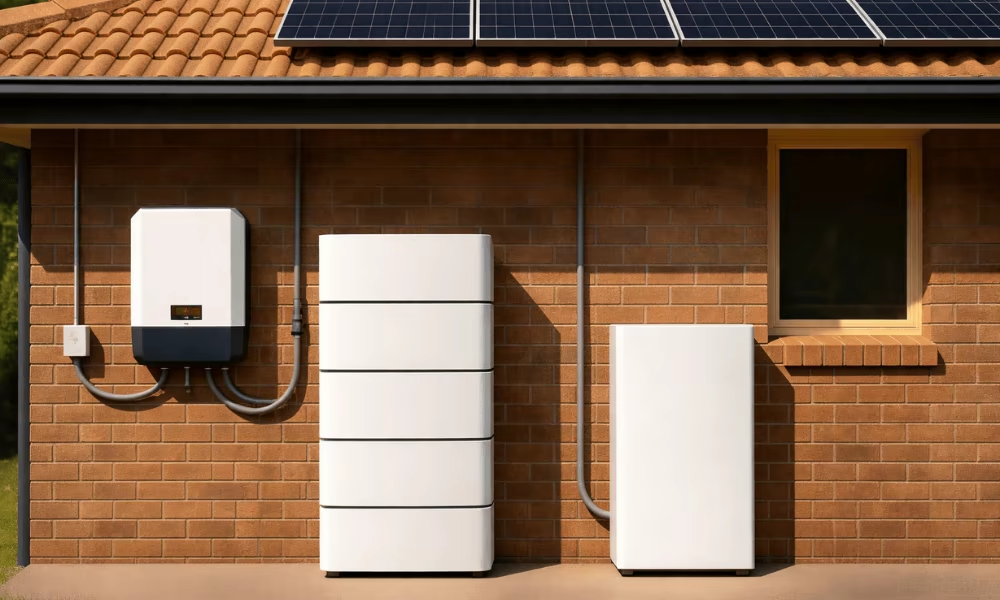
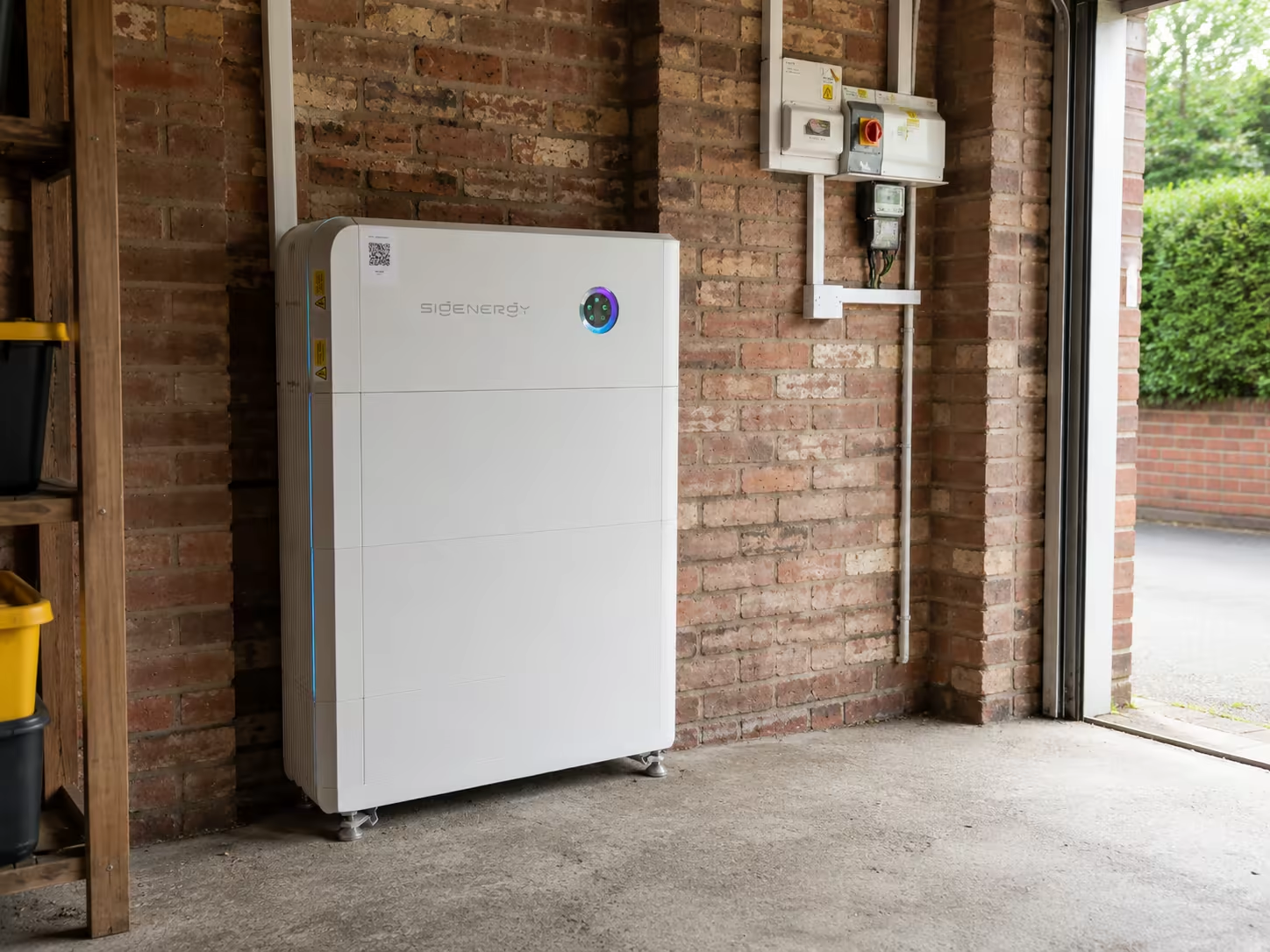
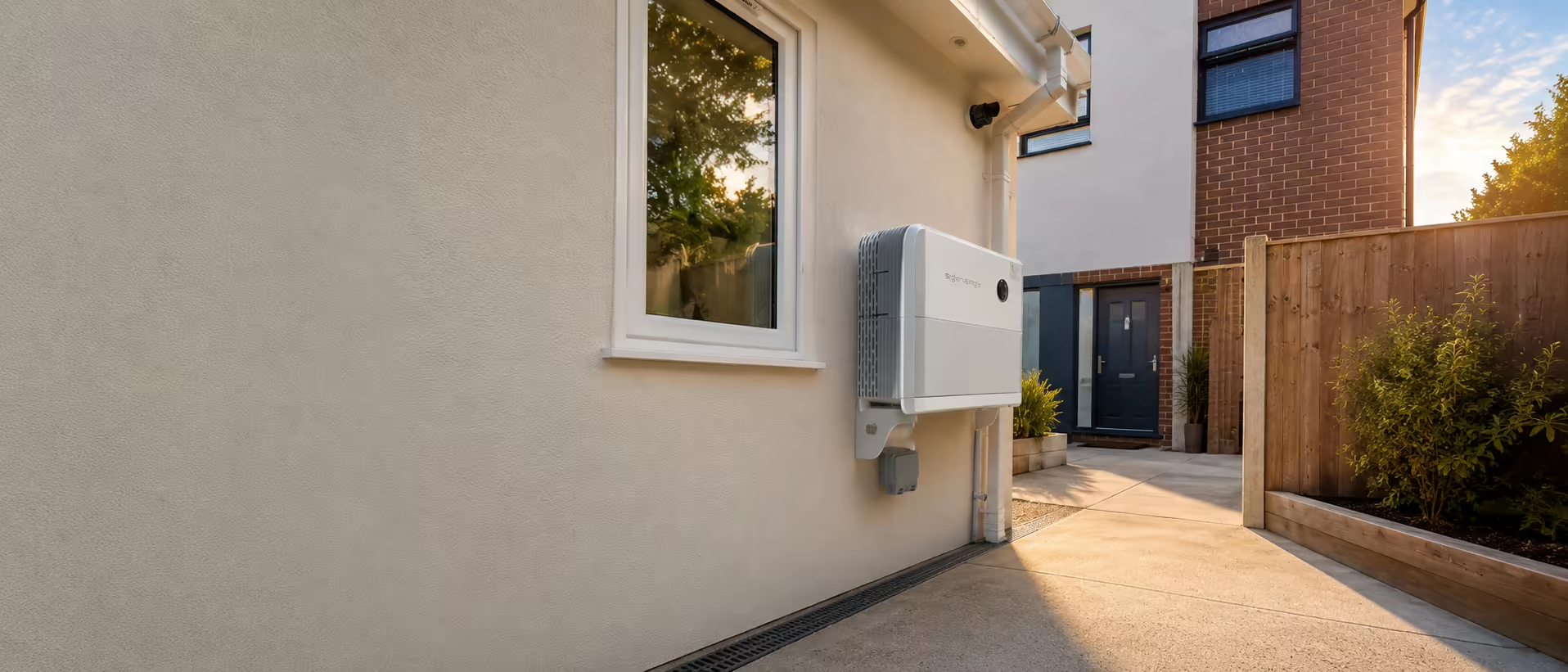
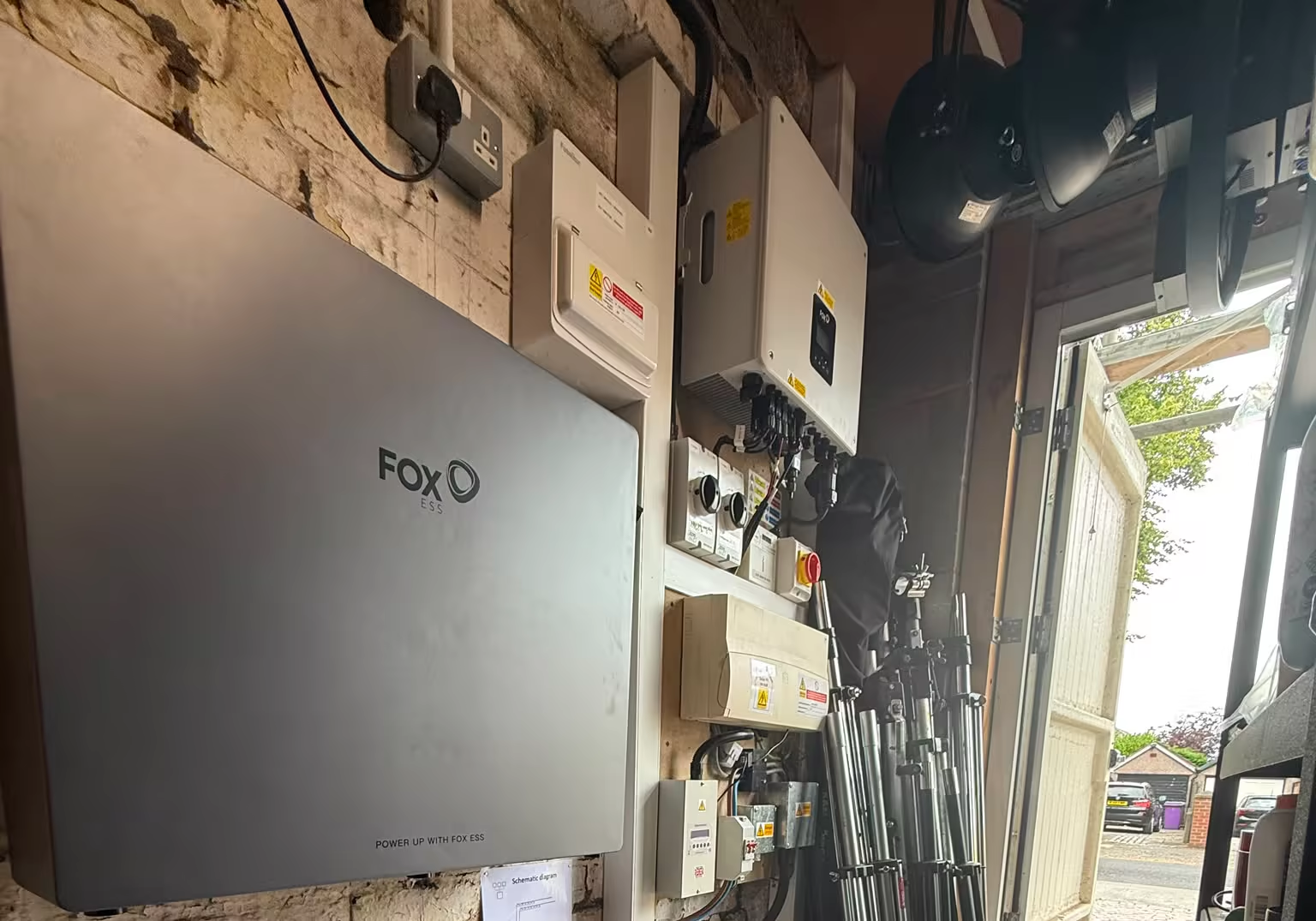
Yes. A battery changes how much electricity you export. Without a battery, more surplus electricity may be exported during the day, which can increase export payments. With a battery, more electricity is stored for your own use, so export income may reduce, but bill savings often increase.
This is why many homeowners find that battery storage improves their overall financial return, even if they export fewer units. Using your own stored electricity can be worth more than selling it and buying power back later at a higher price.
Time-of-use export tariffs
Some suppliers now offer export tariffs that pay different rates depending on the time of day. These are often designed for homes with battery storage, smart inverters, smart meters and flexible electricity usage.
During periods of high demand, export rates can be higher than standard flat-rate tariffs. However, these tariffs usually require compatible equipment and careful energy management, so they are not always the right fit for every household.
Can you use one company for import and another for export?
In many cases, yes. Some homeowners assume they must use the same supplier for both importing and exporting electricity, but many SEG tariffs are available independently of your import supplier.
There are exceptions. Some premium tariffs are only available if you also buy electricity from that supplier, so it is important to check the terms before switching.
How to maximise your solar income
Review your SEG tariff regularly, because suppliers change rates and terms. Using more of your own solar electricity is also important, as importing electricity usually costs more than SEG pays for exports. Battery storage can help by storing excess solar energy for later use, while the right electricity tariff can improve the overall return from your system.
The strongest result usually comes from looking at your import tariff, export tariff, battery setup and household usage together.
Common questions about SEG
Do I need a smart meter?
Yes. Your supplier needs accurate export readings to calculate payments.
Can I switch my SEG tariff?
Usually, yes. If another supplier offers a better deal and you meet their eligibility criteria, you can apply to switch.
Will I make lots of money from exporting?
Export payments are a useful bonus, but for most homeowners the biggest financial benefit comes from using their own solar electricity rather than selling it.
Can battery owners still receive SEG payments?
Yes. If your battery is full and your solar panels keep generating electricity, the surplus can still be exported and paid under your chosen SEG tariff.
Our advice at Generating Energy
When we design a solar system, we do not just look at the number of panels. We consider your annual electricity usage, whether you work from home, whether you own an EV, your future plans, whether battery storage would benefit you and which import and export tariffs are likely to suit your lifestyle.
Choosing the right tariff can make a noticeable difference over the lifetime of your system, but it is only one part of the picture. A well-designed solar installation that matches your energy usage will almost always deliver better long-term value than simply chasing the highest export rate.
Final thoughts
The Smart Export Guarantee is a useful way to earn extra income from electricity your solar panels do not use. However, the highest-paying export tariff is not always the best overall choice. Import prices, battery storage, electricity usage and eligibility rules all affect the final result.
Before switching, compare the latest tariffs, check the terms and make sure they suit the way your home uses energy. A small amount of research could increase your annual return without changing your solar system at all.