
If you’re adding battery storage to a solar PV system, one of the biggest decisions is how much capacity you need. It can be tempting to assume the largest battery must be the best, but that isn’t necessarily the case.
A battery should be sized around your home’s electricity consumption, solar generation and the times when you use power. Installing substantially more storage than you can regularly use could mean paying for capacity that spends much of its life sitting unused.
Start with your daily electricity consumption
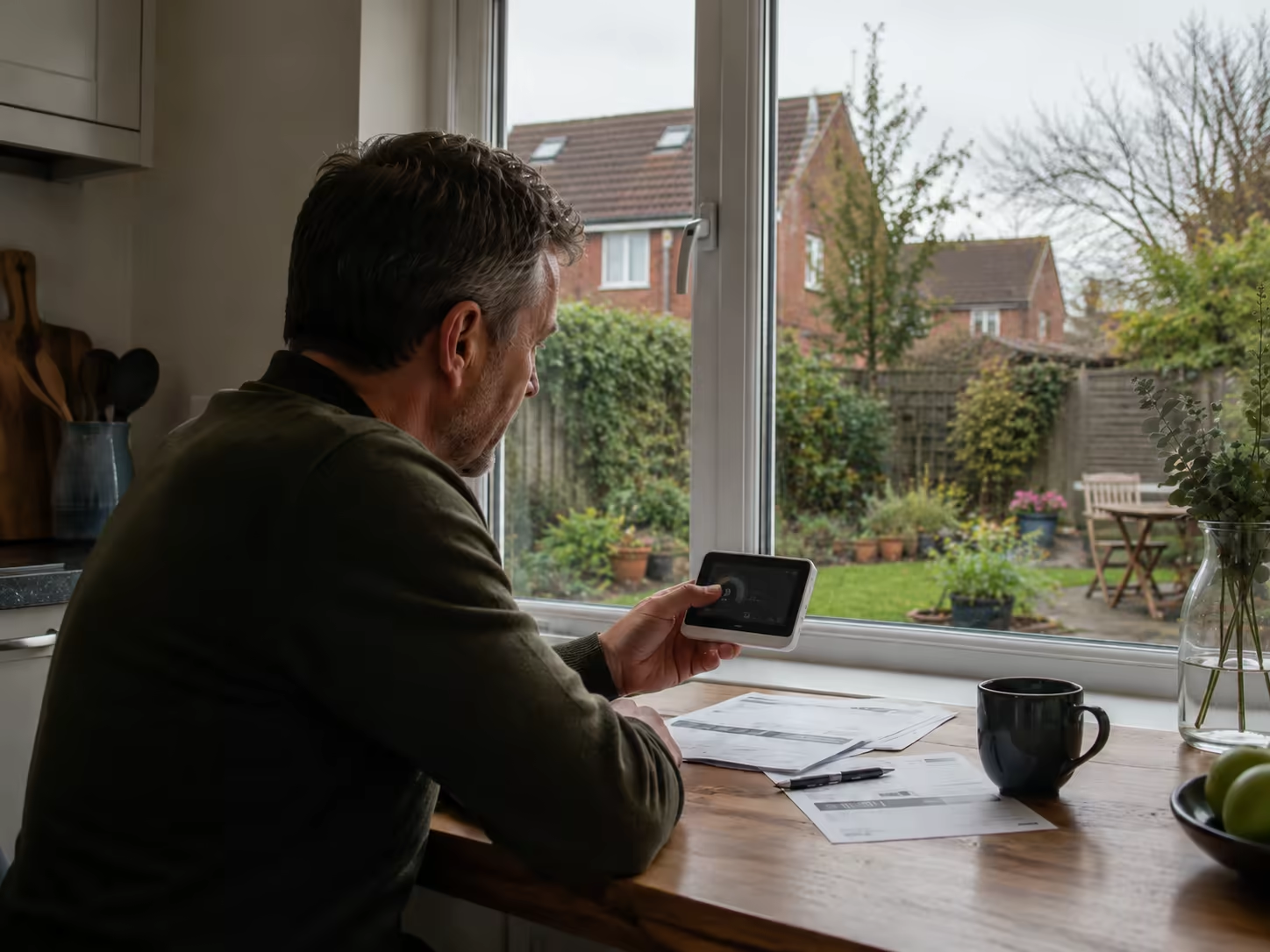
Your electricity bills provide a useful starting point. Rather than looking only at how much you spend in pounds, check your consumption in kilowatt-hours, shown as kWh.
Ideally, review a full year because electricity consumption can change significantly between summer and winter. You should also consider when that electricity is used.
A household consuming most of its power during daylight hours may already use a good proportion of its solar generation directly. A property that is empty all day and busy every evening may have more surplus solar available to store.
What does battery capacity mean?
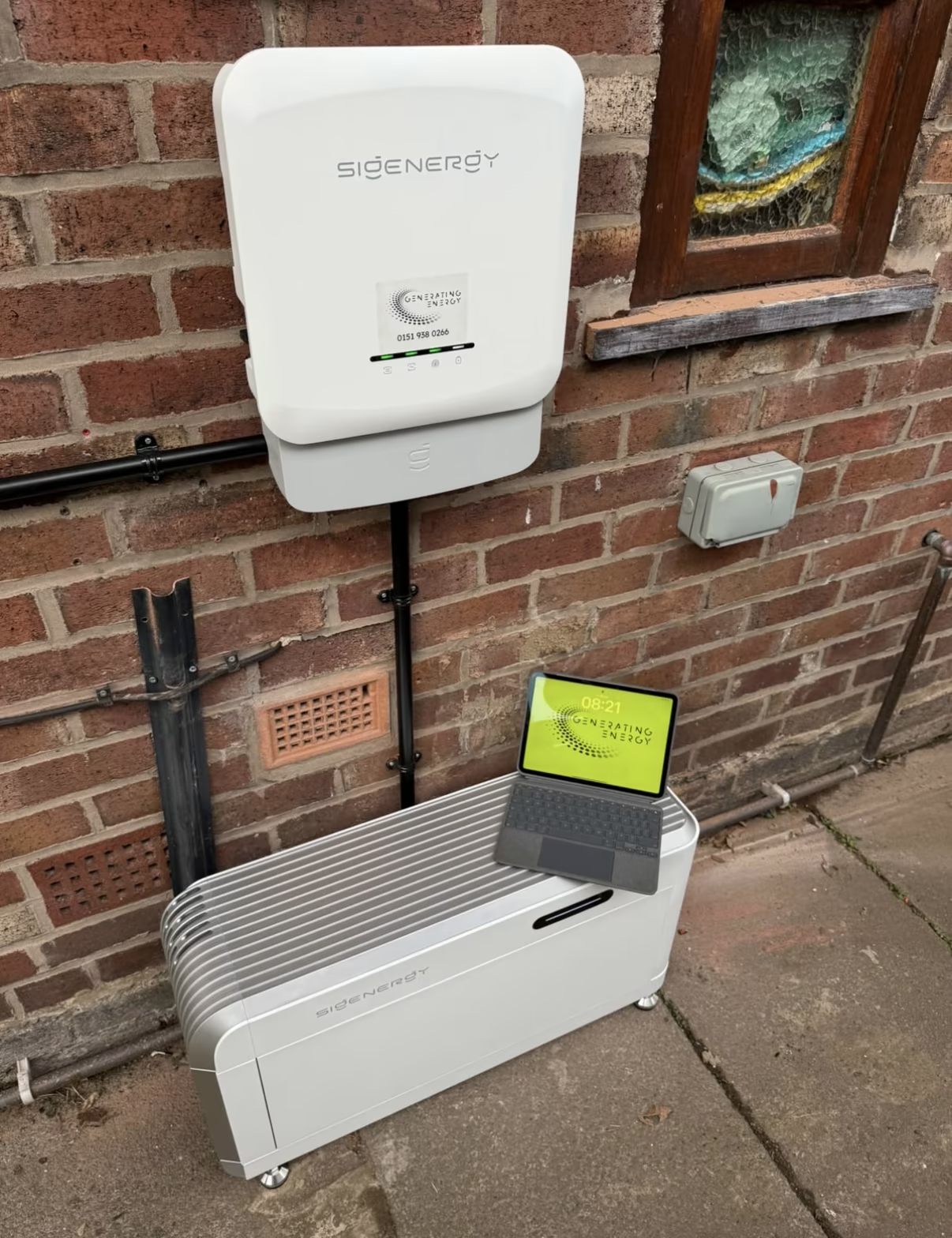
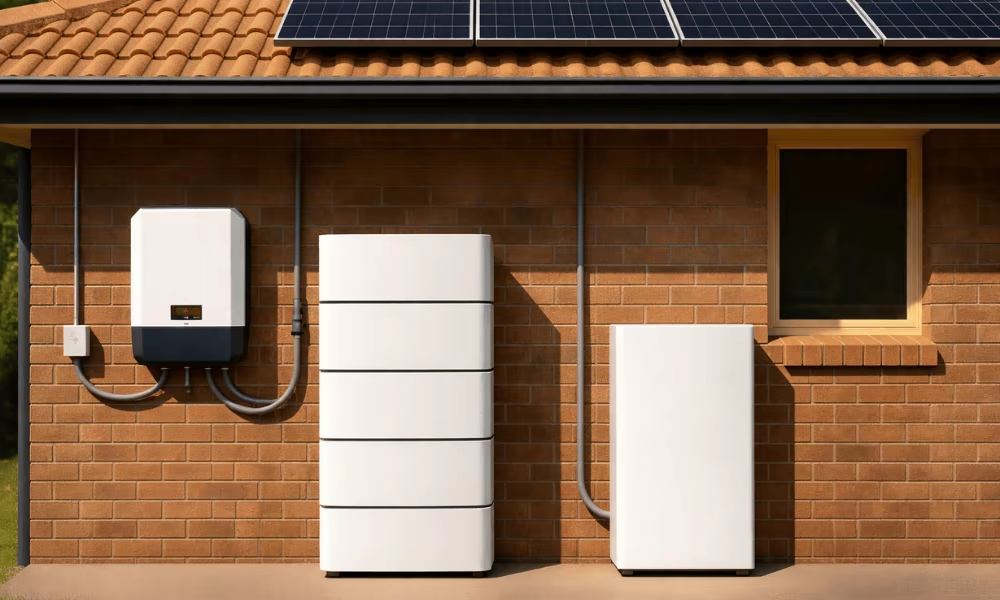
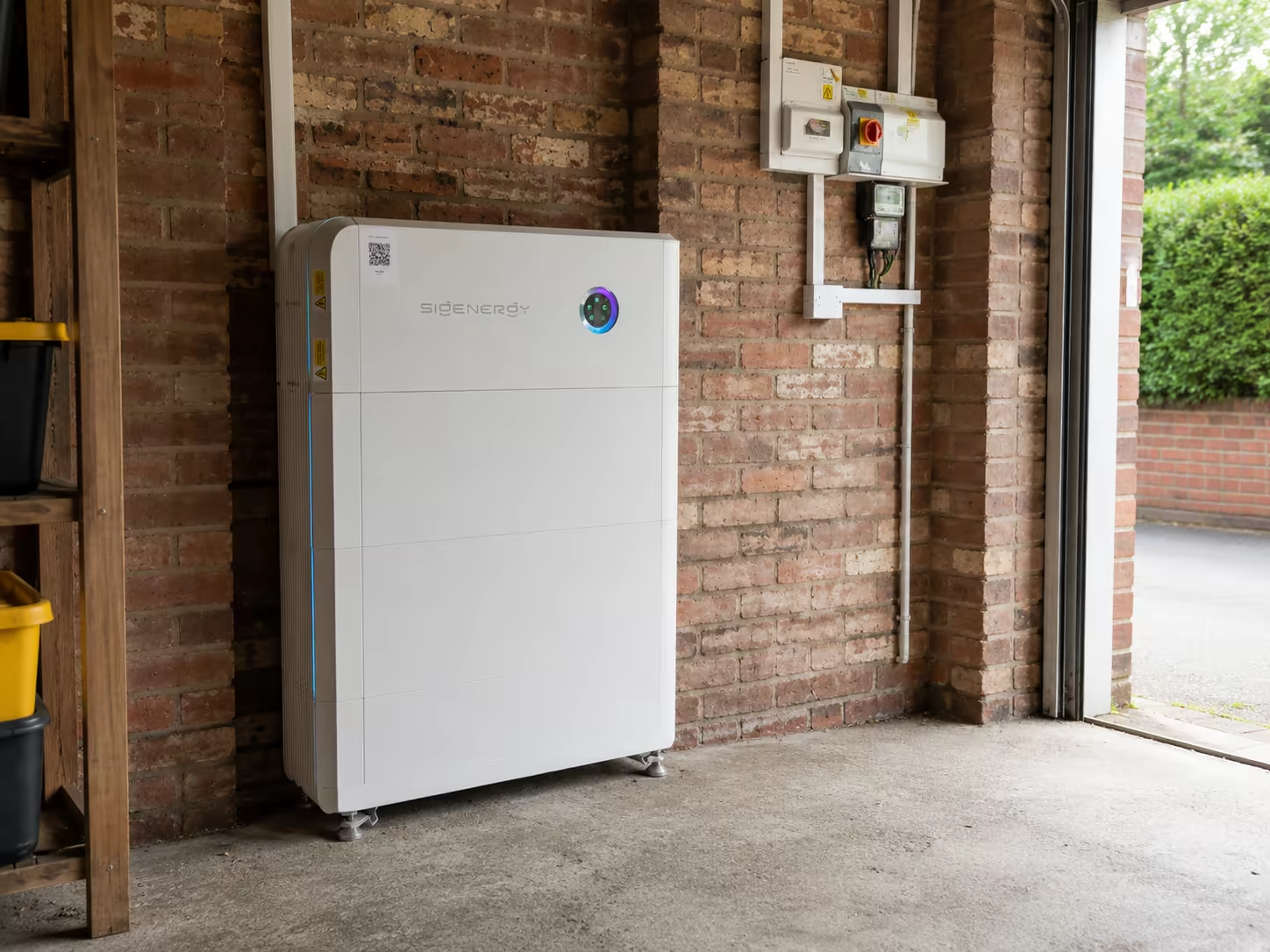
Home battery capacity is normally stated in kWh. This indicates how much energy the battery can hold, although usable capacity can differ from the headline figure depending on the manufacturer and system.
Think of battery capacity as the size of a fuel tank. A larger tank stores more energy, but there is little advantage in fitting an enormous one if you rarely have enough surplus energy to fill it or enough consumption to empty it.
Match the battery to your solar generation
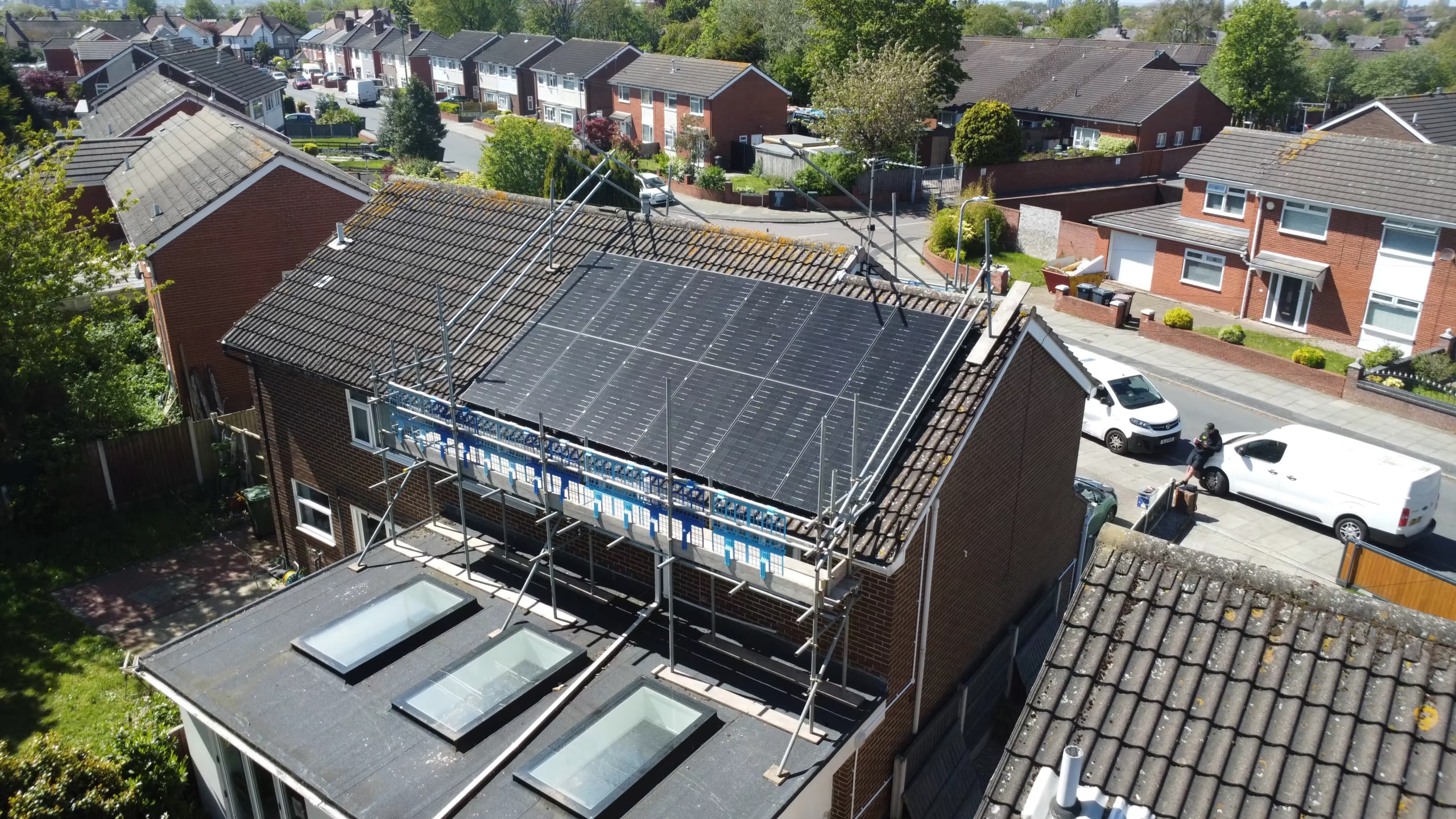
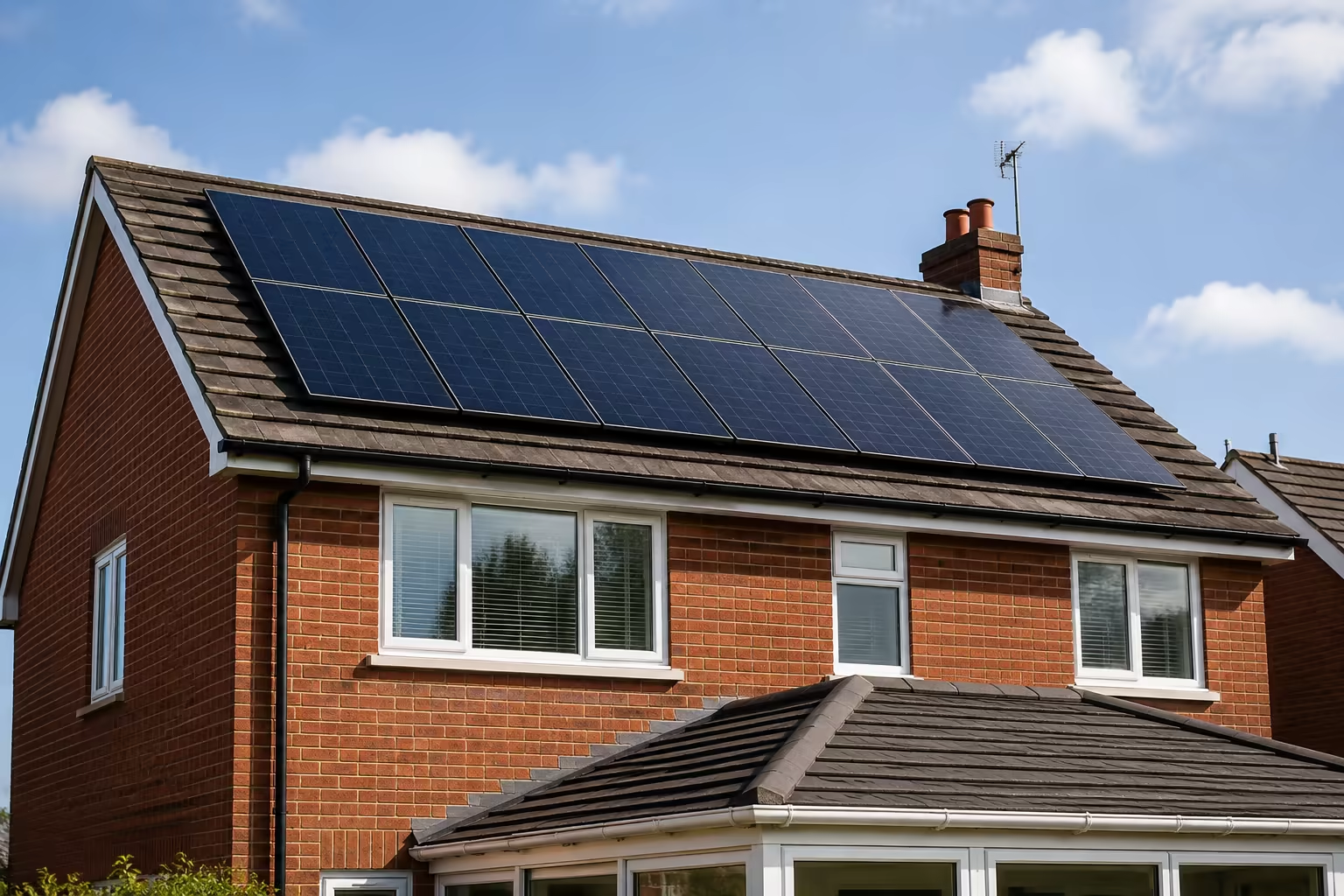
Your solar array matters just as much as your electricity consumption. If the panels regularly produce substantial surplus electricity during the day, a battery provides somewhere to store part of that energy.
If the array produces relatively little surplus, fitting a very large battery purely for solar storage may provide limited additional benefit. Good system design considers solar generation and household consumption together.
Consider what happens in the evening
For many homes, electricity demand increases between late afternoon and bedtime. People return home, cook, run appliances, watch television and charge devices. At the same time, solar generation is falling.
This is one of the periods when battery storage can be most useful. Evening consumption can therefore provide a helpful indication of how much stored electricity the household could realistically use.
What if you have an electric vehicle?
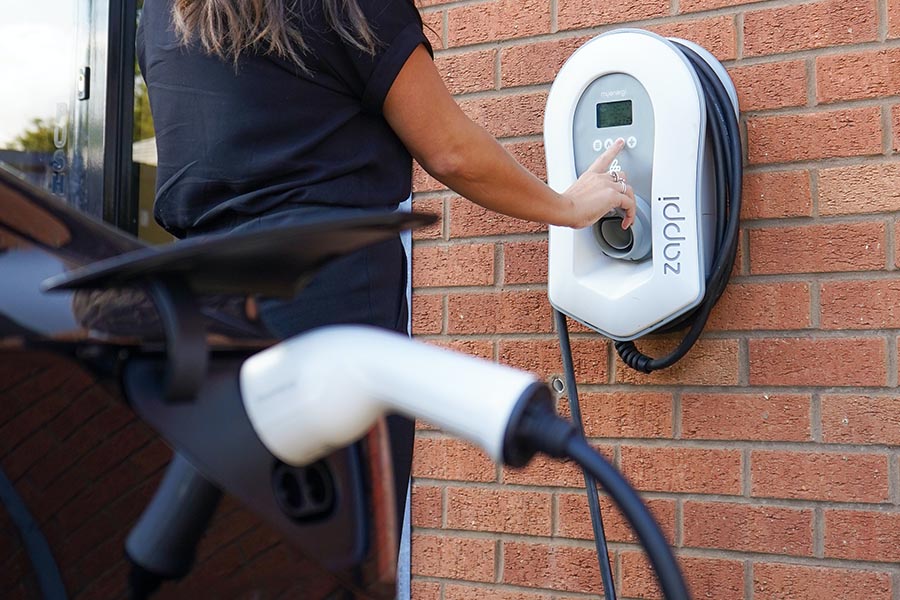
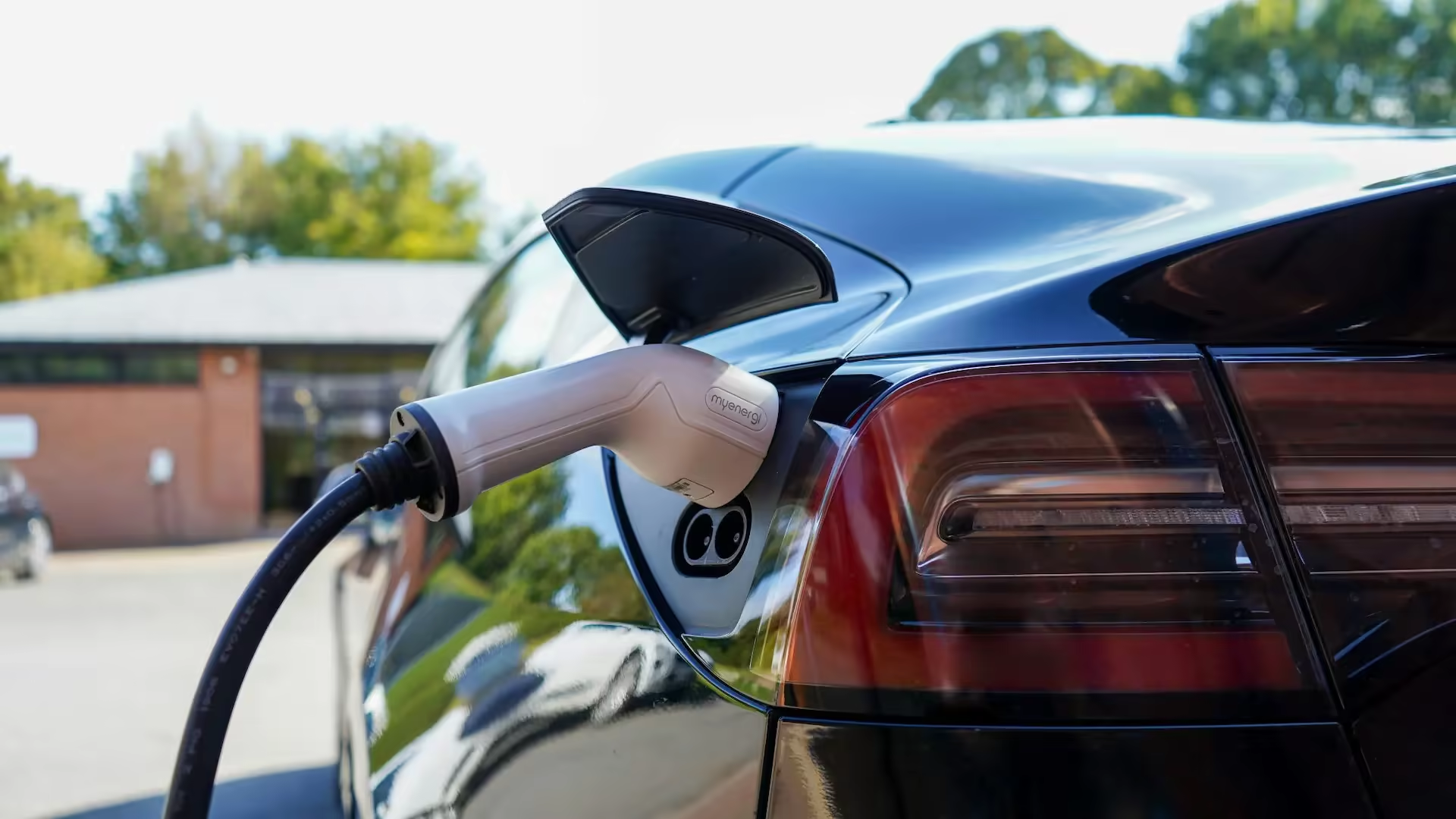
Tell your installer if you have an EV or plan to buy one. An electric vehicle can change your electricity profile substantially, but the right battery strategy depends on when and how it will be charged.
It doesn’t always make sense to install enough home-battery capacity to charge the EV fully from the battery. Smart EV charging may instead use cheaper off-peak grid electricity or available solar generation directly. The solar panels, battery and charger should be considered as one system.
Can batteries charge from the grid?
Many modern battery systems can be programmed to charge from the grid during selected periods. This can be useful for households using suitable time-of-use tariffs.
For example, the battery could charge during a cheaper overnight period and supply some household demand later. The financial benefit depends on the tariff and how the system is operated, so it should be assessed rather than assumed.
Can you increase battery capacity later?
Some battery systems are modular, meaning additional storage may be added later. This can be useful if your electricity consumption changes after buying an EV, installing other electrical equipment or extending the property.
If future expansion matters, discuss it before choosing the battery and inverter system.
Bigger doesn’t automatically mean better
One of the biggest mistakes when comparing battery quotations is judging systems only by their capacity. Ask:
- How much electricity do I use each day?
- When do I use it?
- How much surplus solar am I likely to produce?
- How often will the battery cycle?
- Can it be expanded later?
- Does it integrate properly with the solar inverter?
- What monitoring will I have?
The answers provide a much more reliable basis for choosing battery capacity.
Get your battery sized properly
At Generating Energy, we design battery storage around the individual home’s energy profile. Whether you’re installing solar and battery storage together or adding a battery to an existing system, we can assess your consumption and recommend suitable capacity.
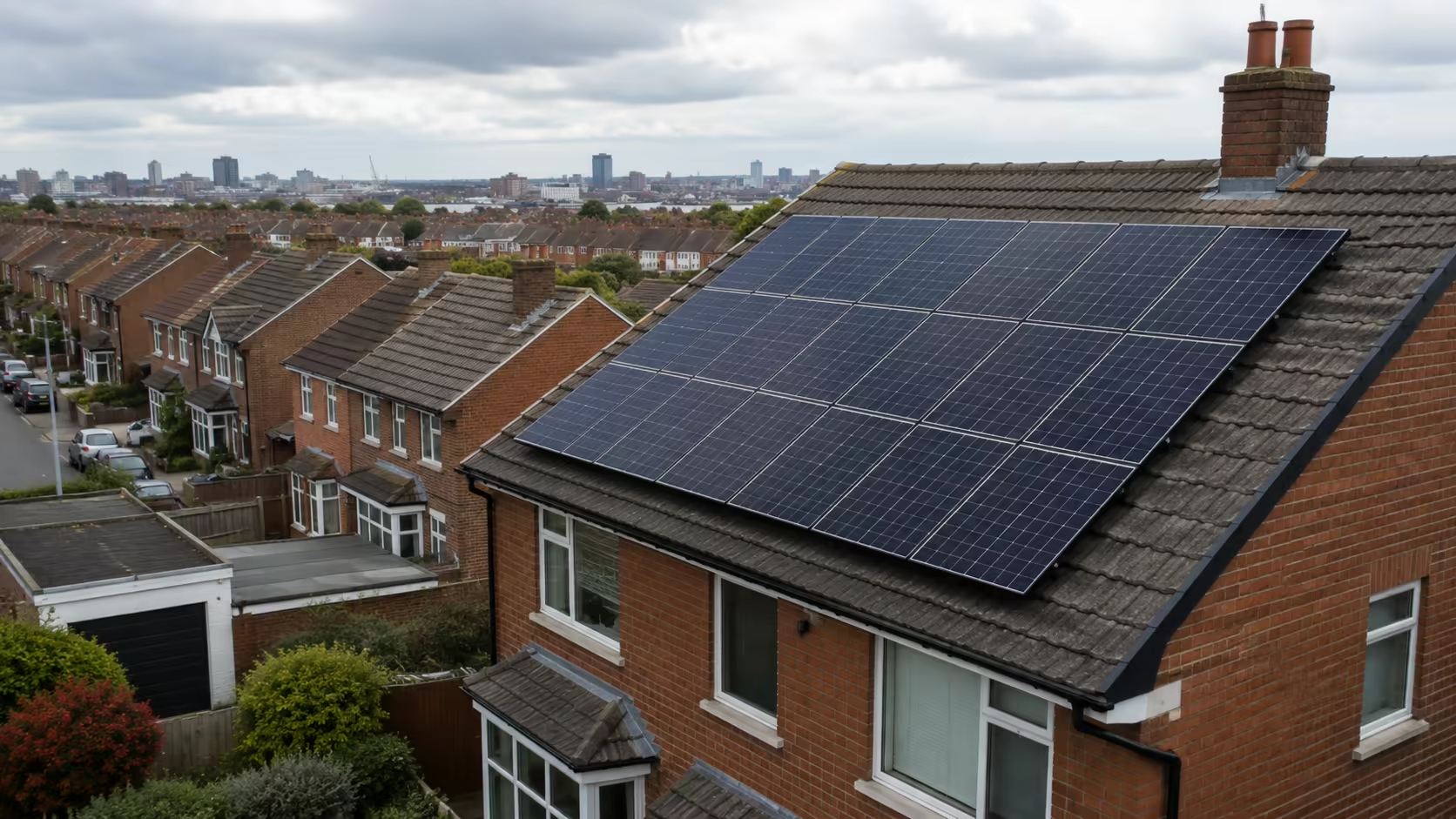
If you’re wondering what size solar battery your Liverpool home needs, contact Generating Energy and let our team run the numbers before you invest.