
How many solar panels do you need? It sounds like a simple question, but anyone giving you an exact answer before learning anything about your property is mostly guessing.
One three-bedroom home could need a completely different solar and battery system from another three-bedroom property around the corner. Houses don’t use electricity, people do, and every household uses it differently.
At Generating Energy, we believe solar and battery sizing should start with your electricity consumption, roof and future plans rather than a pre-selected package.
Start with your electricity usage
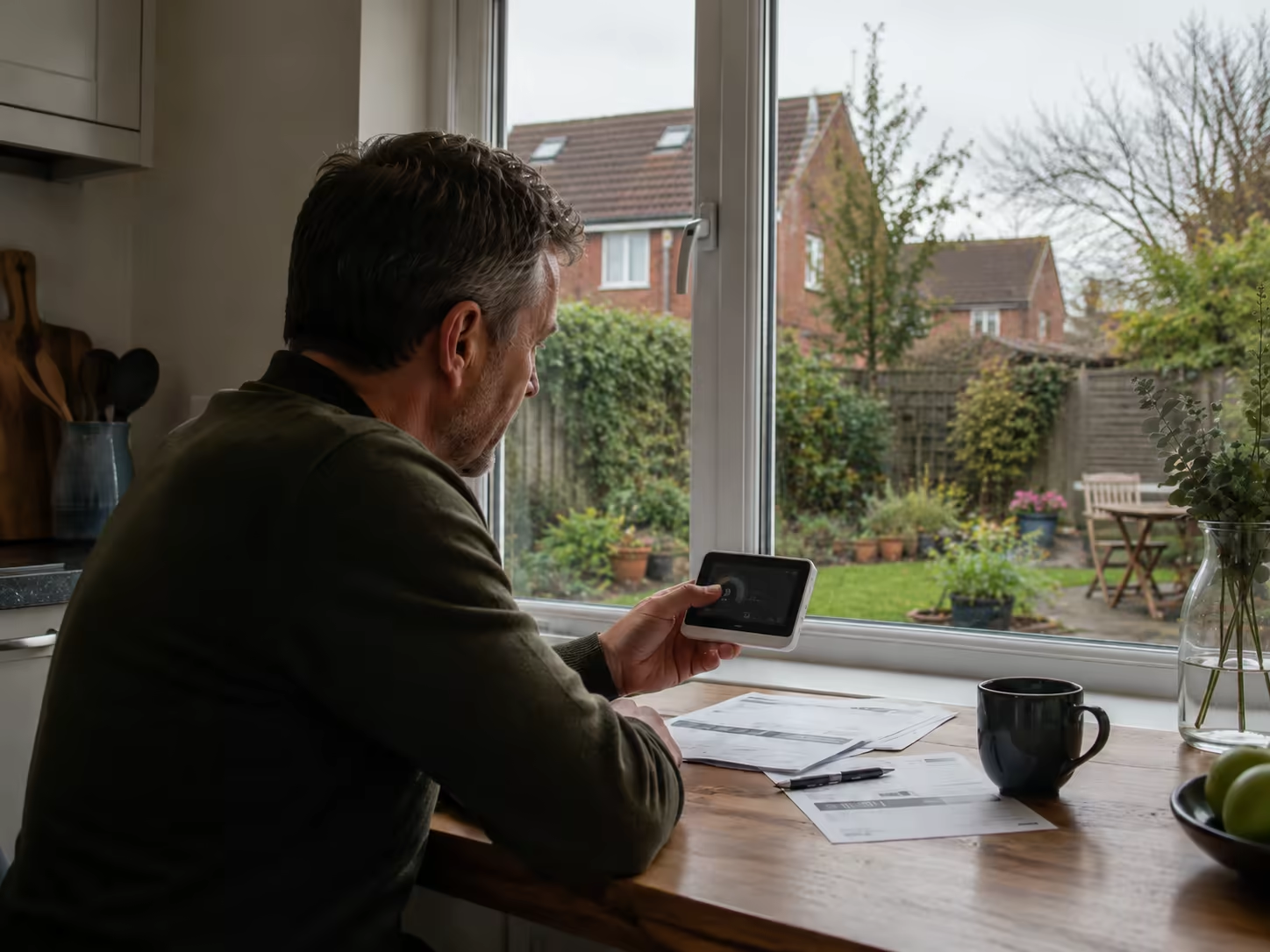
Your annual electricity consumption is one of the first useful figures to consider. It can usually be found on your electricity bill or online energy account and is shown in kilowatt-hours (kWh).
Annual usage only tells us part of the story. We also need to understand when you use that electricity. Consider two homes that each use 4,000kWh per year. In one, somebody works from home and uses electricity steadily throughout the day. In the other, everyone leaves at 8am and returns at 6pm. Their annual consumption may be identical, but their ideal solar and battery designs could be very different.
Why the timing of your electricity use matters
Solar panels generate electricity during daylight hours. If your home consumes a lot of power while the panels are producing, you may be able to use a significant proportion of the solar electricity directly.
If the house is largely empty during the day, more generation could be available to charge a battery or export to the grid. Battery storage helps move energy from one part of the day to another, allowing you to generate electricity now and use it later.
This relationship between generation, consumption and storage is at the heart of good system design.
How many solar panels can fit on your roof?
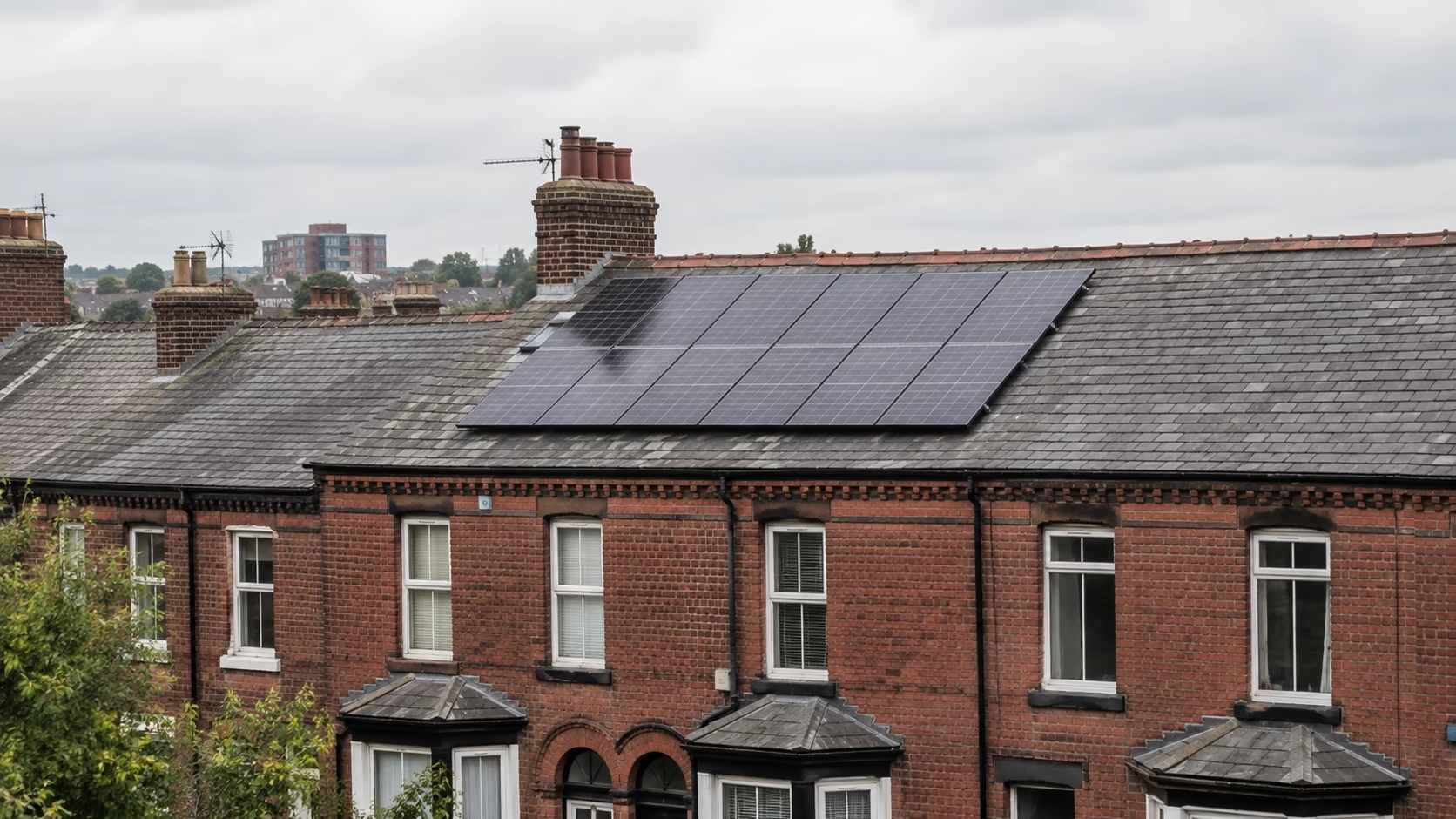
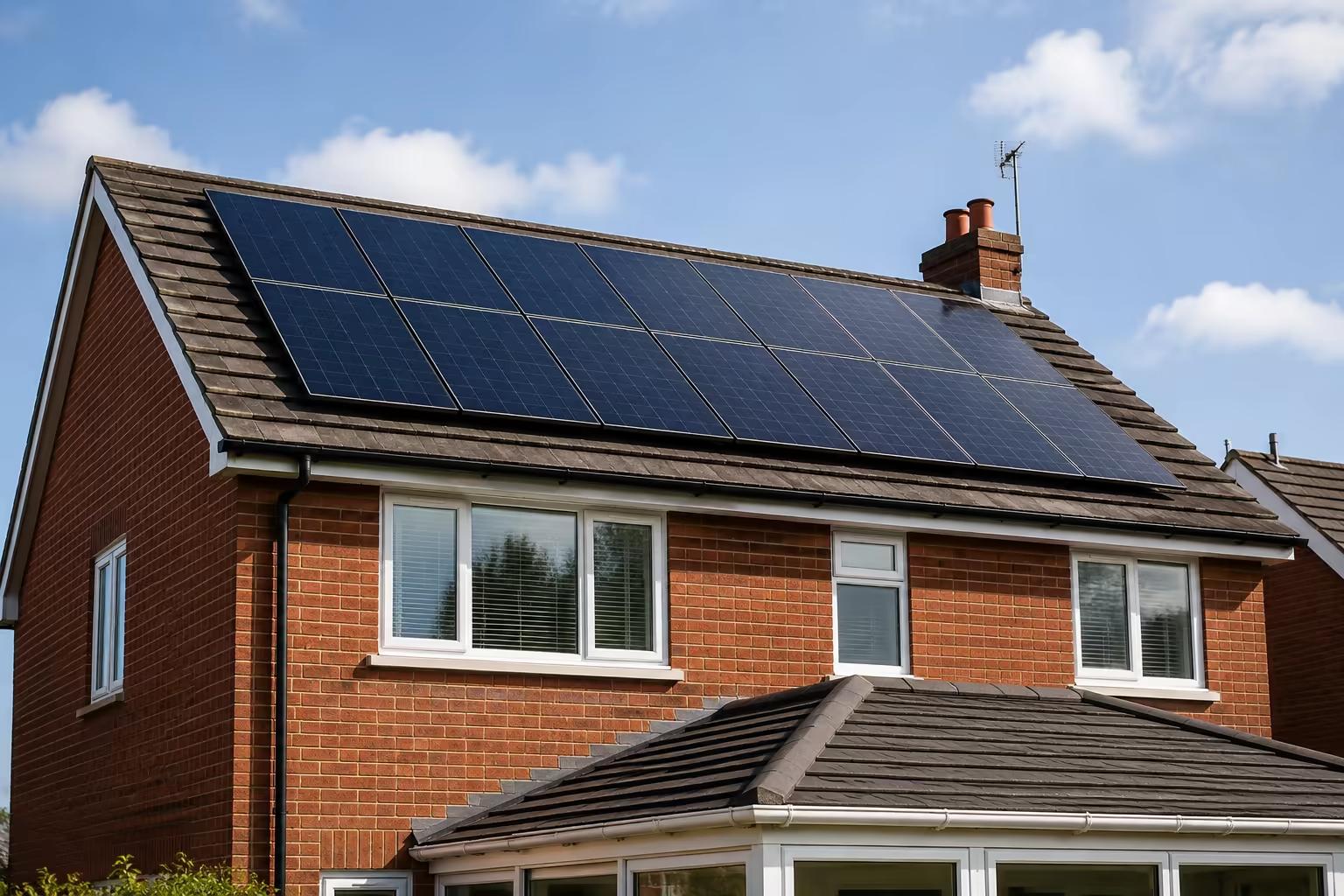
Once electricity usage is understood, the roof becomes the next major consideration. A solar survey should assess:
- Roof dimensions
- Orientation
- Pitch
- Shading
- Chimneys
- Dormers
- Roof windows
- Multiple elevations
- Nearby buildings
- Trees
- Safe panel spacing
A larger roof provides more options, but maximum capacity isn’t automatically the objective. The aim is to understand how much useful generation can be achieved.
Does my roof have to face south?
No. South-facing roofs are excellent for solar generation, but east and west-facing installations can also work well.
An east-facing array tends to generate more of its electricity earlier in the day, while a west-facing array pushes more generation into the afternoon and early evening. Depending on when your household uses electricity, this generation profile may be useful.
Roof orientation is something to design around, not a simple yes-or-no test for whether solar will work.
Panel wattage matters too
Counting panels alone can be misleading. Ten older or lower-output panels may have a very different capacity from ten modern high-output panels.
Solar array size is normally expressed in kWp, which means kilowatt peak. For example:
- 10 × 450W panels provide 4.5kWp
- 13 × 450W panels provide 5.85kWp
- 18 × 450W panels provide 8.1kWp
This is a more useful way to compare system sizes than panel count alone.
What size battery do I need?
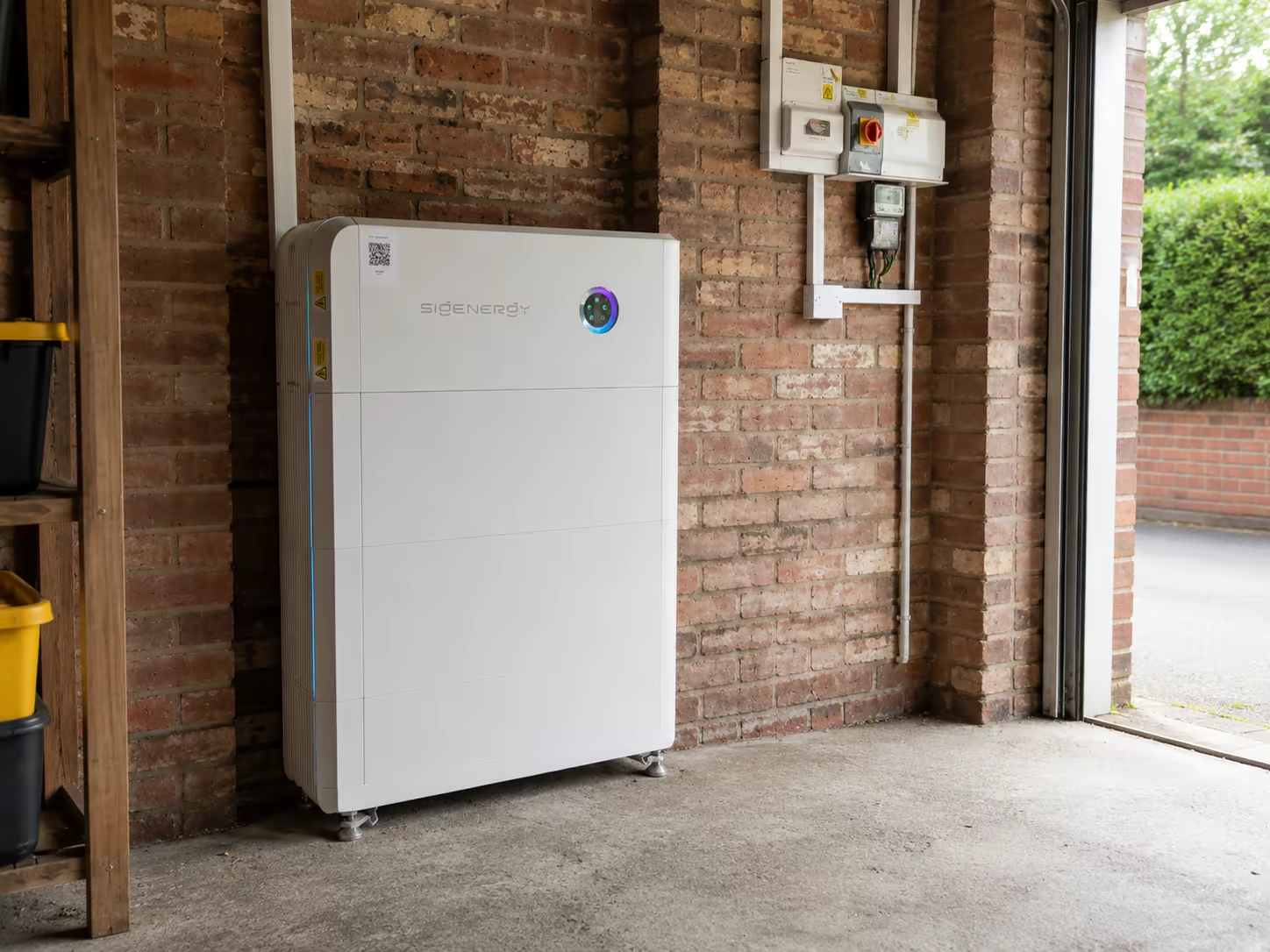
Battery capacity is usually expressed in kWh, but there is no universal correct size. Energy Saving Trust says there is no exact formula that works for every property and that battery sizing should account for the household’s circumstances and requirements.
Relevant factors include:
- Daily electricity consumption
- Evening and overnight use
- Solar array size
- How much solar is likely to be exported
- Electricity tariff
- EV ownership
- Heat pump use
- Backup power requirements
- Future electricity demand
The goal isn’t to sell the biggest battery. It’s to specify one that will be useful.
Real solar and battery examples from Liverpool
Our installations demonstrate why there is no standard solar and battery package.
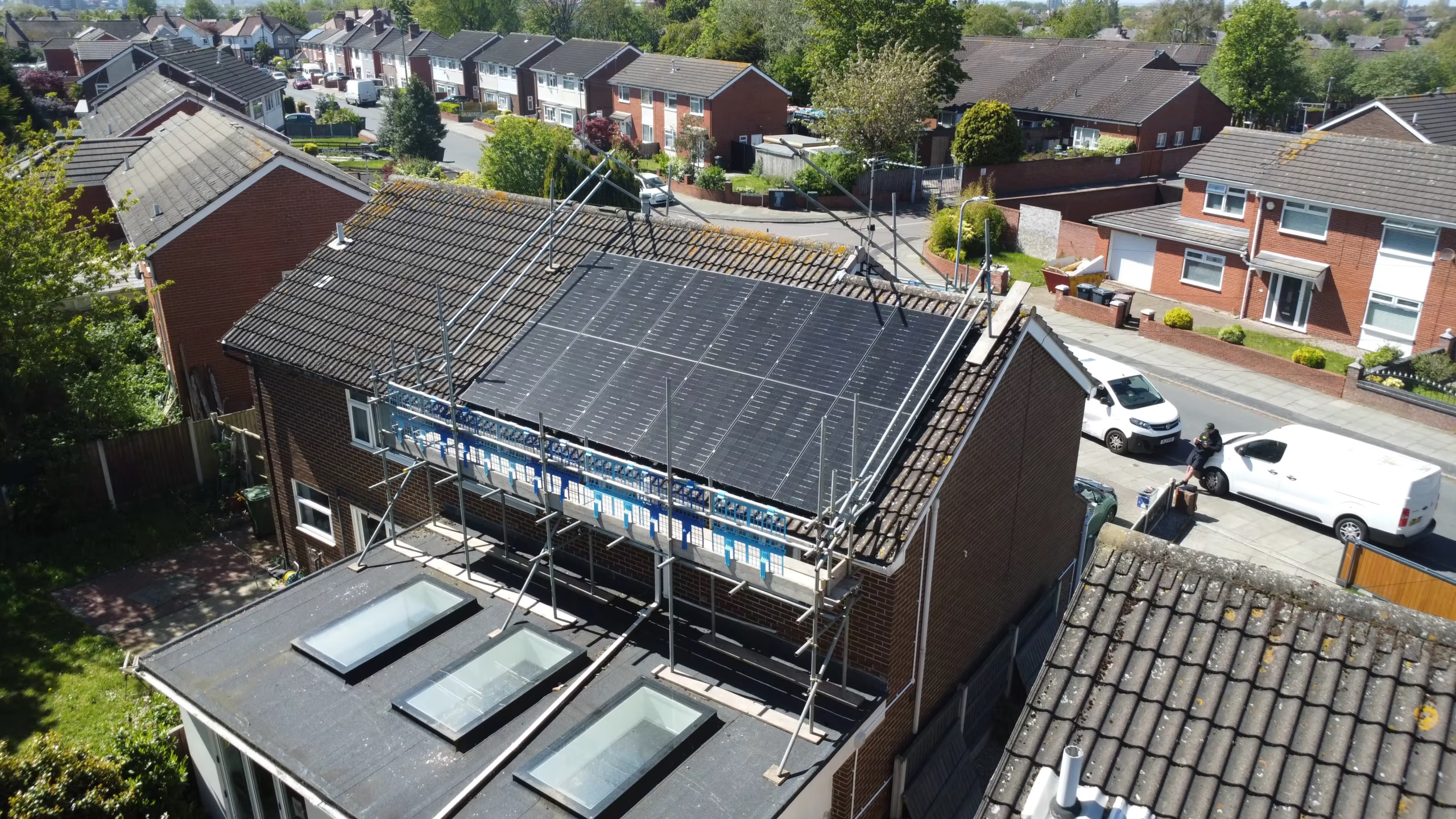
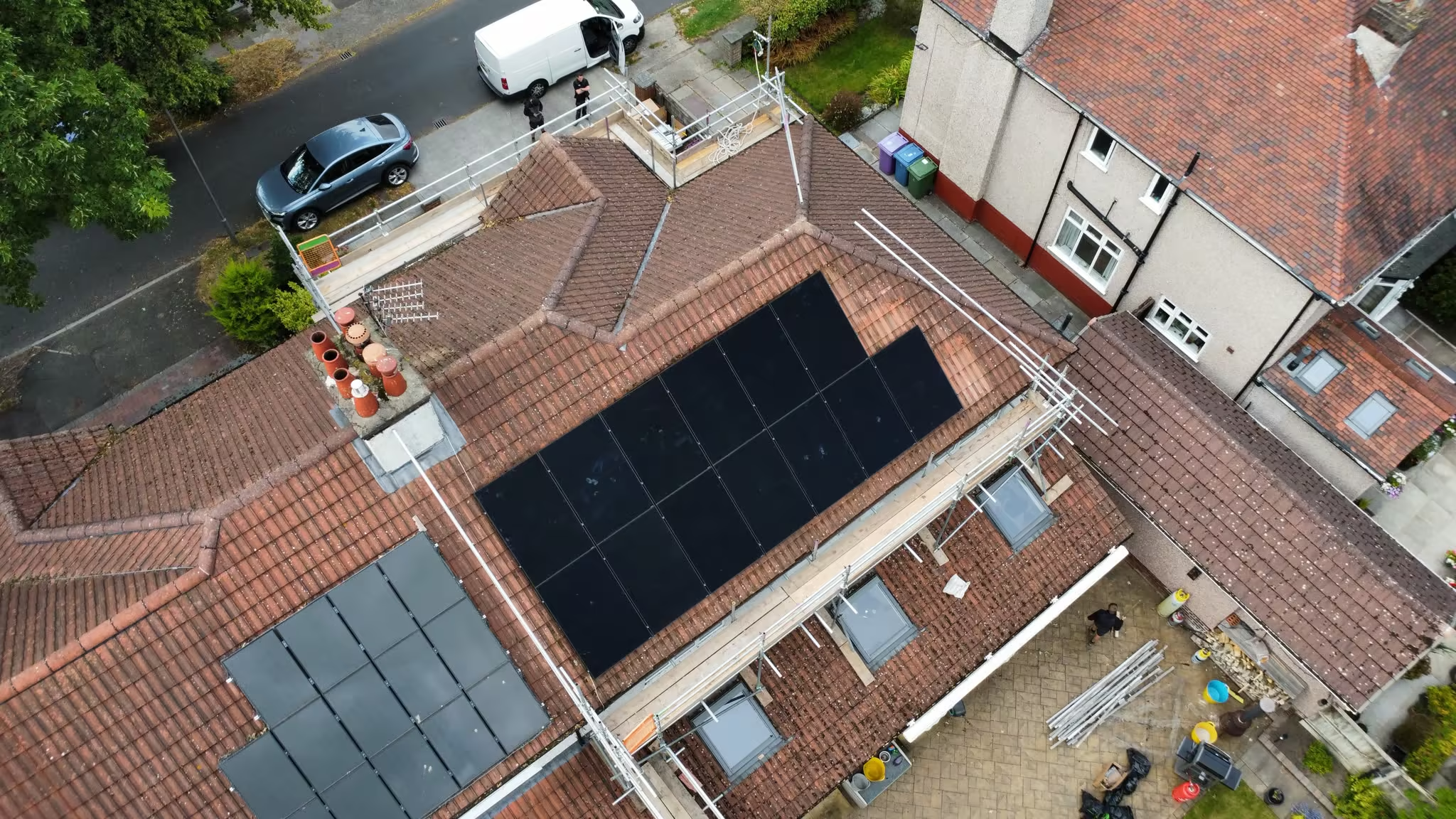
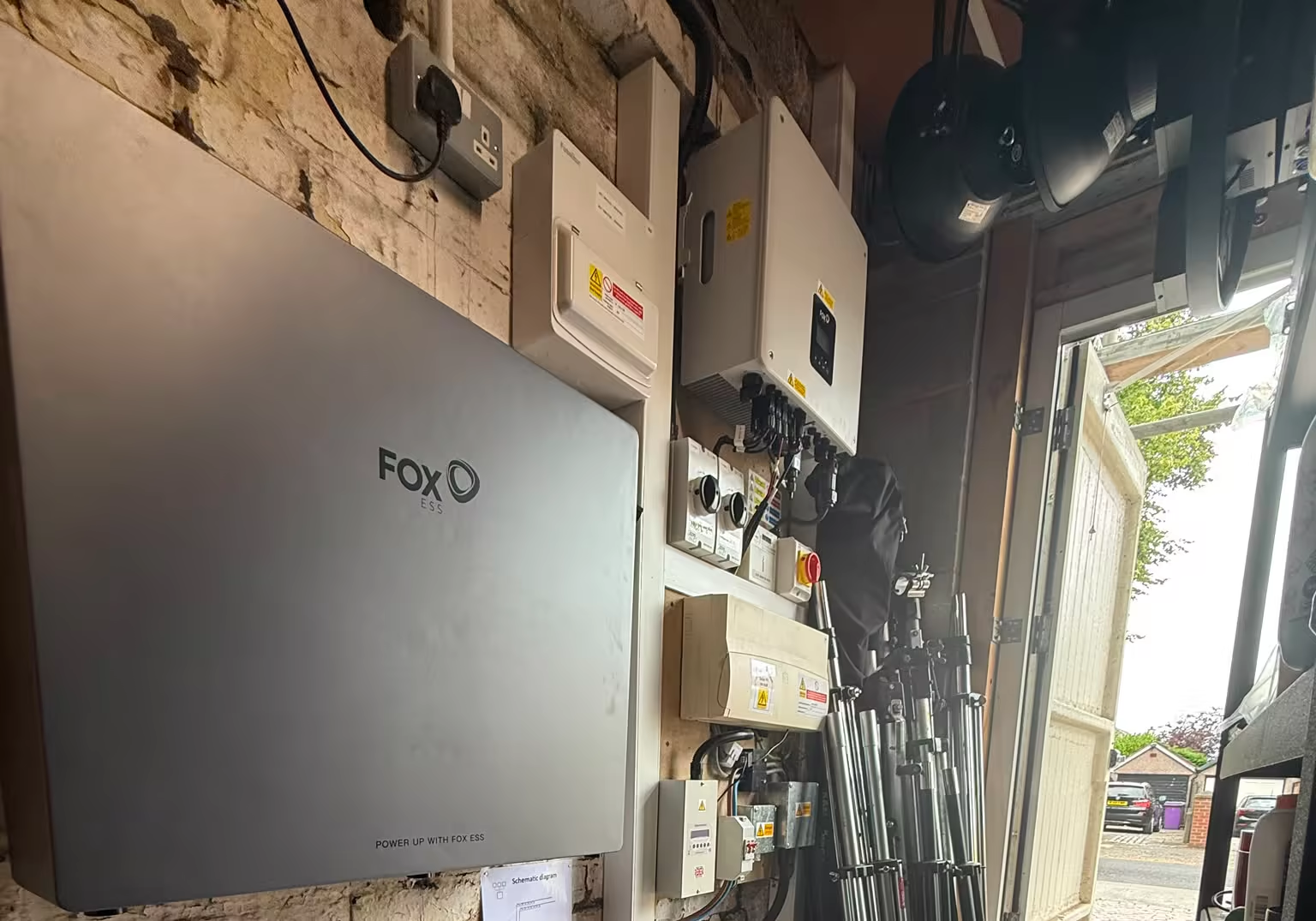
A Generating Energy customer in Childwall has a 5.85kWp solar array with 20kWh of battery storage. The project uses 13 × 450W panels.
One of our Aigburth installations has a 3.36kW solar system with 20kWh of battery storage. Another system in Bootle combines 8.1kW of solar with a 5kWh battery.
These projects are all in the Liverpool area, but their designs are completely different. A larger solar array doesn’t automatically require a larger battery, and a smaller solar system doesn’t necessarily need a small one. The customer’s consumption and objectives matter.
What do kW and kWh mean?
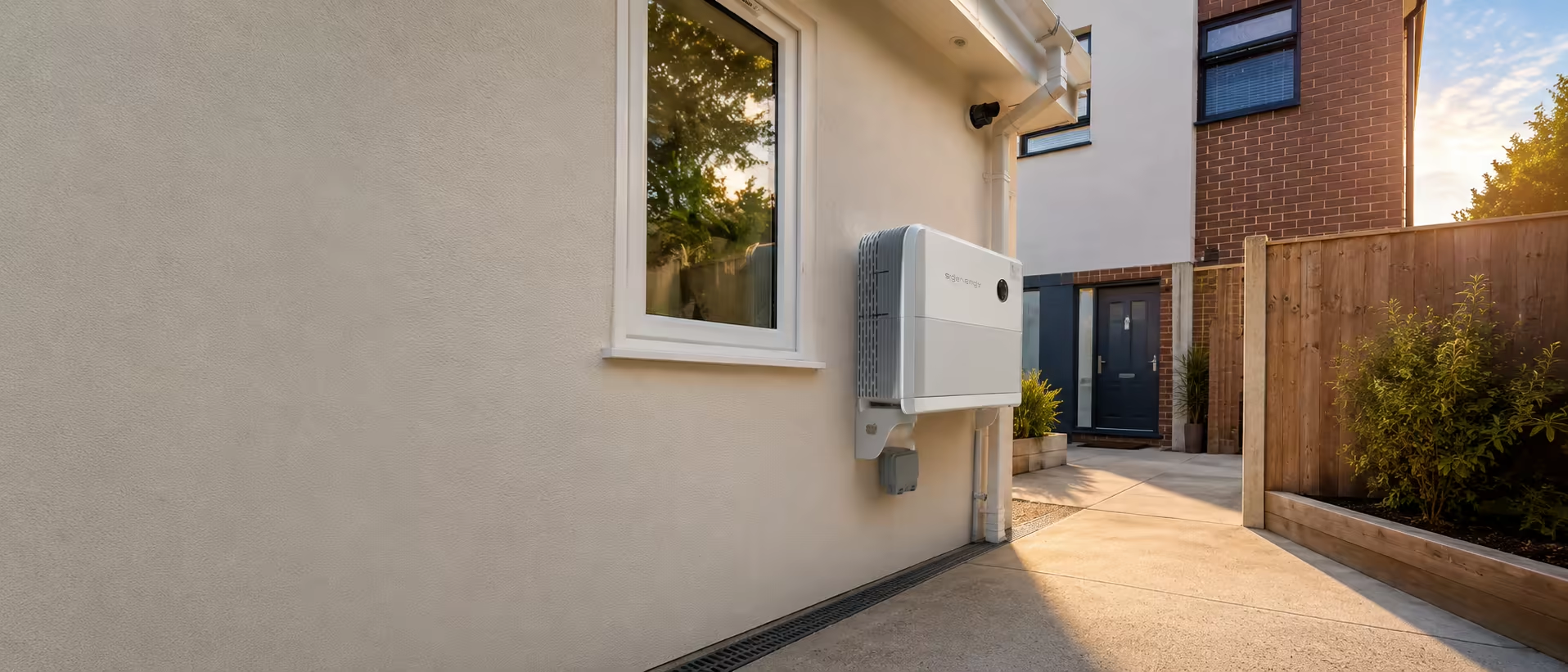
These two measurements can cause confusion when comparing battery systems. kWh describes how much energy can be stored, similar to the size of a tank. kW describes how quickly power can be delivered, similar to the size of the pipe coming out of that tank.
Two batteries might both store 10kWh but have different maximum power outputs. This affects how much household demand each battery can cover at one time, which is why comparing batteries purely on storage capacity can be misleading.
What if I have an electric car?
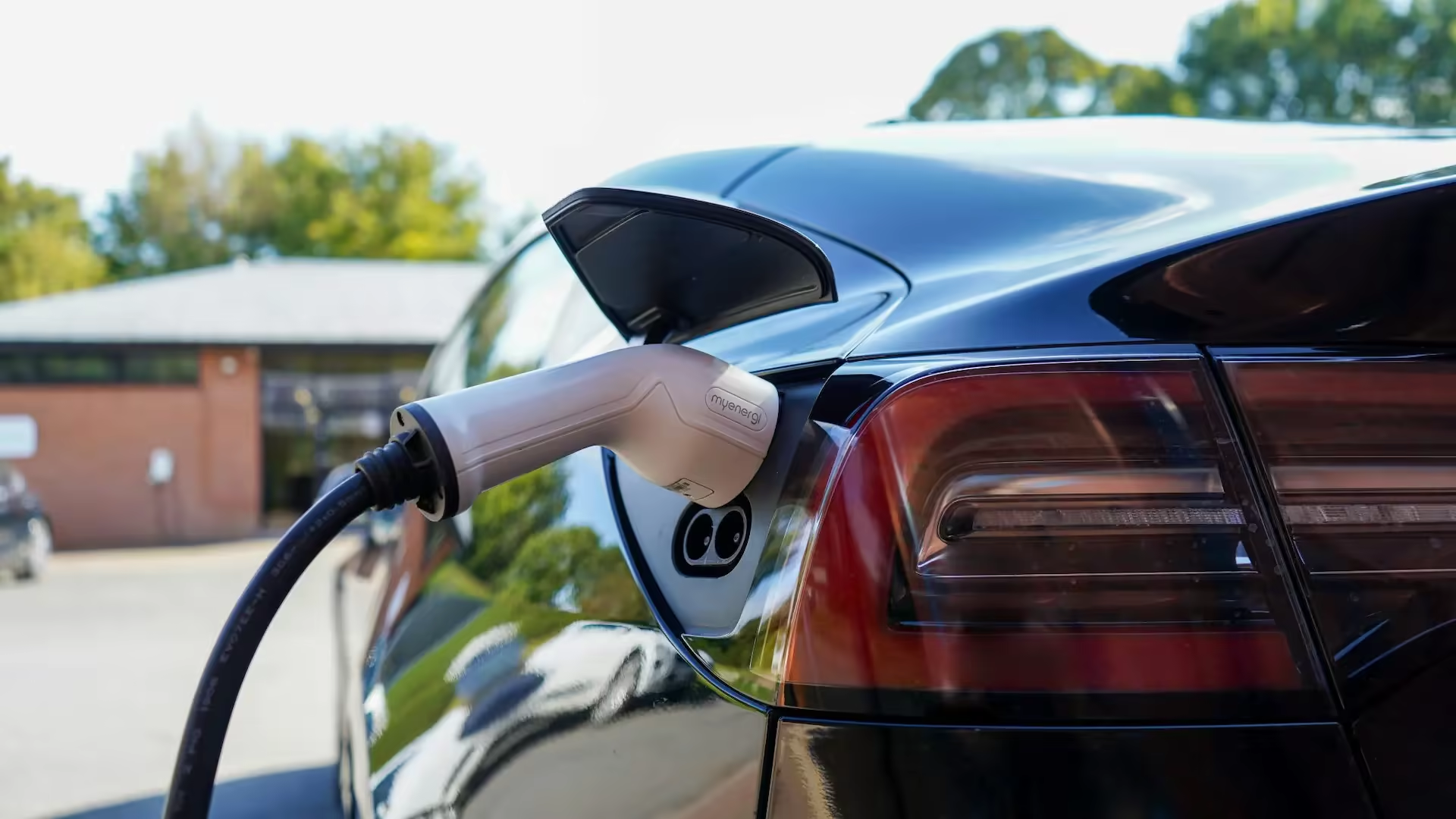
An electric vehicle can significantly change household electricity consumption. If you’re likely to buy one during the lifetime of the solar system, tell your installer during the design stage.
A future EV could influence:
- Solar array size
- Battery capacity
- Inverter choice
- Cable provision
- EV charger selection
- Energy tariff strategy
Even if you don’t install an EV charger immediately, designing with future electrification in mind can save disruption later.
What if I plan to install a heat pump?
The same principle applies to electric heating. A property currently heated by gas could experience a significant increase in electricity consumption if it later switches to a heat pump.
Energy Saving Trust recommends considering future electricity demand, including EVs and heat pumps, when assessing energy storage capacity. This doesn’t mean buying every component today. It means making informed design decisions from the outset.
Can my battery charge using cheaper overnight electricity?
Depending on the battery and electricity tariff, it may be possible to charge from the grid during cheaper periods and use the stored electricity later. This can be particularly useful during winter when solar production is lower.
Battery sizing shouldn’t therefore consider only summer solar generation. A good design looks at how the system could operate throughout the year.
What happens when the battery is full?
Once the battery reaches its charging limit, additional solar generation can continue powering the property directly. If there is further surplus, eligible electricity can potentially be exported to the grid.
The Smart Export Guarantee requires participating suppliers to pay eligible small-scale generators for exported low-carbon electricity, although suppliers set their own tariff rates and conditions. A battery doesn’t need to capture every unit of solar electricity to be useful.
Should I install the maximum number of panels?
Sometimes maximising the array is sensible, but there should be a reason. Extra generation may be useful if you:
- Have high electricity consumption
- Are buying an EV
- Plan to install a heat pump
- Have suitable battery capacity
- Can make good use of exported electricity
- Want to prepare the property for future demand
What should be avoided is installing equipment simply because there is room for it. Every additional panel and battery module should have a role within the design.
Don’t buy a package, buy a design
If a company offers 10 panels and a 10kWh battery before asking about your electricity consumption, roof layout or future plans, it can’t know whether that system is right for you.
At Generating Energy, we design systems around four things: your roof, electricity usage, goals and future plans. That process might produce a smaller installation than you originally expected, or it could result in a larger one. The important thing is being able to explain why each component has been recommended.
Solar and battery system design in Liverpool
Generating Energy is based in Liverpool and designs and installs solar PV and battery storage systems across Liverpool and the wider North West.
We’re engineer-led rather than sales-led. Our team assesses the property, models the proposed system and provides clear projections before you decide whether to proceed. We don’t rely on universal packages or pressure customers to sign immediately.
Frequently asked questions
How many solar panels does an average home need?
There is no universal number. It depends on electricity consumption, roof size, panel output, orientation, shading and future energy requirements.
Is a 5kWh battery big enough?
It may be suitable for some homes, while others benefit from significantly more storage. Battery capacity should be selected around actual electricity usage and how the system is intended to operate.
What does kWp mean?
kWp means kilowatt peak and describes the rated maximum capacity of a solar PV array under standard test conditions.
Can I add more batteries later?
Many modern battery systems are modular, although expandability depends on the product, system configuration and manufacturer requirements.
Should I tell my solar installer if I plan to buy an EV?
Yes. Future EV charging can materially affect electricity consumption and may influence the solar array, battery, inverter and cabling choices.
Find out what size system your home needs
If you’re considering solar panels and battery storage in Liverpool, the best starting point is your property and actual electricity usage. Generating Energy can review both and design a system around what you want to achieve.
Contact our team for a free initial solar and battery assessment.