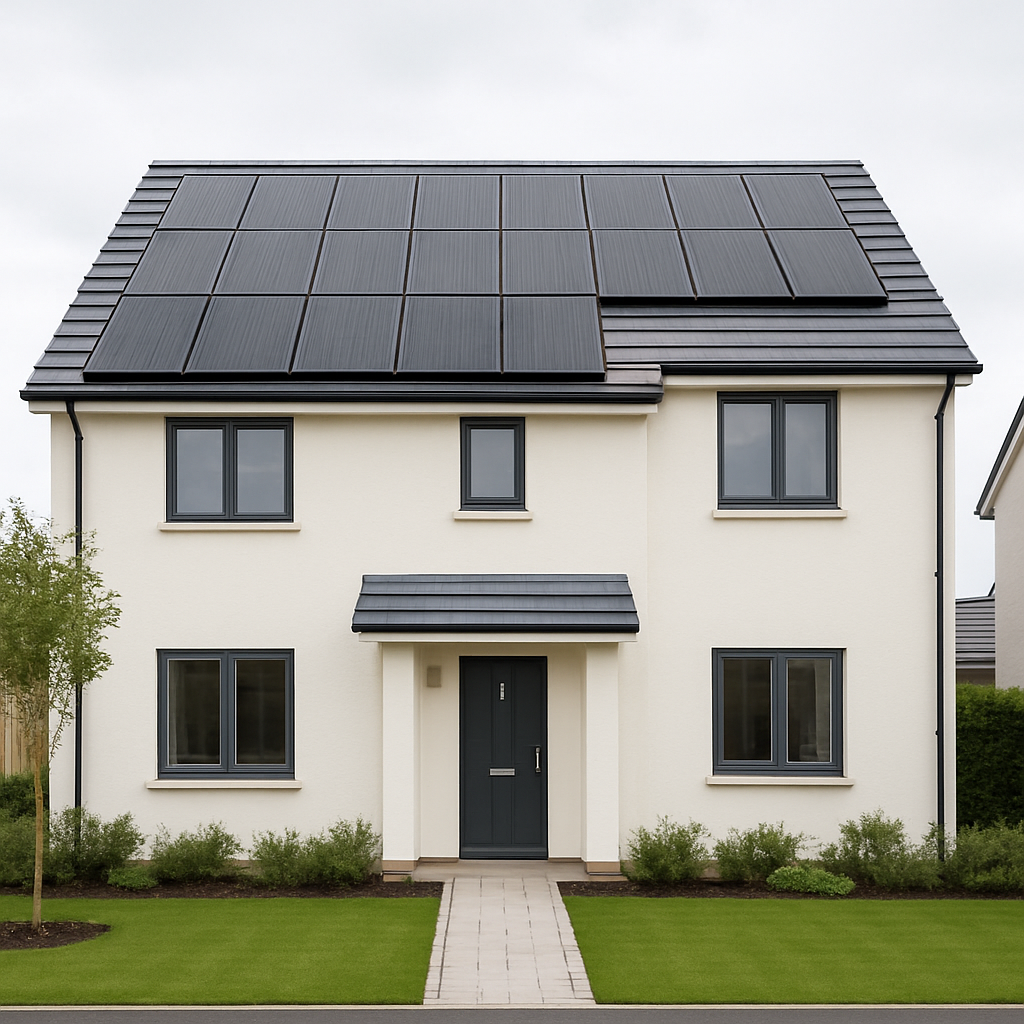

Solar is a big investment, so when homeowners receive several quotes, it’s completely understandable that the cheapest one catches their attention.
You might have one installer quoting £8,000, another £10,000 and another £12,000. At first glance, the £8,000 quote looks like the obvious choice.
However, solar quotes don’t always compare like-for-like systems. The cheapest quote isn’t necessarily the cheapest system over its lifetime. In some cases, saving a few thousand pounds at the beginning can result in lower performance, higher repair costs or a much more difficult experience further down the line.
Don’t compare the price before comparing the specification
The first thing to look at is what you’re actually getting. Two quotes might both describe a 10-panel solar system, but that doesn’t mean they’re equivalent.
Compare the following:
- Panel manufacturer
- Panel wattage
- Inverter manufacturer
- Battery capacity
- Battery usable capacity
- Mounting system
- Monitoring
- Bird protection
- Scaffolding
- Electrical work
- DNO requirements
- Installation team
- Warranties
- Aftercare
A quote that appears £2,000 cheaper might simply include less.
Cheap panels aren’t necessarily bad, but equipment matters
There are many good solar panels available at different price points. The issue isn’t necessarily whether a cheaper panel will work. The question is whether the whole system has been properly designed around your property.
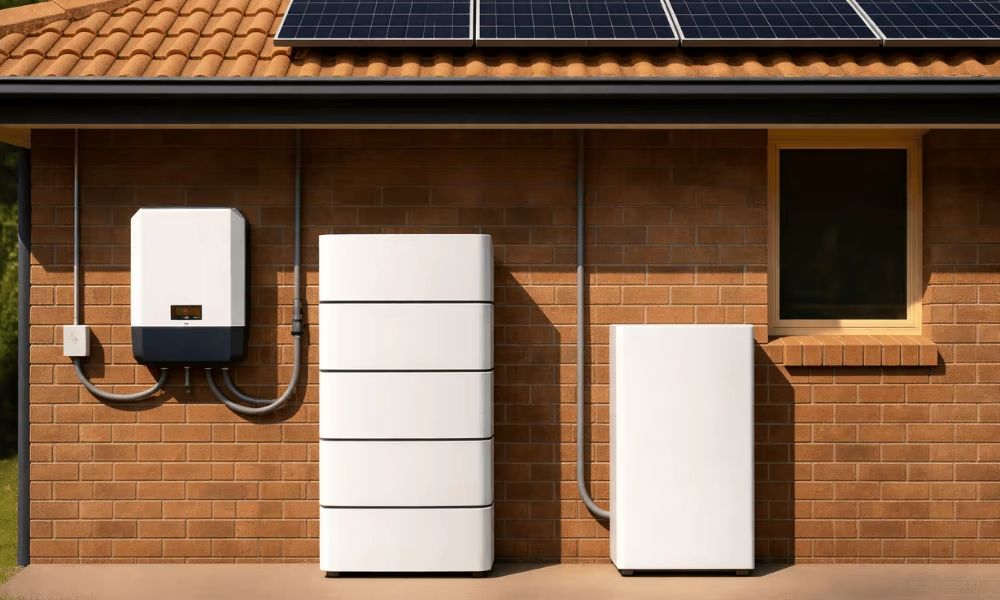
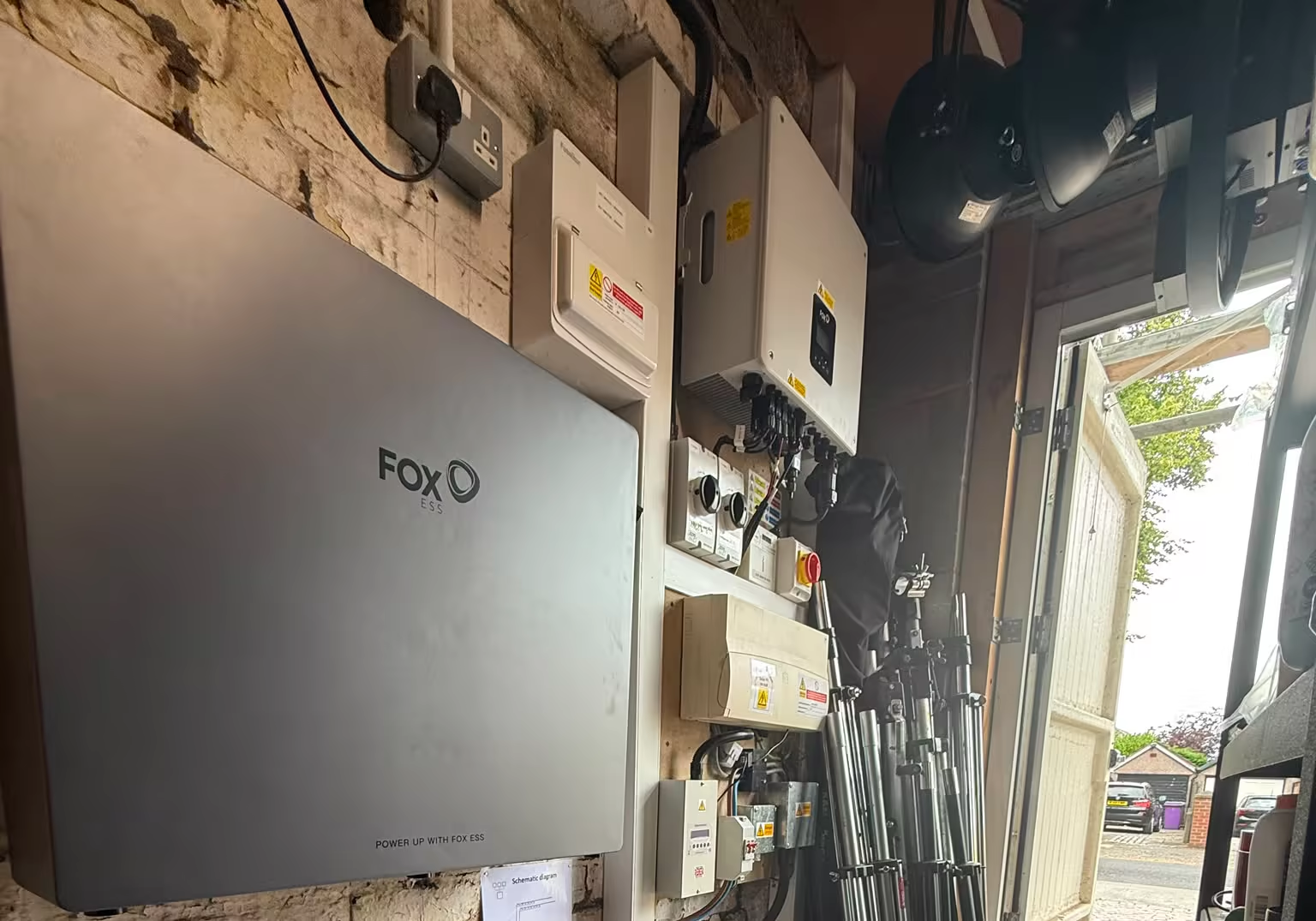
The inverter is particularly important because it manages the electricity generated by the panels. If you’re also installing battery storage, the battery and inverter need to work effectively together.
A solar system should be designed as a complete energy system rather than a collection of individual products.
Installation quality matters
This is one of the biggest differences between solar quotes. You can buy excellent equipment and still end up with a poor installation.
Poor workmanship can lead to problems with:
- Roof fixings
- Waterproofing
- Cable management
- Electrical connections
- Earthing
- Isolation
- Monitoring
- System performance
This is why it’s important to know who is actually installing your system. Is it the company you’re buying from or a team of subcontractors? How experienced are they, and who is responsible if something goes wrong?
These questions are worth asking before signing a contract.
What workmanship warranty is included?
This is one area where cheap quotes can sometimes become expensive. Solar panels and inverters may have long manufacturer warranties, but these don’t necessarily cover poor installation.
If there’s a problem caused by the installation workmanship, you need to know who is responsible for putting it right. A strong workmanship warranty gives homeowners additional protection.
At Generating Energy, we provide a 10-year workmanship warranty on our installations. The important thing isn’t simply having a warranty written on a piece of paper. It’s knowing that there’s an established company behind it.
Who will be there in five years?
This is an often-overlooked question. Solar panels can operate for decades, so when you’re choosing an installer, don’t just ask who can complete the installation most cheaply. Consider who you want looking after the system for the next 10 to 20 years.
An installer may offer an attractive price but disappear a few years later. If your inverter develops a fault or your monitoring stops working, you could then be left trying to find another company to diagnose the problem.
A slightly higher initial price from an established installer can therefore provide considerably better value.
Is the quote actually complete?
Always check exactly what is included. For example, does the quote cover:
- Scaffolding?
- Electrical upgrades?
- The DNO application?
- Bird protection?
- Monitoring?
- Battery installation?
- Roofing equipment?
- Testing and certification?
- Building control notification?
- VAT?
- Any additional cabling?
If these items aren’t clearly explained, ask for clarification. The cheapest quote can quickly become more expensive when additional costs appear later.
Don’t choose solar based purely on panel count
More panels aren’t automatically better. The system should be designed around your roof, electricity usage and available space.
For example, the best design for an east-west roof may differ from one suited to a south-facing roof. If you have an EV, heat pump or high electricity consumption, your energy usage profile becomes even more important.
The right system is the one that works for your property.
Look at the installer, not just the equipment
Before choosing an installer, look at its reputation and check:
- Google reviews
- Recent case studies
- Customer photographs
- How long the company has been operating
- Accreditations
- Warranty terms
- Whether it has an in-house installation team
- Whether it offers aftercare
Reviews are particularly useful when they’re detailed rather than simply saying “Great company”. Look for comments about communication, workmanship, cleanliness, reliability and what happened after the installation.
Engineer-led or sales-led solar companies?
Another important consideration is who is actually advising you. There’s a big difference between an engineer assessing your property and a salesperson trying to close a deal.
A good solar proposal should explain why a particular system has been recommended. You should understand the expected generation, battery capacity, inverter size and how the system fits your electricity usage.
If the salesperson can’t explain the reasoning behind the specification, ask to speak to someone who can.
The cheapest solar quote isn’t necessarily the cheapest system
It’s worth thinking about solar as a long-term investment. Saving £1,500 today might seem attractive, but that initial saving can disappear quickly if the cheaper system produces less energy, needs more repairs, has poor aftercare or requires additional work later.
The better question isn’t who offers the lowest price. It’s who offers the best overall value for the system you actually need.
That means comparing the equipment, installation quality, expected performance, warranties, company reputation and aftercare alongside the price.
Choosing a solar installer in Liverpool
If you’re comparing solar installers in Liverpool, we’d recommend getting several quotes and reviewing them side by side. Don’t just compare the bottom-line price. Compare the full specification and everything included within it.
If one quote is significantly cheaper than the others, ask why. Sometimes there’s a perfectly good reason. In other cases, the difference is because you’re simply not being offered the same thing.
Final thoughts
Solar panels should be installed with the expectation that they’ll be working on your property for many years. That makes the installer you choose almost as important as the equipment being installed.
The cheapest solar quote may save you money today, but the right solar installation should save you money for years to come.
Comparing solar quotes in Liverpool?
Speak to Generating Energy about your property, electricity usage and the system you need. Our team can provide a clear specification and explain what’s included before you make a decision.