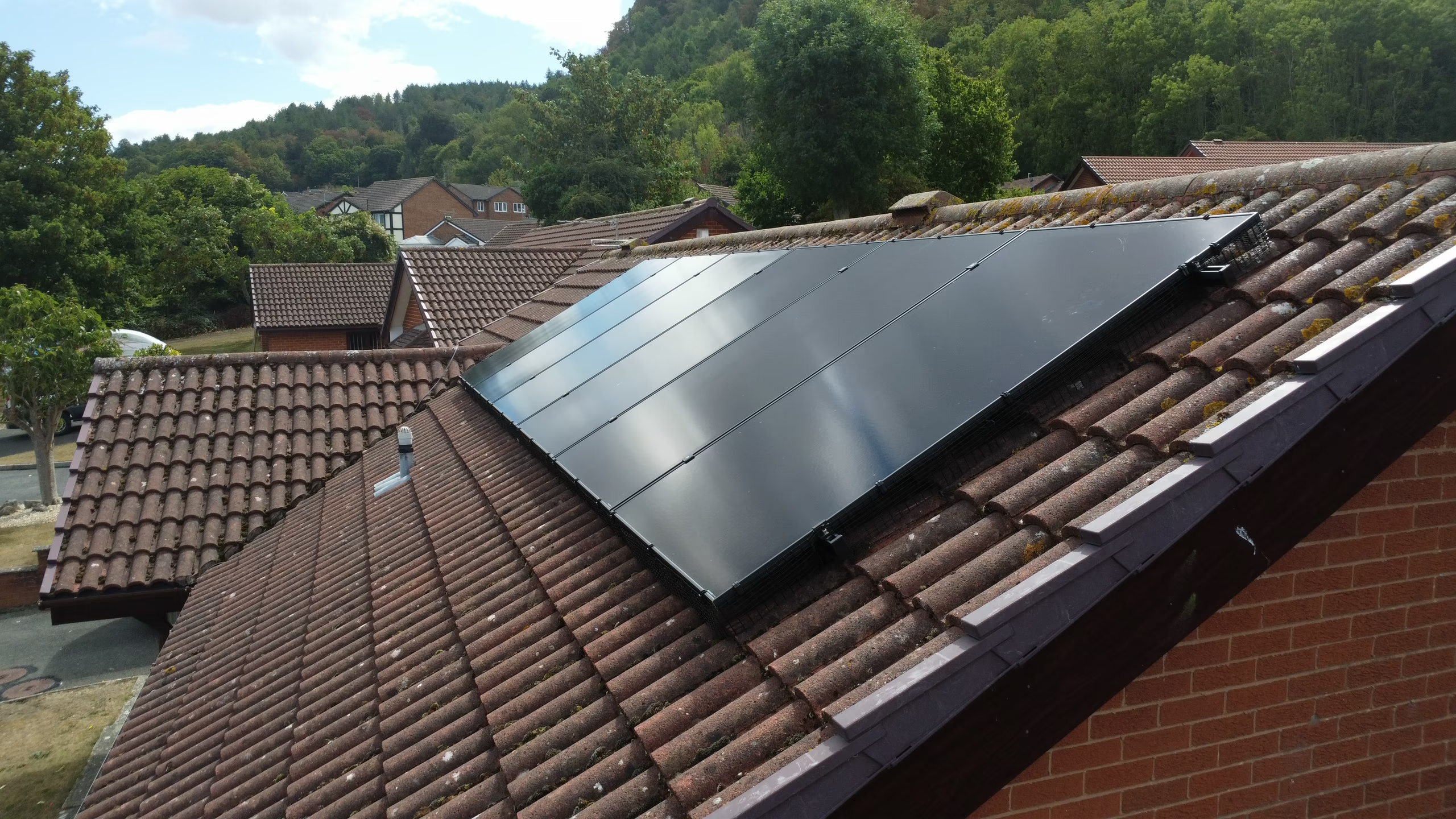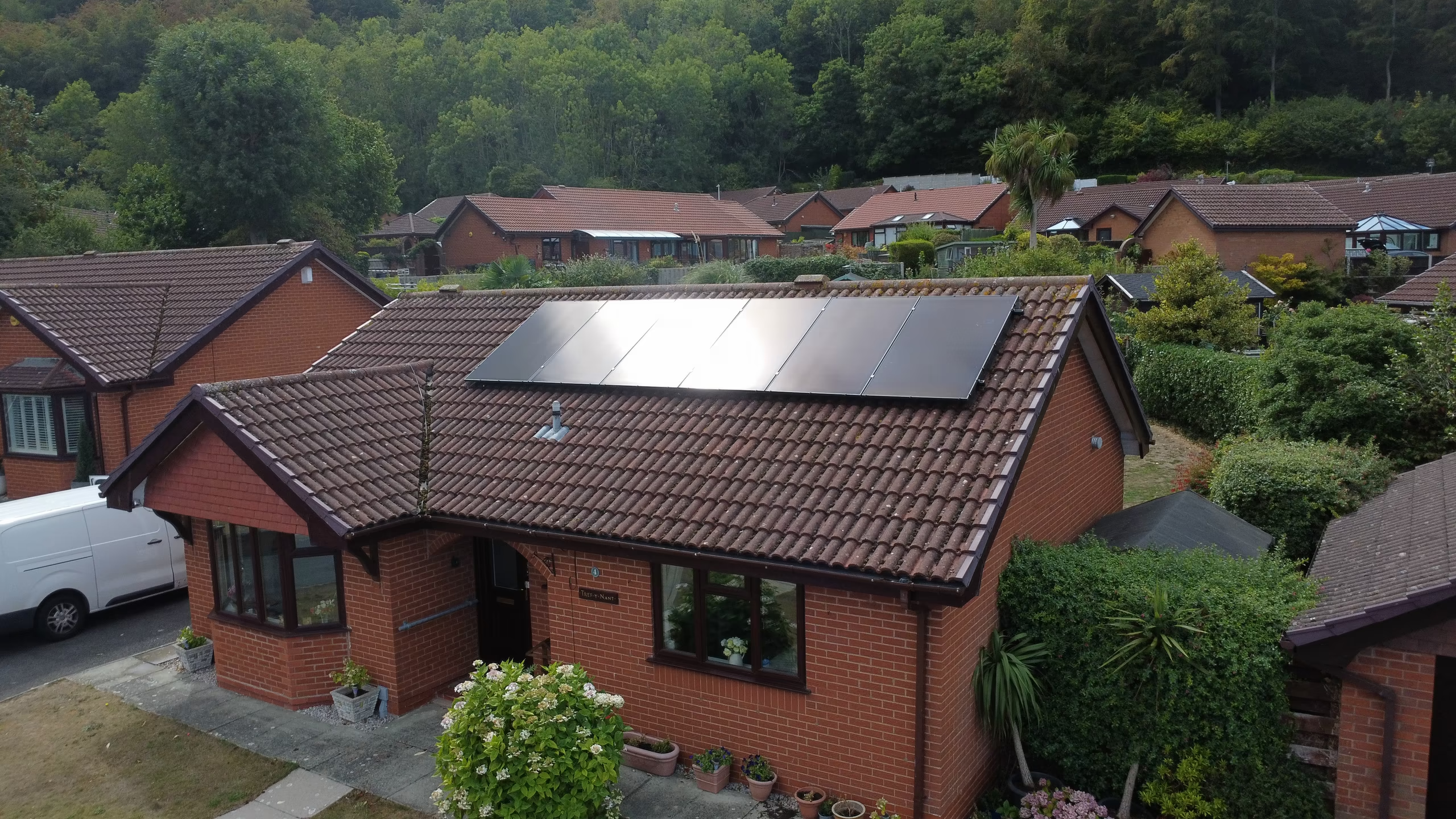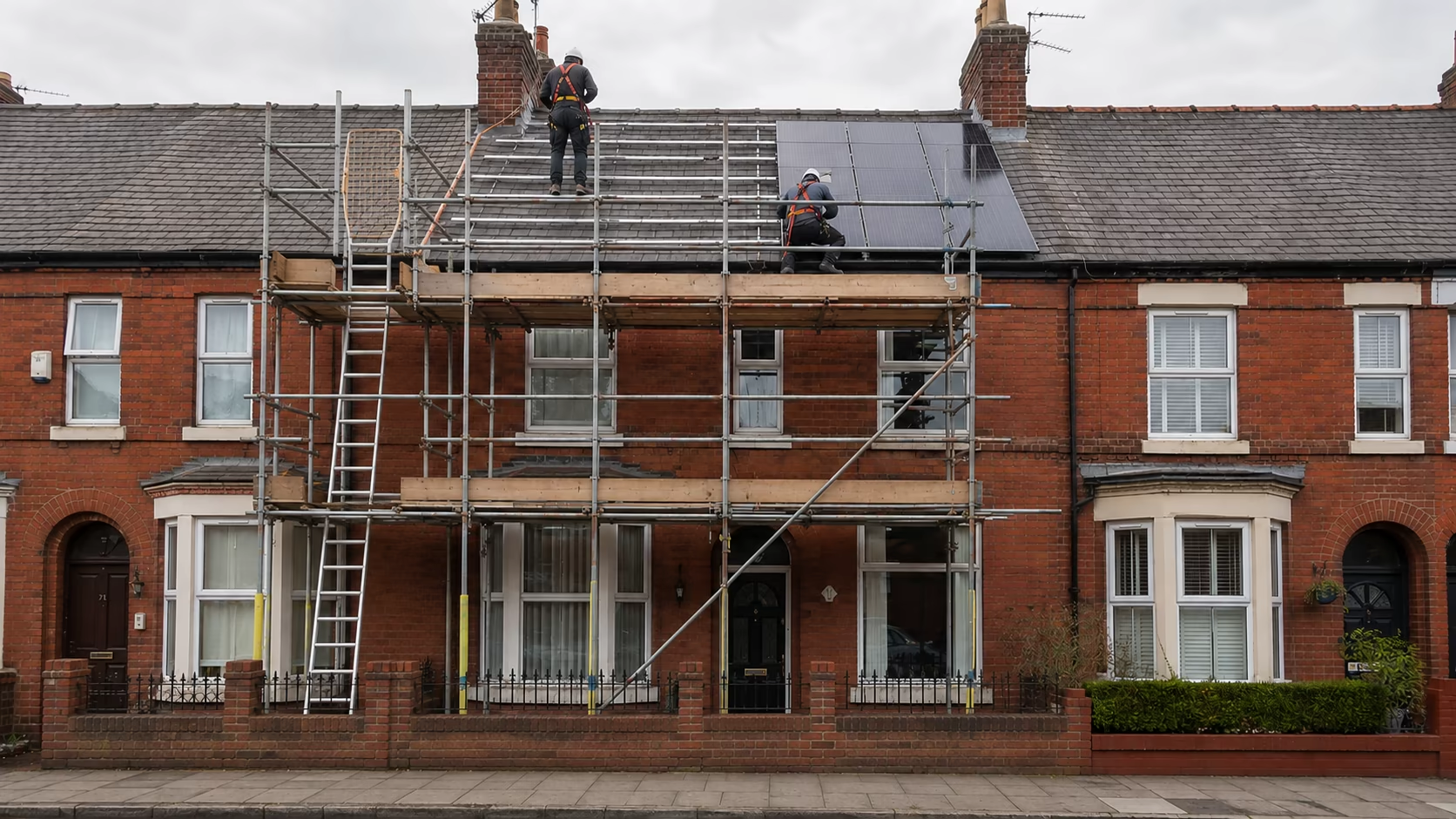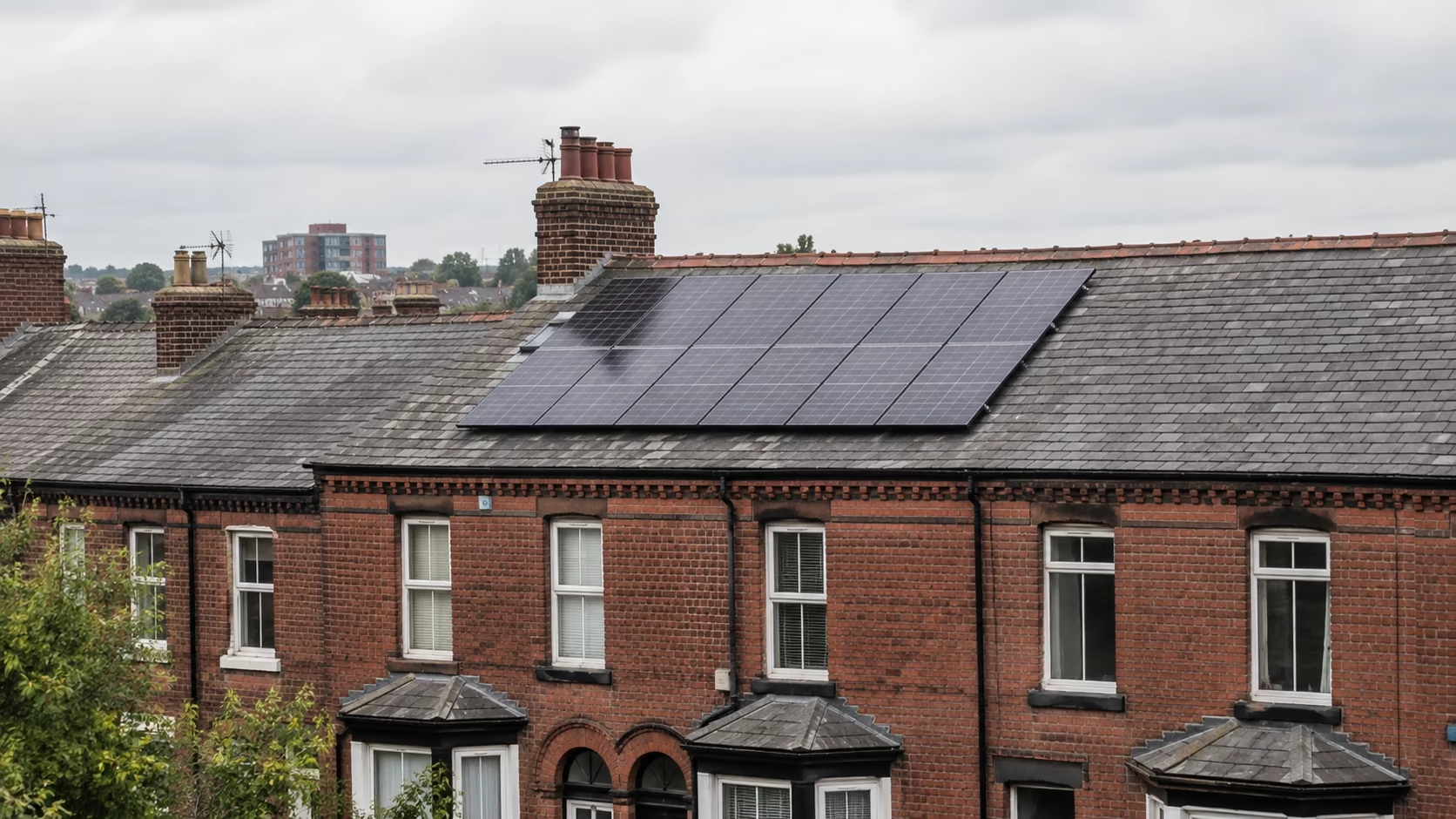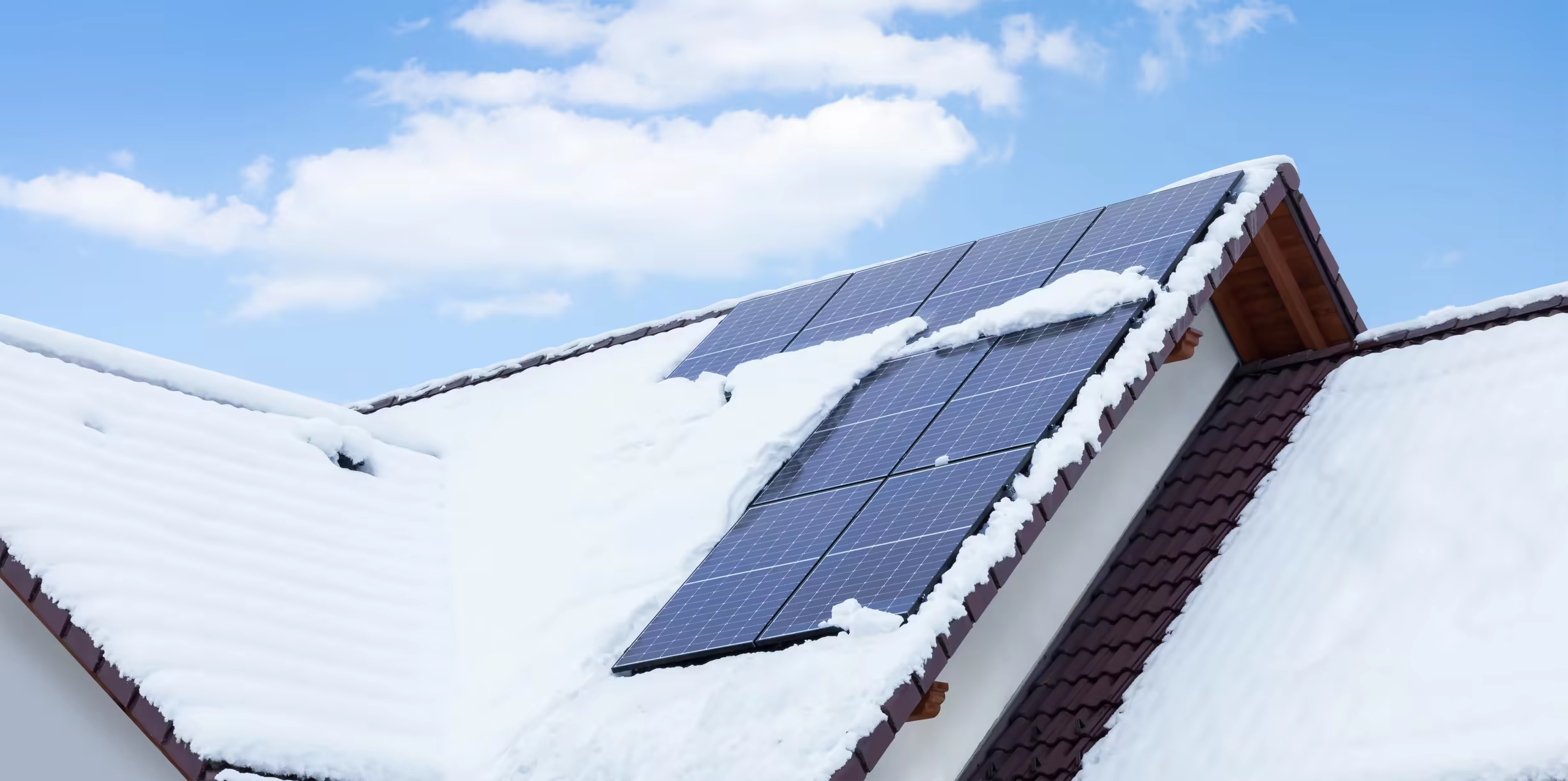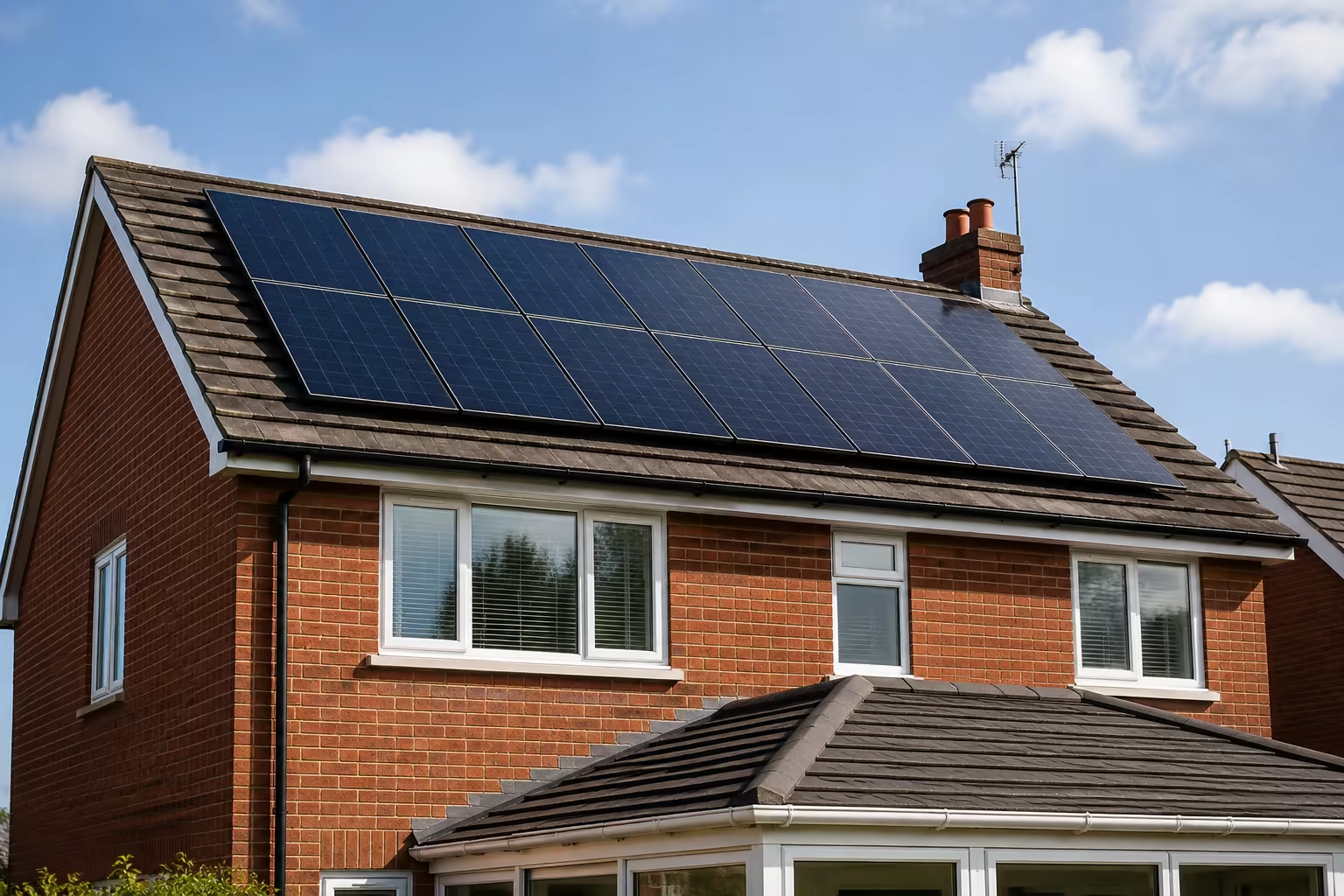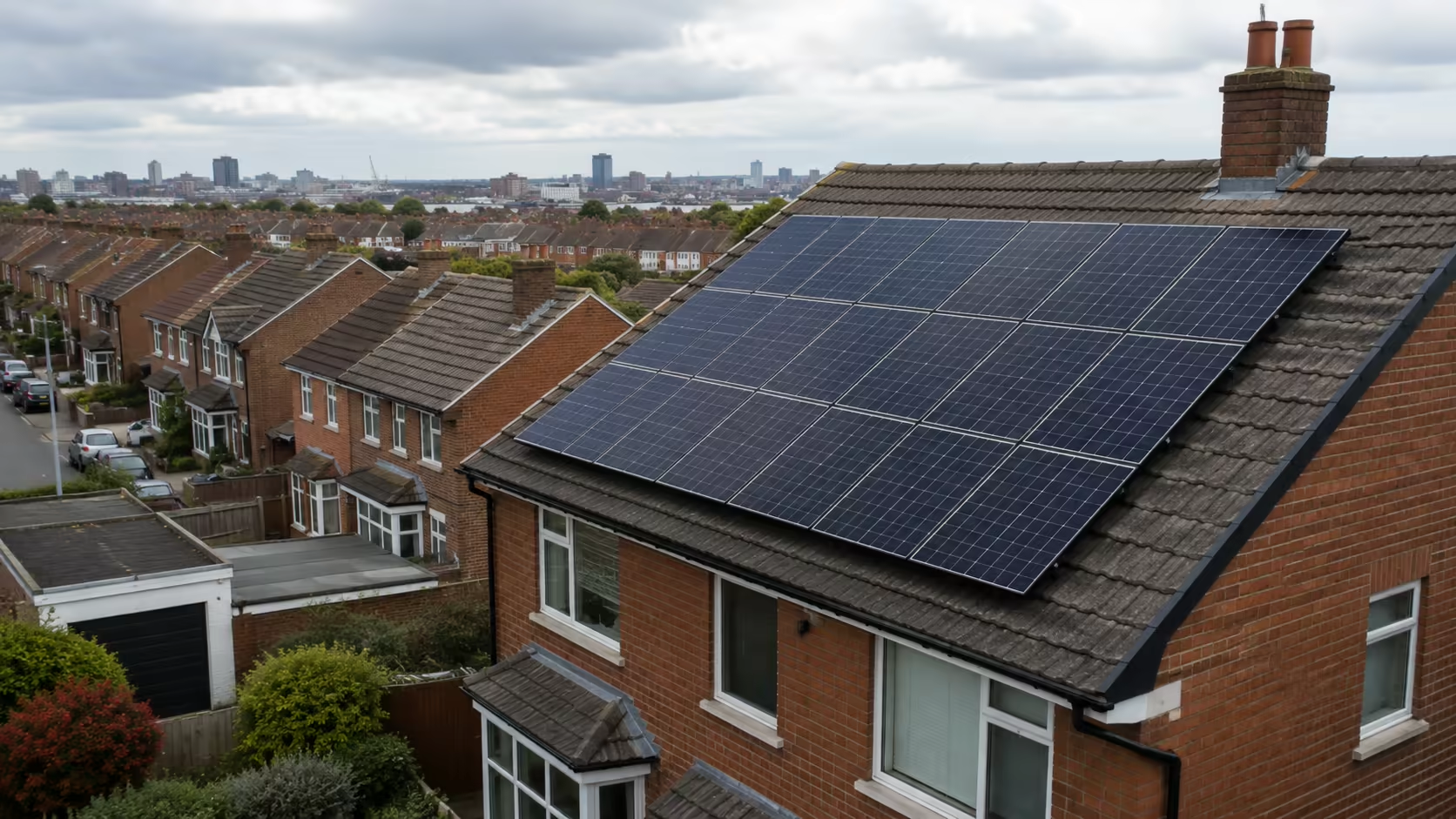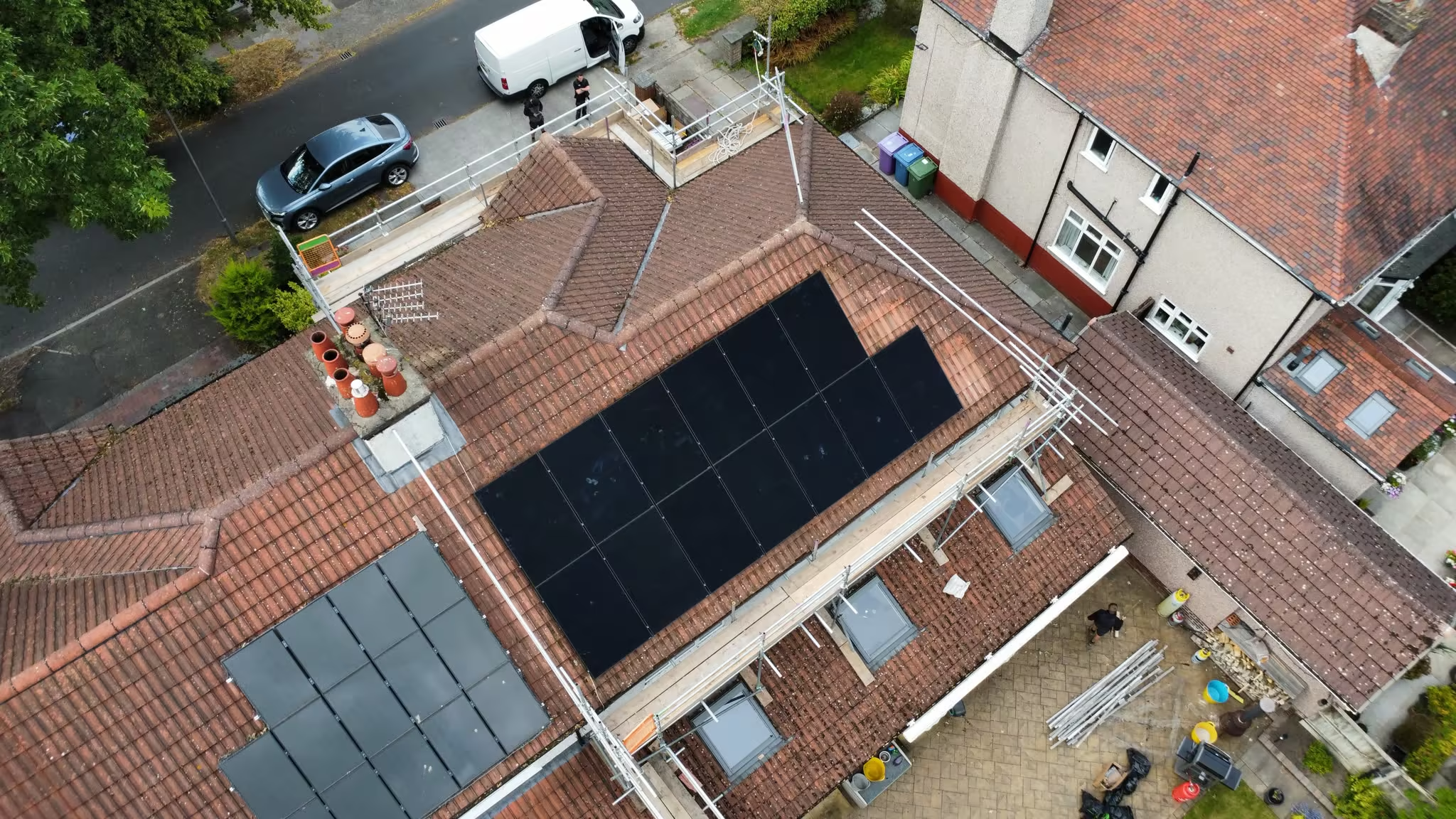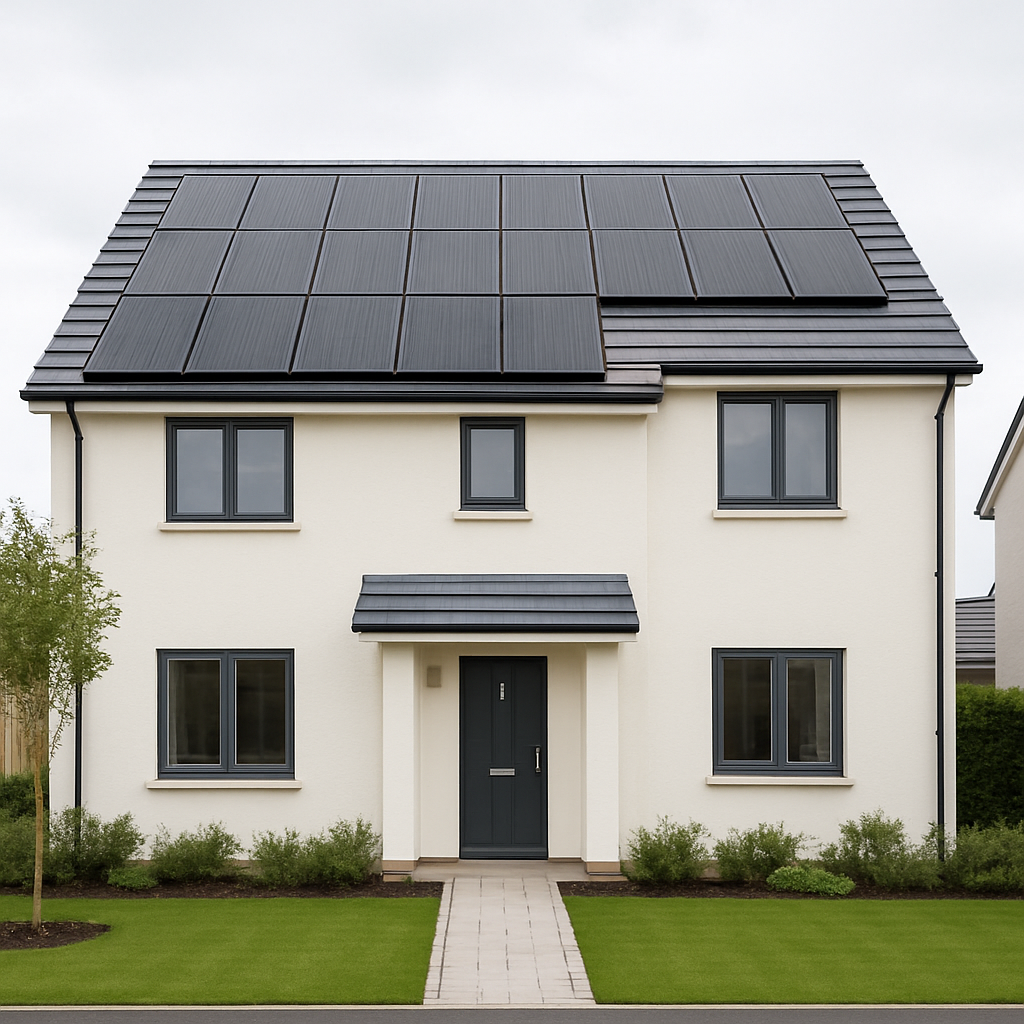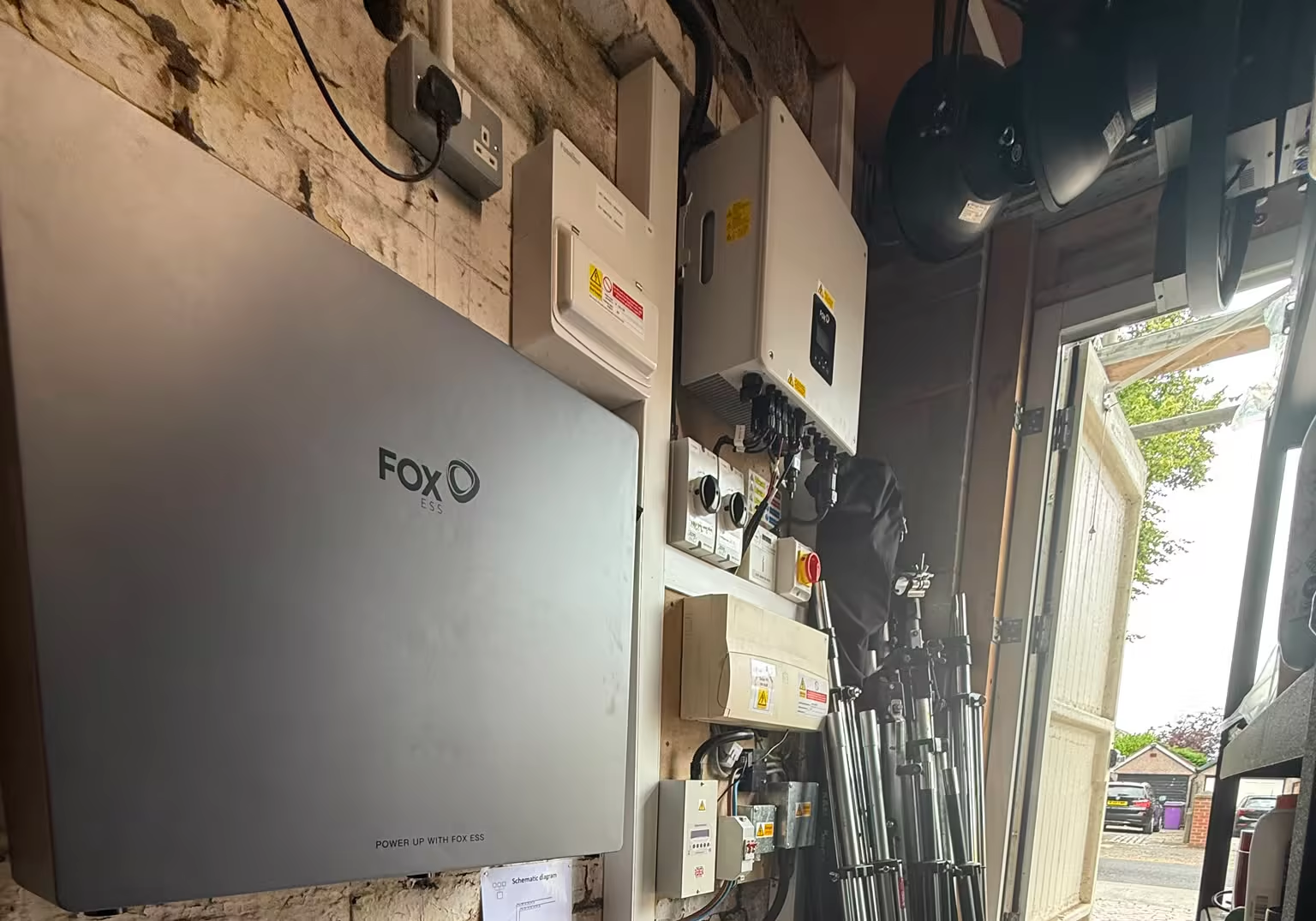

One of the main attractions of solar panels is that they require very little day-to-day maintenance. There are no moving parts on the panels themselves and normally very little for a homeowner to do once the system is installed and operating correctly.
That doesn’t mean the system should be completely forgotten. Solar panel maintenance is mainly about monitoring performance, checking the equipment and addressing problems before they become expensive.
Do solar panels need cleaning?
Sometimes, but not necessarily as often as you might think. Rain naturally washes away much of the dust and dirt that collects on solar panels in the UK. However, panels can still accumulate:
- Bird droppings
- Leaves
- Moss
- Dust and dirt
- Other debris
If enough dirt or debris covers part of a panel, it can reduce the amount of sunlight reaching the cells. Whether cleaning is worthwhile depends on the property and how contaminated the panels have become. Professional cleaning may help restore performance where there is significant build-up.
Should I clean my solar panels myself?
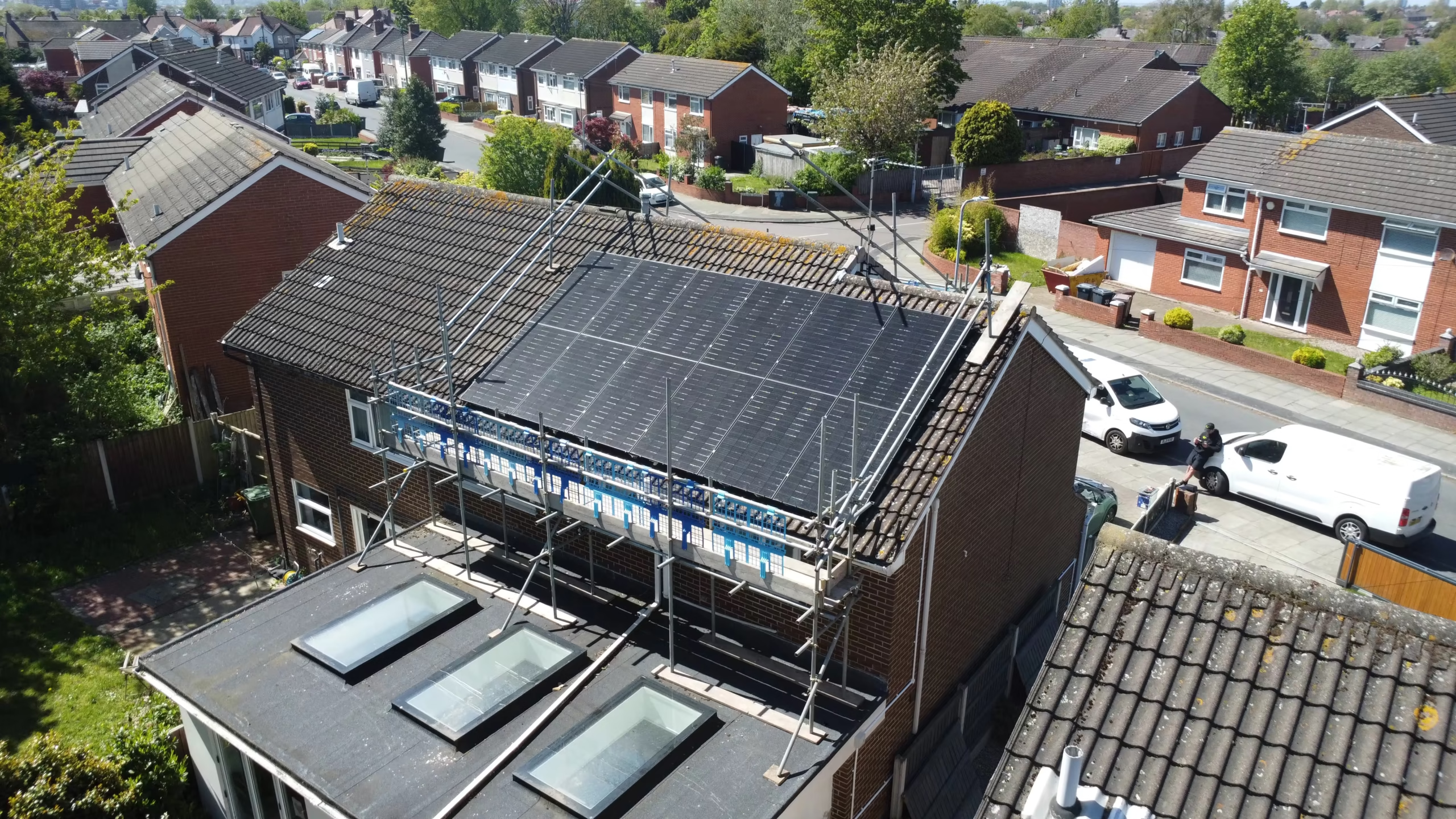
We wouldn’t recommend climbing onto a roof to clean solar panels. The risk of falling is far greater than the potential saving, and solar panels are electrical equipment that should be handled safely.
If panels are safely accessible, follow the manufacturer’s guidance and avoid abrasive products or equipment that could damage the surface. Professional cleaning is the safer option for roof-mounted systems.
What about bird droppings?
Heavy bird fouling can be more troublesome than general dust because it may cover part of a panel and reduce generation. Bird protection can be useful on properties where birds regularly nest beneath the panels.
Generating Energy can include bird protection with a solar installation where appropriate. It isn’t necessary for every property, so it should be considered as part of the site assessment.
Do solar panels need an annual service?
There is no universal requirement for every domestic solar PV system to receive an annual service in the same way as a gas boiler. However, regular checks are a sensible way to protect the installation.
A maintenance inspection may cover:
- Panel condition
- Inverter operation
- Electrical connections
- The mounting system
- Cabling and isolation equipment
- Generation performance
- Monitoring data
- Battery operation, where fitted
The exact checks will depend on the equipment and how the system was installed.
Keep an eye on your solar generation
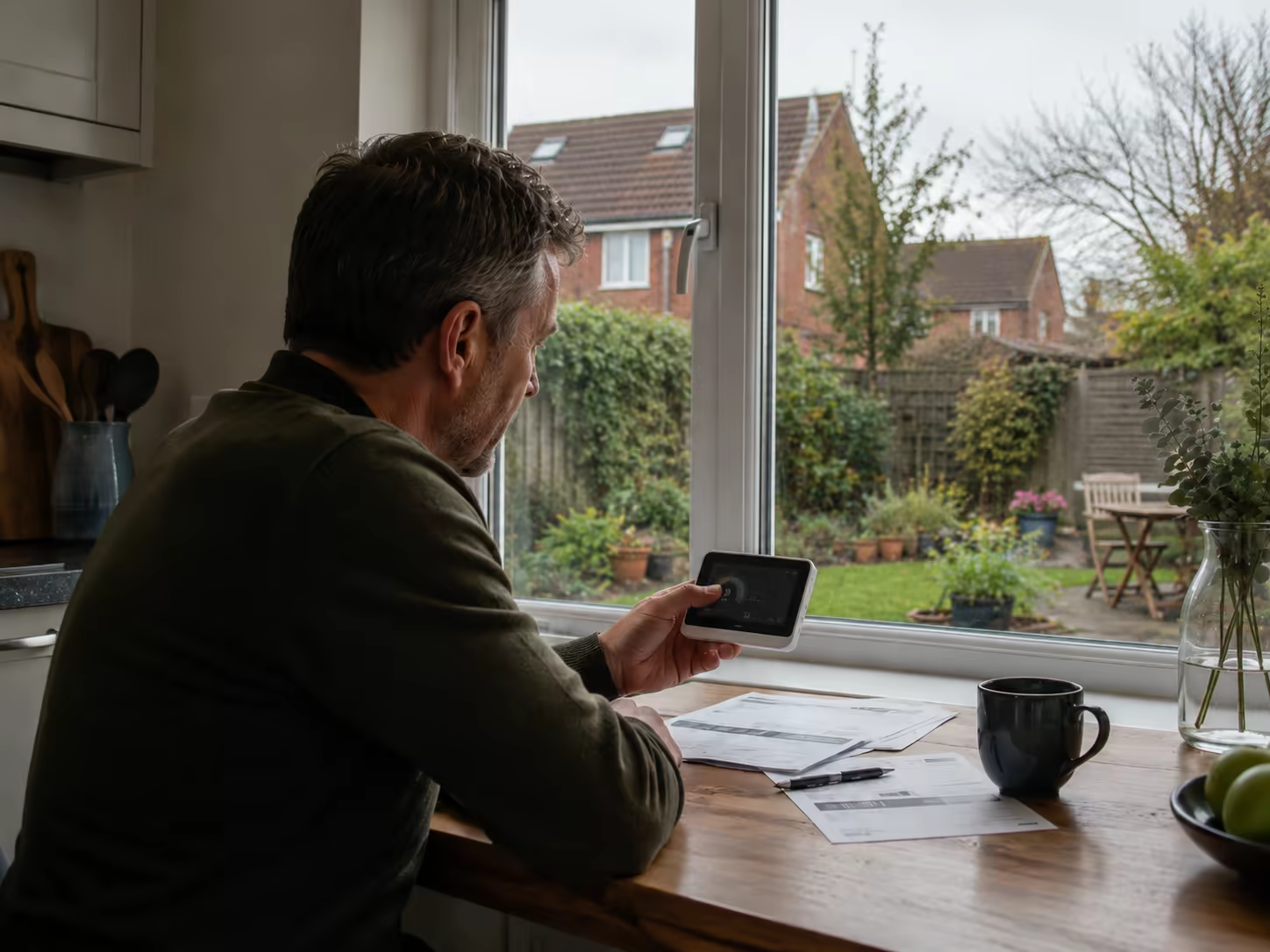
Regular monitoring is one of the simplest forms of solar maintenance. Most modern inverters and battery systems include an app or online platform showing how much electricity is being generated and, where applicable, how the battery is charging and discharging.
If generation suddenly falls well below normal levels, it may be worth investigating. Several clear days with unusually low output could point to an issue with the panels, inverter, wiring, shading or another part of the system.
Solar panels are designed for long-term use
Solar panels are designed to operate for decades. Their performance generally degrades gradually over time rather than stopping suddenly.
Inverters and other electrical equipment may have different expected lifespans and warranties, so keep clear records of everything installed at the property. When choosing an installer, consider who will handle future faults and what workmanship support is included, not just the panel warranty.
What maintenance does a solar battery need?
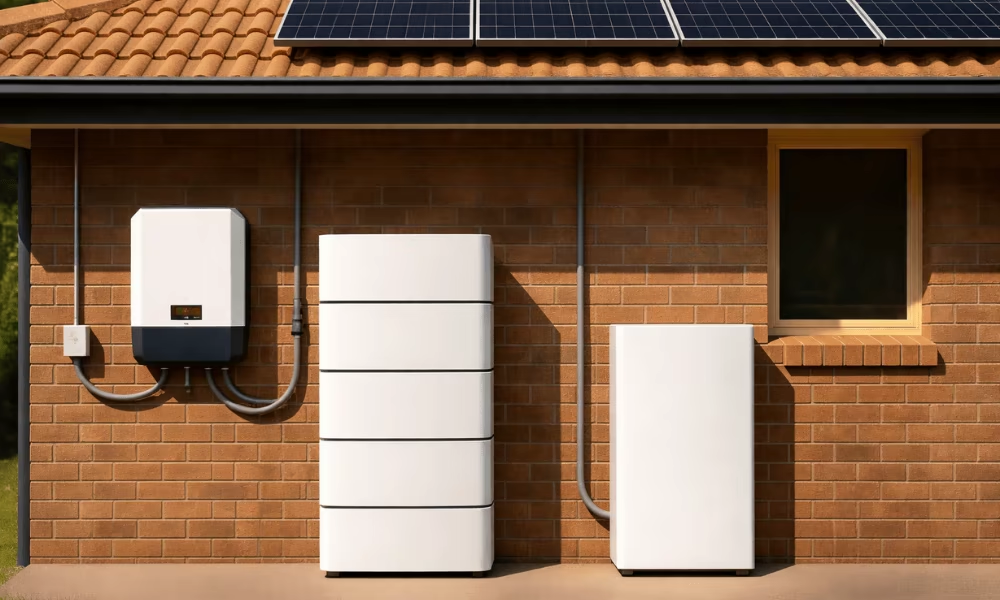
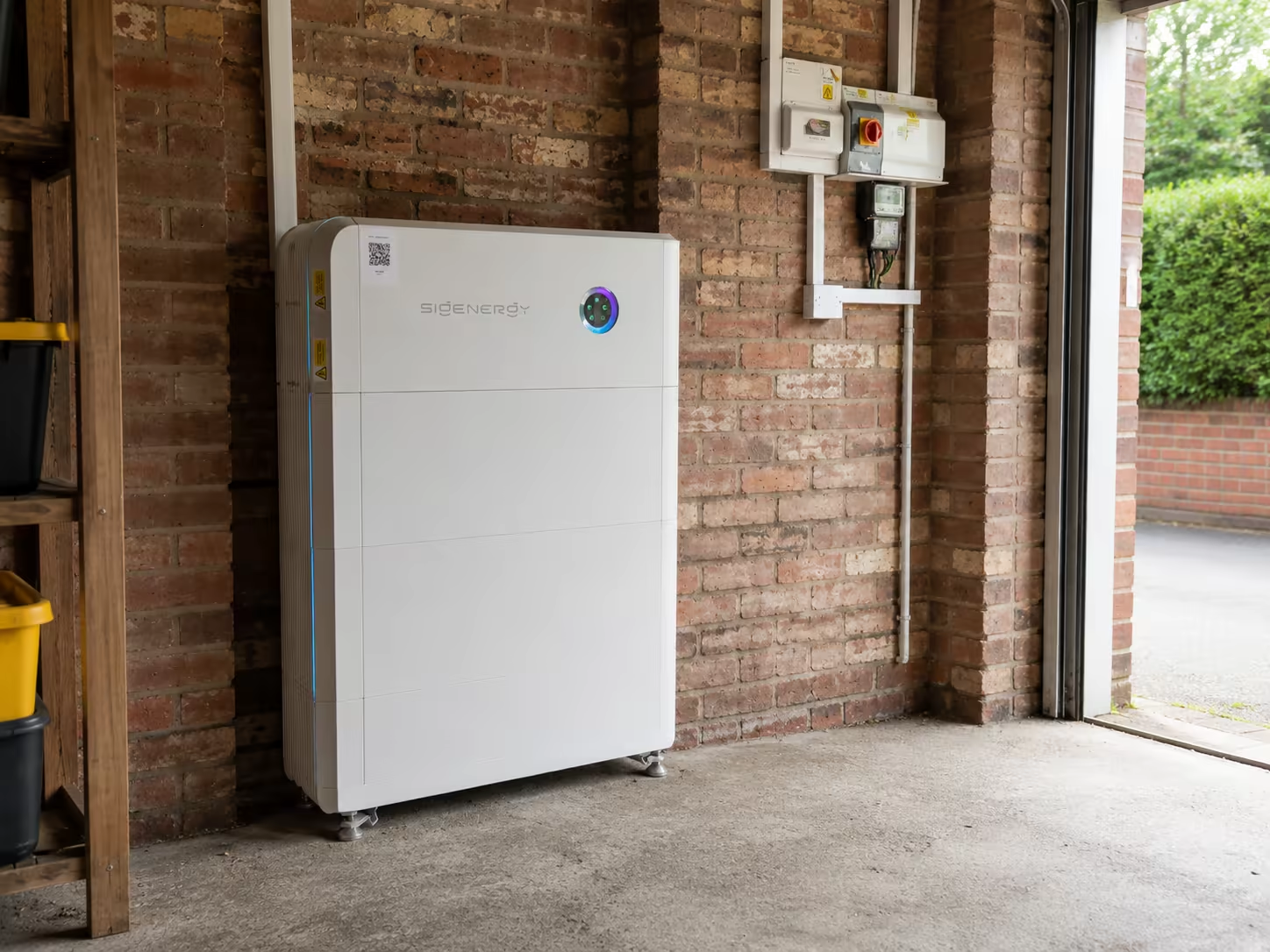
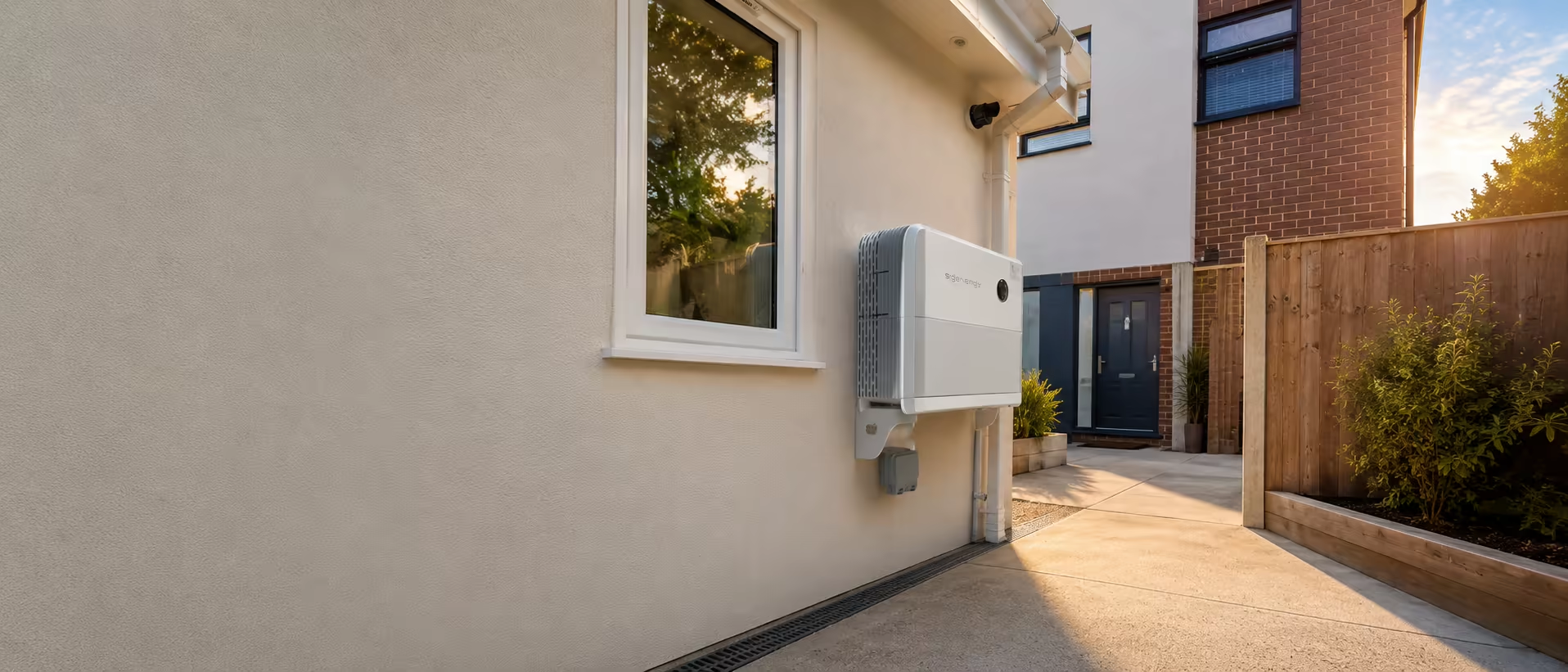
Modern home batteries are generally designed to operate automatically and don’t require regular physical maintenance by the homeowner. The battery management system handles charging and discharging, while the inverter and associated equipment control how energy moves around the property.
The system should still be monitored and professionally inspected where appropriate. Contact the installer or a suitably qualified engineer if you notice error messages, unusual behaviour or an unexpected change in available battery capacity.
What about solar panel warranties?
Several warranties may apply to one solar installation:
- Panel product warranty
- Panel performance warranty
- Inverter warranty
- Battery warranty
- Mounting system warranty
- Workmanship warranty
The workmanship warranty is particularly important because it relates to the installation itself. High-quality equipment can still perform badly or develop problems if it hasn’t been installed correctly.
How often should solar panels be checked?
There isn’t one schedule that suits every property. Monitor the system regularly and arrange professional checks when performance changes, the equipment reports a fault or there are concerns about the installation.
Commercial and larger systems may need a more structured maintenance programme. For many domestic systems, reliable monitoring combined with sensible periodic checks is enough.
Final thoughts
Solar panels are relatively low maintenance. You shouldn’t need to clean them every few months, constantly adjust the equipment or spend large amounts each year to keep the system running.
What matters is having the system installed correctly, monitoring its performance and dealing with faults when they arise. Good maintenance is about doing the right work at the right time.
Looking for solar panel maintenance in Liverpool?
Generating Energy provides maintenance and support for solar PV systems across Liverpool and the North West, helping homeowners keep their panels, inverters and battery equipment operating properly over the long term.