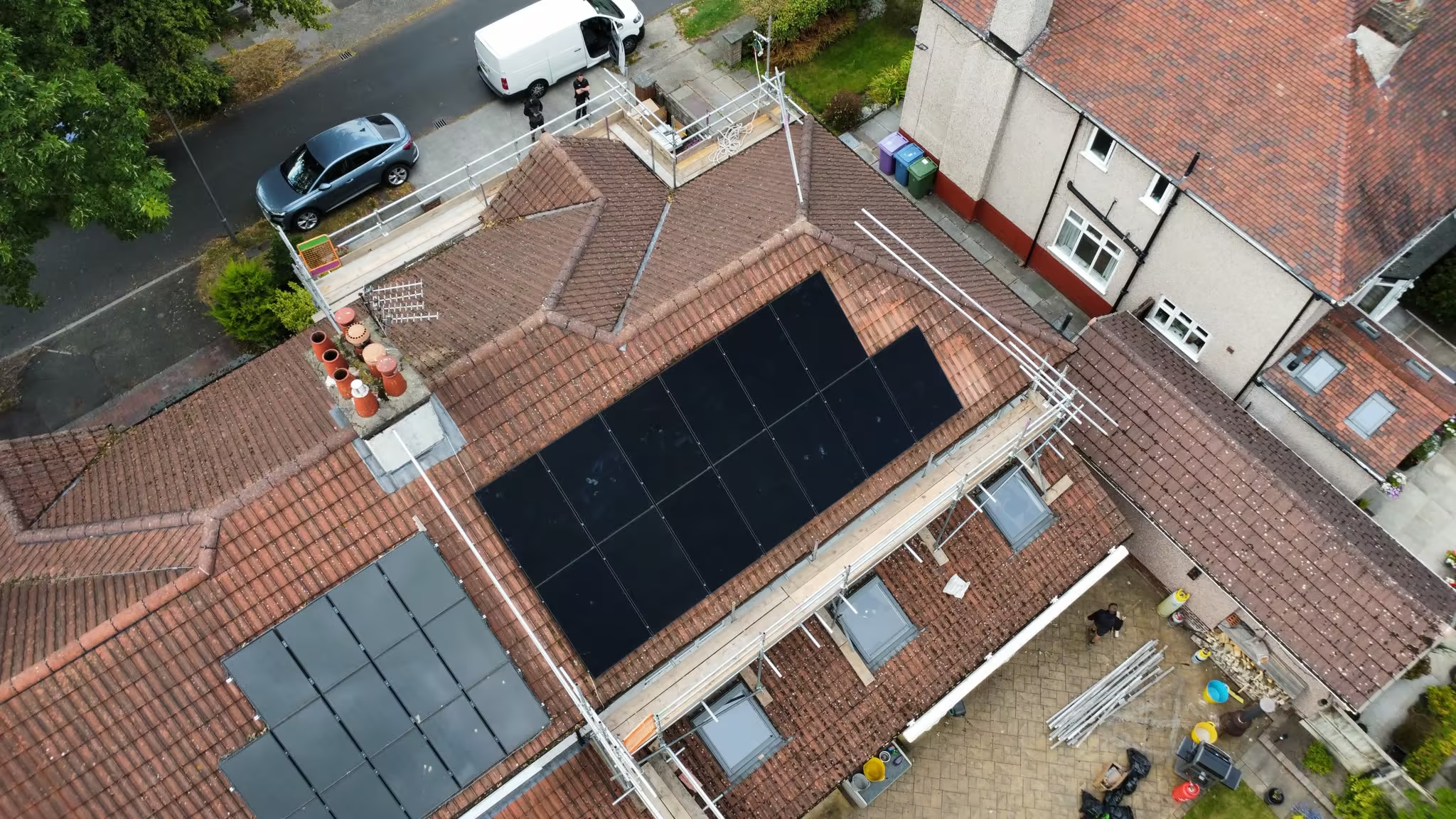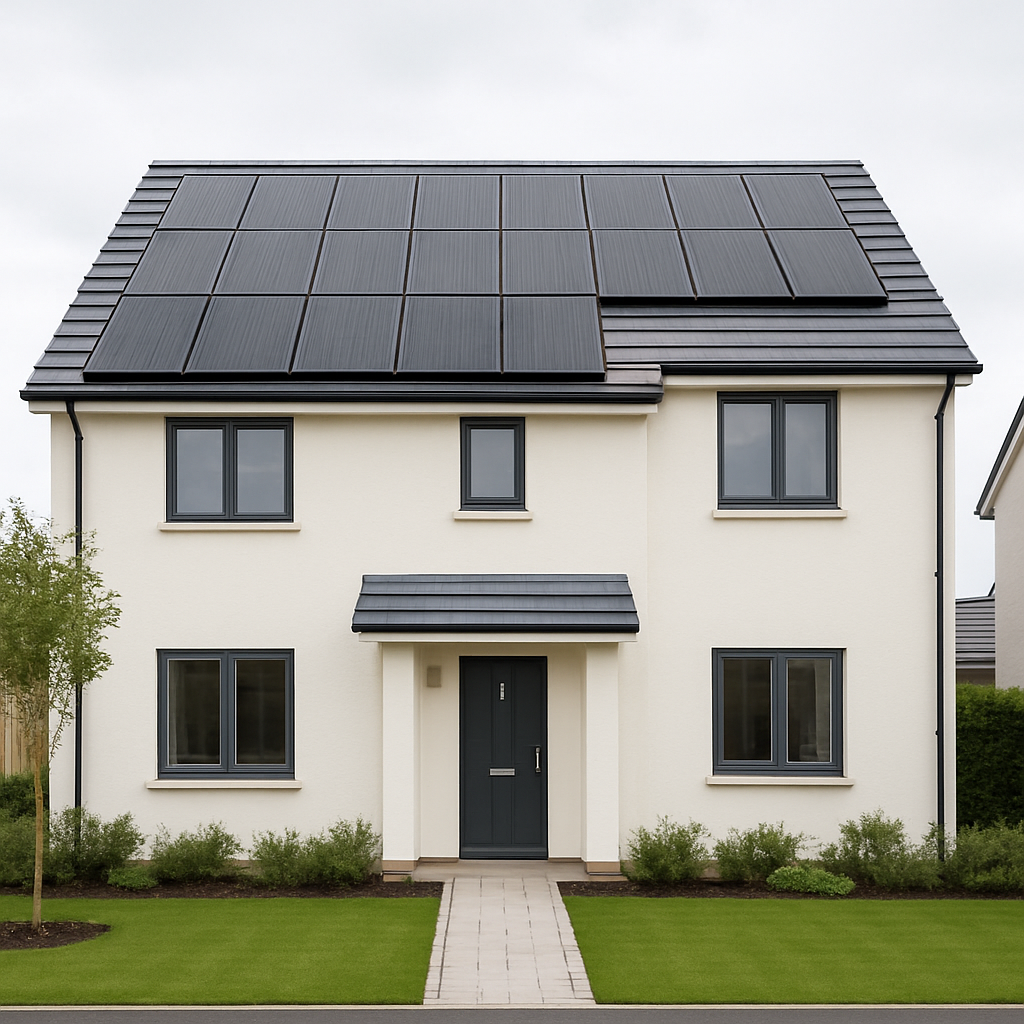

If you have an electric car on the driveway, installing solar panels can make even more sense. Solar panels can generate electricity for charging an EV, either through a compatible charger or as part of a wider system that includes battery storage.
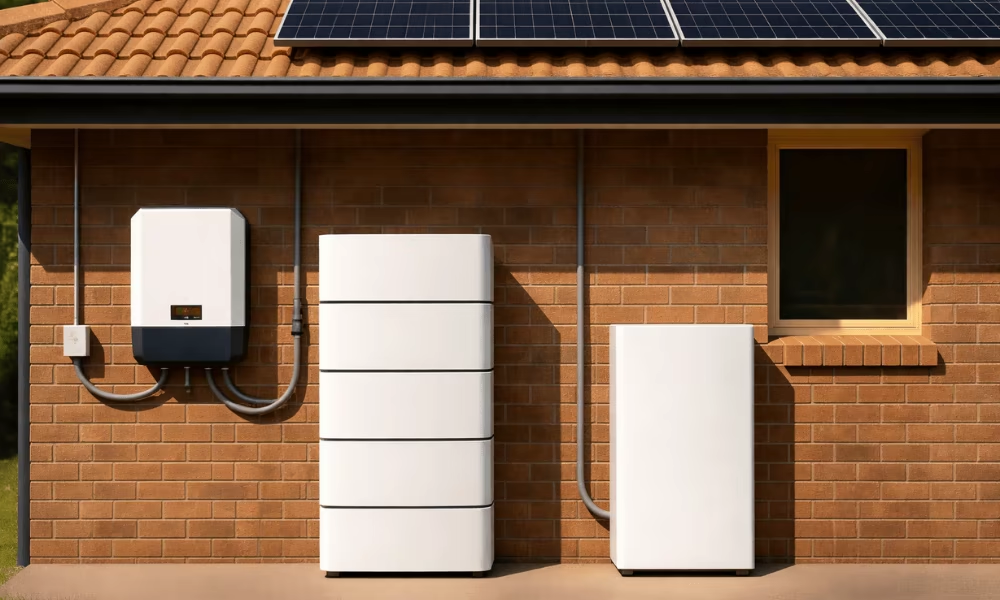
Combining solar panels, battery storage and an EV charger can reduce the amount of electricity your household needs to buy from the grid. The right setup depends on your driving habits, household consumption and when the vehicle is normally at home.
How does solar EV charging work?
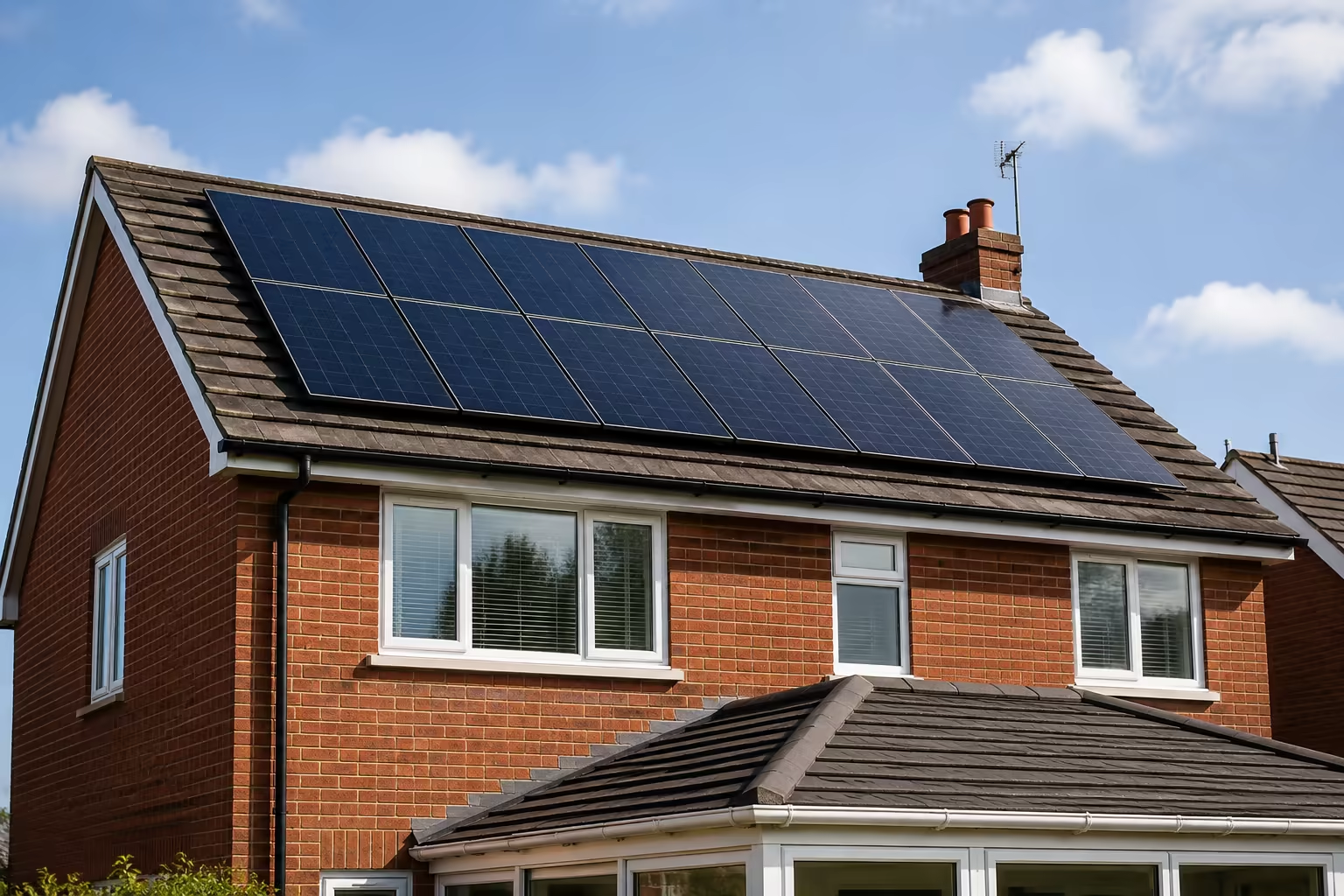
Solar panels generate electricity during daylight hours. Your home uses the electricity it needs first, and available surplus generation can potentially be directed towards your electric vehicle.
For example, if the panels are producing 4kW while the house is using 1kW, around 3kW may be available. A compatible EV charging setup can use some or all of that surplus instead of exporting it to the grid. This is commonly known as solar surplus charging.
How much solar power is needed to charge an EV?
There isn’t one answer because it depends on the solar PV system, the vehicle’s battery and the number of miles driven. A typical electric car may have a battery capacity of around 40 to 80kWh, depending on the model, but that doesn’t mean you need an 80kW solar system.
Most EV owners don’t need to recharge the whole vehicle battery from solar in one session. They plug in regularly and replace the energy used during recent journeys. If you drive 30 miles in a day, for example, you may only need to replace a relatively small amount of energy.
Can you charge an electric car directly from solar panels?
Yes, although the exact process depends on the EV charger and energy management system. A solar-compatible charger can monitor household generation and consumption, then adjust charging to make use of available surplus solar electricity.
Solar generation isn’t constant. Cloud cover, household demand and available daylight all change throughout the day, so good energy management is important.
What happens if there isn’t enough solar?
Your car doesn’t have to stop charging when the panels aren’t producing enough electricity. Depending on the setup, the charger can draw additional power from the grid when required.
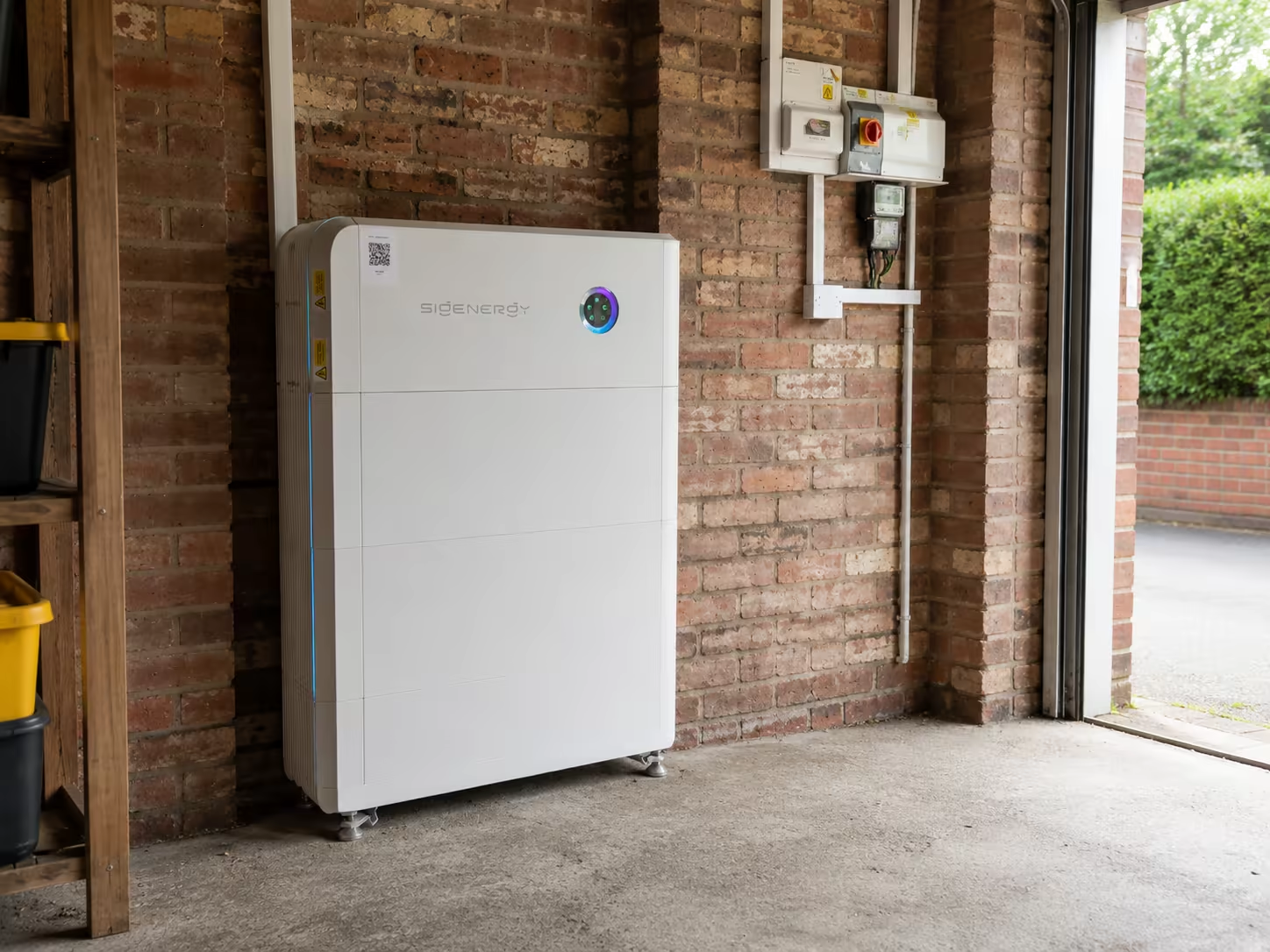
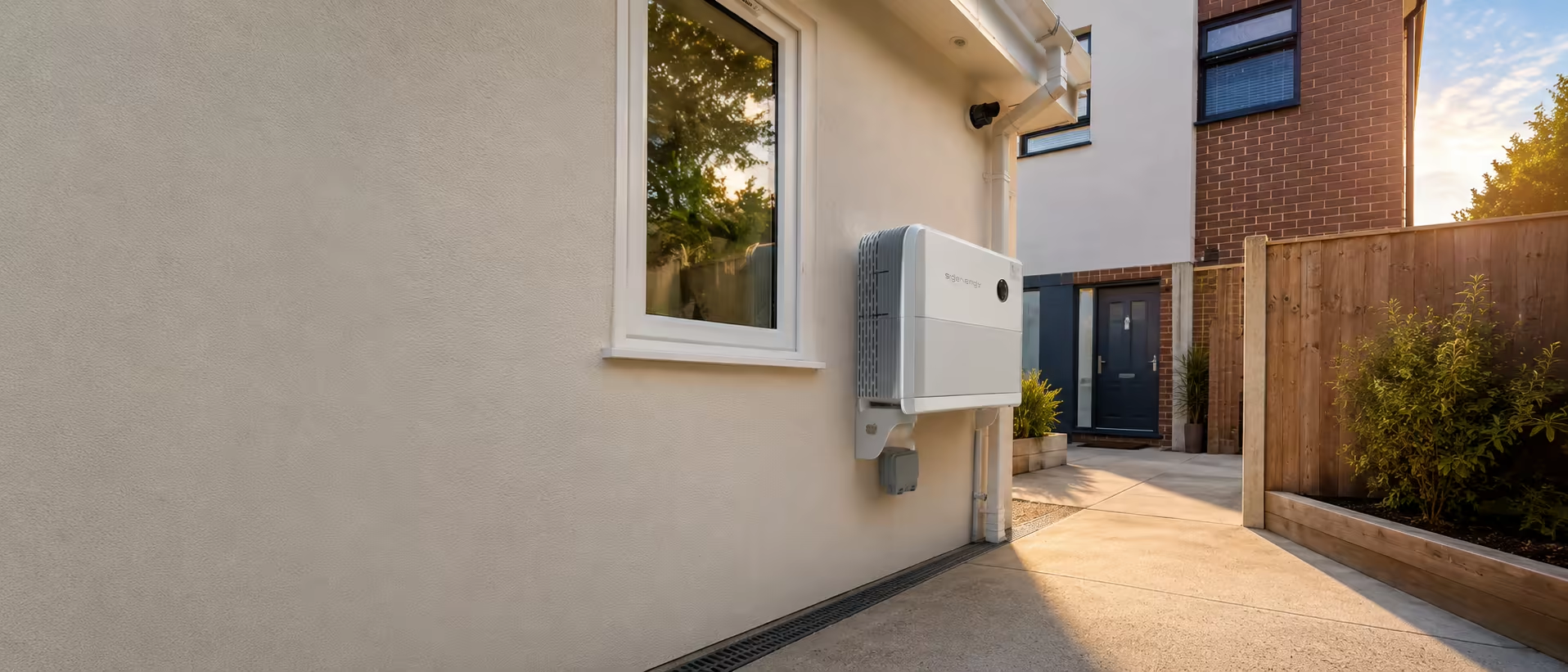
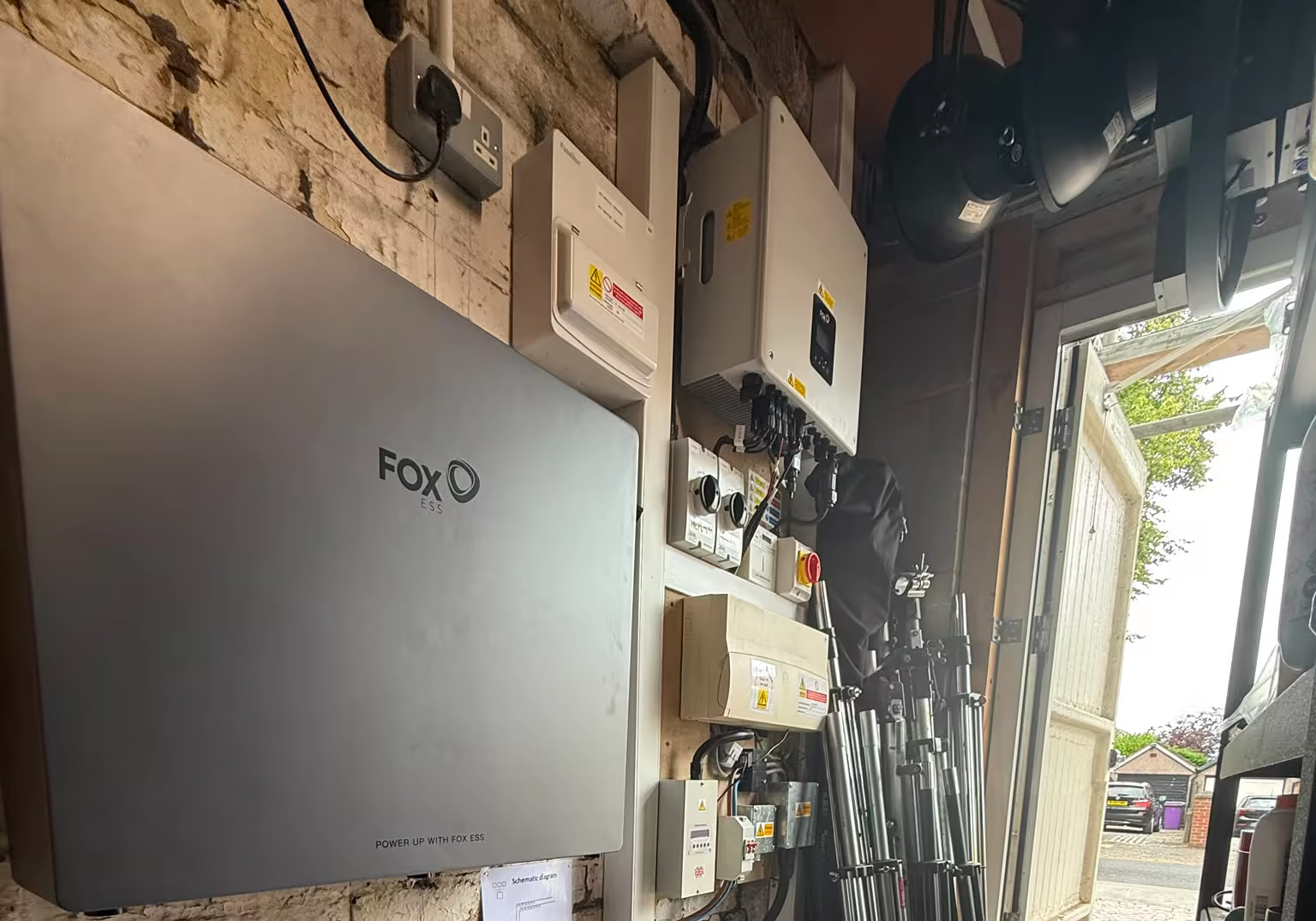
If battery storage is installed, stored energy may also form part of the home’s energy management strategy. The system should be configured around how you want it to operate and when the vehicle needs to be ready.
Solar panels and EV charging in winter
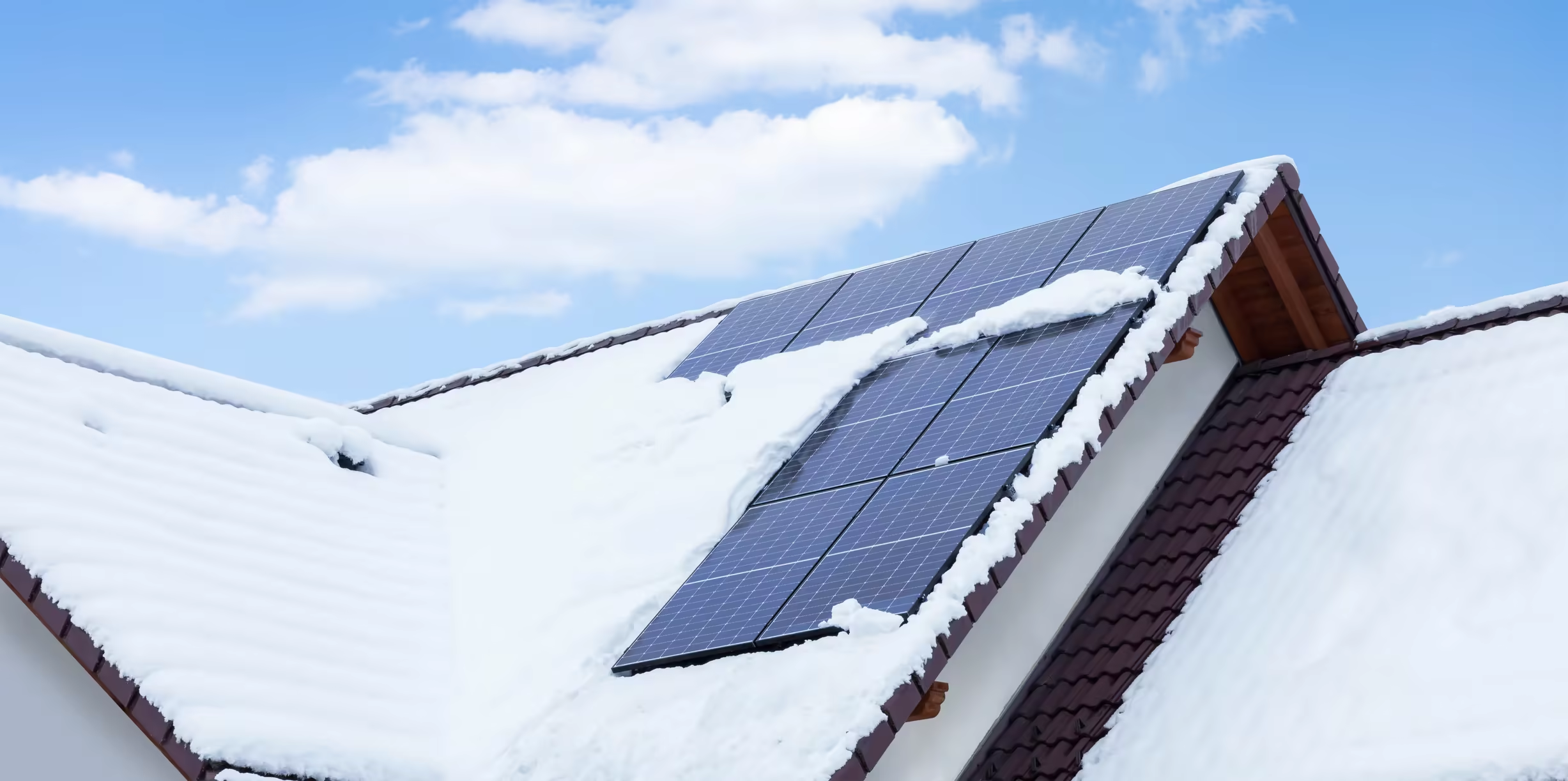
Solar panels produce less electricity during winter, so there will generally be less surplus available for an EV. Drivers who need to charge regularly may still use grid electricity during periods of low solar generation.
This doesn’t mean the system has failed. The practical aim is to reduce reliance on grid electricity rather than expecting solar to provide all of the vehicle’s charging throughout the year.
Should you add a battery?
Battery storage can be useful if the car isn’t at home during the main solar generation period. For example, the vehicle may be away between 8am and 5pm while the panels are producing electricity.
Without a battery, surplus electricity may be exported to the grid. With battery storage, some of that energy can be retained for use later. Whether this is the right option depends on household consumption, EV use, the electricity tariff and the size of the solar installation.
Can solar charge an EV at night?
Solar panels can’t directly charge a vehicle at night because they aren’t generating electricity. However, a battery can store daytime generation for later use.
EV owners may also benefit from electricity tariffs with cheaper overnight charging periods. A properly designed system can combine solar generation, battery storage, EV charging and smart tariffs to help reduce overall electricity costs.
Is solar worth it if I have an electric car?
It can be. An EV can significantly increase household electricity consumption, giving the solar PV system more demand to offset. Instead of buying all the additional electricity required for the car from the grid, some can come from your own panels.
This is why a good solar design considers the whole household energy picture. The installer needs to understand what electricity is being used for, not just how much space is available on the roof.
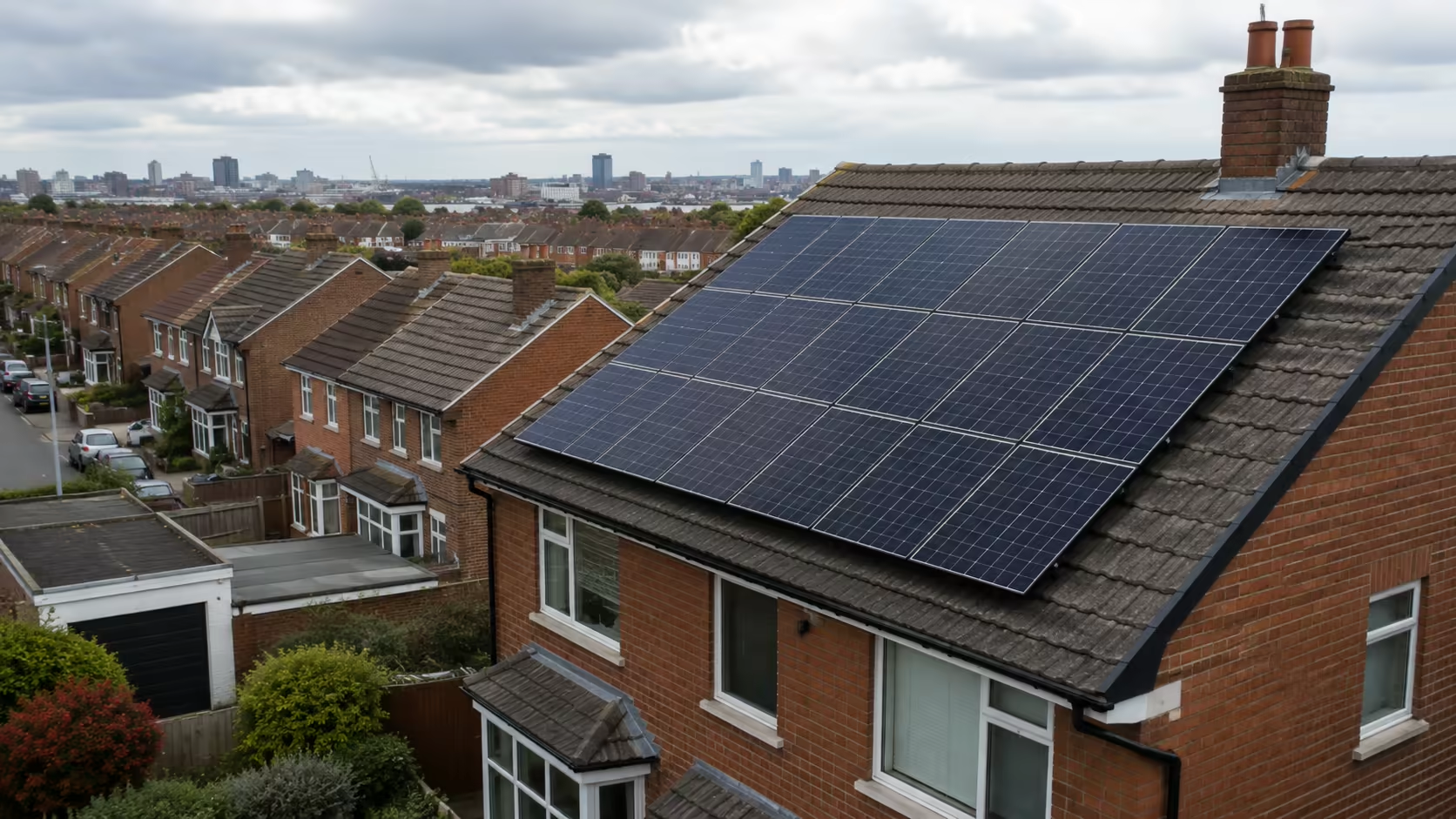
Solar and EV charging in Liverpool
A solar and EV charging system should be designed around your driving habits and electricity consumption. Tell your installer how many miles you normally drive, when the vehicle is at home and which electricity tariff you use. These details can make a significant difference to the recommended system.
Final thoughts
Solar panels can provide electricity for an electric car, while a compatible charger can direct surplus generation into the vehicle. Battery storage adds flexibility when the car isn’t at home during the day, and grid electricity remains available when solar output is insufficient.
For EV owners, solar can reduce both household electricity costs and the cost of running the vehicle.
Considering solar panels and EV charging in Liverpool?
Generating Energy designs and installs solar, battery storage and EV charging systems across Liverpool and the North West. Our team can design the equipment as one properly integrated system rather than treating each installation separately.