Residential
Focused on innovation, not sales.
Your trusted engineers in renewable energy.
Residential Solar
For UK homeowners, Solar panels, Battery storage, and EV charging stations are the perfect trio to save money, boost energy independence, and increase your home’s value. Solar panels let you generate your own electricity, cutting your energy bills, while Battery storage stores excess power for later use. Add an EV charger to power your electric vehicle with low-cost, green energy, reducing your fuel bills and your carbon footprint. With rising energy prices and the shift to electric cars, this is the smart, sustainable way to future-proof your home and wallet.
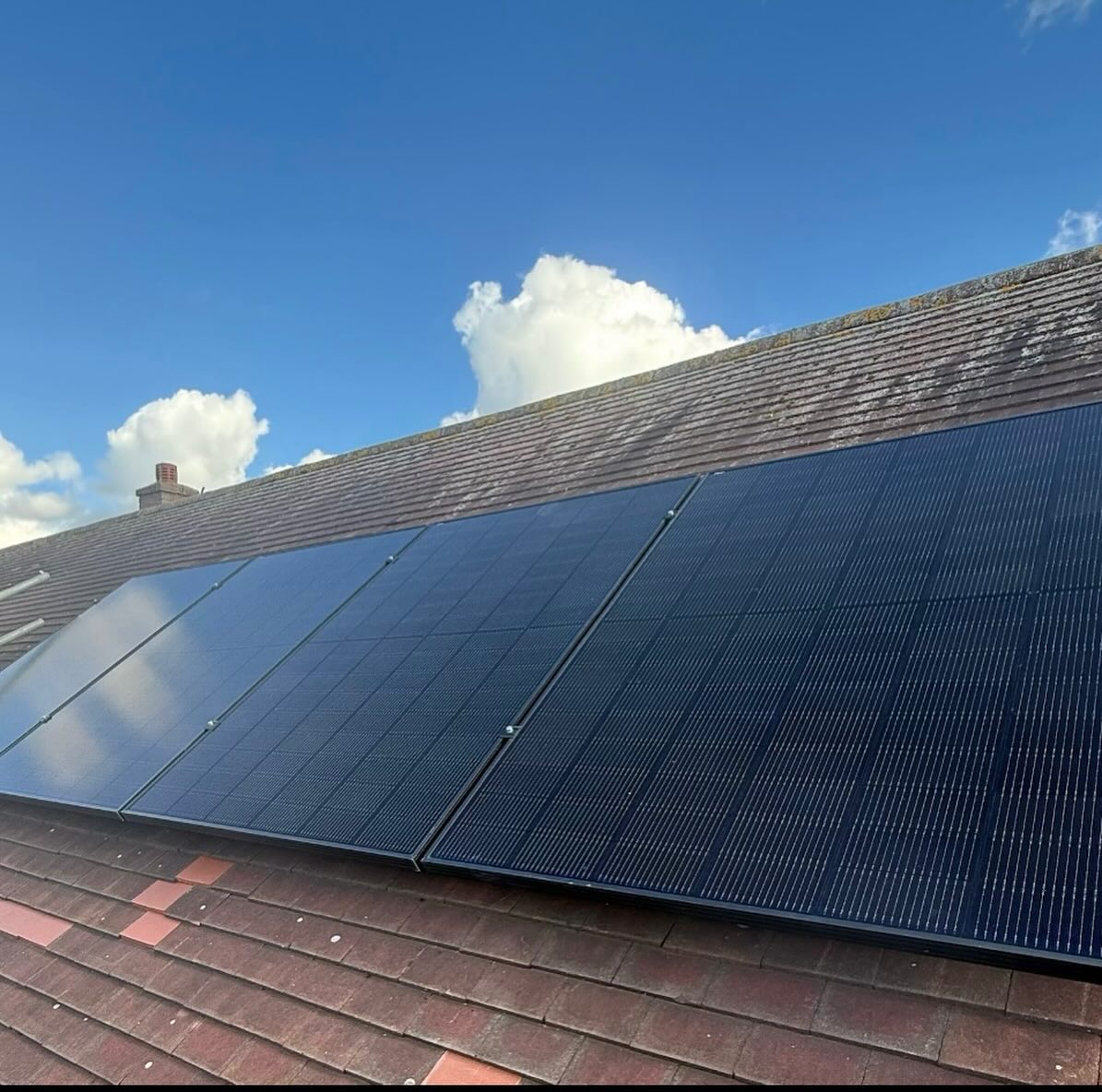
Residential solar solutions empower UK homeowners to take control of their energy and reduce household bills. By installing efficient solar panels with optional battery storage and EV charging, you can generate clean electricity, store excess power for evening use, and rely less on the grid. Our tailored residential solar systems are designed to maximise savings, improve energy independence, and add long-term value to your home while supporting a more sustainable, low-carbon lifestyle.
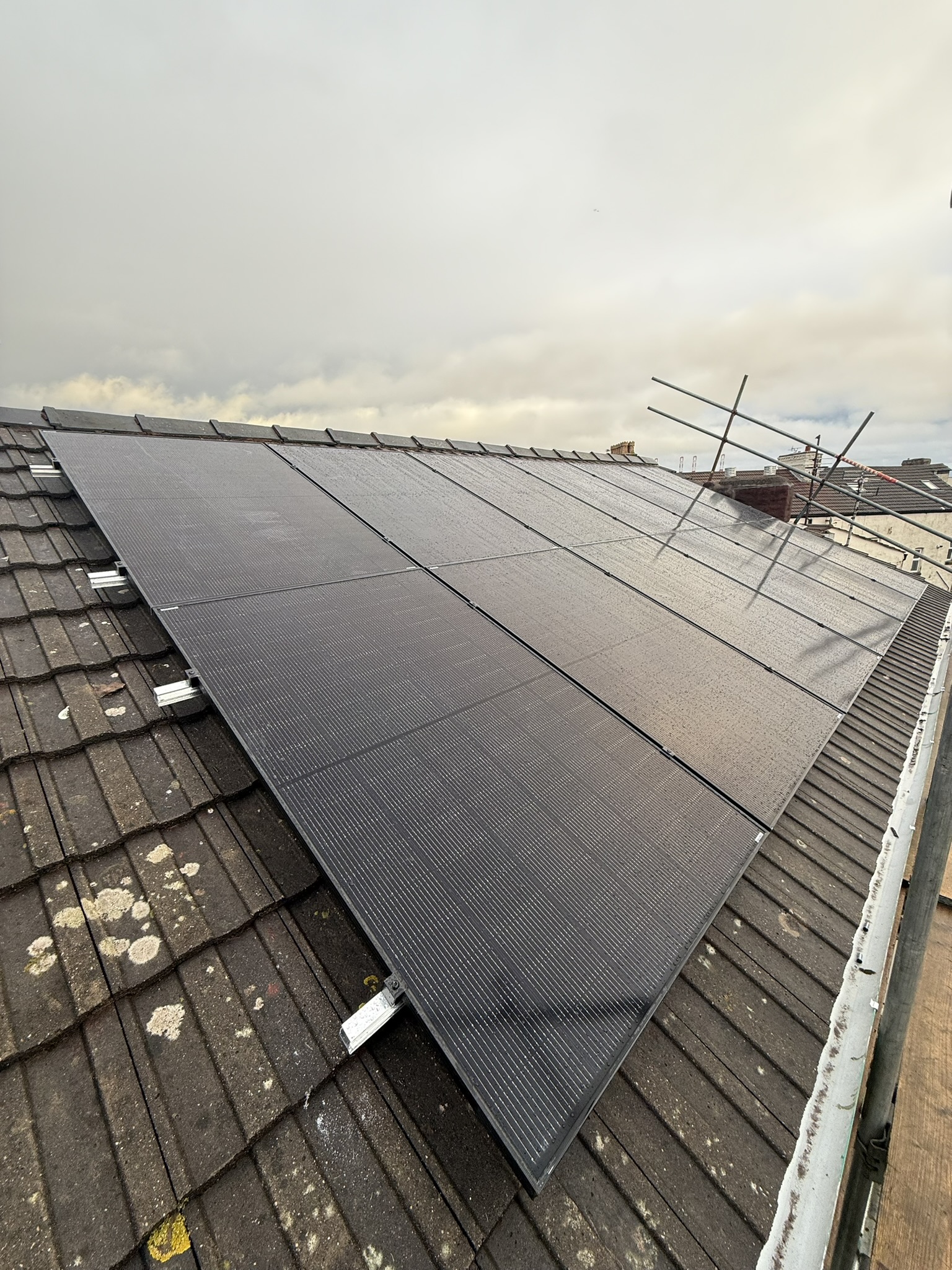
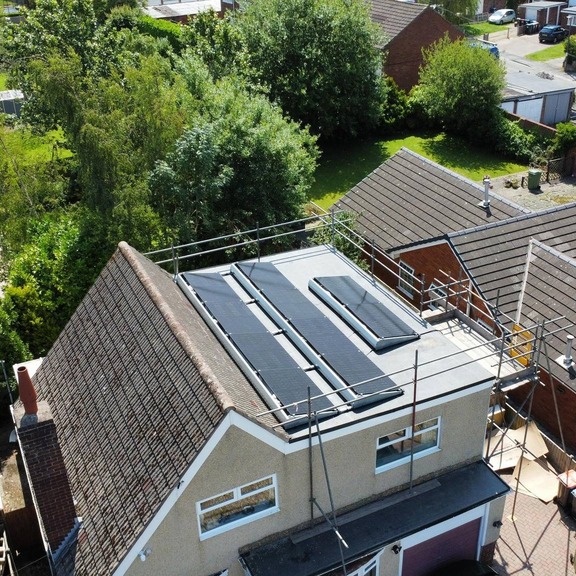
CHECK OUT OUR
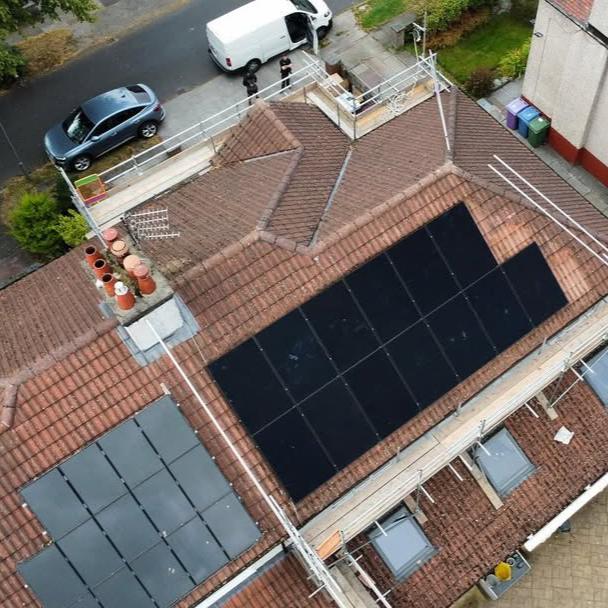
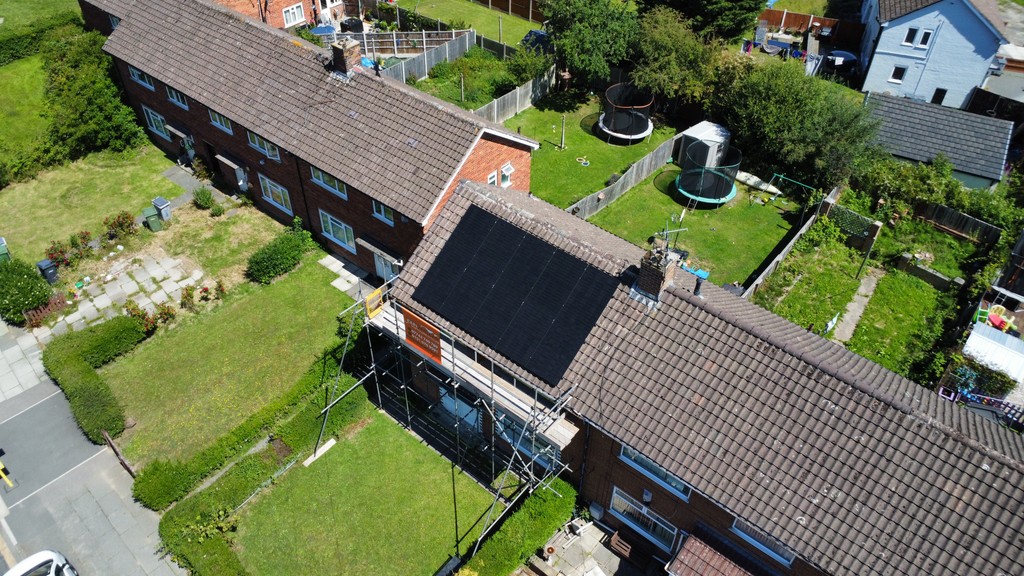
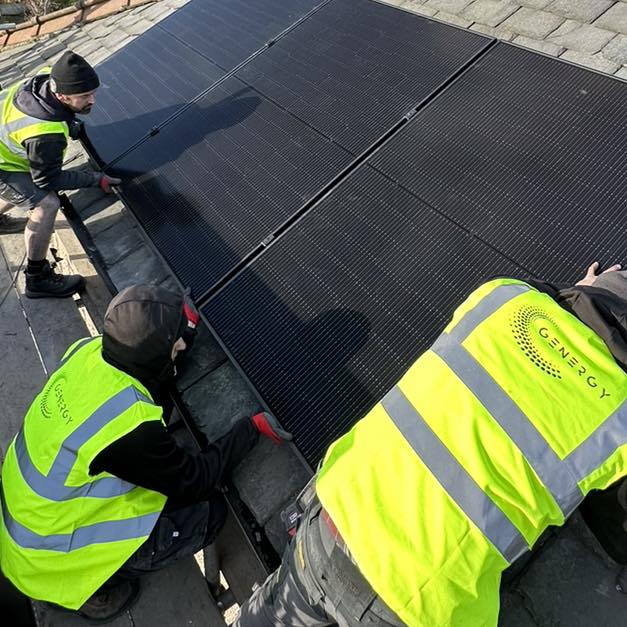
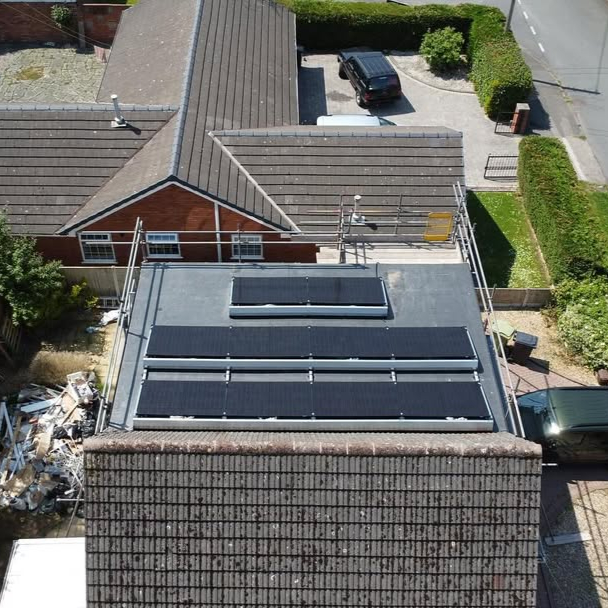
work across uk

TESTIMONIALS
WHAT OUR CLIENTS SAY
Guys Dave and Jimmy have been here 3 days installing the solar panels and the wiring for the Air Source Heat Pump. You hardly knew they were here. They were very professional in their approach, reliable, polite and nothing was too much trouble. The even stayed late one night to get their work done.

Absolutely Fantastic Service! Dave and Louie came in and honestly did one of the best electrical jobs I’ve ever seen. These guys are fantastic — professional, friendly, and knew exactly what they were doing. They turned up right on time, got straight to work, and finished everything within the time they said they would. The quality of their work was top-notch: clean, neat, and professional. I can’t recommend them enough. If you’re thinking about using their services, don’t hesitate — you won’t regret it. Thanks again, Dave and Louie. Great job!
Very happy with job provided by next energy and the lad's that came out to carry the work. First impressions were great always there to help straightaway, with clearing stuff ect. Was never an issue even possible delay to their task and so on. Just really nice lads led by Louis so again much appreciated and credit to company. Thanks again for job provided and look forward to our solar panels now.
Absolutely fantastic service !! Louis was great from start to finish, if your after solar definitely give these lads a shout!
Excellent service and customer care from all at Generating Energy. Carried out a repair on my existing Solar installation installed a new inverter, arranged scaffolding, carried out fault finding and completed repair. Very pleased with service and would highly recommend.
I’ve got to say, I’ve never met a pair of blokes like Dave and Loui. The respect they show in how they talk and handle everything is refreshing to see. Their work is neat, clean, and exceptional. Keep smashing it, lads 💯 …
FAQ
Frequently Asked Questions
1) What is Solar and How does it work?
Solar panels convert sunlight into electricity using photovoltaic (PV) cells. The electricity powers your home or business, and any excess can be stored in batteries or sent back to the grid, earning you credits or payments through the Smart Export Guarantee (SEG).
2) How much can I save with solar panels?
Residential solar can save you up to 70% on energy bills, while commercial installations can save even more. Solar helps protect against rising energy prices, and with battery storage, you can further reduce costs by storing energy for peak times and earn money by selling excess back to the grid.
3) What is battery storage and why should I consider it?
Battery storage stores excess solar energy for use when the sun isn’t shining, such as at night or on cloudy days. It allows you to use your solar power when you need it most, reducing reliance on the grid and saving money.
4) Do I need planning permission for solar panels?
In most cases, you don’t need planning permission for solar panels, as long as the installation meets certain conditions. Check with your local council if you're in a conservation area or have a listed building.
5) How long do solar panels last?
Solar panels typically last 25-30 years. While efficiency may decrease slightly over time, they’ll continue generating energy for decades.
6) Will solar panels work in the UK climate?
Yes, solar panels work even on cloudy days, though they generate more power with direct sunlight. UK weather is suitable for solar, and technological advances are making solar systems more efficient and affordable.
7) How much does it cost to install solar panels?
Residential installations typically start from £3,500 and can go up to £20,000 or more, depending on system size and whether you include battery storage. Commercial systems vary, so contact us for a tailored quote.
8) Are there any financial incentives for installing solar panels and battery storage?
Yes, both solar panels and battery storage are eligible for 0% VAT for residential properties. Homeowners can also earn through the Smart Export Guarantee (SEG). Businesses may benefit from tax breaks and government or council grants.
9) What are the maintenance requirements for solar panels?
Solar panels are self-cleaning, but it’s a good idea to clean them once a year (or more often in dusty areas). Regular inspections and system monitoring help ensure everything is running smoothly. We offer maintenance plans for peace of mind.
10) How do I know if my property is suitable for solar panels?
Your roof should have enough space, be in good condition, and face south, southeast, or southwest. But leave it to our engineers to assess. Simply fill out our enquiry form, and we’ll get in touch to provide a tailored recommendation.
11) Can I use solar power when the sun isn’t shining?
Yes, solar panels generate power even on cloudy days, though at lower output. Excess energy is stored for use later, ensuring a steady power supply even when the sun isn’t shining.
12) What happens if I need more energy than my solar panels provide?
If your solar panels don’t meet all your energy needs, you’ll draw from the grid. With battery storage, you can use stored energy at night or take advantage of cheaper off-peak rates, like Octopus Energy’s overnight tariffs, to save more.
13) Can I sell excess energy back to the grid?
Yes, you can sell excess energy through the Smart Export Guarantee (SEG) and earn money. Payment rates vary by supplier, but Octopus Energy’s Flux tariff offers competitive rates for exported energy.
14) How long does it take to install solar panels?
A typical residential solar panel installation takes 1-5 days. For commercial installations, the timeline depends on system size and complexity. Contact us for a more accurate estimate based on your specific needs.
Contact Us
Generating Energy Ltd


© Copyright 2026. Generating Energy UK. All Rights Reserved.
Powered By: