
Blogs

The Solar Tariff Guide 2026: How to Get the Most From Your Solar Panels
Solar Information - Generating Energy
Best Energy Tariffs for Solar Panels, Batteries & EV Charging in 2026
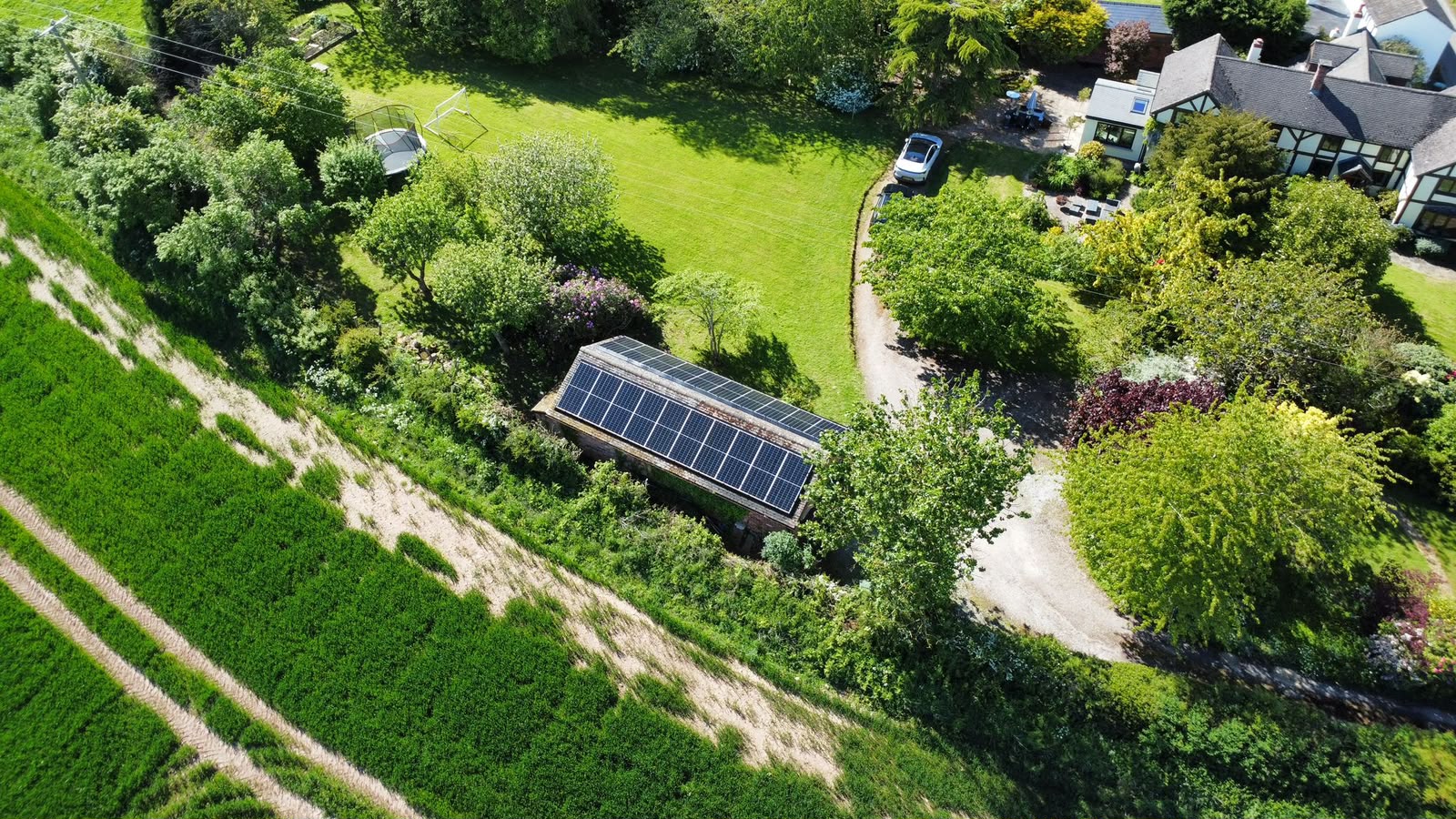
If you're investing in solar panels, a battery storage system, or an electric vehicle charger, choosing the right energy tariff can make a huge difference to your savings.
Many homeowners focus on the cost of the solar installation itself but overlook the fact that the right tariff can save hundreds, and sometimes thousands, of pounds each year.
In this guide, we'll explain how solar export payments work, what you'll need to get paid for your excess energy, and which tariffs are worth considering in 2026..
How Do You Get Paid for Excess Solar Energy?
When your solar panels generate more electricity than your property is using, the surplus energy is exported back to the grid.
Through the Smart Export Guarantee (SEG), energy suppliers pay homeowners for this exported electricity.
To receive these payments, you'll typically need:
An MCS-certified solar installation
DNO approval (G98 or G99)
A compatible smart meter
A registered export MPAN
Without these, your supplier may be unable to track and pay for your exported energy.
Why Solar Owners Should Care About Tariffs
A good tariff can help you:
Charge your battery at cheap overnight rates.
Charge your electric vehicle for a fraction of daytime costs.
Export energy during peak periods when rates are higher.
Reduce reliance on expensive daytime electricity.
The difference between a standard tariff and a specialist solar tariff can often exceed £500–£1,000 per year.
The Best Tariffs for Solar and Battery Owner's
Solar Panels Only
If you have solar panels without a battery, your priority is usually obtaining the highest export rate.
Look for tariffs that:
Offer competitive SEG payments.
Don't restrict you to being their import customer.
Have no complicated charging requirements.
These tariffs are ideal for homeowners who export significant amounts of electricity during the day.
Solar Panels with Battery Storage
Adding a battery changes the game completely.
Rather than exporting excess electricity immediately, you can store it and use it later when electricity prices are higher.
Many battery owners now use time-of-use tariffs, allowing them to:
Charge batteries overnight at low rates.
Use stored energy during peak periods.
Reduce imports during expensive evening hours.
This strategy often delivers greater savings than focusing solely on export payments.
Solar, Battery & Electric Vehicle Charging
For homes with solar, battery storage, and an EV charger, specialist EV tariffs can be incredibly effective.
By charging both the car and battery overnight using cheaper electricity, homeowners can significantly reduce overall energy costs.
In many cases, this setup provides the quickest return on investment.
The Biggest Mistake New Solar Owners Make
One of the most common mistakes is exporting electricity during the day for a relatively low payment, then buying it back from the grid later at a much higher rate.
For example:
Export electricity during the day.
Receive a modest SEG payment.
Import electricity during the evening at a much higher rate.
This is where battery storage can make a significant difference by allowing you to use more of your own generated energy.
Which Tariff Is Best?
The answer depends on your setup.
Solar Only
Focus on:
Strong export rates.
Competitive daytime electricity prices.
Solar + Battery
Focus on:
Cheap overnight charging.
Flexible time-of-use pricing.
Solar + Battery + EV
Focus on:
Dedicated EV charging tariffs.
Low overnight rates.
Smart charging compatibility.
What We Recommend
At Generating Energy, we don't just design solar systems around today's energy prices.
We design systems that work with the tariffs available now and those likely to become more popular in the future.
The right combination of solar panels, battery storage, and tariff selection can dramatically reduce energy bills and improve your return on investment.
Every property is different, which is why we assess your electricity usage, future plans, and lifestyle before recommending a system.
Looking for Advice?
If you're considering solar panels, battery storage, or an EV charger and would like advice on which tariff could work best for your property, get in touch on 0151 938 0266
We'll help you understand not only how much energy you can generate, but how to make the most of every unit you produce.

The Solar Tariff Guide 2026: How to Get the Most From Your Solar Panels
Solar Information - Generating Energy
Best Energy Tariffs for Solar Panels, Batteries & EV Charging in 2026
If you're investing in solar panels, a battery storage system, or an electric vehicle charger, choosing the right energy tariff can make a huge difference to your savings.
Many homeowners focus on the cost of the solar installation itself but overlook the fact that the right tariff can save hundreds, and sometimes thousands, of pounds each year.
In this guide, we'll explain how solar export payments work, what you'll need to get paid for your excess energy, and which tariffs are worth considering in 2026..
How Do You Get Paid for Excess Solar Energy?
When your solar panels generate more electricity than your property is using, the surplus energy is exported back to the grid.
Through the Smart Export Guarantee (SEG), energy suppliers pay homeowners for this exported electricity.
To receive these payments, you'll typically need:
An MCS-certified solar installation
DNO approval (G98 or G99)
A compatible smart meter
A registered export MPAN
Without these, your supplier may be unable to track and pay for your exported energy.
Why Solar Owners Should Care About Tariffs
A good tariff can help you:
Charge your battery at cheap overnight rates.
Charge your electric vehicle for a fraction of daytime costs.
Export energy during peak periods when rates are higher.
Reduce reliance on expensive daytime electricity.
The difference between a standard tariff and a specialist solar tariff can often exceed £500–£1,000 per year.
The Best Tariffs for Solar and Battery Owner's
Solar Panels Only
If you have solar panels without a battery, your priority is usually obtaining the highest export rate.
Look for tariffs that:
Offer competitive SEG payments.
Don't restrict you to being their import customer.
Have no complicated charging requirements.
These tariffs are ideal for homeowners who export significant amounts of electricity during the day.
Solar Panels with Battery Storage
Adding a battery changes the game completely.
Rather than exporting excess electricity immediately, you can store it and use it later when electricity prices are higher.
Many battery owners now use time-of-use tariffs, allowing them to:
Charge batteries overnight at low rates.
Use stored energy during peak periods.
Reduce imports during expensive evening hours.
This strategy often delivers greater savings than focusing solely on export payments.
Solar, Battery & Electric Vehicle Charging
For homes with solar, battery storage, and an EV charger, specialist EV tariffs can be incredibly effective.
By charging both the car and battery overnight using cheaper electricity, homeowners can significantly reduce overall energy costs.
In many cases, this setup provides the quickest return on investment.
The Biggest Mistake New Solar Owners Make
One of the most common mistakes is exporting electricity during the day for a relatively low payment, then buying it back from the grid later at a much higher rate.
For example:
Export electricity during the day.
Receive a modest SEG payment.
Import electricity during the evening at a much higher rate.
This is where battery storage can make a significant difference by allowing you to use more of your own generated energy.
Which Tariff Is Best?
The answer depends on your setup.
Solar Only
Focus on:
Strong export rates.
Competitive daytime electricity prices.
Solar + Battery
Focus on:
Cheap overnight charging.
Flexible time-of-use pricing.
Solar + Battery + EV
Focus on:
Dedicated EV charging tariffs.
Low overnight rates.
Smart charging compatibility.
What We Recommend
At Generating Energy, we don't just design solar systems around today's energy prices.
We design systems that work with the tariffs available now and those likely to become more popular in the future.
The right combination of solar panels, battery storage, and tariff selection can dramatically reduce energy bills and improve your return on investment.
Every property is different, which is why we assess your electricity usage, future plans, and lifestyle before recommending a system.
Looking for Advice?
If you're considering solar panels, battery storage, or an EV charger and would like advice on which tariff could work best for your property, get in touch on 0151 938 0266
We'll help you understand not only how much energy you can generate, but how to make the most of every unit you produce.

Contact Us
Generating Energy Ltd


© Copyright 2026. Generating Energy UK. All Rights Reserved.
Powered By: