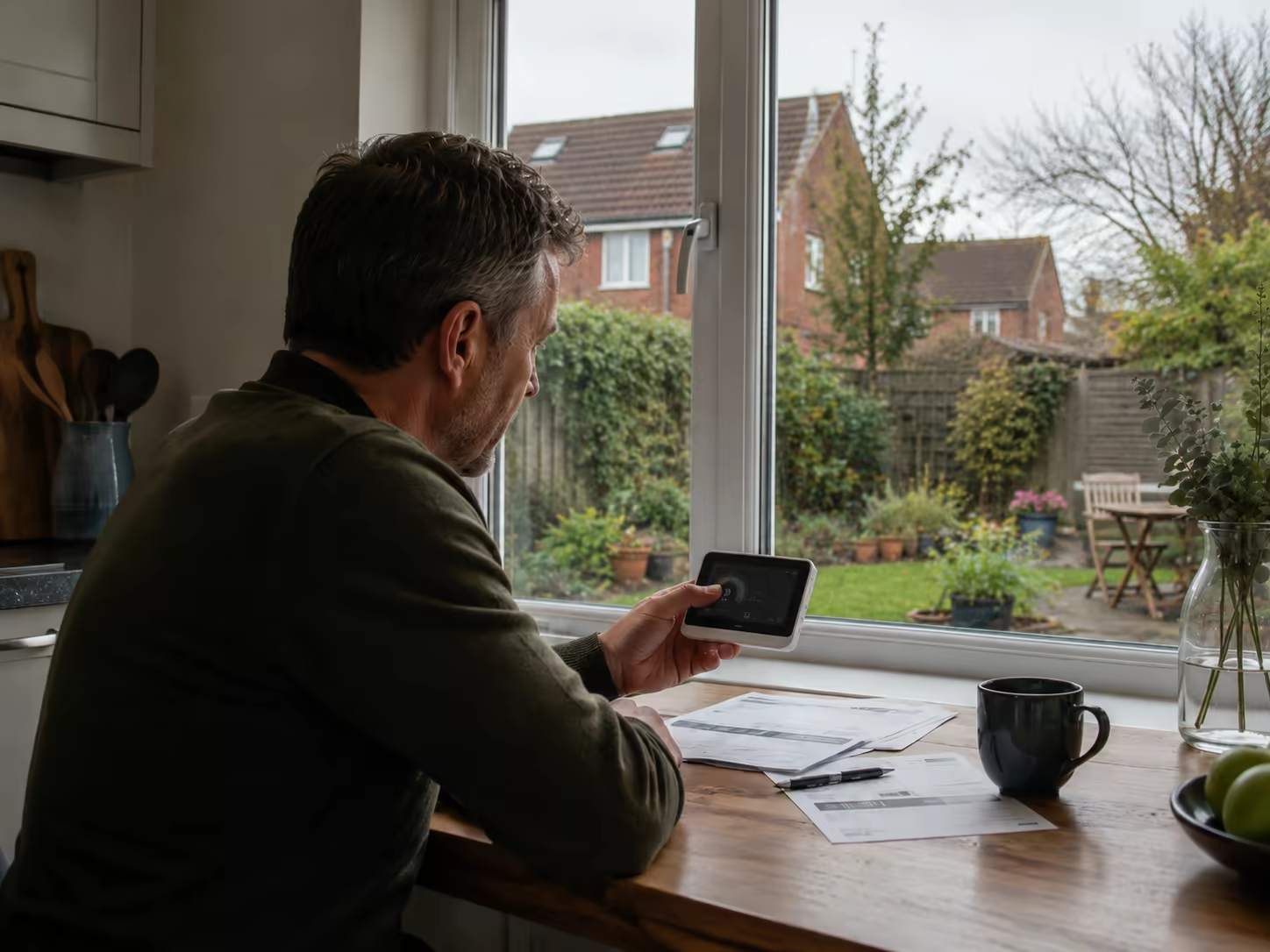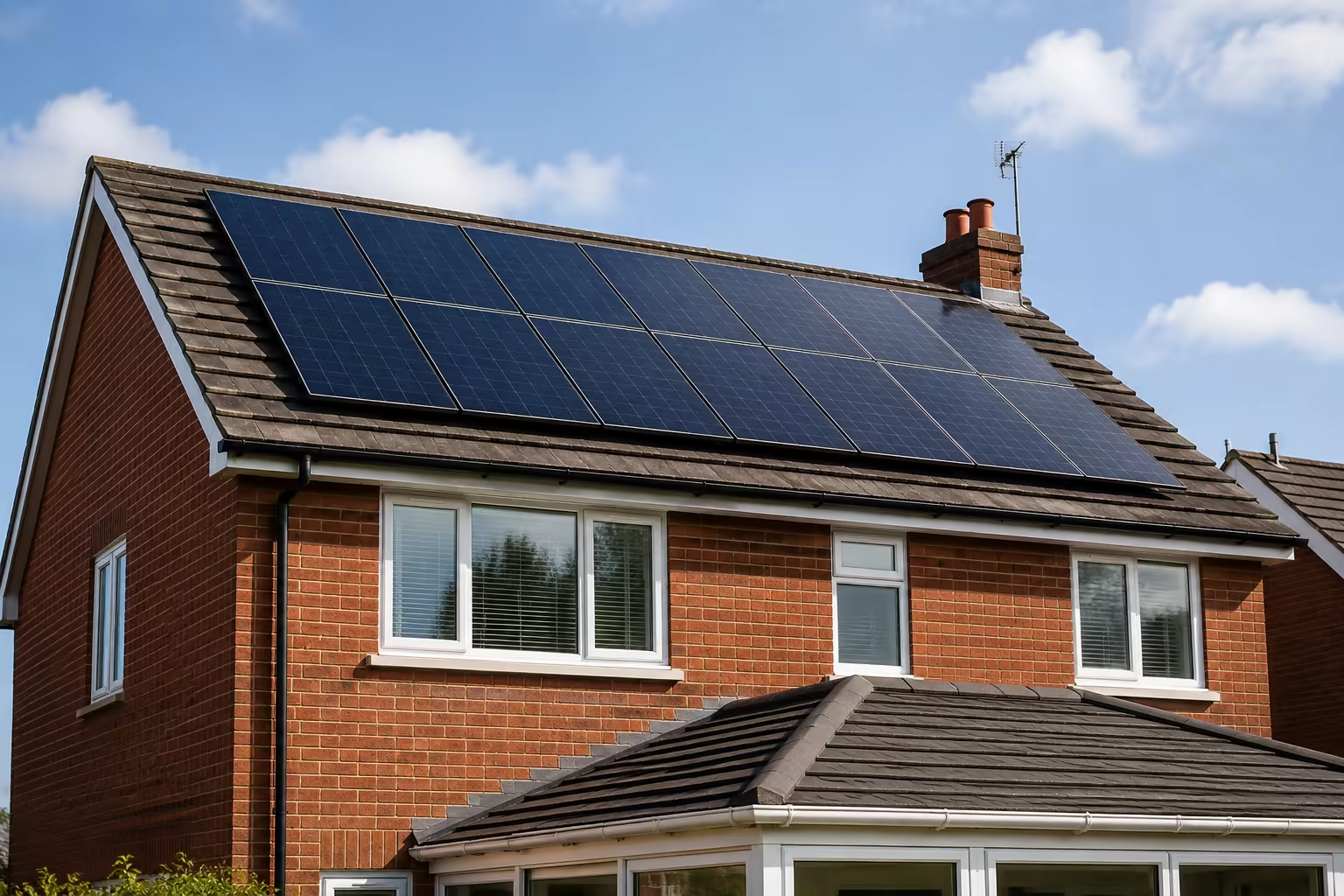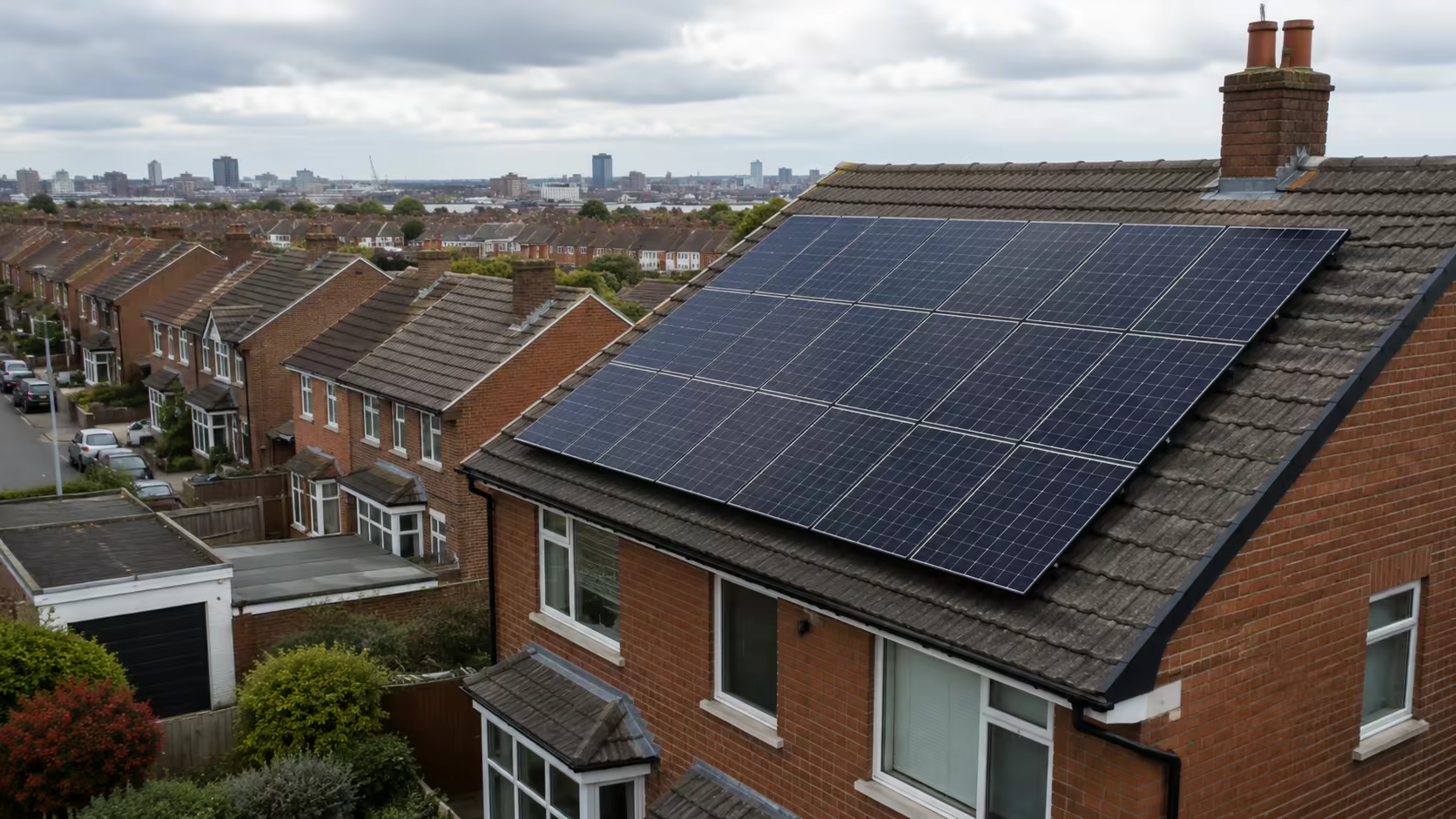

With energy prices continuing to be a concern for many households, more homeowners across Liverpool and the North West are looking at ways to reduce their electricity bills and take greater control of their energy.
Solar panels are one of the most popular solutions. But one of the biggest questions homeowners ask before making the investment is:
“How much money can solar panels actually save me?”
The answer depends on several factors, including the size of your solar system, your home’s electricity usage, the direction of your roof, and whether you install battery storage. A correctly designed solar PV system can significantly reduce your reliance on the grid, helping you generate your own electricity and lower your monthly energy costs. In this guide, we explain how solar savings work, what affects your return on investment, and what homeowners in Liverpool can realistically expect from a solar installation.
How Do Solar Panels Save You Money?
Solar panels work by converting sunlight into electricity that your home can use. Every unit of electricity your solar panels generate and your home uses is electricity you don’t need to buy from your energy supplier.
For example:
Without solar:
- Your home uses electricity from the grid
- You pay your energy supplier for every unit used
With solar:
- Your panels generate electricity
- Your home uses your own generated energy
- You reduce the amount you buy from the grid
The biggest savings come from using as much of your own solar energy as possible.
How Much Electricity Can Solar Panels Generate in Liverpool?
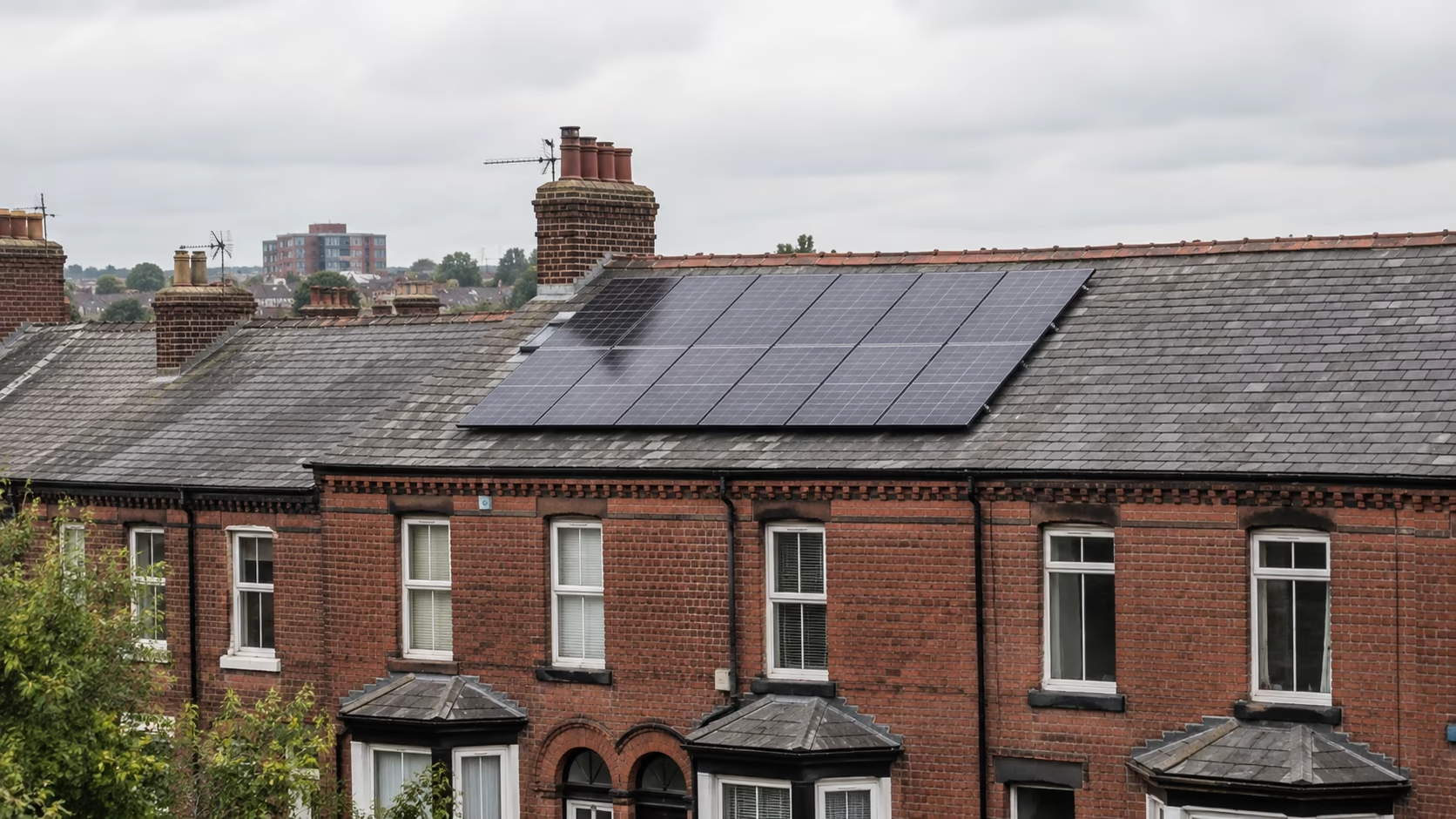
Many homeowners assume solar panels are only worthwhile in sunnier parts of the country. This isn’t true. Although solar generation is higher during the summer months, modern solar panels are designed to generate electricity even on cloudy days. A typical residential system in Liverpool could include:
- 8–14 solar panels
- Around 3.5kWp–6kWp system size
- Approximately 3,000–5,500kWh of electricity generated per year (depending on system size and conditions)
The exact amount depends on:
- Roof orientation
- Roof angle
- Shading
- Panel efficiency
- Location
What Affects Your Solar Savings?
1. Your Electricity Usage
Your household’s electricity habits have a major impact on savings. A home that uses electricity during daylight hours will naturally use more of its solar generation. A homeowner working from home may use solar electricity directly for:
- Computers
- Appliances
- Cooking
- Heating systems
A household where everyone leaves for work and school may export more electricity unless battery storage is installed.
2. Your Roof Direction
The ideal solar roof is usually south-facing, but this does not mean other roofs are unsuitable. East and west-facing roofs can also perform very well. For example:
South-facing roof:
- Generates the highest output around midday
East-facing roof:
- Produces more electricity in the morning
West-facing roof:
- Produces more electricity later in the day
A good solar design looks at your whole property rather than simply saying “yes” or “no” based on direction.
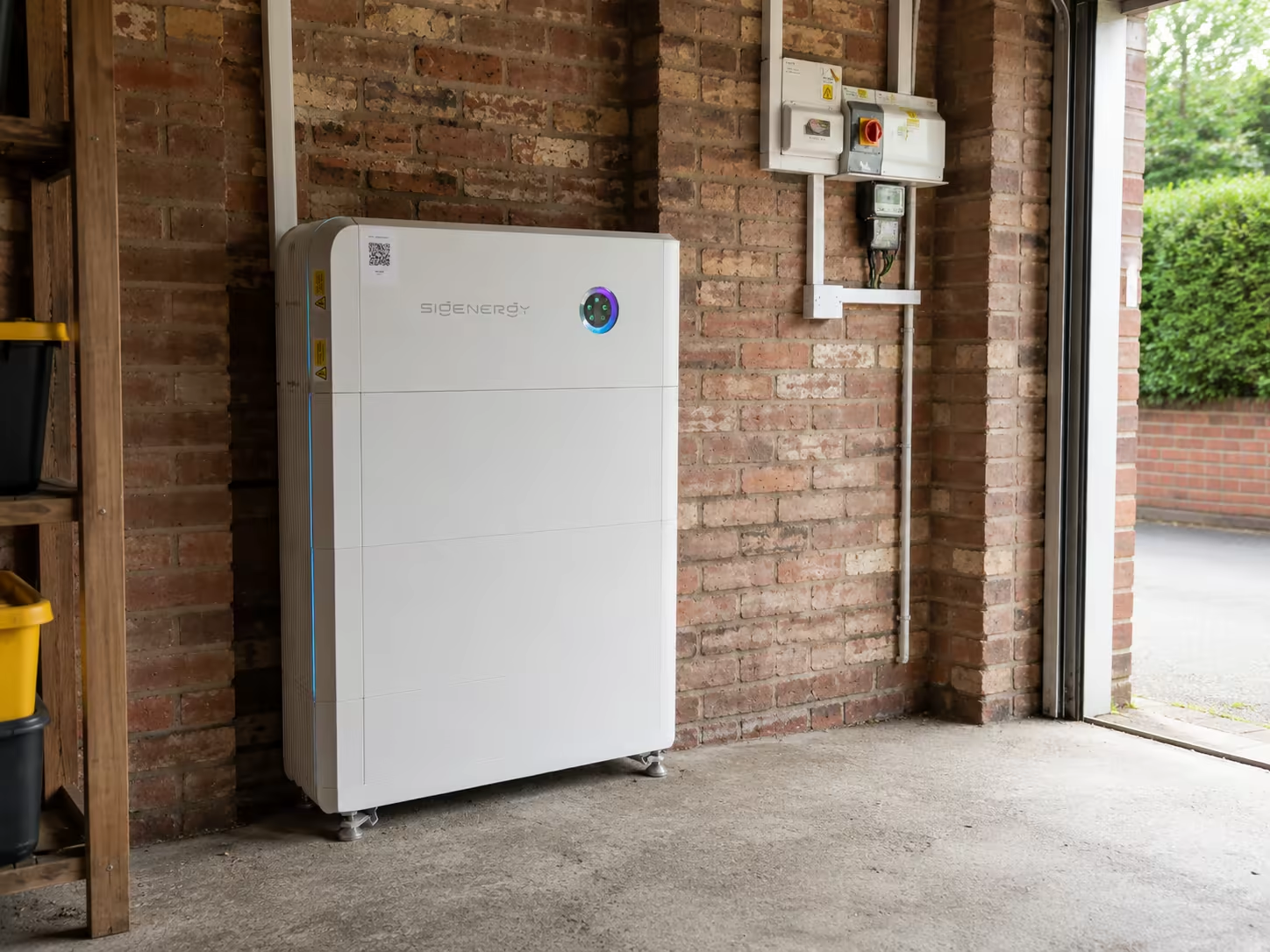
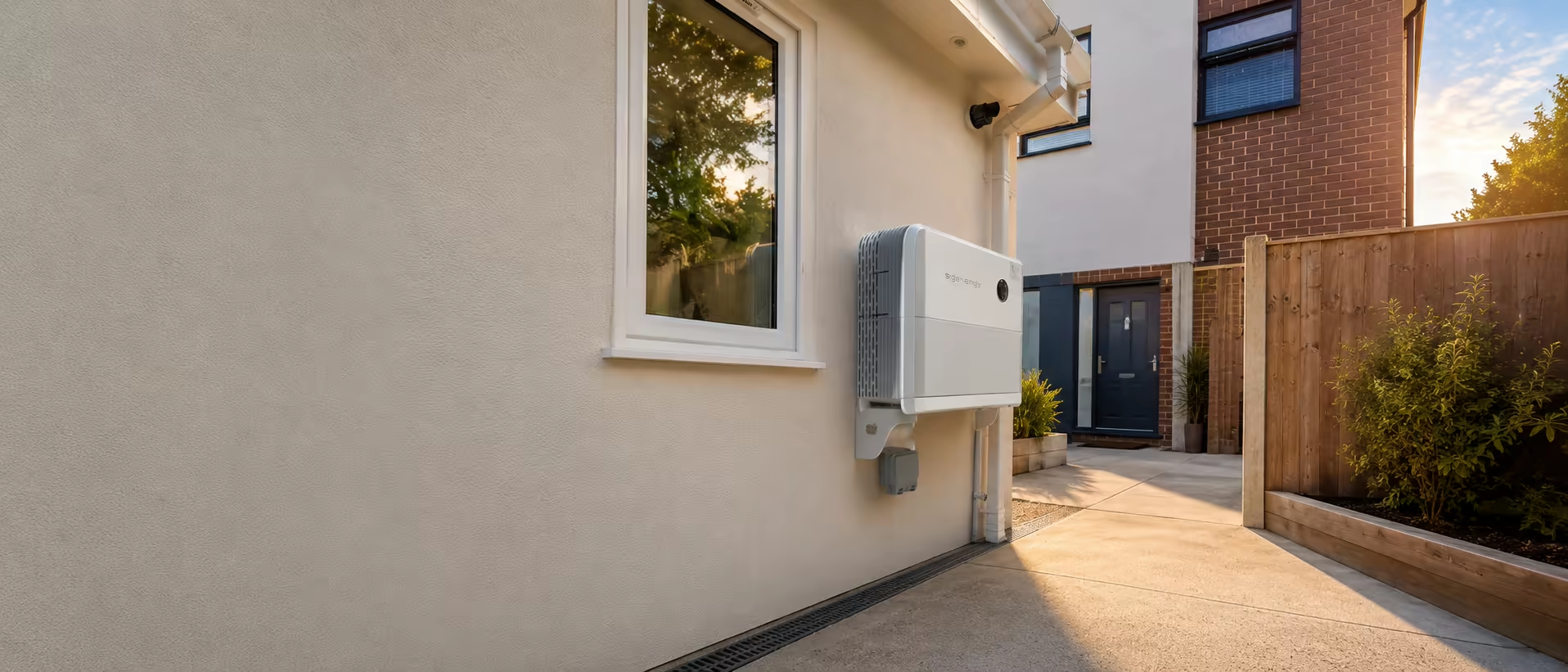
3. Battery Storage
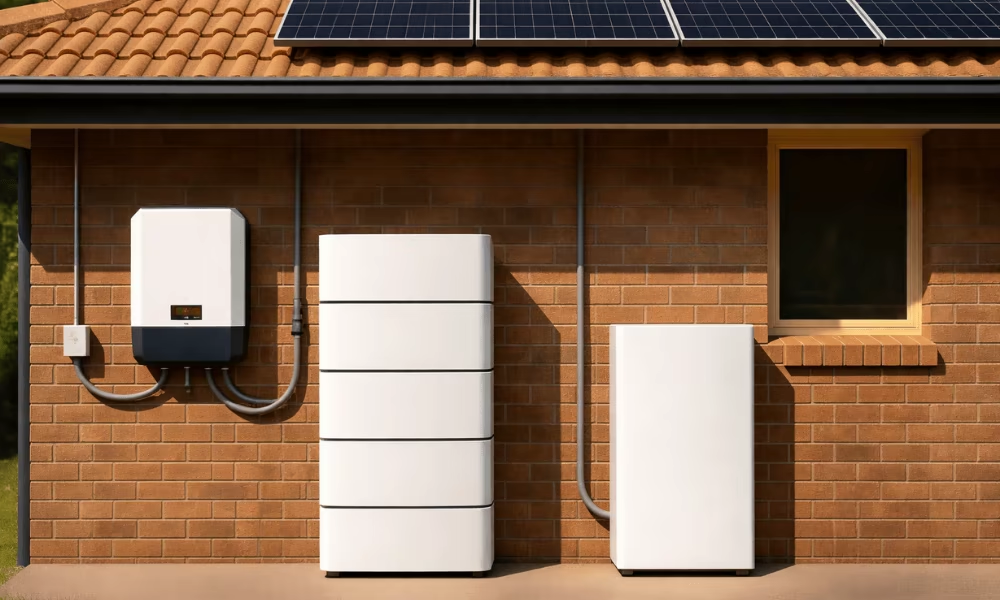
Battery storage has become one of the biggest improvements in residential solar. Without a battery, any unused electricity generated during the day is usually exported back to the grid. With a battery:
- Solar generates electricity
- Battery stores excess energy
- Home uses stored energy later
This allows homeowners to use more of the electricity they generate. For many households, the addition of battery storage can significantly improve the overall value of their solar system.
Example Solar Savings
Every property is different, but typical examples could look like this:
| System Size | Suitable For | Estimated Annual Savings |
| 3–4kWp Solar | Smaller homes | £800–£1,200 |
| 5–6kWp Solar | Average family homes | £1,200–£1,700 |
| 6kWp+ Solar with Battery | Higher usage homes | £1,800–£2,500+ |
Savings depend on energy usage, electricity prices and how effectively the system is used.
How Battery Storage Can Increase Your Savings
One of the biggest mistakes homeowners make is thinking solar panels alone are the complete solution. Solar panels generate electricity during the day, but many households use most electricity in the evening. This is where batteries help. A battery allows you to:
- Store unused solar energy
- Reduce evening grid usage
- Charge using cheaper overnight tariffs
- Increase energy independence
For example, a customer who generates excess electricity at midday can store that energy and use it later when electricity prices are higher.
Can Solar Panels Increase the Value of Your Home?
Energy efficiency is becoming an increasingly important factor for homeowners and buyers. A property with:
- Solar panels
- Battery storage
- Lower running costs
- Improved EPC performance
can become more attractive compared with similar homes without renewable energy. For new builds especially, solar and battery storage can be a strong selling point because buyers are increasingly interested in homes with lower ongoing costs.
How Long Does Solar Take to Pay For Itself?
The payback period depends on:
- Installation cost
- Electricity prices
- System size
- Battery capacity
- Household usage
Many homeowners look at solar as a long-term investment rather than a quick saving. A professionally designed system should provide value for many years beyond the initial payback period.
Real Example: Solar & Battery Installation in Liverpool
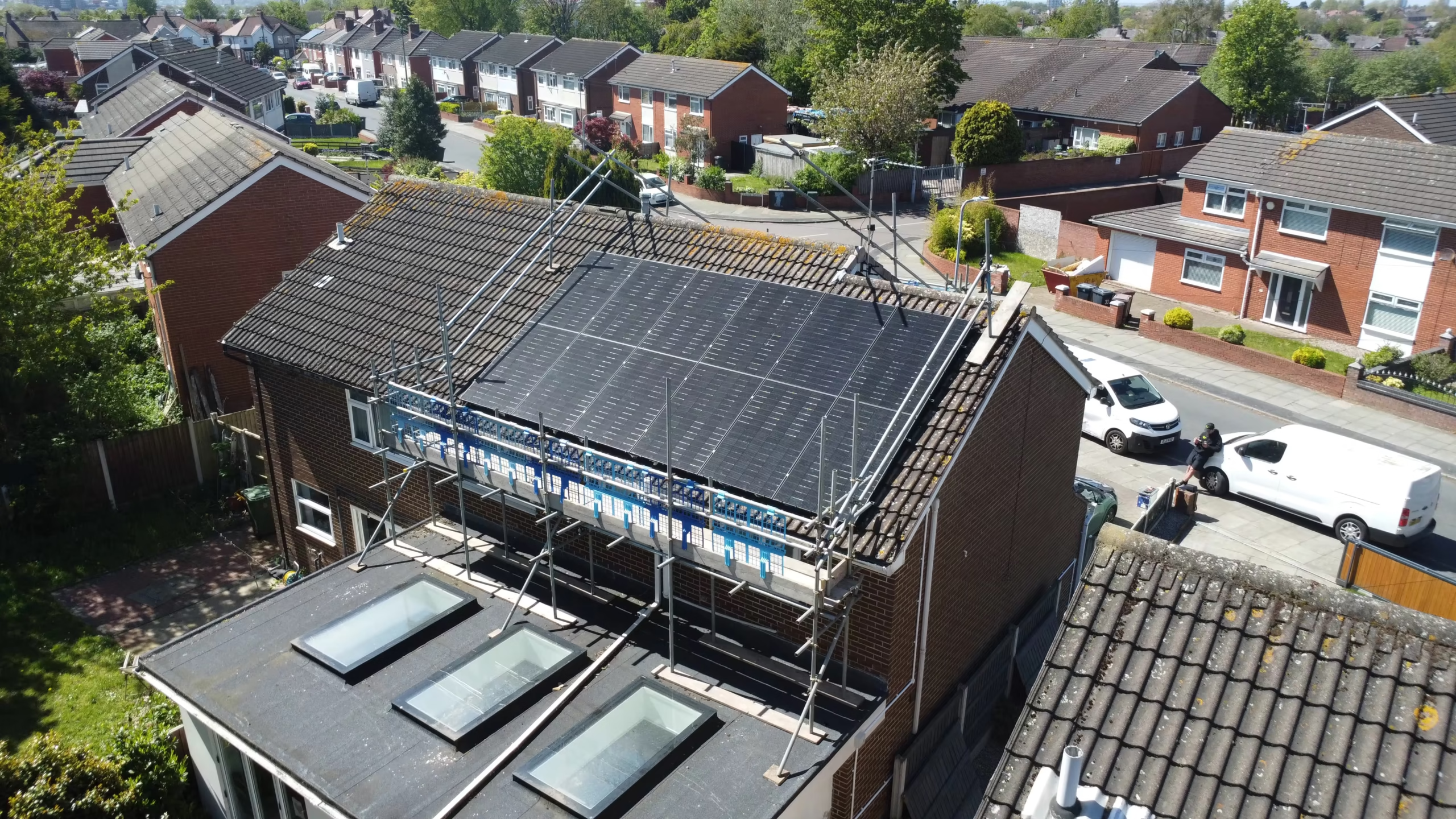
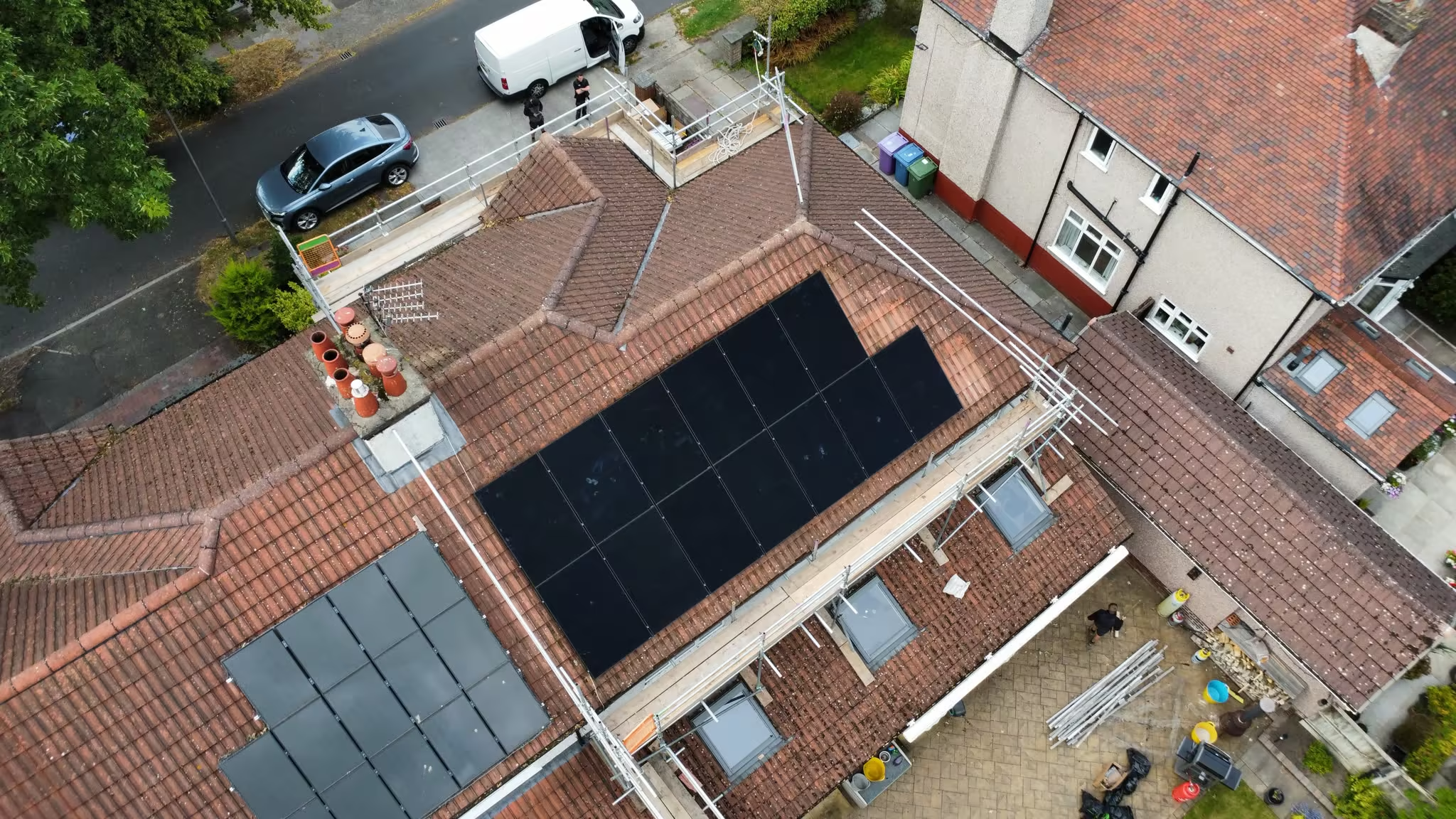
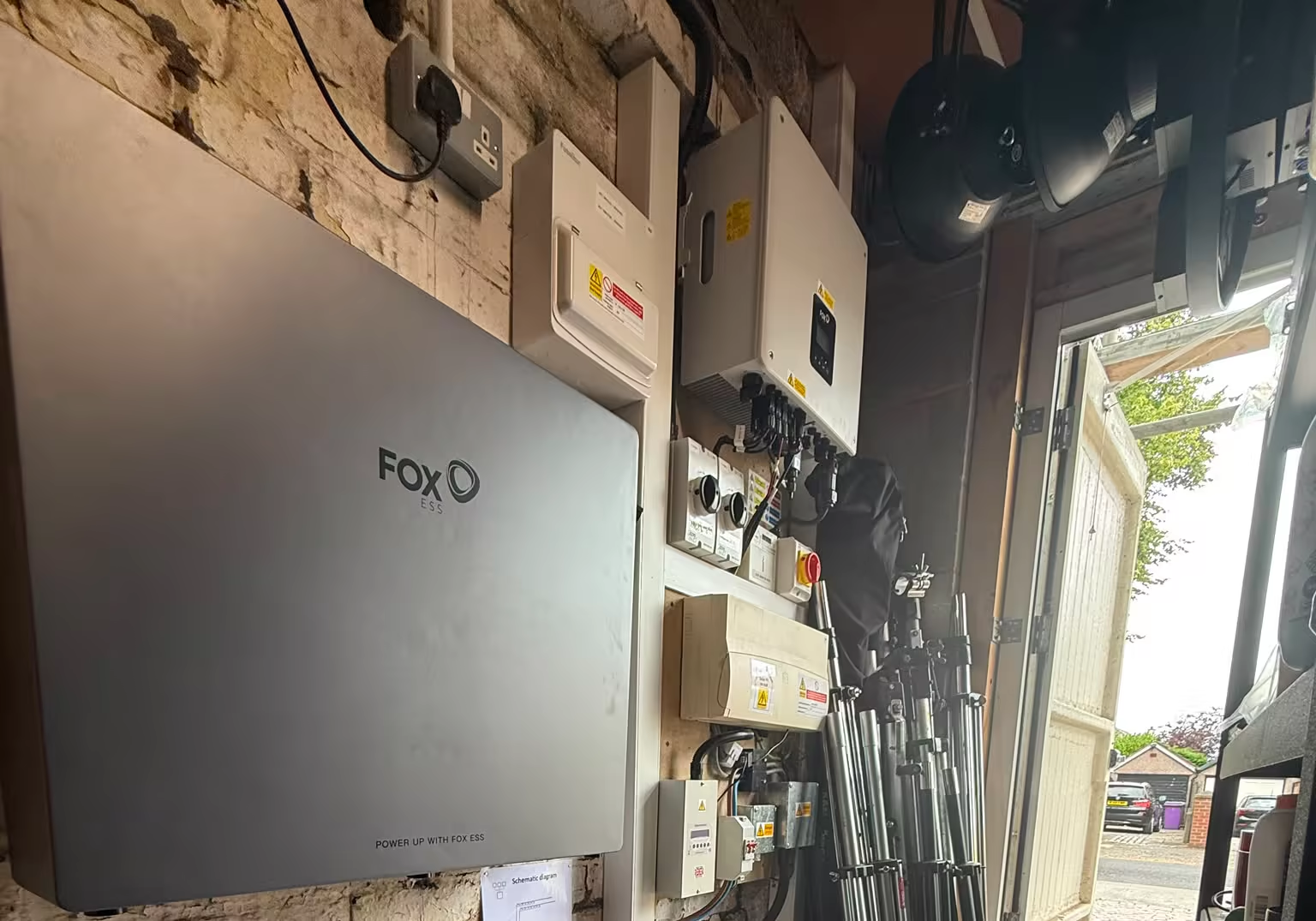
At Generating Energy, we recently completed a residential installation in Liverpool consisting of:
- 13 × 450W solar panels
- 20kWh battery storage
- Removal of an old, non-functioning solar system
- Completed in just 2 days
The system is expected to save the homeowner approximately £2,100 per year by allowing them to generate, store and use more of their own electricity.
Is Solar Worth It in Liverpool?
For many homeowners, solar panels are one of the most effective ways to reduce electricity costs and become less dependent on the grid. The key is having a system designed correctly for your property. A smaller, well-designed system can often outperform a larger system that hasn’t been planned around your actual energy usage.
Final Thoughts
Solar panels are no longer just about generating electricity during sunny days. Modern solar systems combine:
- Solar generation
- Battery storage
- Smart monitoring
- Flexible energy tariffs
to give homeowners more control over their energy. For homeowners in Liverpool and the surrounding areas, solar can provide long-term savings while helping create a more energy-efficient home.
Thinking About Solar Panels?
At Generating Energy, we design and install bespoke solar and battery storage systems across Liverpool and the North West. Our in-house team provides honest advice, tailored designs and high-quality installations designed around your home and energy goals. Find out how much you could save with solar by getting your personalised estimate today.