
Over the last few years, more UK homeowners have started looking beyond just installing solar panels. While generating your own electricity is a great way to reduce energy bills, many people are now asking the next question:
“What happens to the electricity I don’t use?”
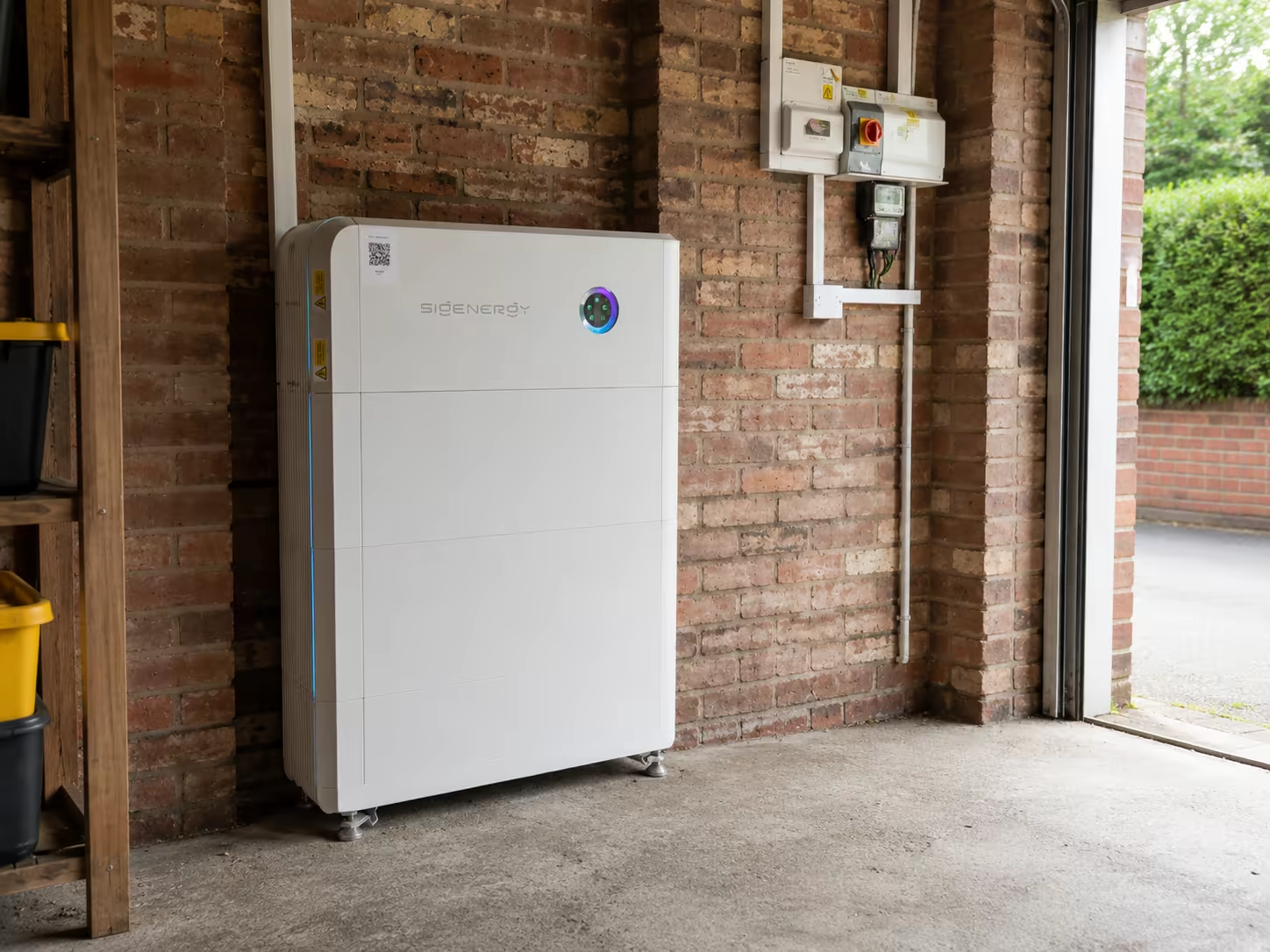
This is where battery storage comes in. A solar battery allows homeowners to store excess electricity generated during the day and use it when they need it most. Instead of sending unused energy back to the grid, you keep more of your own power and reduce the amount of electricity you need to buy. But with the cost of batteries, installation, and changing energy tariffs, many homeowners are asking: Is battery storage actually worth it in the UK? The answer depends on your home, your energy usage and how you use your electricity. In this guide, we’ll explain exactly how battery storage works, who benefits most, and why thousands of UK homeowners are choosing to add batteries alongside their solar panels.
What Is Solar Battery Storage?
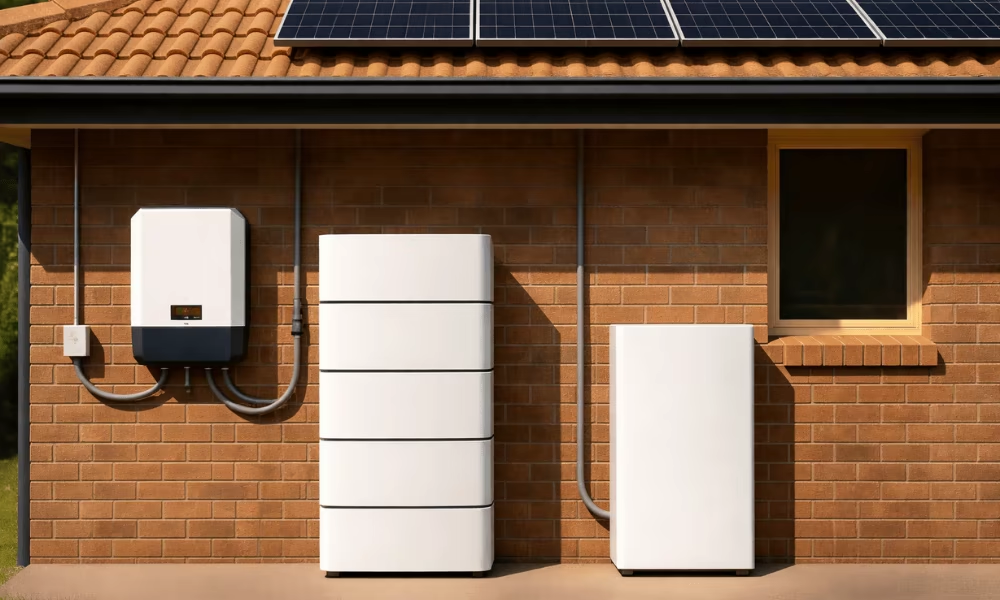
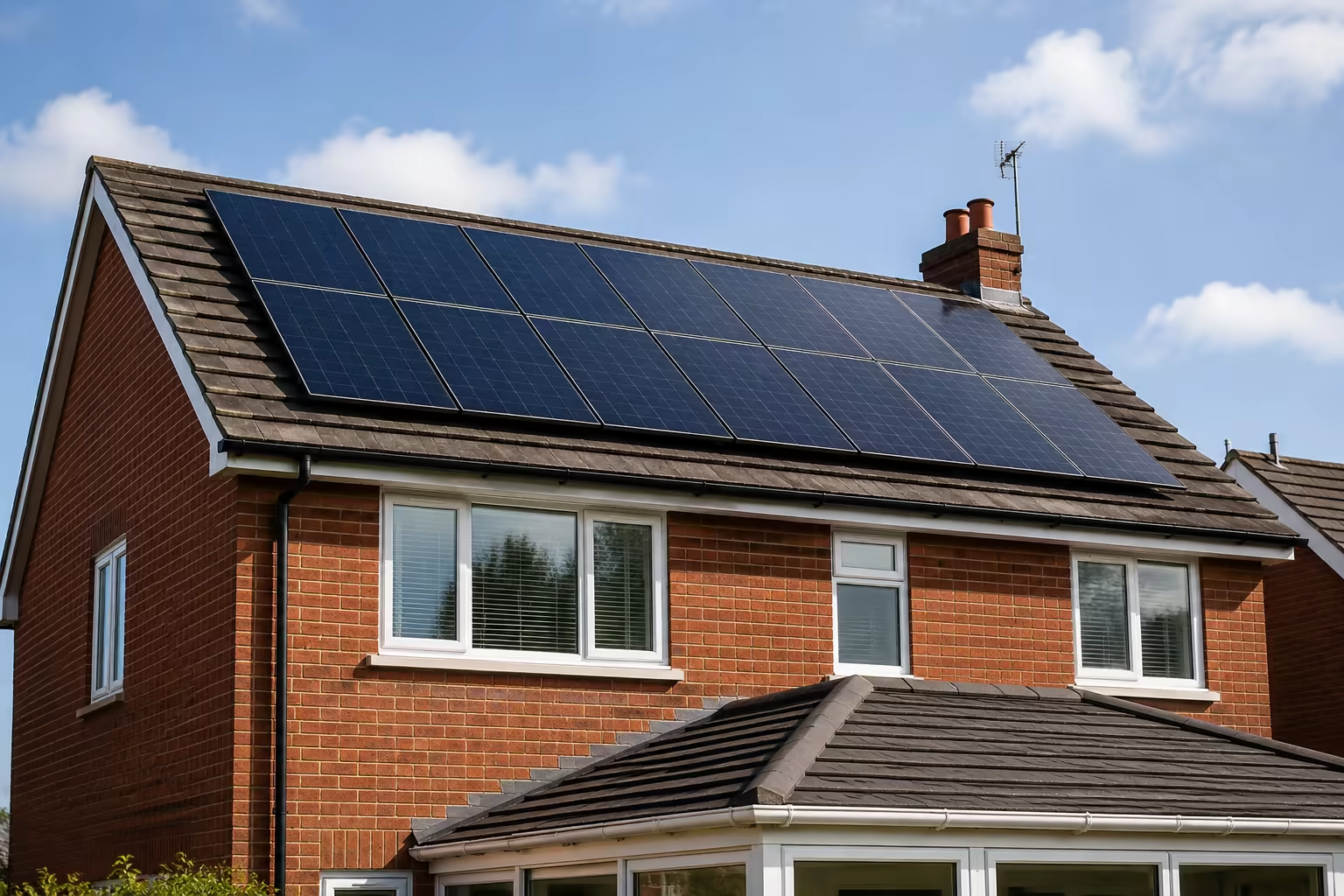
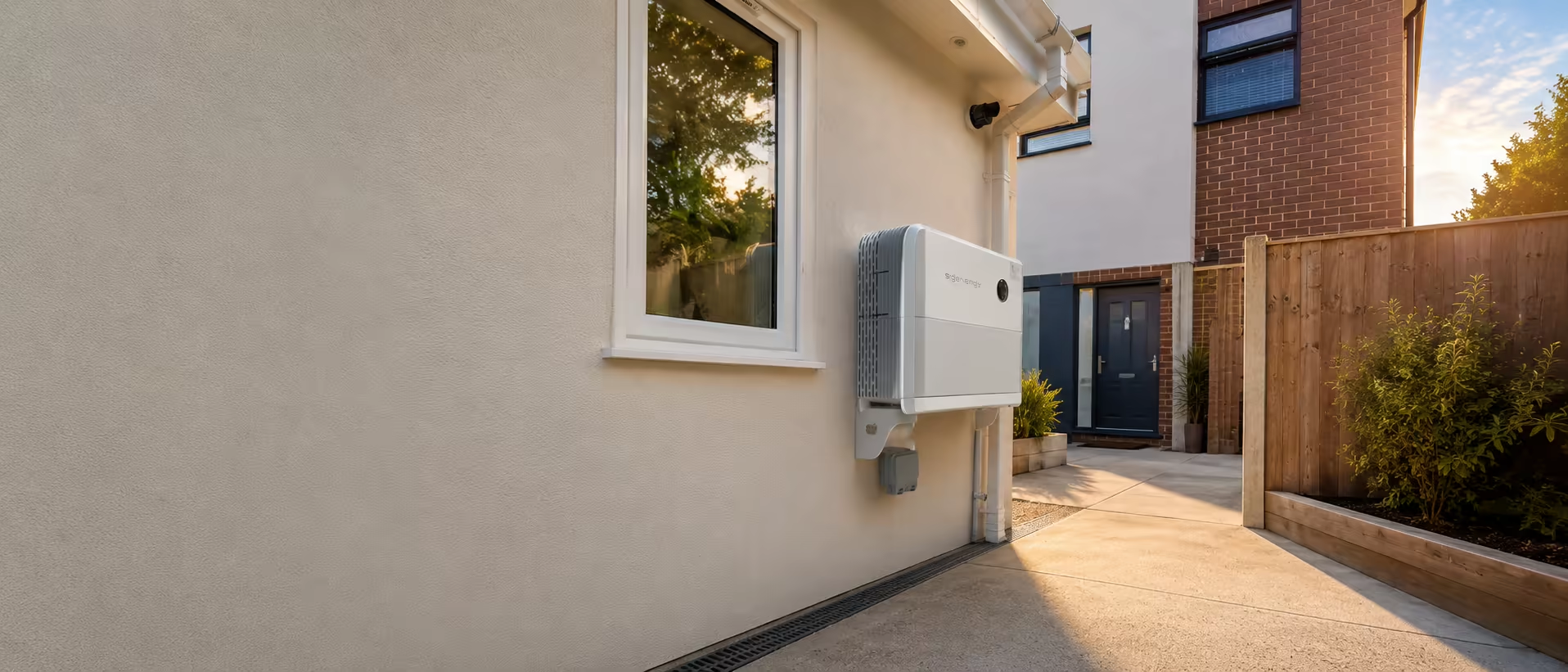
A solar battery is a device that stores electricity generated by your solar panels. During daylight hours, solar panels often produce more electricity than your home needs. Without a battery, this extra energy is usually exported back to the grid. With battery storage, the excess energy is stored and saved for later. For example:
During the day:
- Solar panels generate electricity
- Your home uses some of that energy
- Excess energy charges your battery
During the evening:
- Your home uses stored solar energy
- Battery supplies your home instead of the grid
This allows you to increase the amount of electricity you use from your own solar system.
Why Are More UK Homeowners Installing Batteries?
When solar panels first became popular, the main focus was reducing electricity bills by generating free electricity from the sun. However, modern energy usage has changed. Most homeowners are not using the majority of their electricity during the middle of the day when solar generation is highest. Instead, energy demand is often highest:
- Before work in the morning
- After returning home in the evening
- Overnight
This creates a mismatch between when solar energy is produced and when homeowners need it. Battery storage solves this problem.
How Much Can a Solar Battery Save You?
The savings from battery storage depend on several factors:
- Your electricity usage
- Your solar system size
- Battery capacity
- Your electricity tariff
- How much energy you export
A homeowner who works from home and uses electricity during the day may benefit differently from a family who is out all day and uses most electricity in the evening. For many households, adding a battery can significantly increase solar self-consumption. For example: A home without a battery may use around 30–50% of the electricity generated by their solar panels. With battery storage, this can potentially increase significantly because unused solar energy is stored instead of exported.
Using Cheap Overnight Electricity Tariffs
One of the biggest changes in the battery storage market is the introduction of smart electricity tariffs. Many suppliers now offer cheaper electricity rates overnight. This allows homeowners with batteries to charge their system when electricity prices are lower and use that stored energy during more expensive periods. For example:
Overnight:
- Electricity purchased at a cheaper rate
- Battery charges automatically
Daytime:
- Solar powers the home
- Stored energy supports demand when needed
This means batteries are no longer only useful when the sun is shining. They can actively help homeowners manage their energy costs throughout the year.